

 Uncategorized
TL;DR:
- Effective outdoor trip planning begins with securing permits and building a flexible, layered logistics system tailored to your group’s skills and environmental regulations.
- During the trip, continuous weather monitoring, clear communication, and adherence to Leave No Trace principles are essential for safety and conservation.
- Post-trip debriefs and skill assessments enhance future adventures, emphasizing realistic planning and respect for outdoor complexities over overconfidence.
Most nature lovers have experienced it. You show up to a trailhead without the right permit, the weather turns, or your group realizes halfway through day one that the packing was all wrong. A solid nature adventure trips workflow is the difference between a trip that becomes a great story and one that becomes a cautionary tale. This guide walks you through every phase, from the first decision to the final debrief, so you spend less energy managing chaos and more time actually experiencing the wild places you set out to find.
Table of Contents
- Key takeaways
- Before you start: the real prerequisites
- The step-by-step planning workflow
- Managing the trip once you are out there
- After the trip: your debrief workflow
- My honest take on what actually makes trips work
- Plan your next adventure with Nextviewtours
- FAQ
Key takeaways
| Point | Details |
|---|---|
| Permits come first | Secure permits before booking transport, lodging, or gear rentals to avoid costly itinerary failures. |
| Build in staging nights | Plan overnight stops near key access points to absorb weather delays without collapsing your schedule. |
| Layer your gear system | Organize packing around seven core systems: shelter, water, navigation, food, clothing, first aid, and waste. |
| Check in every day | Give a trusted contact your full route, permit details, and scheduled return times before you leave. |
| Debrief after every trip | Review what worked and what did not so your next adventure runs better than the last. |
Before you start: the real prerequisites
Most adventure planning failures happen before a single booking is made. The first question is not “where should I go?” It is “what am I actually ready for?”
Start by honestly assessing your skill level, fitness, and the capabilities of everyone in your group. A trail that looks straightforward on a map can become a serious undertaking for someone with limited elevation experience. Similarly, a group of mixed abilities requires a different itinerary than a crew of seasoned trekkers. Be specific. Can everyone in your group carry a 35-pound pack over 12 miles of uneven terrain? That answer shapes everything.
Once you have a realistic picture of your group, choose a destination that matches your profile. Factor in season, difficulty rating, and the kind of experience you are after. These considerations form the backbone of any solid nature travel itinerary.
Key areas to research before you plan a single booking:
- Permit requirements and access restrictions. High-demand destinations require 3 to 6 months of advance planning, while less visited areas still need 2 to 8 weeks of lead time, especially around seasonal closures.
- Environmental regulations. Read the Leave No Trace principles that apply to your specific area. Some zones have fire bans, restricted camping corridors, or wildlife buffer zones.
- Budget, including the hidden costs. Permit fees, shuttle services, gear rentals, and emergency supplies add up fast. Build a preliminary budget that includes a contingency line of at least 15 percent.
- Seasonal conditions. Snow, monsoon, or peak visitor crowds can dramatically change the character and safety of a route.
Pro Tip: Contact the local ranger district or land management office directly, not just their website. Staff can tell you about unposted closures, recent trail damage, and permit availability windows that are not listed online.
Understanding the role of nature in shaping local ecosystems also helps you travel more thoughtfully once you arrive.
The step-by-step planning workflow
This is where structure saves trips. Think of outdoor trip logistics as a hierarchy, and work through it in the right order.
- Secure permits first. Permit constraints should be prioritized before any transportation or lodging is booked. Locking in transport before you have a permit is one of the most common planning mistakes, and it can cost you non-refundable deposits.
- Book transportation. Shuttles, ferries, and park transit fill up fast, especially during peak season. Once your permits are confirmed, lock in your transport.
- Reserve lodging and campsites. Work through your route night by night. Staging nights near access points are not a luxury. They are essential buffers that absorb weather and transport delays without blowing up your whole schedule.
- Arrange guides and gear rentals. Local guide services often have limited capacity. Book early, confirm pickup logistics, and verify what equipment they provide versus what you need to bring.
- Build your layered packing list. Use a systems-based approach covering seven core categories: shelter, water, navigation, food storage, clothing, first aid, and waste management. This structure makes packing repeatable and prevents the “I forgot something critical” moment.
- Create a detailed budget. Line-item everything, including park entrance fees, shuttle tips, satellite device subscriptions, and food resupply costs. Then add your contingency buffer.
Comparing planning approaches
| Approach | Strengths | Where it breaks down |
|---|---|---|
| Spontaneous planning | Maximum flexibility, low upfront effort | Permits unavailable, no fallback options |
| Basic checklist | Better than nothing, easy to start | Misses logistics hierarchy and contingencies |
| Structured workflow | Catches conflicts early, replicable for future trips | Requires time investment upfront |
| Expert-guided planning | Local knowledge, logistics handled professionally | Higher cost, less personal control |
Pro Tip: Use a digital mapping app like Gaia GPS or CalTopo to build your daily route and share it as a live link with your emergency contact. This replaces a static map with a document that updates as conditions change.
For a deeper look at timing and advance bookings, the multi-day adventure guide from Nextviewtours walks through European trip planning with seasonal specifics.
Managing the trip once you are out there
The plan is finished. You are in the field. Now the real work begins, and it looks nothing like a spreadsheet.
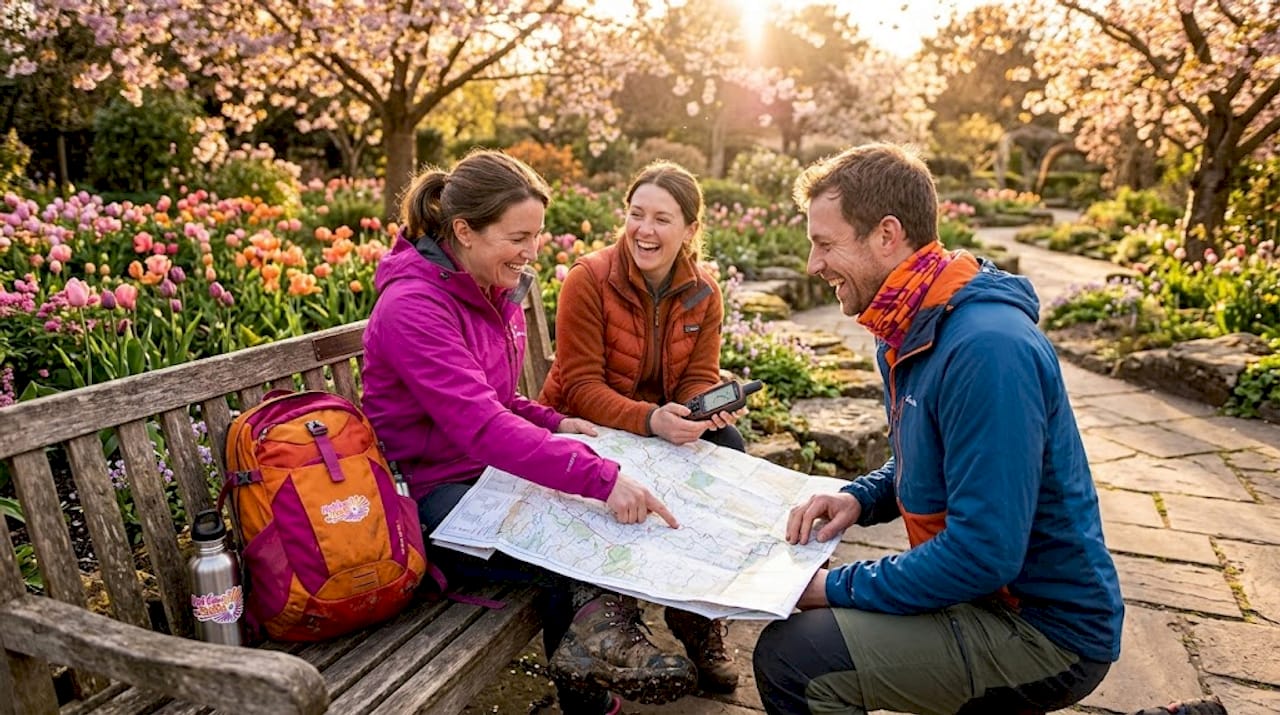
Weather is the variable that humbles even experienced adventurers. Check forecasts every morning using multiple sources, not just your phone’s default app. Look for localized mountain weather services when available. Conditions that are fine at the trailhead can turn dangerous at elevation in under two hours.
Your safety system should include:
- A detailed trip plan left with a trusted contact. This plan should include your full route, permit copies, vehicle information, and scheduled check-in times. If you miss a check-in, your contact needs to know exactly who to call and what to tell them.
- A satellite communicator with two-way messaging. Two-way satellite messengers significantly improve rescue outcomes compared to one-way PLBs because rescuers can communicate your exact situation before dispatching resources. Subscriptions typically run $15 to $50 per month.
- A clear turn-back policy. Decide before you leave what conditions will trigger a retreat. Making that call in the moment, when you are tired and emotionally invested, is much harder than agreeing on it at home.
“Treat your itinerary as a living system, not a fixed contract. Flexible trip design improves trip resilience against weather and permit issues more than any amount of over-preparation.”
Leave No Trace protocols are not optional once you hit the trail. Human waste must be buried 6 to 8 inches deep and at least 200 feet from any water source, trail, or campsite. Pack out everything you pack in. These practices protect the access that every future adventurer depends on.
Navigation deserves its own mention. Carry a physical map and compass as backup. GPS apps can fail when your phone battery dies or you lose cell signal, which in serious terrain is exactly when you need them most. Register and test your satellite device before every trip season, not the morning of departure.
After the trip: your debrief workflow
Most adventurers skip this step entirely. That is a real missed opportunity, because the post-trip review is where your future trips get better.
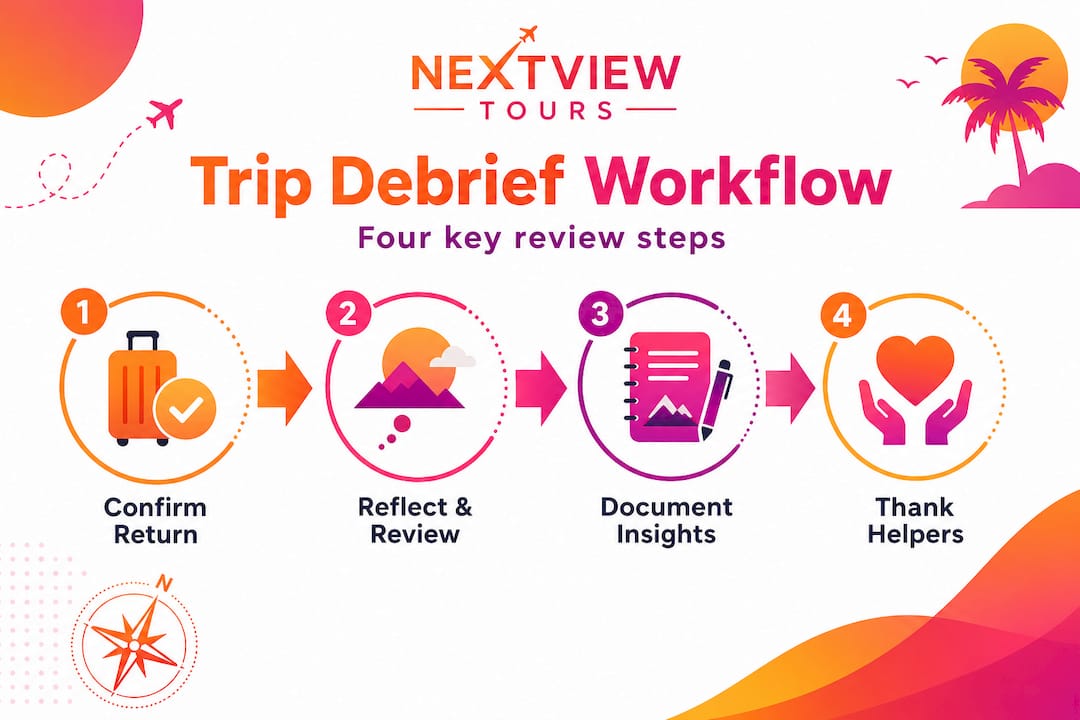
Start by confirming your return with your emergency contact. This sounds obvious, but failing to do it means your contact may trigger a search and rescue response when none is needed. Close the loop within one hour of getting back to cell coverage.
Then sit down within 48 hours, while details are fresh, and work through these questions. What worked in your outdoor trip logistics? Where did the itinerary feel too tight or too loose? Did your gear system hold up, or did something critical fall short? Which environmental protocols were harder to follow than expected?
Document your findings somewhere you will actually use them again. A shared notes file, a trip journal, or even an updated version of your original adventure planning checklist all work. The goal is a living document that gets smarter with every trip you take.
Pro Tip: If a local guide or ranger helped you during the trip, send them a brief note about your experience, what you found on the trail, and any hazards worth noting. This builds reciprocal relationships that often result in better local knowledge on future trips.
Revisit your skill development too. Did this trip reveal a gap, steep technical terrain, river crossings, altitude management? Plan your next eco-adventure trip tips around addressing that gap rather than avoiding it. Growth in adventure travel is a long game, and your planning system should grow with you.
My honest take on what actually makes trips work
I’ve planned and experienced enough nature-based adventures to know that the biggest enemy of a great trip is not bad weather or difficult terrain. It is overconfidence in an incomplete plan.
I’ve seen groups spend weeks researching gear but spend 20 minutes on permit logistics, only to arrive and find their trailhead closed. I’ve also seen first-timers with modest gear have exceptional trips because they built in realistic contingency days and actually talked to the ranger station beforehand. The workflow is not bureaucracy. It is respect for the complexity of what you are attempting.
What I tell people who are building their first real planning system: stop optimizing for the best-case scenario. Optimize for the second or third worst case. That shift changes how you think about staging nights, satellite devices, and permit hierarchies. It also changes how much you enjoy the trip, because you stop bracing for things to go wrong.
The best nature getaway ideas are not the most dramatic or remote ones. They are the trips where the planning matched the ambition, where the group’s capabilities were honestly assessed, and where the workflow gave everyone confidence to be present in the experience rather than anxious about the logistics.
— Next
Plan your next adventure with Nextviewtours

If building a full nature adventure trips workflow from scratch feels like a lot to take on, Nextviewtours is built for exactly that. Nextviewtours offers a wide range of adventure and nature trip types across Europe, including day trips, multi-day adventures, private tours, and fully customized experiences departing from Vienna, Salzburg, Prague, Budapest, and beyond. Their team handles the permits, transport, local guide coordination, and itinerary structure, so you can focus on showing up ready to explore. For groups who want a personalized approach, customized tour options let you shape the experience around your pace, interests, and skill level. Less logistics headache, more time in the places that matter.
FAQ
How far in advance should I plan a nature adventure trip?
For high-demand destinations, plan 3 to 6 months ahead to secure permits and transport. Less popular areas may need only 2 to 8 weeks, but always verify seasonal closures early.
What should I include in my adventure planning checklist?
A solid checklist covers permits, transport bookings, campsites, a layered gear system across seven core categories, emergency contact information, and a contingency budget of at least 15 percent.
Do I really need a satellite communicator for nature trips?
For any trip in remote terrain without reliable cell service, yes. Two-way satellite messengers dramatically improve rescue coordination by allowing real-time communication about your condition and location.
What is Leave No Trace and why does it matter for my workflow?
Leave No Trace is a set of outdoor ethics that minimize human impact on natural areas. Following its protocols, including proper waste disposal and site selection, protects access for all future visitors and is often legally required in permitted areas.
Can I adjust my itinerary mid-trip if conditions change?
Yes, and you should treat flexibility as part of the plan rather than a failure of it. Adjust routes to respect permit boundaries and environmental regulations, and always communicate changes to your emergency contact before proceeding.


Comments are closed