
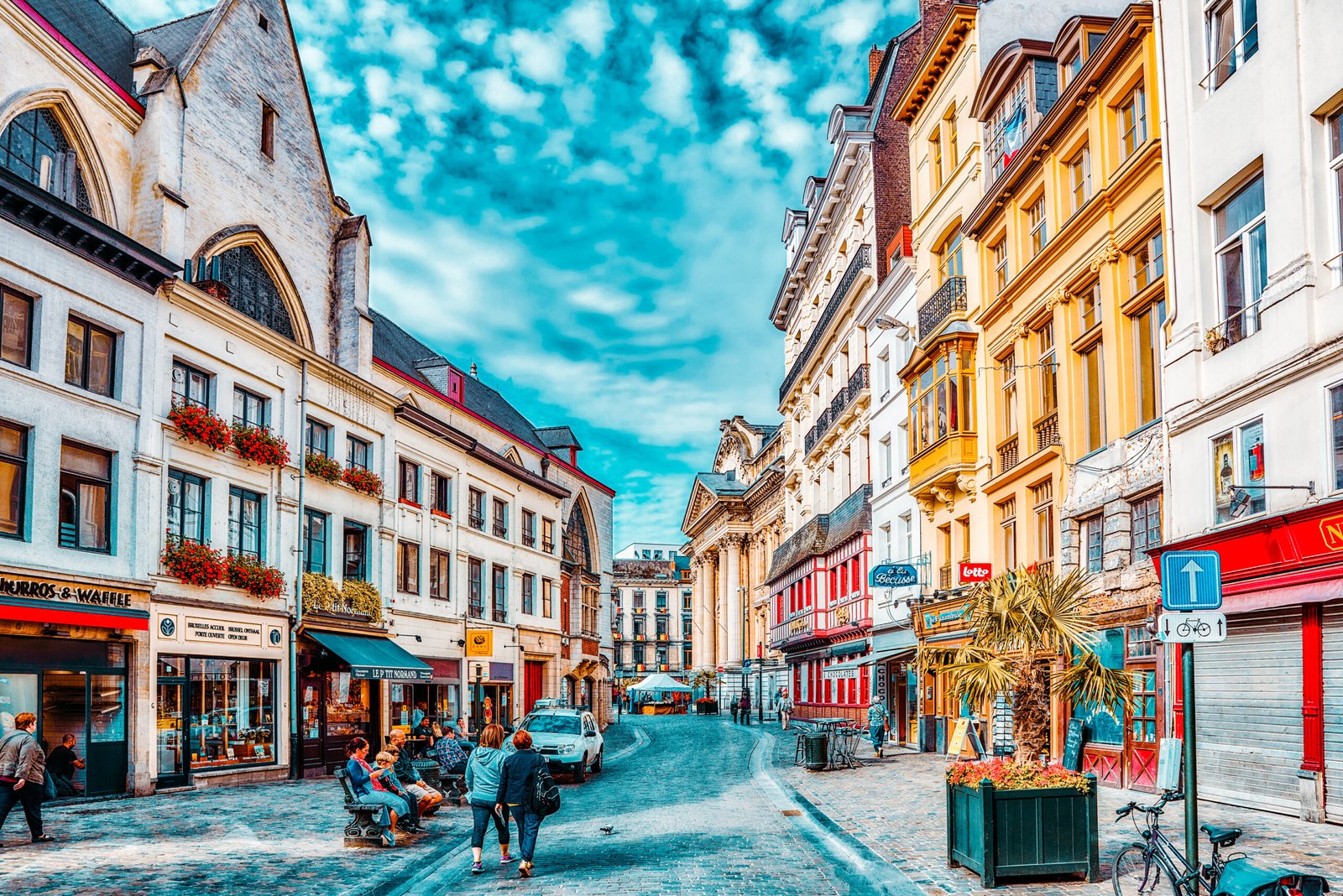
 Adventure Tours
Planning a summer trip to Europe is exciting, but it can quickly become overwhelming. Between unpredictable weather, crowded destinations, and practical challenges like hydration or sun exposure, even experienced travelers can feel unprepared. You want to make the most of every day, enjoy genuine local experiences, and avoid avoidable travel mishaps.
This guide is packed with practical, proven strategies to help you travel smarter across Europe during the busy summer months. You’ll discover how to pack for any climate, beat the crowds, stay refreshed, and stretch your budget for unforgettable moments.
Get ready to unlock expert tips and little-known travel hacks that will save you time, money, and stress. Each insight will help you enjoy a smoother, safer, and more rewarding European adventure.
Table of Contents
- Pack Smart For Diverse European Weather
- Choose The Best Off-Peak Sightseeing Times
- Stay Hydrated And Find Water Refills Easily
- Use Efficient Train And Public Transport Options
- Protect Yourself From The Summer Sun
- Book Key Experiences And Visits In Advance
- Explore Local Cuisine Safely And Affordably
Quick Summary
| Takeaway | Explanation |
|---|---|
| 1. Pack versatile clothing | Choose lightweight, breathable fabrics that layer well to adapt to various weather conditions throughout Europe. |
| 2. Travel during off-peak seasons | Visit between April to June or September to November for fewer crowds, better prices, and a more authentic experience. |
| 3. Stay hydrated easily | Carry a reusable water bottle and locate public refill stations in cities to maintain hydration on the go. |
| 4. Use public transport efficiently | Research transport options, purchase passes in advance, and download apps to navigate and save money on travel. |
| 5. Book attractions ahead of time | Make reservations for popular spots to ensure entry and avoid long wait times during busy tourist seasons. |
1. Pack Smart for Diverse European Weather
Navigating European summer travel demands strategic packing that accommodates the continent’s wonderfully unpredictable climate. Your wardrobe needs to be a versatile toolkit ready to handle everything from Mediterranean heat waves to alpine temperature drops.
Understanding European weather requires a mix and match approach to clothing. According to packing experts, travelers should prioritize lightweight, breathable fabrics that layer easily. Cotton and linen become your best friends for warm destinations, while thin merino wool pieces provide incredible temperature regulation.
The key is selecting pieces that serve multiple purposes. A lightweight cardigan can transform a summer dress for evening coolness. Convertible pants that zip into shorts offer flexibility across different environments. Pack neutral colors that coordinate seamlessly let you create multiple outfits from minimal items.
Pay special attention to fabric weight and texture. Lightweight materials that dry quickly and resist wrinkles will serve you better than heavy, high maintenance clothing. Think performance travel wear that looks stylish but functions practically across varied European landscapes.
Pro tip: Roll your clothes instead of folding to maximize suitcase space and minimize wrinkles while traveling through Europe.
2. Choose the Best Off-Peak Sightseeing Times
Navigating European travel is all about timing your adventure when crowds thin out and experiences become more authentic. Discovering the magic of off-peak travel can transform your summer European journey from a stressful tourist parade to an intimate cultural exploration.
Off-peak seasons offer travelers significant strategic advantages. Shoulder season travel provides remarkable opportunities to experience destinations without the summer crush of tourists. Spring and autumn emerge as golden windows for European exploration, characterized by mild temperatures and dramatically reduced crowd levels.
Key Off-Peak Travel Benefits:
• Lower accommodation prices
• More spacious and accessible attractions
• Authentic local interactions
• Comfortable walking and sightseeing conditions
Timing is everything when planning your European adventure. The periods between April to June and September to November represent optimal travel windows. During these months, you will encounter fewer tourists, enjoy more reasonable prices, and experience destinations in their most genuine state.
Strategic travelers understand that midweek travel can provide additional advantages. Museums, attractions, and restaurants are typically less crowded, allowing for more immersive experiences. Many European cities offer discounted rates for accommodations and attractions during these quieter periods.
Pro tip: Research each specific country’s holiday calendar and local events to pinpoint the most serene travel windows for your specific destinations.
3. Stay Hydrated and Find Water Refills Easily
Surviving a European summer adventure requires more than just enthusiasm you also need a smart hydration strategy. Navigating unfamiliar cities while keeping yourself comfortably hydrated can be a game changer for your travel experience.
Modern European cities have embraced sustainable hydration solutions. Water refill stations are increasingly common in public spaces, transportation hubs, and tourist areas. Carrying a reusable water bottle is not just environmentally responsible but also a practical travel hack.
Hydration Strategies for European Travel:
• Pack a lightweight reusable water bottle
• Learn to identify public drinking fountains
• Ask restaurants about free tap water
• Check for water refill points near major attractions
Understanding local water etiquette is crucial. In most European countries, tap water is safe to drink. Restaurants will typically provide tap water if you request it, though some may offer it in a carafe. Public drinking fountains are often clean and well maintained, providing free water throughout cities.
When exploring, look for these water sources in parks, near tourist information centers, and around public transportation stops. Some cities even have dedicated water refill apps that help travelers locate the nearest fountain or station.
Pro tip: Invest in a collapsible water bottle with a built in filter for maximum flexibility and peace of mind during your European travels.
4. Use Efficient Train and Public Transport Options
European travel is synonymous with seamless public transportation that can transform your journey from exhausting to exhilarating. Mastering the continent’s transport network will save you time money and energy while providing an authentic travel experience.
Rail infrastructure developments are revolutionizing travel across Europe. The European Union is actively working to enhance cross border rail connections making train travel faster more convenient and environmentally friendly.
Strategic Transportation Tips:
• Research multi country train passes
• Download transportation apps for real time updates
• Learn basic local transport navigation
• Consider regional travel cards
The beauty of European public transport lies in its comprehensive coverage. Metro systems in major cities provide lightning fast urban transit while train networks connect countries with remarkable efficiency. Options like Eurail passes allow travelers to explore multiple destinations without the hassle of individual ticket purchases.
Budget conscious travelers will appreciate the flexibility of bus services and regional trains that reach smaller towns often overlooked by major transit routes. Many cities offer integrated transport systems where a single ticket can be used across buses metros and trams.
Pro tip: Purchase a digital travel pass before arriving and download offline maps to navigate public transport systems with confidence and ease.
5. Protect Yourself From the Summer Sun
European summer adventures come with glorious sunshine that can quickly turn from delightful to dangerous without proper protection. Understanding how to shield yourself from ultraviolet radiation is crucial for enjoying your travels safely and comfortably.
Ultraviolet radiation risks vary dramatically across different European regions. The intensity depends on factors like time of day latitude and altitude making personalized sun protection essential for every traveler.
Sun Safety Essentials:
• Use SPF 30+ broad spectrum sunscreen
• Reapply sunscreen every two hours
• Wear UV protective clothing
• Bring wide brimmed hat and sunglasses
• Seek shade during peak sun hours
Choosing the right sunscreen matters more than you might think. Look for broad spectrum protection that guards against both UVA and UVB rays. Apply generously to all exposed skin including often forgotten areas like ears neck and tops of feet. Lightweight long sleeved shirts and breathable UV protective clothing can provide an extra layer of defense.
Timing your outdoor activities can make a significant difference. The most intense sun exposure occurs between 11am and 3pm when UV radiation peaks. Planning museum visits or indoor activities during these hours can help you avoid potential sunburn and heat exhaustion.
Pro tip: Download a free UV index app to track local sun intensity and plan your daily outdoor activities with precision and safety.
6. Book Key Experiences and Visits in Advance
Summer travel in Europe demands strategic planning especially when it comes to must see attractions and experiences. Your dream vacation can quickly unravel without thoughtful preparation and timely reservations.
Advanced trip planning transforms potential travel chaos into a smooth memorable journey. Peak tourist season in Europe means popular attractions sell out rapidly and spontaneous travelers often miss incredible opportunities.
Advance Booking Strategies:
• Reserve museum tickets online
• Book popular walking tours early
• Secure accommodation in central locations
• Check attraction entry requirements
• Consider skip the line passes
Most iconic European destinations like the Louvre in Paris the Vatican Museums in Rome and the Anne Frank House in Amsterdam have limited daily visitor capacities. Online reservations not only guarantee entry but often provide discounted rates and specific time slot selections.
Digital platforms and official tourism websites make advance booking incredibly convenient. Many attractions offer mobile tickets which can be stored directly on your smartphone eliminating print requirements and reducing travel complications.
Pro tip: Create a digital folder on your phone with all pre booked tickets and reservation confirmations to ensure quick and easy access during your European adventure.
7. Explore Local Cuisine Safely and Affordably
Experiencing European cuisine goes far beyond simple sustenance it represents a gateway to understanding local culture and traditions. Your culinary adventure can be both delicious and budget friendly with the right approach.
Exploring local food culture transforms travel from mere sightseeing to an immersive sensory experience. Understanding how to navigate regional culinary landscapes can save money while creating unforgettable memories.
Budget Friendly Culinary Strategies:
• Visit local fresh produce markets
• Shop at neighborhood bakeries
• Create picnic meals from local ingredients
• Seek out family owned restaurants
• Avoid tourist centered dining areas
Local markets offer an incredible opportunity to sample authentic regional ingredients at a fraction of restaurant prices. Fresh breads cheeses fruits and prepared foods can be assembled into delightful meals that cost significantly less than traditional restaurant dining. Many European cities have vibrant market cultures where locals shop daily allowing travelers to experience genuine food traditions.
Street food and casual eateries provide another excellent avenue for affordable authentic dining. Small cafes family run restaurants and market stalls often serve traditional dishes at reasonable prices while offering a more genuine cultural experience than expensive tourist restaurants.
Pro tip: Learn a few basic phrases in the local language to help you navigate food purchases and show respect for local culinary traditions.
Below is a comprehensive table summarizing the travel strategies and tips discussed throughout the article for a successful European summer adventure.
| Strategy | Implementation | Expected Benefit |
|---|---|---|
| Pack Versatile for Weather | Utilize lightweight, breathable, and layerable fabrics like cotton, linen, and thin merino wool for diverse climates. Use space-saving packing techniques like rolling clothes. | Comfortable and adaptable clothing for varying temperatures with efficient packing methods. |
| Travel During Off-Peak Times | Plan visits during shoulder seasons (April–June or September–November) and midweek. Research local holidays and events to avoid crowds. | Reduced crowds, lower costs, and a more authentic cultural experience. |
| Maintain Hydration | Carry a reusable water bottle, utilize water refill stations, and inquire about tap water availability. | Sustained hydration and reduced environmental impact while traveling. |
| Use Efficient Transportation | Research and utilize flexible transportation passes for trains and public transit systems. Download apps for navigation assistance. | Cost-effective and convenient travel across cities and regions with ease of planning. |
| Protect From Sun Exposure | Apply SPF 30+ sunscreen, wear UV-protective clothing, and schedule outdoor activities during non-peak sun hours. | Reduced risk of sunburn and heat-related health issues during outdoor adventures. |
| Secure Key Attractions in Advance | Book tickets for popular sites, tours, and accommodations early through official platforms. Organize digital documents for easy access. | Guaranteed access to desired attractions and reduced wait times. |
| Explore Cuisine Economically and Safely | Visit local markets for fresh produce, sample street food, and choose family-owned eateries. | Budget-friendly, authentic culinary experiences showcasing regional specialties. |
Make Your European Summer Adventure Unforgettable with Next View Tours
Packing smart and choosing the best sightseeing times can be overwhelming when planning your European summer trip. Whether you want to beat the crowds during off-peak seasons or explore diverse landscapes with ease, selecting the right tours and experiences that match your travel goals is key to enjoying your adventure without stress. Next View Tours understands these traveler challenges and offers expertly crafted options that simplify your journey while helping you fully immerse yourself in European culture and nature.
Discover unforgettable experiences with our Adventure Tours – Next View Tours that blend thrill and nature under expert guidance. Visual proof of how smooth and enriching your exploration can be awaits you here.
Ready to transform your plans into the ultimate European summer adventure Take advantage of carefully designed day trips, multi day trips, and customized tours across iconic cities like Vienna, Salzburg, and Prague. Don’t miss the chance to secure your spot early and enjoy local hidden gems with ease. Visit Next View Tours today and begin your journey toward an epic summer filled with wonder and discovery.
Frequently Asked Questions
What should I pack for unpredictable weather in Europe during the summer?
To handle diverse weather, pack versatile clothing made from lightweight, breathable fabrics. Focus on items that can be layered and mixed, such as a lightweight cardigan or convertible pants to adapt to both warm and chilly conditions.
How can I find the best times to visit popular attractions during the summer?
To avoid crowds, visit attractions during off-peak times, typically in the late morning or midweek. Planning your visit from April to June or September to November can also help you experience destinations with fewer tourists and more authentic interactions.
What are effective hydration strategies while traveling in Europe?
Carry a lightweight reusable water bottle to refill at public drinking fountains. Research and identify water refill stations in advance, or ask restaurants for complimentary tap water to stay hydrated throughout your journey.
How can I navigate public transportation efficiently in European cities?
Familiarize yourself with the local transport systems before you arrive. Consider downloading transportation apps for real-time updates and look into regional travel cards or multi-country train passes to save time and money.
What sun protection measures should I take during summer travel in Europe?
Use sunscreen with at least SPF 30 and reapply it every two hours, especially when outdoors. To minimize sun exposure, schedule outdoor activities during cooler parts of the day and wear UV protective clothing, a wide-brimmed hat, and sunglasses.
What are the benefits of booking popular attractions in advance?
Booking tickets in advance secures your entry to popular attractions and often provides discounts. Plan your visits by reserving museum tickets, tours, and accommodations ahead of time to avoid long lines and sold-out experiences.
Recommended
- 7 Essential Summer Trip Options Europe Travelers Should Know – Next View Tours
- Summer Tours Europe Explained: Choosing the Right Adventure – Next View Tours
- Adventure Trip Planning Guide for Epic European Tours – Next View Tours
- 7 Smart Customised Tour Ideas for Your Next European Adventure – Next View Tours


Comments are closed