
 Adventure Tours
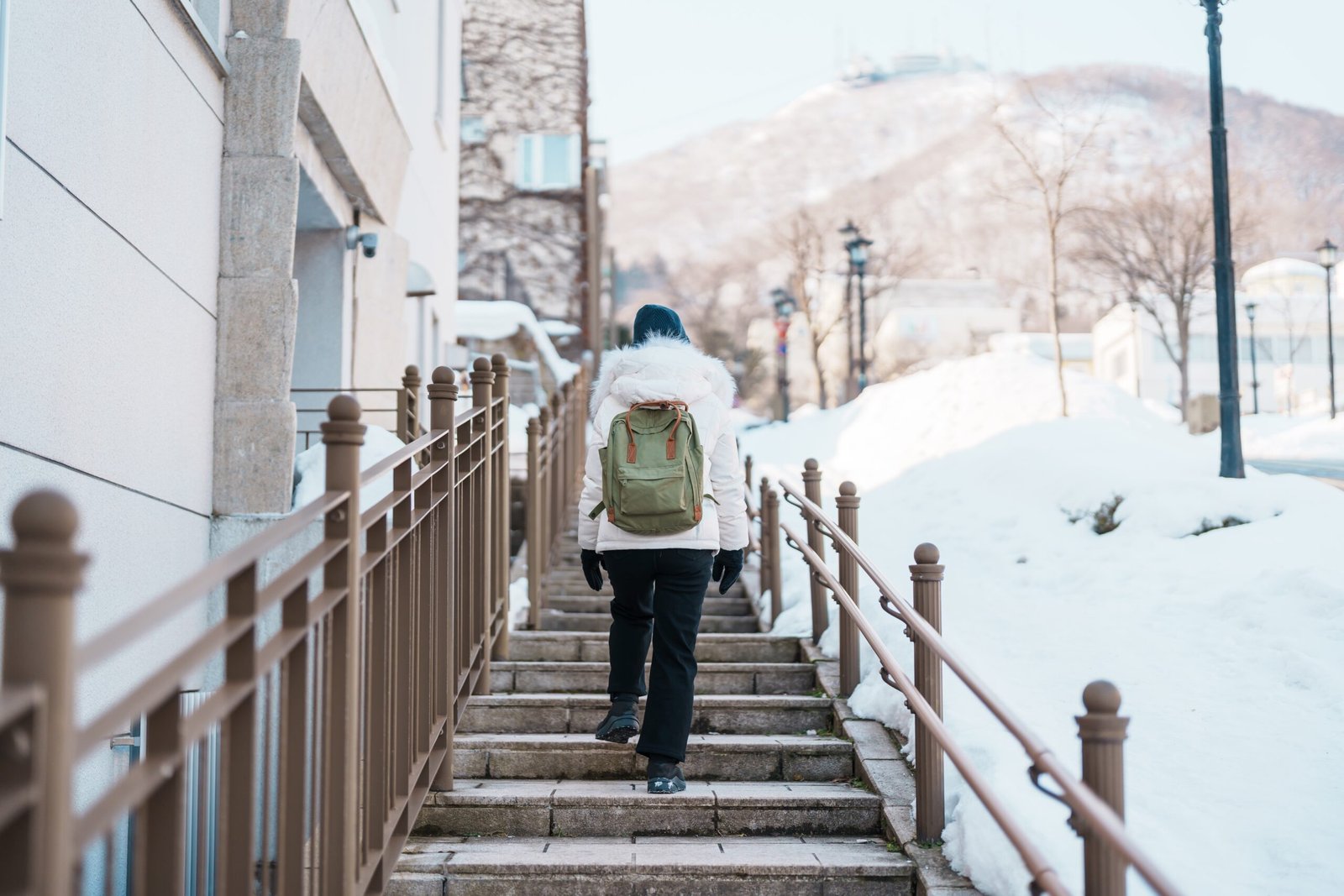
Traveling through Europe in winter brings special rewards, but it also demands careful planning. Cold temperatures, unpredictable weather, and unfamiliar transportation rules can easily catch you off guard if you are not prepared. Packing for both comfort and safety can seem overwhelming, especially when every country sets its own winter travel expectations.
The good news is that you can stay warm, safe, and stress-free throughout your trip by knowing exactly what works and what to watch for. This guide lays out clear steps to handle European winter conditions, from strategic clothing layers to the right shoes, transport safety, and even local culinary experiences.
Get ready to unlock proven tips that will help you pack smarter, move confidently, and fully enjoy every winter moment across Europe. Each insight will give you a specific solution you can use right away.
Table of Contents
- 1. Pack Warm and Layered Clothing for Every Activity
- 2. Choose Travel-Friendly Winter Footwear
- 3. Stay Safe with Europe’s Winter Transport Tips
- 4. Plan Your Itinerary Around Daylight Hours
- 5. Find Budget Deals on Winter Attractions
- 6. Sample Local Winter Foods and Drinks
- 7. Prepare for Sudden Weather Changes
Quick Summary
| Takeaway | Explanation |
|---|---|
| 1. Layering is essential for winter comfort. | Use a moisture-wicking base layer, insulating mid layer, and waterproof outer layer for adaptability to varying temperatures. |
| 2. Choose versatile winter footwear. | Select waterproof, insulated shoes with good traction, and bring two pairs for different settings to ensure comfort and safety. |
| 3. Plan activities around daylight hours. | Schedule outdoor adventures during mid-morning to early afternoon, and prioritize indoor attractions later to maximize daylight use. |
| 4. Be prepared for sudden weather changes. | Stay flexible and informed by using weather apps and carrying emergency supplies to adapt to rapidly changing conditions. |
| 5. Look for budget-friendly travel options. | Visit Eastern European cities during low season for excellent deals on accommodations and attractions, including free local events. |
1. Pack Warm and Layered Clothing for Every Activity
Winter travel in Europe demands strategic clothing preparation to keep you comfortable and protected from the cold. Mastering the art of layering is your secret weapon against unpredictable winter temperatures and diverse activity levels.
Layering isn’t just about throwing on multiple items of clothing it’s a scientific approach to temperature management. The goal is creating a clothing system that adapts to changing conditions. Start with a moisture-wicking thermal base layer that sits directly against your skin and pulls sweat away to keep you dry.
Key Layering Components
- Base Layer: Lightweight thermal underwear or compression shirts made from synthetic materials or merino wool
- Mid Layer: Insulating sweaters made from wool or fleece that trap warm air next to your body
- Outer Layer: Waterproof and windproof jacket that protects against harsh winter elements
Your clothing strategy should account for multiple scenarios. When exploring European winter destinations, you might transition from chilly outdoor walking tours to heated museums or cozy restaurants. Layering allows you to add or remove pieces quickly without carrying multiple outfits.
Effective winter travel clothing is about versatility not bulk.
Choose pieces that can be mixed and matched with neutral colors. Dark blues, grays, and blacks are not only practical for hiding potential travel wear but also help you blend in with European winter fashion.
Pro tip: Pack lightweight thermal leggings or long underwear that can be worn discreetly under jeans or travel pants for extra warmth without sacrificing style.
2. Choose Travel-Friendly Winter Footwear
Winter travel in Europe demands more than just stylish footwear. Your shoes are your primary defense against cold temperatures wet conditions and unpredictable urban and rural terrain. Selecting the right winter footwear can make the difference between a comfortable adventure and a miserable experience.
The ideal winter travel shoe combines protection performance and versatility. When exploring European cities or countryside during winter you need footwear that handles multiple environments. Winter boots for travel should offer several critical features to keep you comfortable and safe.
Essential Winter Footwear Features
- Waterproofing: Gore-Tex or similar membranes that repel moisture
- Insulation: Fleece or wool lining to retain body heat
- Traction: Rugged non-slip soles for icy and wet surfaces
- Comfort: Supportive insoles for extended walking
Consider bringing two pairs of winter shoes. One pair of heavy-duty waterproof boots for outdoor activities and another pair of stylish ankle boots for indoor settings or less challenging terrain. Brands like Sorel and Columbia specialize in winter footwear designed for harsh conditions.
Warm dry feet are the foundation of an enjoyable winter travel experience.
Pay special attention to sock selection. Merino wool socks provide superior warmth and moisture management compared to traditional cotton options. They help regulate temperature and prevent blisters during long days of walking and exploring.
Pro tip: Pack shoe inserts or thermal insoles to add an extra layer of warmth and comfort to your winter travel footwear.
3. Stay Safe with Europe’s Winter Transport Tips
Navigating European transportation during winter requires more than just a sense of adventure. Cold weather introduces unique challenges that demand careful preparation and strategic planning to ensure safe and smooth travel across the continent.
European countries have diverse and complex winter transportation regulations that vary significantly between regions. Winter driving safety involves understanding local rules and being prepared for rapidly changing conditions.
Essential Winter Transport Precautions
- Vehicle Preparation: Install winter tires and carry snow chains
- Emergency Equipment: Pack blankets, food, and extra warm clothing
- Communication: Use hands-free devices for mobile communication
- Navigation: Monitor weather forecasts and road condition updates
Mountainous regions often have strict requirements for winter driving. Many countries mandate specific tire types and require drivers to carry emergency supplies. Speed must be adjusted for icy roads and snow-covered surfaces to prevent accidents.
Preparedness is the key to safe winter transportation in Europe.
Public transportation can also be affected by winter conditions. Trains and buses might experience delays or schedule changes during severe weather. Always check your route in advance and build extra time into your travel plans for potential disruptions.
Pro tip: Download offline maps and translation apps to help navigate unexpected transportation challenges in remote winter locations.
4. Plan Your Itinerary Around Daylight Hours
European winters bring a unique challenge for travelers short daylight hours that dramatically reshape travel planning. Understanding and adapting to these condensed periods of sunlight is crucial for maximizing your winter adventure and ensuring safety.
Winter travel daylight conditions can be surprisingly limited particularly in northern regions where darkness falls as early as 4 pm. This significant reduction in natural light requires strategic and thoughtful trip planning.
Daylight Planning Strategies
- Outdoor Activities: Schedule sightseeing during mid-morning to early afternoon
- Indoor Attractions: Plan museum visits museum visits and indoor experiences for late afternoon and evening
- Travel Routes: Prioritize driving during peak daylight hours
- Photography: Capture landscapes during limited golden hours
Northern European countries like Norway Sweden and Finland experience the most extreme daylight variations. In these locations winter days can be incredibly short with only 4-6 hours of usable sunlight. Your itinerary must be flexible and compact to make the most of available daylight.
Sunlight is your most precious resource during winter European travel.
Make smart choices about destination sequencing. Cities located further south like Rome Madrid or Barcelona offer longer daylight windows and more comfortable winter exploration conditions compared to Nordic destinations.
Pro tip: Invest in a good headlamp and compact flashlight to extend your effective exploration time and navigate safely during early evening hours.
5. Find Budget Deals on Winter Attractions
Traveling through Europe during winter doesn’t mean emptying your wallet. Smart travelers know that the coldest season can actually offer some of the most affordable and memorable experiences across the continent.
Budget winter travel strategies reveal numerous opportunities to explore without breaking the bank. The key is understanding where and how to find exceptional deals during the low season.
Money-Saving Winter Travel Strategies
- Destination Selection: Focus on Eastern European cities like Budapest and Krakow
- Timing: Book travel outside major holiday periods
- Transportation: Use budget airlines and train passes
- Accommodations: Look for off-season discounts at hotels and hostels
- Attractions: Seek free walking tours and discounted museum entries
Eastern European destinations offer remarkable value during winter. Cities like Brasov in Romania and Ljubljana in Slovenia provide stunning winter landscapes combined with significantly lower travel costs. Many museums offer reduced winter rates making cultural exploration more accessible.
Smart travelers transform winter limitations into budget-friendly opportunities.
Public transportation and walking tours become excellent ways to experience cities without spending much. Many European Christmas markets are free to explore providing rich cultural experiences at no cost.
Pro tip: Sign up for budget travel newsletters and follow local tourism boards on social media to uncover flash sales and last-minute winter attraction discounts.
6. Sample Local Winter Foods and Drinks
Winter in Europe is a culinary journey that warms both body and soul. Traditional foods and drinks are not just sustenance they are a gateway to understanding local culture and regional heritage.
Winter culinary traditions reveal the incredible diversity of European cuisine during the coldest months. Each region offers unique flavors that reflect generations of adaptation to harsh winter conditions.
Regional Winter Culinary Highlights
- Central Europe: Hearty goulash and mulled wine
- Germany: Traditional Glühwein and roasted chestnuts
- Switzerland: Rich cheese fondue and warming raclette
- Portugal: Sweet pastries and hot chocolate
- Spain: Churros and thick hot chocolate
Christmas markets become extraordinary culinary destinations where travelers can sample authentic regional specialties. These festive markets offer more than just food they provide immersive cultural experiences that connect you directly with local traditions.
Food is the passport to understanding cultural heritage.
Don’t just eat the food learn its story. Ask local vendors about traditional preparation methods and the significance of specific dishes. Each bite tells a narrative of survival resilience and community.
Pro tip: Carry a small phrase book or translation app to help you confidently order and discuss local winter dishes with vendors and restaurant staff.
7. Prepare for Sudden Weather Changes
European winter weather is notorious for its dramatic and unpredictable nature. One moment you might be walking through a crisp sunny landscape the next facing an unexpected snowstorm or freezing rain that transforms the entire environment.
Winter safety strategies are crucial for travelers navigating the complex climate of European winter destinations. Understanding how to adapt quickly can mean the difference between an uncomfortable experience and a memorable adventure.
Essential Weather Preparedness Strategies
- Clothing: Use layered clothing for easy temperature adaptation
- Technology: Download reliable weather tracking apps
- Emergency Gear: Carry compact emergency supplies
- Transportation: Check local road condition updates frequently
- Communication: Learn basic local weather terminology
Regional variations make weather prediction challenging. Alpine regions like Switzerland and Austria can experience rapid temperature drops while coastal areas might have milder but equally unpredictable conditions. Your preparedness toolkit should include both physical and digital resources.
Flexibility is your greatest asset when traveling through winter landscapes.
Mobile technology offers incredible advantages for real-time weather monitoring. Local weather apps provide hyper-local forecasts that national services might miss giving you a critical edge in planning your daily activities.
Pro tip: Purchase a lightweight waterproof jacket with removable insulation that allows you to quickly adjust to changing weather conditions without carrying multiple clothing items.
Below is a comprehensive table summarizing the main recommendations and strategies discussed throughout the article for winter travel in Europe.
| Topic | Recommendations | Key Benefits |
|---|---|---|
| Clothing for Winter Travel | Use a layered clothing system, including base, mid, and outer layers. | Enables adaptability to different temperatures and activity levels. |
| Ideal Winter Footwear | Select waterproof, insulated, and comfortable shoes; consider bringing extra pairs for different activities. | Keeps feet warm and dry, ensuring comfort during extended wear. |
| Transportation Preparation | Install winter tires, carry emergency supplies, and plan routes with daylight. | Enhances safety and reliability during travel through diverse weather and road conditions. |
| Adapting to Daylight Hours | Organize activities to align with short daylight windows, prioritizing outdoor activities earlier in the day. | Maximizes sightseeing opportunities and ensures safety. |
| Managing a Budget | Select cost-effective destinations, travel offseason, and seek discounts on transportation and attractions. | Reduces expenses while enhancing the richness of the travel experience. |
| Exploring Winter Cuisine | Sample regional winter specialties at local eateries and festive markets. | Provides cultural exploration and warmth through hearty meals and seasonal treats. |
| Preparing for Weather | Use technology for weather forecasts and carry adaptable clothing and emergency gear. | Encourages readiness for sudden climate changes and unexpected travel challenges. |
Discover Your Perfect Winter Adventure with Next View Tours
Traveling across Europe in winter can present unexpected challenges such as sudden weather changes, limited daylight hours, and navigating cold urban environments. Your goal is to experience the magic of winter without sacrificing comfort or safety. The article emphasizes key concepts like layering your clothing for warmth, choosing reliable winter footwear, and planning your itinerary around daylight hours to maximize every moment of your trip.
Next View Tours specializes in turning these challenges into unforgettable experiences by offering expertly crafted Adventure Tours and immersive City Tours perfectly suited for winter travelers.

Ready to embrace winter in Europe with confidence and ease Explore our wide range of customizable tours that cover iconic winter destinations like Vienna, Salzburg, Prague, and Budapest. Visit Next View Tours today to find your ideal winter trip and book now to secure your place before the season fills up.
Frequently Asked Questions
What should I pack for winter travel in Europe?
You’ll want to pack moisture-wicking thermal base layers, insulating mid layers, and waterproof outer layers for winter travel in Europe. Prioritize versatile clothing that you can layer up or down depending on the temperature and activity, and consider colors that are easy to mix and match.
How do I choose the right winter footwear for traveling in Europe?
Select winter footwear that is waterproof, insulated, and has excellent traction for icy conditions. Consider bringing two pairs: one for outdoor activities and another for indoor use, ensuring you stay comfortable and stylish while exploring.
What transportation tips should I follow during winter trips in Europe?
Ensure your vehicle is prepared with winter tires and emergency supplies if driving, and stay updated on weather conditions. If using public transport, check schedules and routes frequently, as winter weather can cause delays.
How can I maximize my travel itinerary during the limited daylight hours in winter?
Schedule outdoor activities for mid-morning to early afternoon when daylight is at its best, and plan indoor attractions for late afternoon and evening. Prioritize sightseeing during peak daylight to make the most of your time in Europe.
What are some budget-friendly strategies for winter attractions in Europe?
Focus on Eastern European destinations, book timings outside of major holiday periods, and seek free attractions to save money. Look for off-season accommodations and discounted museum entries to keep costs low while enjoying the local culture.
How can I prepare for sudden weather changes while traveling in Europe during winter?
Stay flexible and pack layered clothing that adapts to changing temperatures and conditions. Use reliable weather apps to track local forecasts and carry emergency supplies to ensure you are ready for any weather surprises.
Recommended
- Winter Tours Explained: Unique Adventures in Europe – Next View Tours
- 7 Top Winter Tour Options Europe Travelers Should Know – Next View Tours
- Two Comprehensive Winter Europe Plans – Next View Tours
- 7 Smart Customised Tour Ideas for Your Next European Adventure – Next View Tours
- Getting Around Safely in Northern Sweden: Essential Steps – Guestly Homes
- Escaping the Grey: Where to Find Winter Sun for Wellness, Regeneration – Longevity Travel
- What to Pack Lisbon: Complete Guide for Tourists


Comments are closed