

 Uncategorized
TL;DR:
- Europe offers iconic landmarks, cultural depth, and authentic experiences that are unmatched globally. Planning ahead with early bookings, off-peak travel, and smarter transportation improves your trip’s quality and value. Taking time to explore lesser-known destinations and tailored itineraries ensures a more meaningful and satisfying travel experience.
Europe’s must-do experiences are defined by a combination of iconic landmarks, cultural depth, and authentic local encounters that no other continent replicates. From the Eiffel Tower in Paris to the Colosseum in Rome and the Sagrada Família in Barcelona, the continent holds more world-class sights per square mile than anywhere else on earth. Planning your must do Europe trip in 2026 means thinking beyond the checklist. ETIAS authorization, early booking windows, and balanced tourism strategies now shape how smart travelers approach the continent. This guide gives you the full picture: what to see, where to go off the beaten path, and how to plan without the stress.
1. What are the must-do European landmarks every traveler should visit?
The Eiffel Tower, the Colosseum, and the Sagrada Família are the three landmarks that define Europe’s top attractions in the global imagination. Each one rewards you with layers of history, architecture, and cultural meaning that photos simply cannot capture. Standing beneath the iron lattice of the Eiffel Tower at dusk or walking the ancient floor of the Colosseum connects you to centuries of human ambition in a way that feels immediate and real.
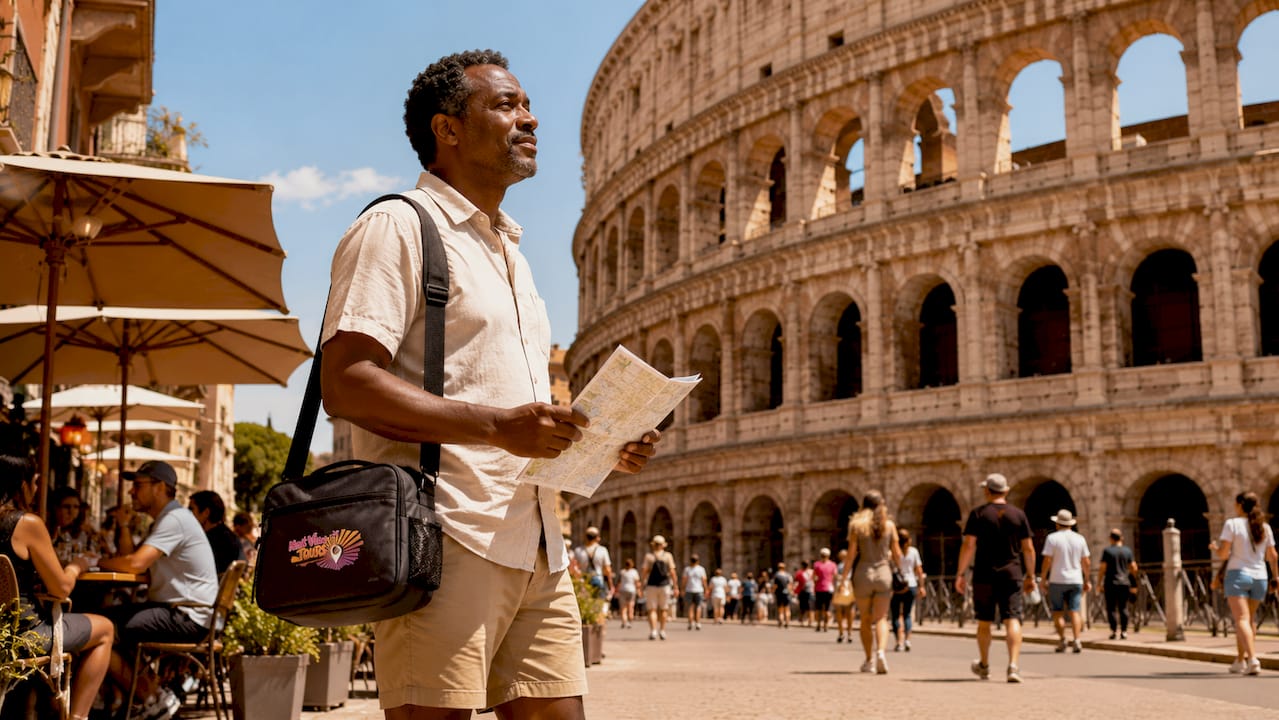
Beyond these three, cities like Vienna, Prague, Budapest, Amsterdam, and Athens each carry their own unmistakable character. Vienna’s imperial palaces and concert halls, Prague’s medieval old town, and Budapest’s thermal baths and riverside parliament building all belong on any serious Europe travel bucket list. These cities reward travelers who stay three to four days rather than rushing through in one afternoon.
Booking lead time matters for summer visits. For peak summer travel, you should secure accommodations and major attraction tickets 6–9 months in advance. That window fills faster than most travelers expect, especially for timed-entry sites like the Uffizi Gallery in Florence or the Anne Frank House in Amsterdam.
Pro Tip: Buy skip-the-line tickets for the Colosseum, Sagrada Família, and Eiffel Tower the moment your travel dates are confirmed. Walk-up queues at these sites can consume two to three hours of your day.
2. Which hidden gems should you add to your Europe travel bucket list?
The best experiences in Europe are not always the most famous ones. Bruges in Belgium delivers medieval canal architecture and world-class chocolate without the crowds of Amsterdam. The Scottish Highlands offer raw, dramatic scenery that rivals anything in the Alps, with far fewer tour buses. Plitvice Lakes National Park in Croatia presents a cascade of turquoise lakes and waterfalls that genuinely stops you in your tracks. Belgrade in Serbia combines a vibrant nightlife scene, fortress history, and some of the most affordable dining on the continent.
Balanced tourism is the most effective 2026 solution to the challenges of crowds, high prices, and heat waves. Visiting secondary cities and off-peak seasons gives you more authentic interactions with locals, shorter lines, and lower costs across the board. The cultural richness of a place like Ghent, Matera, or Kotor often exceeds that of more famous neighbors, simply because the experience has not been packaged for mass consumption.
- Bruges, Belgium: Canal walks, Gothic architecture, and artisan chocolate shops with almost no crowds compared to Brussels
- Scottish Highlands, Scotland: Dramatic glens, lochs, and castles with genuine wilderness and local hospitality
- Plitvice Lakes, Croatia: UNESCO-listed national park with boardwalk trails above impossibly clear turquoise water
- Belgrade, Serbia: Fortress history, riverside nightlife, and outstanding local cuisine at a fraction of Western European prices
- Kotor, Montenegro: A walled medieval city on a bay that rivals the Amalfi Coast without the price tag
Pro Tip: Pair a hidden gem with a major city on the same trip. Combine Vienna with Bratislava, or Barcelona with Tarragona. You get the iconic experience and the authentic one, often within a one-hour train ride.
Local cuisine is one of the strongest reasons to visit secondary destinations. The role of local food in tourism is well documented, and smaller cities tend to preserve regional cooking traditions that larger tourist centers have diluted.
3. How can you plan smarter and travel better across Europe?
Overpacking your itinerary leads directly to travel stress and missed experiences. Focusing on fewer destinations with longer stays produces better satisfaction and more genuine memories. Travelers who try to cover five countries in ten days typically remember airports and train stations more than the places themselves.
Transportation choices shape the entire quality of your trip. Car rentals in European cities create more problems than they solve. Restricted traffic zones, known as ZTLs in Italy, high parking fees, and congestion charges make driving in cities like Rome, Florence, and Barcelona genuinely painful. Rail and bus networks connect most major European cities efficiently and affordably, and they drop you directly into city centers.
Here is a practical planning framework for your Europe trip:
| Planning Area | Smart Choice | What to Avoid |
|---|---|---|
| Transportation | Eurail pass or point-to-point rail tickets | Car rentals in major cities |
| Payment | Multi-currency cards like Wise or Revolut plus some cash | Relying solely on cards in rural areas |
| Booking timing | 6–9 months ahead for summer travel | Walk-up tickets at major attractions |
| Entry requirements | ETIAS authorization before departure | Assuming visa-free entry without checking |
| Itinerary pace | 3–4 days per city minimum | Visiting 5+ countries in under 2 weeks |
For finances, multi-currency digital cards like Wise or Revolut eliminate most foreign exchange fees. Carry some local cash as well, particularly in Southern and Eastern Europe, where smaller markets and family-run restaurants often prefer it.
ETIAS is a new requirement that US, Canadian, and UK travelers must address before arriving. ETIAS authorization costs 7 euros and remains valid for 3 years. It applies to all Schengen Area countries and must be obtained online before you travel. Missing it can mean being turned away at the border.
4. What are the best times of year to experience must-see cities in Europe?
Shoulder seasons deliver the best overall value and experience for most European destinations. May, june, september, and october offer mild weather, manageable crowds, and lower prices compared to the peak july and august window. The Amalfi Coast in september, the tulip fields of the Netherlands in may, and the wine harvest regions of France and Germany in october represent some of the finest travel experiences on the continent.
| Season | Pros | Cons |
|---|---|---|
| May–June | Mild weather, blooming landscapes, fewer crowds | Some attractions still ramp up pricing |
| July–August | Long daylight hours, all attractions open | Peak crowds, heat waves, highest prices |
| September–October | Harvest festivals, warm weather, thinner crowds | Some beach resorts begin closing |
| November–March | Lowest prices, Christmas markets in December | Cold weather, shorter days, some sites closed |
For trip length, one week works well for a single country or region. Two weeks allows you to cover two to three countries comfortably without rushing. The right trip length depends on how many transit days you are willing to absorb. Every travel day between cities costs you half a day of actual exploration.
Booking accommodations and activities early for summer travel is non-negotiable. The 6–9 month booking window applies to hotels, vacation rentals, and timed-entry tickets alike. Waiting until spring to book a july trip to Rome or Santorini means accepting whatever is left.
Key takeaways
Europe’s most rewarding trips combine iconic landmarks with lesser-known destinations, smart booking habits, and a pace that allows genuine connection with each place.
| Point | Details |
|---|---|
| Book early for summer | Secure accommodations and attraction tickets 6–9 months before peak summer travel. |
| Use rail over car rentals | European rail networks are faster and cheaper than driving in most city-to-city routes. |
| Visit shoulder seasons | May, june, september, and october offer the best balance of weather, crowds, and cost. |
| Add hidden gems | Secondary cities like Bruges, Belgrade, and Kotor deliver authenticity and value. |
| Get ETIAS before you fly | US, Canadian, and UK travelers need ETIAS authorization at 7 euros before entering Schengen countries. |
What I have learned from years of guiding European trips
The travelers who get the most out of Europe are not the ones who see the most. They are the ones who slow down enough to actually feel a place. I have watched people rush through the Louvre in 90 minutes and leave feeling vaguely disappointed. I have also watched someone spend an entire afternoon in a single room of the Kunsthistorisches Museum in Vienna and leave genuinely moved.
Trip satisfaction ties to personal travel style far more than to the number of landmarks checked off. A food-focused traveler will get more from a week in Bologna than a week racing between Paris, Rome, and Barcelona. A nature lover will remember the Scottish Highlands longer than any city skyline. Matching your itinerary to what genuinely excites you is the single most reliable way to return home satisfied.
The other thing I tell every traveler: leave room for the unplanned. The best meal I ever had in Prague was at a place with no English menu and no TripAdvisor listing. The most memorable conversation I had in Budapest happened because I missed my tram and sat down at a neighborhood café. Europe rewards curiosity. It punishes rigid schedules. Build your must-do list, then hold it loosely.
Europe can never be fully finished. Every trip reveals new layers and new reasons to return. That is not a problem. That is the point.
— Next
How Nextviewtours helps you build your perfect Europe trip
Planning a trip that balances iconic sights, hidden gems, and the right pace takes real expertise. Nextviewtours designs day trips, multi-day adventures, private tours, and group experiences across Vienna, Salzburg, Prague, Budapest, and destinations throughout Europe. Every itinerary is built around your interests, whether that is history, nature, food, or family travel.
Nextviewtours offers customized tour options that remove the guesswork from European travel planning. From private tours through the Austrian Alps to multi-day trips across Central Europe, the team handles logistics so you focus on the experience. You can also explore multi-day adventure trips built around active, immersive travel that goes well beyond standard sightseeing. If you want a trip that fits your pace and priorities, Nextviewtours is the place to start.
FAQ
What is ETIAS and do I need it for Europe in 2026?
ETIAS is a pre-travel authorization required for visa-exempt travelers, including US, Canadian, and UK citizens, entering Schengen Area countries. It costs 7 euros and is valid for 3 years, and you must apply online before your trip.
How far in advance should I book European attractions?
For summer travel, book accommodations and tickets 6–9 months ahead. Popular sites like the Colosseum, Sagrada Família, and Anne Frank House sell out timed-entry slots months before peak season.
Is it better to visit Europe in summer or shoulder season?
Shoulder season, meaning may, june, september, and october, offers better value, thinner crowds, and more comfortable temperatures than peak summer. July and august bring the highest prices and the longest lines at top attractions.
Should I rent a car in Europe?
Car rentals work well for rural areas and road trips through regions like Tuscany or the Scottish Highlands. In cities, rail and public transport are strongly preferred due to restricted traffic zones, parking costs, and congestion fees.
How many countries should I visit on a two-week Europe trip?
Two to three countries is the right range for a two-week trip. Slower-paced itineraries consistently produce higher satisfaction than rushing through five or more countries in the same time frame.


Comments are closed