

 Uncategorized
Nestled in the scenic region of Vorarlberg, Austria, Bürserschlucht Gorge is a hidden gem for nature enthusiasts and adventure seekers alike. Known for its dramatic landscapes and serene surroundings, this gorge offers an unforgettable escape into the heart of the Alps. From its lush forests to the rushing waters that carve through the rocks, Bürserschlucht is a perfect blend of natural beauty and outdoor adventure.
A Glimpse into History and Geography
Bürserschlucht Gorge is located near the village of Bürs, in the Bludenz district of Vorarlberg. The gorge has been shaped over centuries by the forces of the Alfenz River, which flows through it, creating stunning rock formations and cascading waterfalls. The region’s geology is fascinating, with layers of limestone and sandstone that reveal the area’s ancient origins. Historically, these gorges provided natural pathways and protective landscapes for the local communities, contributing to the unique cultural heritage of the region.
Exploring the Gorge: A Nature Lover’s Paradise
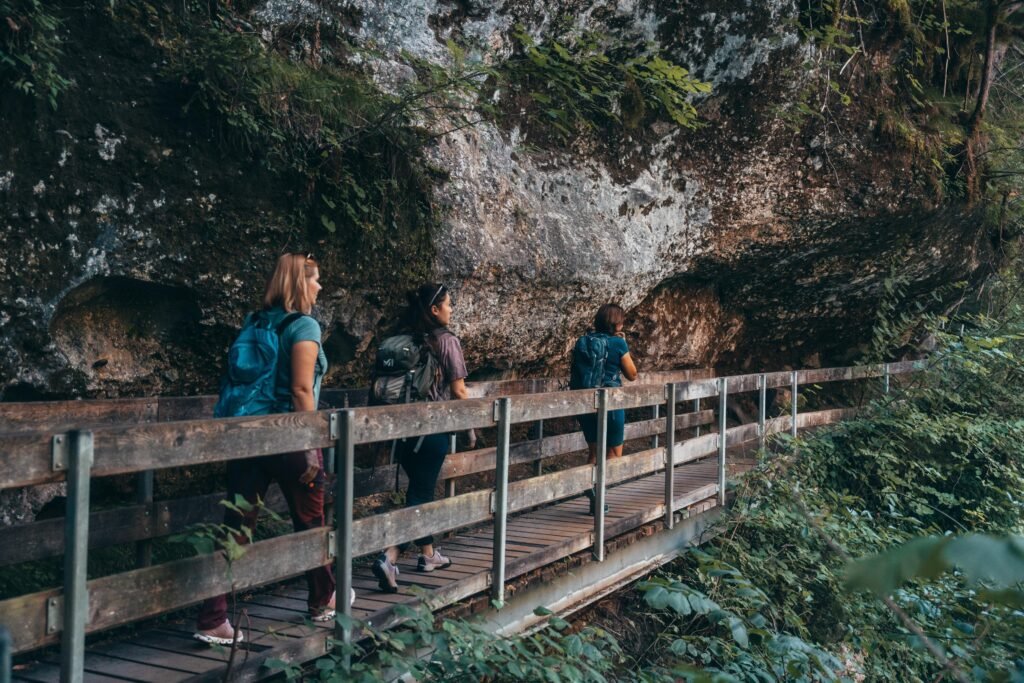
The main attraction of Bürserschlucht is its network of walking and hiking trails. These trails wind through dense forests, over wooden bridges, and along the river, offering breathtaking views at every turn. One of the highlights is the suspension bridges, which allow visitors to traverse parts of the gorge while feeling surrounded by the rushing waters below—a thrilling experience for both casual walkers and hiking enthusiasts.
For those who love a bit of adventure, the gorge offers opportunities for rock climbing and canyoning. The cliffs and rocky formations present a challenge for climbers, while canyoning through the river’s narrow passages provides an adrenaline-pumping way to explore the gorge from a different perspective. Safety is key, and guided tours are recommended for these activities, ensuring that visitors can enjoy the gorge safely.
Flora and Fauna
Bürserschlucht Gorge is home to a rich variety of flora and fauna. The forested slopes are dotted with beech, fir, and spruce trees, while the riverbanks support mosses and ferns. Wildlife enthusiasts may spot red deer, foxes, and a variety of birds, including woodpeckers and owls. The biodiversity makes it a perfect spot for nature photography and quiet observation, offering visitors a peaceful retreat from the bustle of modern life.
Tips for Visiting Bürserschlucht Gorge
The best time to visit Bürserschlucht Gorge is during the spring and summer months, when the water flow is lively, and the forest is at its greenest. Autumn also offers a spectacular display of foliage colors, adding an enchanting backdrop to your hike. Visitors should wear comfortable hiking shoes, bring water, and be prepared for sudden changes in weather, as mountain regions can be unpredictable.
For families and casual visitors, the gorge has well-marked walking paths and resting spots, making it accessible even for children and elderly travelers. Photography enthusiasts will find numerous scenic spots, particularly near waterfalls and along cliff edges. Local guides are available for those who want an in-depth understanding of the gorge’s geology, history, and ecology.

Nearby Attractions
While in the area, travelers can also explore the charming village of Bürs and nearby Bludenz, which is known for its historical buildings, local markets, and cultural festivals. The surrounding region offers other natural attractions, including hiking trails in the Alps, picturesque lakes, and mountain viewpoints, making Bürserschlucht Gorge part of a larger adventure in Vorarlberg.
Conclusion
Bürserschlucht Gorge is a must-visit destination for anyone seeking a combination of natural beauty, outdoor adventure, and tranquility. Its dramatic landscapes, diverse wildlife, and thrilling trails make it an unforgettable experience for hikers, families, and nature lovers alike. Whether you’re looking to immerse yourself in the serene forest, enjoy the adrenaline rush of canyoning, or simply capture the stunning scenery on camera, Bürserschlucht Gorge promises an enriching journey into the heart of Austria’s natural wonders.


Comments are closed