
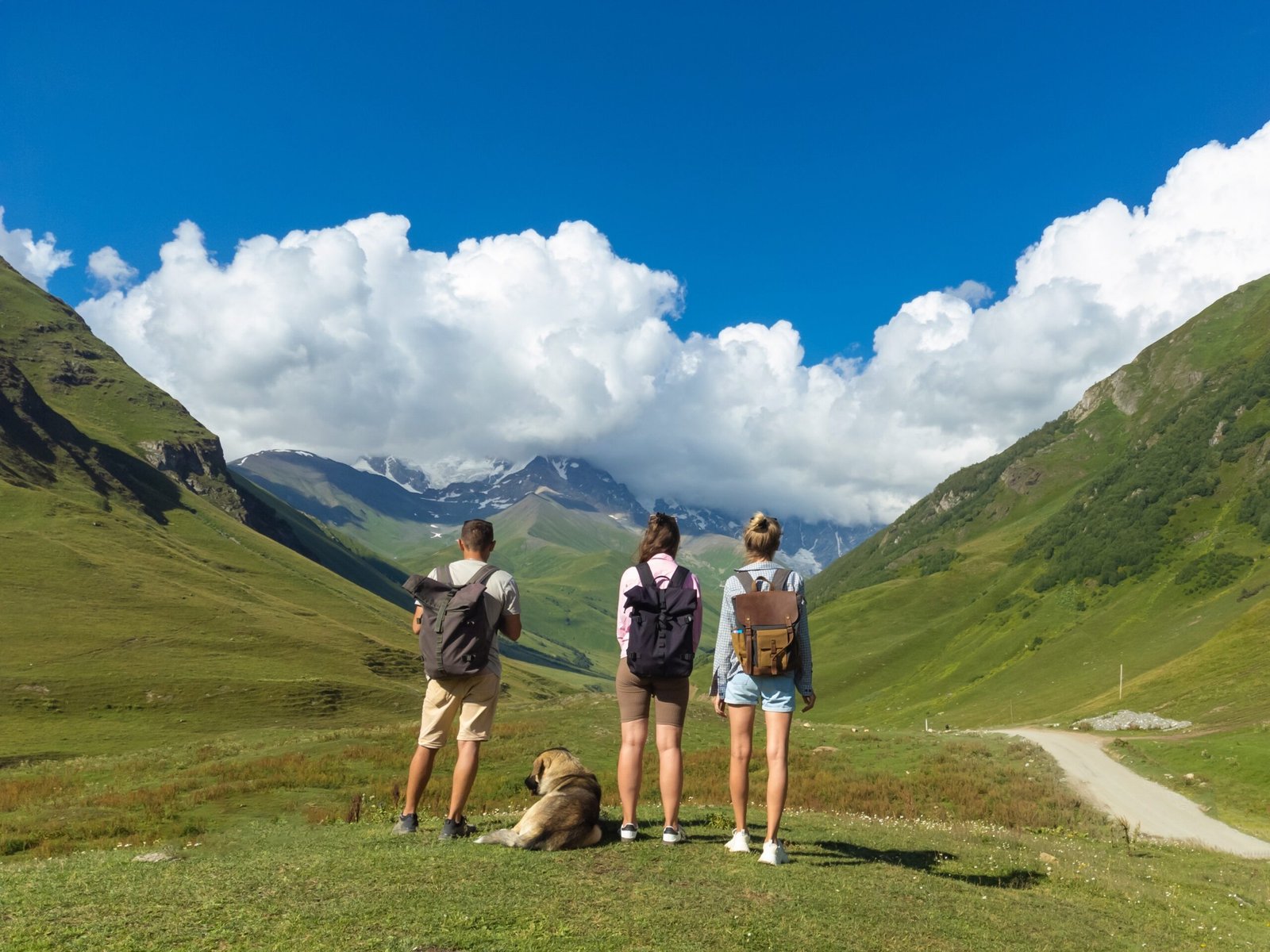
 Adventure Tours
Many travelers believe adventure tourism is only for american thrill-seekers chasing extremes, but the reality is far broader. As over 60 percent of European adventure tourists now prioritize cultural connection over adrenaline, understanding what truly defines adventure tourism matters more than ever. This guide separates fact from fiction, shining a light on accessible activities, diverse trip styles, and the powerful role of cultural immersion for those craving memorable journeys in Central and Eastern Europe.
Table of Contents
- Adventure Tourism Defined And Common Misconceptions
- Major Types: Hard, Soft, And Hybrid Adventures
- Key Elements: Risk, Nature, And Cultural Immersion
- Safety, Legal, And Sustainability Frameworks
- Risks, Responsibilities, And How To Choose Wisely
Key Takeaways
| Point | Details |
|---|---|
| Adventure Tourism Is Multifaceted | It includes physical engagement, cultural immersion, and exploration beyond just extreme sports. |
| Accessibility to All | Adventure tourism is suitable for diverse travelers, not just the physically elite or those with specialized gear. |
| Safety and Credibility Matter | Always verify the safety protocols and credibility of tour operators before participating in adventure activities. |
| Responsible Engagement Is Key | Travelers must engage responsibly by assessing their limits and respecting local cultures and environments. |
Adventure Tourism Defined and Common Misconceptions
Adventure tourism represents a sophisticated travel experience that goes far beyond basic recreational activities. Unlike traditional tourism, it combines physical engagement, cultural immersion, and exploration of natural environments. Research exploring the complex dimensions of adventure tourism reveals that this travel category is much more nuanced than simplistic categorizations like “soft” or “hard” adventure.
Contrary to popular misconceptions, adventure tourism isn’t solely about extreme sports or high-risk activities. It encompasses a broad spectrum of experiences that challenge travelers physically and mentally while fostering deep connections with local cultures and landscapes. Travelers seeking authentic adventure often prioritize meaningful interactions over adrenaline-driven pursuits. Whether exploring the rugged terrain of the Bürserschlucht Gorge or participating in local cultural practices, true adventure tourism transcends traditional tourist experiences.
Common misconceptions about adventure tourism include assumptions that it requires exceptional fitness levels or expensive specialized equipment. In reality, adventure tourism is accessible to diverse travelers with varying skill sets and interests. Activities range from gentle hiking and wildlife observation to more intense mountaineering and cultural expeditions. The core defining elements remain consistent: personal growth, environmental respect, and genuine cultural engagement.
Pro tip: When planning an adventure tourism experience, focus on personal challenge and cultural understanding rather than just seeking extreme activities.
Major Types: Hard, Soft, and Hybrid Adventures
Adventure tourism offers a diverse spectrum of experiences categorized into three primary types: hard, soft, and hybrid adventures. Research examining adventure tourism classifications reveals that these categories are distinguished by their unique characteristics of risk, skill requirement, and accessibility.
Hard Adventures represent the most intense and challenging form of adventure tourism. These experiences demand exceptional physical fitness, advanced technical skills, and a high tolerance for risk. Activities typically include mountaineering in remote alpine regions, white-water kayaking through treacherous rapids, skydiving, extreme rock climbing, and expedition-style wilderness treks. Participants in hard adventures must possess specialized equipment, extensive training, and significant mental and physical preparation.

In contrast, Soft Adventures provide more accessible and controlled experiences suitable for a broader range of travelers. These activities offer moderate excitement with lower physical and technical barriers to entry. Typical soft adventure experiences include guided hiking tours, horseback riding through scenic landscapes, wildlife photography expeditions, gentle kayaking in calm waters, and cultural immersion trips. Systematic research on adventure tourism suggests that soft adventures are crucial for introducing newcomers to adventure tourism and creating inclusive travel experiences.
Hybrid Adventures represent an innovative category that blends elements from both hard and soft adventure styles. These experiences offer a balanced approach, providing moderate challenge and excitement while maintaining reasonable safety parameters. Examples might include multi-day trekking with professional guides, beginner-friendly rock climbing courses, or cultural exploration trips with optional challenging physical components.
To better distinguish the three main types of adventure tourism, consider the following comparison:
| Adventure Type | Typical Activities | Skill/Fitness Required | Target Traveler Profile |
|---|---|---|---|
| Hard Adventure | Mountaineering, skydiving, whitewater | Advanced skills, high fitness | Experienced thrill-seekers |
| Soft Adventure | Guided hiking, wildlife watching | Moderate skills, basic fitness | Families, beginners, broad audience |
| Hybrid Adventure | Multi-day treks, cultural expeditions | Moderate skills, adaptable fitness | Adventurers seeking balance |
Pro tip: When selecting an adventure experience, honestly assess your personal fitness level, skill set, and comfort with risk to choose the most appropriate adventure type.
Key Elements: Risk, Nature, and Cultural Immersion
Research exploring adventure tourism dynamics reveals three fundamental elements that define the essence of adventure tourism: risk, natural environments, and cultural immersion. These interconnected components create transformative travel experiences that challenge travelers physically, mentally, and culturally.
Risk serves as the primary catalyst in adventure tourism, introducing an element of unpredictability and personal challenge. Unlike conventional tourism, adventure experiences intentionally incorporate controlled risks that push participants beyond their comfort zones. These risks can be physical, such as navigating challenging terrain, or psychological, involving confronting personal limitations and overcoming mental barriers. The calculated nature of these risks distinguishes adventure tourism from reckless pursuits, emphasizing personal growth and self-discovery.
Natural Environments form the critical backdrop for adventure tourism, providing diverse and dynamic settings that challenge and inspire travelers. From alpine mountain ranges to tropical rainforests, these environments are more than mere scenery – they are active participants in the adventure experience. Research on adventure tourist motivations indicates that interaction with unspoiled natural landscapes is a primary driver for many adventurers, offering opportunities for exploration, environmental awareness, and personal transformation.
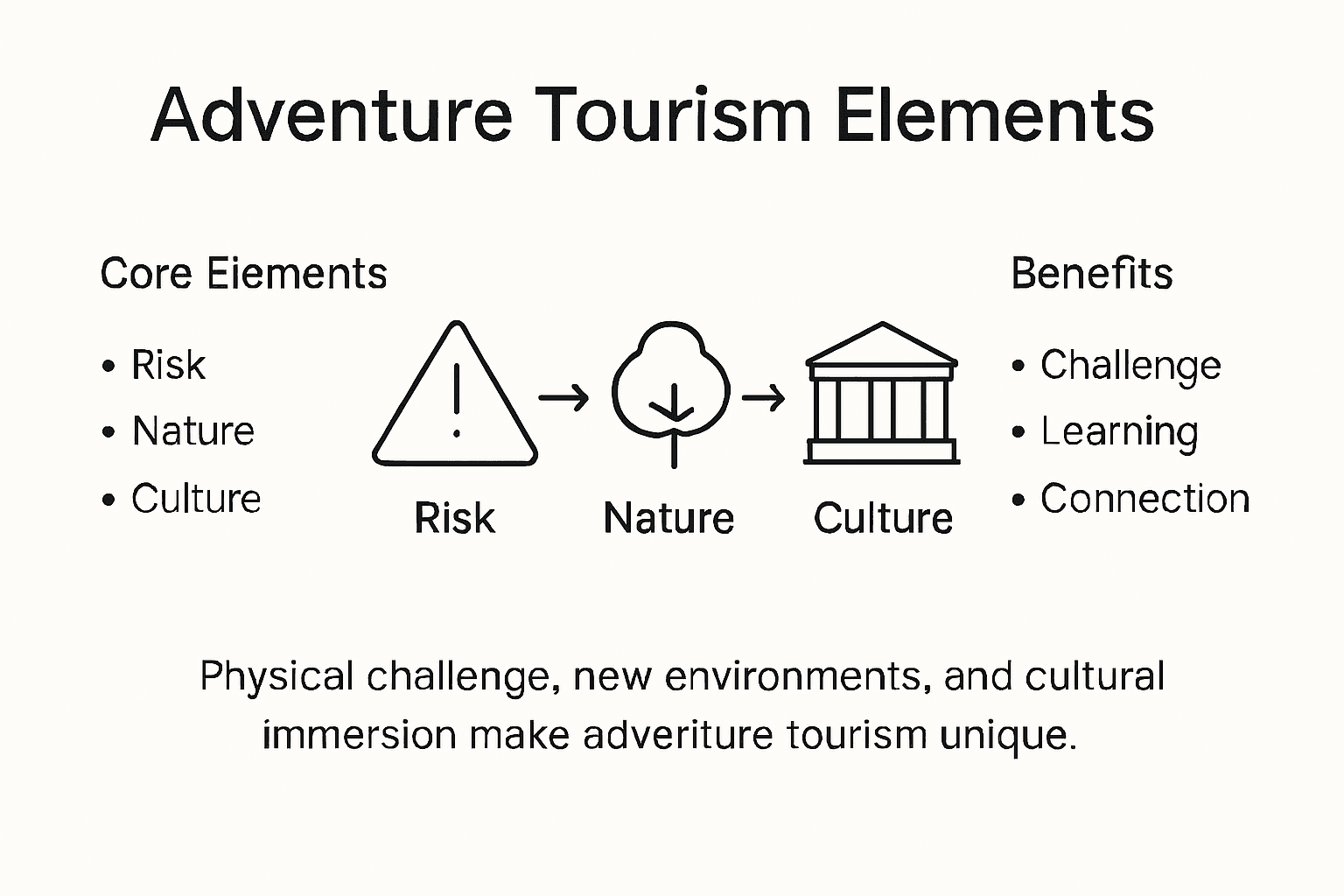
Cultural Immersion adds depth and meaning to adventure tourism, transforming simple physical challenges into rich, holistic experiences. By engaging directly with local communities, traditions, and ways of life, travelers gain insights that extend far beyond typical tourist interactions. This element involves learning indigenous skills, participating in local customs, understanding regional histories, and developing genuine cross-cultural connections that challenge preconceived notions and broaden personal perspectives.
Pro tip: Choose adventure experiences that balance physical challenge, natural beauty, and meaningful cultural interactions to create truly transformative travel memories.
Safety, Legal, and Sustainability Frameworks
Research investigating adventure tourism industry standards reveals a sophisticated framework of safety, legal, and sustainability protocols that have evolved to protect both travelers and destinations. These comprehensive guidelines represent a critical infrastructure ensuring responsible and ethical adventure tourism practices worldwide.
Safety Management stands as the foundational pillar of adventure tourism, encompassing rigorous risk assessment, professional training, and standardized operational procedures. Professional adventure tour operators implement multilayered safety strategies including comprehensive risk evaluations, mandatory equipment inspections, qualified guide certifications, and detailed emergency response protocols. These mechanisms aim to minimize potential hazards while maintaining the inherent excitement of adventure experiences.
Legal frameworks governing adventure tourism have become increasingly sophisticated, addressing complex challenges of liability, participant protection, and destination preservation. Legislative approaches to adventure tourism regulation now integrate insurance protocols, age restrictions, specialized safety guidelines, and inclusive practices. These legal measures serve multiple purposes: protecting travelers, supporting local communities, and ensuring sustainable tourism development that respects environmental and cultural integrity.
Sustainability represents the most forward-thinking dimension of modern adventure tourism frameworks. This approach goes beyond environmental conservation, encompassing holistic strategies that balance ecological preservation, community economic development, and cultural respect. Sustainable adventure tourism models prioritize minimal environmental impact, support local economies, promote cultural understanding, and create long-term value for both destination communities and travelers.
Pro tip: Always verify an adventure tour operator’s safety certifications, insurance coverage, and sustainability practices before booking your experience.
Risks, Responsibilities, and How to Choose Wisely
Comprehensive research on adventure tourism risk management reveals that navigating adventure experiences requires a nuanced understanding of personal capabilities, operator expertise, and potential challenges. The journey of selecting an appropriate adventure experience involves careful evaluation of multiple interconnected factors that balance excitement with personal safety.
Understanding Personal Risk Tolerance is the critical first step in choosing adventure experiences wisely. This involves honest self-assessment of physical fitness, technical skills, mental preparedness, and comfort with uncertainty. Different adventure activities demand varying levels of physical and psychological resilience. Some travelers thrive on high-intensity challenges, while others prefer more controlled environments that still provide meaningful exploration and personal growth.
Operator Credibility and Safety Protocols represent another crucial dimension of responsible adventure selection. Research on guided adventure tourist experiences demonstrates that professional operators prioritize comprehensive safety communication and participant engagement. Travelers should meticulously investigate an operator’s credentials, including guide qualifications, safety training, equipment maintenance standards, emergency response capabilities, and historical safety records. Transparent communication about potential risks and required participant preparations signals a commitment to responsible adventure tourism.
Responsible adventure tourism is fundamentally a shared responsibility between operators and participants. This collaborative approach requires active participant engagement, following guide instructions, maintaining appropriate fitness levels, and being transparent about individual limitations. Successful adventure experiences emerge from mutual respect, clear communication, and a collective commitment to safety and enjoyment.
This table summarizes the key responsibilities for both travelers and operators in adventure tourism:
| Responsibility Area | Traveler Role | Operator Role |
|---|---|---|
| Safety | Self-assessment, follow guidance | Provide training, clear briefings |
| Risk Management | Understand limits, prepare well | Maintain equipment, manage hazards |
| Environmental Stewardship | Respect nature, minimize impact | Implement eco-friendly practices |
| Cultural Engagement | Learn customs, show respect | Facilitate authentic interactions |
Pro tip: Request detailed safety briefings, verify guide certifications, and honestly evaluate your personal skill level before committing to any adventure tourism experience.
Discover What True Adventure Tourism Means with Next View Tours
If you are eager to move beyond typical tourist experiences and engage in meaningful adventure tourism defined by risk, cultural immersion, and natural exploration then our Adventure Tours – Next View Tours are designed just for you. You deserve adventures that challenge your limits while connecting you deeply with diverse European landscapes and cultures. At Next View Tours we understand that adventure tourism is not simply about thrills but about personal growth and memorable encounters.

Start your journey today by exploring our exceptional range of experiences available across Vienna, Salzburg, Prague, Budapest, and beyond. Whether you seek soft adventures that let you ease into new activities or hybrid adventures that balance excitement with safety, our expert guides and well-curated tours ensure a transformative travel adventure. Visit Next View Tours and uncover how authentic adventure tourism becomes unforgettable when combining physical challenge, cultural insight, and stunning nature. Book now to secure your perfect trip and embrace adventure the way it was meant to be experienced.
Frequently Asked Questions
What is adventure tourism?
Adventure tourism is a travel experience that combines physical engagement, cultural immersion, and exploration of natural environments, offering a sophisticated alternative to traditional tourism.
What are the different types of adventure tourism?
Adventure tourism is categorized into three main types: hard adventures (high-intensity activities requiring advanced skills), soft adventures (more accessible activities for a broader audience), and hybrid adventures (a combination of elements from both hard and soft types).
Is adventure tourism suitable for everyone?
Yes, adventure tourism is accessible to a diverse range of travelers. While some activities require specific skills or fitness levels, there are experiences designed to accommodate beginners and families as well.
What key elements define adventure tourism?
The core elements of adventure tourism include risk, as it introduces personal challenges; natural environments, which provide dynamic backdrops; and cultural immersion, facilitating deep engagement with local communities and traditions.
Recommended
- Home Worldwide – Next View Tours
- dynamic-content-megamenu-menuitem6146 – Next View Tours
- AREA 47: Tirol’s Ultimate Adventure and Waterpark Destination – Next View Tours
- Home Hiking – Next View Tours
- Understanding Personalized Travel Explained for Unique Experiences | Trinity Concierge
- Complete Guide to Adventure Expeditions Explained – Spectrum Ethiopia Tours


Comments are closed