

 News & Tips
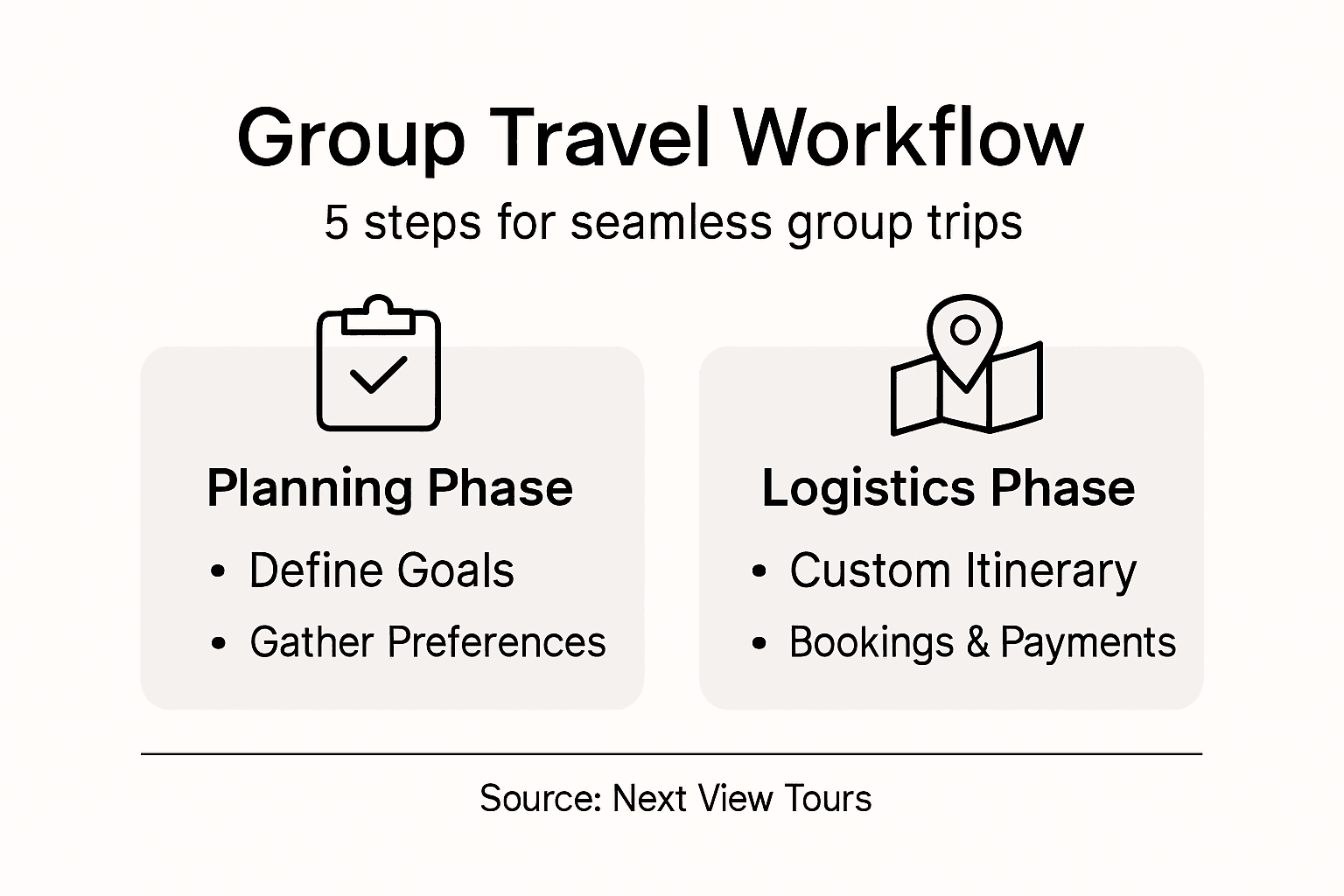
Organizing multi-day group travel across European destinations can quickly overwhelm even the most experienced event planner when goals and requirements remain unclear. Balancing diverse preferences, tight budgets, and ever-changing logistics demands a structured process that keeps every participant satisfied. This guide shows how to use collaborative digital tools and practical strategies to create cohesive plans, streamline communication, and maintain flexibility from the first consultation to the final confirmation.
Table of Contents
- Step 1: Define Travel Goals And Requirements
- Step 2: Assemble Participant Lists And Preferences
- Step 3: Design Custom Itineraries And Logistics
- Step 4: Coordinate Bookings And Payments
- Step 5: Verify Arrangements And Finalize Details
Quick Summary
| Essential Insight | Clarification |
|---|---|
| 1. Define clear travel goals | Conduct a group consultation to gather expectations and preferences for the trip. |
| 2. Collect participant details | Create a secure digital form to collect essential information and preferences from each traveler. |
| 3. Create a flexible itinerary | Design a customized itinerary that balances individual needs and group activities, ensuring room for adjustments. |
| 4. Implement transparent payments | Use a centralized system for tracking payments and managing finances to maintain clarity and fairness among participants. |
| 5. Verify all arrangements | Conduct a thorough review of all travel details to ensure accurate reservations and readiness before departure. |
Step 1: Define Travel Goals and Requirements
Successful group travel starts with crystal-clear objectives that transform potential chaos into a well-orchestrated adventure. In this critical first step, you’ll map out the foundational elements that will guide every subsequent planning decision for your trip.
Defining travel goals requires a strategic approach that balances individual preferences with group dynamics. Begin by conducting a comprehensive group consultation to understand everyone’s expectations. This involves creating a detailed survey or hosting a collaborative planning session where each participant can share their vision for the trip. Consider key factors like:
- Budget constraints
- Desired destinations
- Travel dates and duration
- Group size and composition
- Physical activity levels
- Cultural interests
- Accommodation preferences
The United Nations World Tourism Organization framework emphasizes creating sustainable and adaptable travel strategies that consider economic, social, and environmental factors. This means looking beyond simple logistics and considering the broader impact of your travel choices.
To streamline the goal-setting process, create a shared digital document where group members can collaboratively input and refine their requirements. Utilize tools like shared spreadsheets or collaborative planning platforms that allow real-time input and voting on potential travel scenarios.
Pro tip: Always have a secondary and tertiary destination option to provide flexibility in case your primary travel plans encounter unexpected challenges.
Pro tip: Schedule an initial group meeting within two weeks of first discussing the trip to maintain momentum and commitment from all participants.
Compare these strategies for managing group preferences and input:
| Strategy | Strength | Potential Drawback |
|---|---|---|
| Group Surveys | Rapid data collection | May miss nuanced opinions |
| Group Meetings | Fosters discussion | Can be hard to schedule |
| Real-time Polling | Instant consensus | Limited depth for complex topics |
| One-on-One Discussions | In-depth understanding | Time-consuming for large groups |
Step 2: Assemble Participant Lists and Preferences
Building a comprehensive and cohesive participant roster is the critical foundation that transforms a potential group travel experience from chaotic to seamless. In this step, you’ll carefully collect and organize detailed information about each traveler to ensure everyone’s needs and expectations are addressed.
Comprehensive tourist profiling allows you to understand and categorize individual preferences effectively. Start by creating a standardized digital form or spreadsheet that captures essential participant information, including:
- Full legal name
- Contact information
- Passport details
- Dietary restrictions
- Medical considerations
- Physical activity preferences
- Accommodation requirements
- Emergency contact information
Ensure you design your information gathering process to be both thorough and respectful of personal privacy. Communicate clearly about why you’re collecting each piece of information and how it will be used in planning the group travel experience.
Effective group planning requires transparent communication and mutual understanding of collective goals.
Utilize collaborative digital tools that allow participants to input and update their information securely. Cloud-based spreadsheets or specialized group travel planning platforms can help streamline this process, enabling real-time updates and easy information sharing among travelers.

Pro tip: Create a secure, password-protected shared document and send individual access links to prevent unauthorized viewing of personal information.
Step 3: Design Custom Itineraries and Logistics
Creating a tailored travel experience requires meticulous planning and creative problem-solving. In this crucial step, you’ll transform your group’s collective preferences into a dynamic, personalized journey that balances individual needs with overall group harmony.
Custom travel itinerary design demands a strategic approach that considers multiple layers of complexity. Start by mapping out core transportation routes, accommodations, and activity schedules that align with your group’s collected preferences and constraints. Break down the planning process into key components:
- Transportation logistics
- Accommodation selections
- Daily activity scheduling
- Contingency planning
- Budget allocation
- Time management
- Cultural experience integration
Utilize digital itinerary management platforms that enable real-time collaboration and flexibility. These tools allow you to create detailed yet adaptable travel plans that can be quickly adjusted based on emerging group dynamics or unexpected changes.
Successful group travel requires a delicate balance between structured planning and spontaneous exploration.
Each segment of your itinerary should include specific details like exact meeting times, transportation methods, backup options, and individual group member considerations. Coordinate carefully to ensure smooth transitions between activities and minimize potential logistical challenges.
Pro tip: Create a shared digital itinerary with color-coded sections indicating mandatory group activities versus optional individual exploration times.
Step 4: Coordinate Bookings and Payments
Successfully managing group travel finances requires a strategic approach that balances individual needs with collective efficiency. In this critical phase, you’ll transform your carefully crafted plans into actionable reservations while maintaining financial transparency and fairness.
Group travel management strategies demand sophisticated coordination of booking processes and payment structures. Implement a centralized system that allows for transparent financial tracking and simplified payment collection. Break down your booking coordination into key components:
- Individual payment tracking
- Centralized booking platform selection
- Deposit and installment management
- Cost-sharing mechanisms
- Refund and cancellation policies
- Payment deadline coordination
- Financial compliance checks
Utilize digital platforms that offer secure payment integration and real-time financial reporting. These tools enable you to manage complex financial transactions while providing each group member with clear visibility into their individual and collective expenses.
Effective group travel financial management requires clear communication and flexible payment options.
Establish a standardized payment schedule that provides multiple options for participants, including early bird discounts, flexible installment plans, and clear deadlines. This approach helps reduce financial stress and ensures everyone can participate comfortably.
Pro tip: Create a shared spreadsheet with color-coded payment status indicators to help participants track their individual financial commitments.
Step 5: Verify Arrangements and Finalize Details
The final stage of group travel planning demands meticulous attention to detail and comprehensive cross-checking of every logistical element. This critical phase transforms your carefully crafted plans into a travel-ready blueprint that minimizes potential complications and maximizes group satisfaction.
Travel arrangement verification methods require systematic and thorough documentation review. Develop a comprehensive final verification checklist that encompasses multiple dimensions of your travel planning:
- Reservation confirmation numbers
- Passport and visa documentation
- Transportation ticket details
- Accommodation booking specifics
- Emergency contact information
- Individual dietary and accessibility requirements
- Comprehensive travel insurance coverage
- Contingency plan documentation
Utilize digital collaboration tools that enable real-time document sharing and simultaneous verification. These platforms allow group members and travel coordinators to simultaneously review and validate critical travel information, reducing the likelihood of overlooked details.
Successful travel planning hinges on systematic verification and proactive communication.
Schedule a final group review meeting where everyone can confirm their individual arrangements and discuss any remaining questions or concerns. Confirm all critical details at least two weeks before departure to provide ample time for last-minute adjustments.
Pro tip: Create a shared digital folder with color-coded documents indicating verification status for each traveler’s essential travel documents.
Here’s how collaborative digital tools can support different phases of group travel planning:
| Planning Phase | Best Tool Type | Main Benefit |
|---|---|---|
| Goal Setting | Shared spreadsheet | Facilitates group input |
| Participant Profiling | Secure online forms | Protects private data |
| Itinerary Creation | Itinerary platforms | Real-time adjustments |
| Payment Coordination | Centralized payment app | Transparent transactions |
| Final Verification | Cloud document folder | Easy document access |
Streamline Your Group Travel Planning with Expert Support from Next View Tours
Planning group travel requires balancing many details such as budgets, diverse preferences, and thorough itinerary design as highlighted in the “Master Group Travel Planning Workflow for Seamless Trips” article. Common challenges like coordinating bookings, managing payments transparently, and verifying travel arrangements can overwhelm even the most organized groups. Next View Tours understands these pain points and offers tailored solutions to take the stress out of your group travel planning.
With a wide range of City Tours across iconic European destinations including Vienna, Prague, and Budapest, we deliver customizable experiences that accommodate group needs with ease. Explore our Wildlife Tours or Beach Tours to add unique layers of adventure while we handle logistics and expert guidance. Visit Next View Tours today and discover how our seamless group tour services empower you to turn complex trip workflows into unforgettable journeys.

Take the first step toward effortless group travel by connecting with Next View Tours now. Whether you want to customize a multi-day tour or need expert support managing group itineraries, our team is ready to simplify your planning and bring your shared travel vision to life.
Frequently Asked Questions
What are the first steps in planning a group travel trip?
Begin by defining your travel goals and requirements. Conduct a group consultation using surveys or planning sessions to gather everyone’s preferences regarding budget, destinations, dates, and more within the first two weeks.
How can I organize participant preferences effectively for group travel?
Build a comprehensive participant list using a standardized digital form to capture essential information like dietary restrictions and accommodation preferences. Ensure that your process respects privacy and keeps everyone informed of how their data will be used.
What tools can I use to create a shared itinerary for group travel?
Utilize digital itinerary management platforms that allow real-time collaboration and adjustments. This ensures that you can manage activity schedules and logistics flexibly while accommodating changes as needed.
How should I manage payments for group travel?
Implement a centralized system for payment tracking and booking, with clear deadlines and flexible payment options. This transparency helps participants manage their financial commitments comfortably and efficiently.
What checklist should I follow to verify arrangements before departure?
Create a comprehensive verification checklist that includes all essential travel documents, reservations, and individual preferences. Ensure that you confirm all details at least two weeks before departure to catch any issues in time.
What is a good way to maintain communication among group members during travel planning?
Set up a shared digital document where all participants can write updates, ask questions, and confirm their requirements. This keeps everyone engaged and informed throughout the planning process.
Recommended
- Home Travel Agency – Next View Tours
- Home City Tour – Next View Tours
- How Group Tours Work: Complete Guide – Next View Tours
- Group Tours Definition: Complete Guide and Key Insights – Next View Tours
- Group cruise planning checklist for stress-free travel
- What Is Health Enhancement Travel – Transforming Vacations Into Vitali – Longevity Travel


Comments are closed