
 Uncategorized
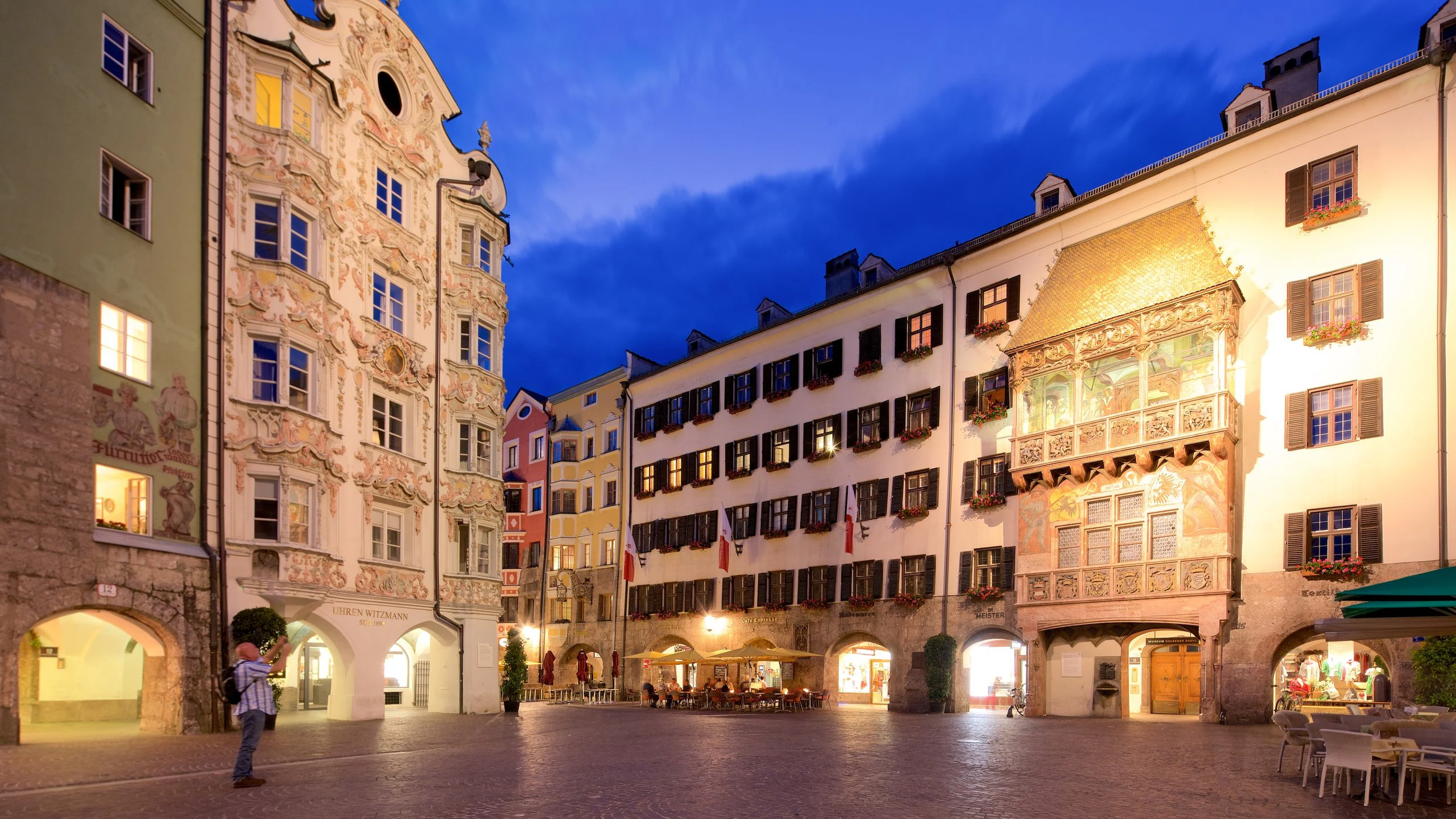
Nestled in the heart of Innsbruck, Austria, the Goldenes Dachl—or “Golden Roof”—stands as one of the city’s most iconic landmarks. This shimmering symbol of the Tyrolean capital is not only a visual masterpiece but also a window into Austria’s rich history and culture. With its intricate decorations, historical significance, and prime location in the Old Town, the Goldenes Dachl continues to attract tourists, photographers, and history enthusiasts from around the world.
A Glimpse into History
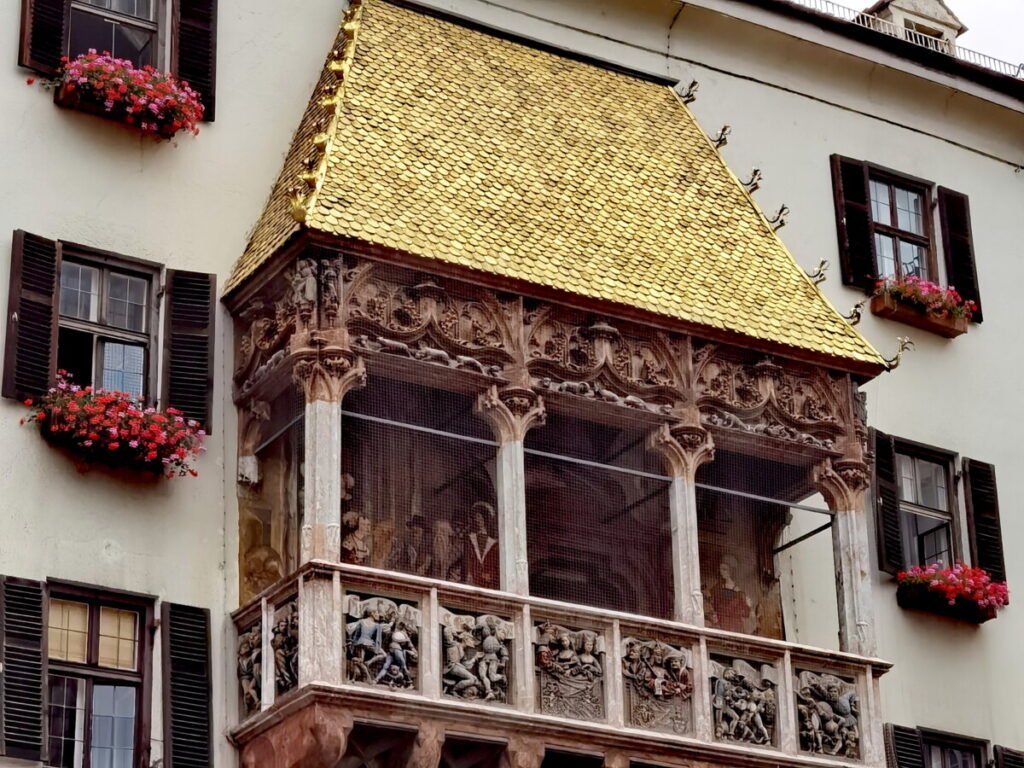
The Goldenes Dachl was commissioned in 1500 by Emperor Maximilian I to mark his marriage to Bianca Maria Sforza, the daughter of the Duke of Milan. Its most striking feature is the roof itself, adorned with 2,657 fire-gilded copper tiles that gleam brilliantly in the sunlight, giving the landmark its “golden” name. The balcony beneath the roof served as a stage for the emperor to witness festivals, tournaments, and civic events in the square below.
Surrounding the balcony are frescoes and reliefs that depict scenes from Maximilian’s life, his court, and his heraldry, showcasing both artistic and political significance. These decorative elements reflect the emperor’s ambition to immortalize his legacy and highlight Innsbruck as a center of power during the late Middle Ages.
Architecture and Design
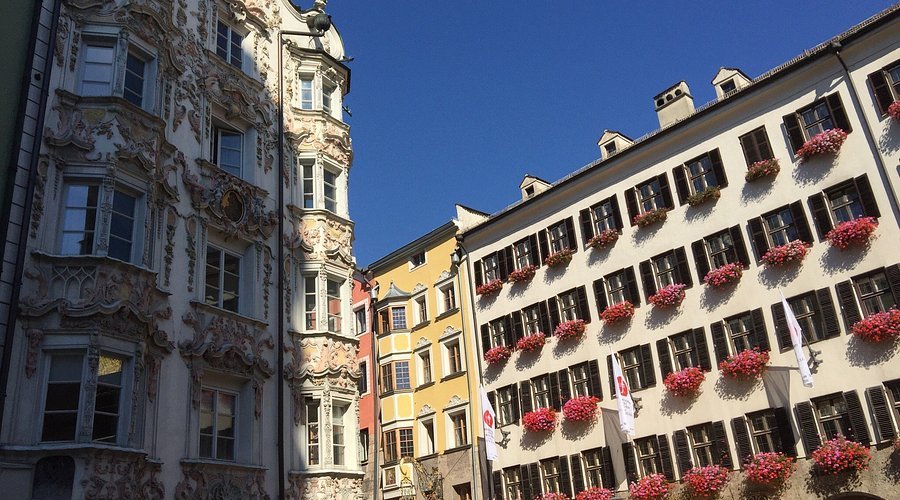
Architecturally, the Goldenes Dachl is a prime example of late Gothic style combined with early Renaissance influences. The roof’s intricate gilding, combined with the ornate carvings and painted reliefs, demonstrates the craftsmanship and artistic innovation of the period. The balcony is supported by elegantly decorated arches, while the façade facing the square features depictions of courtly life, jousting tournaments, and imperial insignias, making it a visual narrative of the era.
The building itself, known as the Hofburg or Tyrolean State Room, has served multiple functions over centuries—from royal residence to government offices. Today, it houses the Golden Roof Museum, which offers insights into Maximilian’s reign, the history of Innsbruck, and the artistic techniques used in creating the gilded roof.
Visiting the Goldenes Dachl
The Goldenes Dachl is located in Innsbruck’s Old Town, making it easily accessible to visitors exploring the city on foot. The surrounding area is lively, filled with cafés, shops, and historic buildings, creating a charming atmosphere for tourists. Inside the museum, guests can view original frescoes, historical documents, and multimedia exhibits that explain the significance of the Goldenes Dachl in both a local and imperial context.
For the perfect photo opportunity, the square in front of the building offers a direct view of the golden roof, especially during sunrise or sunset when the sunlight accentuates the gleaming tiles. Seasonal events, such as the Innsbruck Christmas Market, add a magical backdrop, making a visit to the Goldenes Dachl even more memorable.
Tips for Travelers
Visitors should plan to spend at least 1–2 hours exploring the museum and the surrounding Old Town. Comfortable walking shoes are recommended, as the cobbled streets can be uneven. For history enthusiasts, guided tours provide detailed stories about Emperor Maximilian I, the construction of the roof, and the cultural importance of the building in Tyrolean history.
Nearby attractions include the Innsbruck Cathedral, the Hofkirche, and the Nordkette Cable Car, which offers panoramic views of the surrounding Alps. Together with the Goldenes Dachl, these sites make Innsbruck a perfect blend of history, culture, and natural beauty.
Conclusion
The Goldenes Dachl is more than just a gilded roof—it is a symbol of Innsbruck’s rich heritage, imperial grandeur, and artistic brilliance. Whether you are fascinated by history, architecture, or simply the beauty of a shimmering landmark, the Goldenes Dachl promises an unforgettable experience in the heart of Austria. Its golden tiles, intricate frescoes, and vibrant surroundings make it a must-visit destination for anyone exploring Innsbruck.


Comments are closed