
 Uncategorized
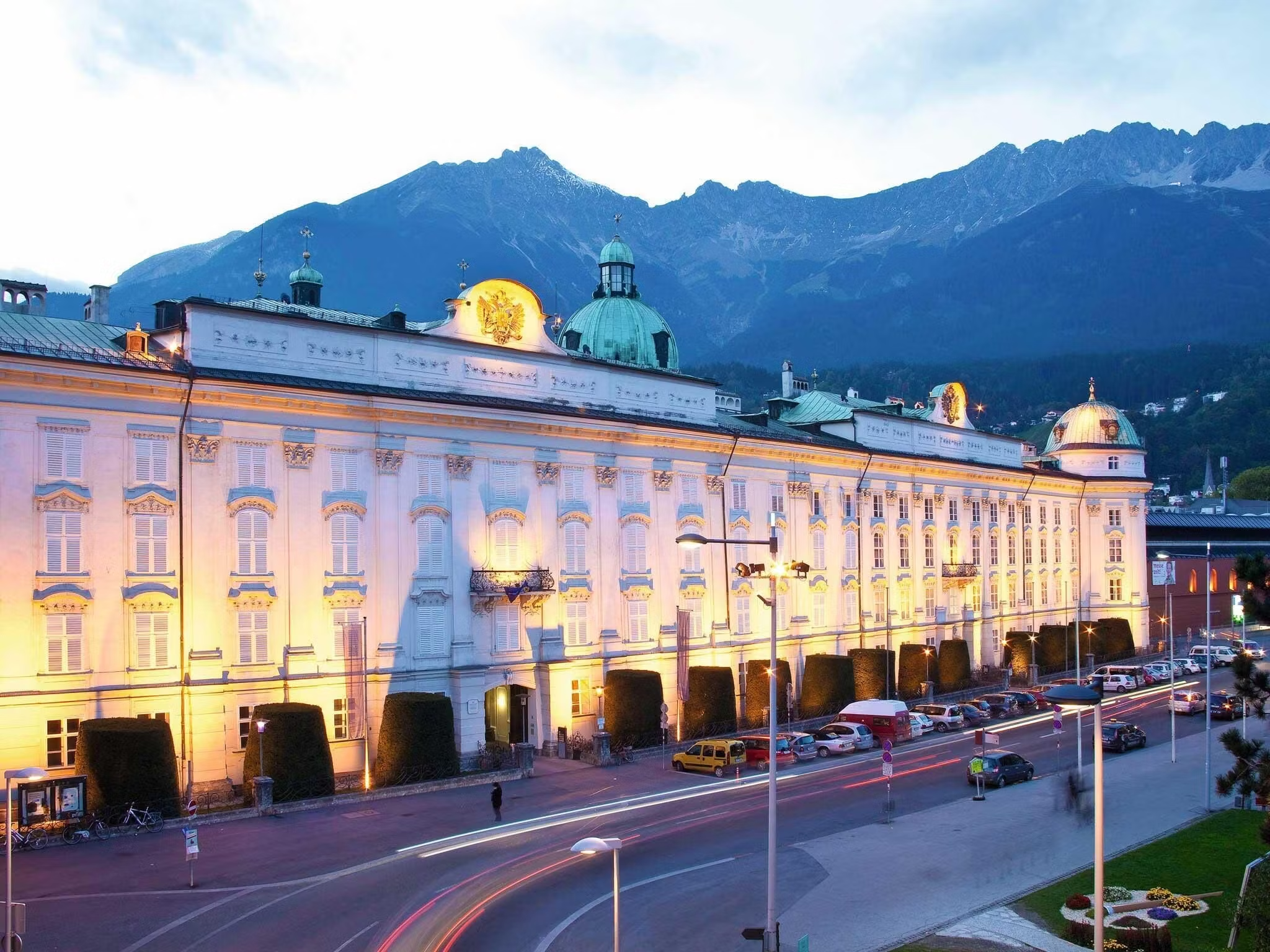
In the heart of Innsbruck, Austria, the Hofburg Palace stands as a symbol of imperial grandeur and Tyrolean heritage. This magnificent palace, with its baroque architecture, lavish interiors, and fascinating history, offers visitors a glimpse into the life of the Habsburg dynasty. As one of Innsbruck’s most significant cultural landmarks, Hofburg attracts history enthusiasts, architecture lovers, and travelers seeking a taste of royal splendor.
A Historical Overview
The Hofburg, originally built in the 15th century, served as the residence of the Tyrolean sovereigns. Its transformation into a Baroque masterpiece began under Emperor Leopold I in the 17th century, with significant contributions from Empress Maria Theresa during the 18th century. Over the centuries, Hofburg has evolved from a medieval fortress into a palatial complex, reflecting the changing tastes, power, and influence of the Habsburg family.
The palace not only served as a residence but also as an administrative center and cultural hub, hosting important ceremonies, political gatherings, and festive events. Today, Hofburg preserves its historical charm while offering modern exhibitions that showcase Tyrolean culture and history.
Architecture and Interior Highlights
Hofburg Innsbruck is a prime example of Baroque architecture, characterized by ornate façades, grand staircases, and intricately decorated halls. The exterior of the palace impresses visitors with its symmetrical design, vibrant colors, and elegant statues that celebrate Tyrolean artistry and imperial symbolism.
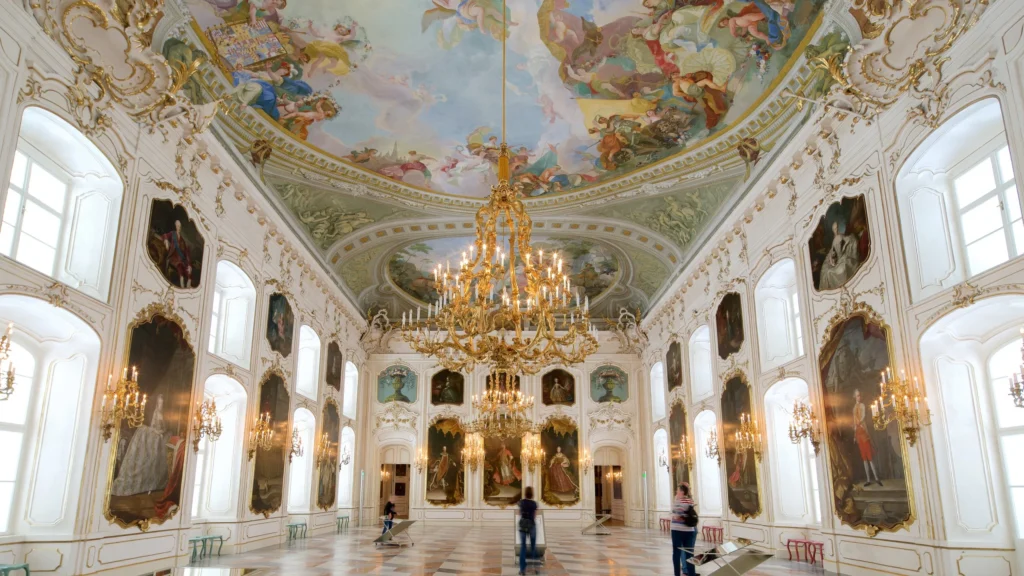
Inside, the palace is equally breathtaking. The Imperial Apartments are adorned with luxurious furnishings, gilded ceilings, and exquisite frescoes. Visitors can explore the State Rooms, which once hosted royalty and dignitaries, showcasing a perfect blend of art, history, and opulence. Highlights include the Red and White Halls, famous for their intricate stucco work, chandeliers, and historical paintings depicting the Habsburg legacy.
The Chapel of the Hofburg is another gem, featuring stunning Baroque decoration and religious artwork. The palace also houses temporary exhibitions that focus on Tyrolean history, art, and culture, offering both locals and tourists an enriching experience.
Visiting Hofburg: What to Expect
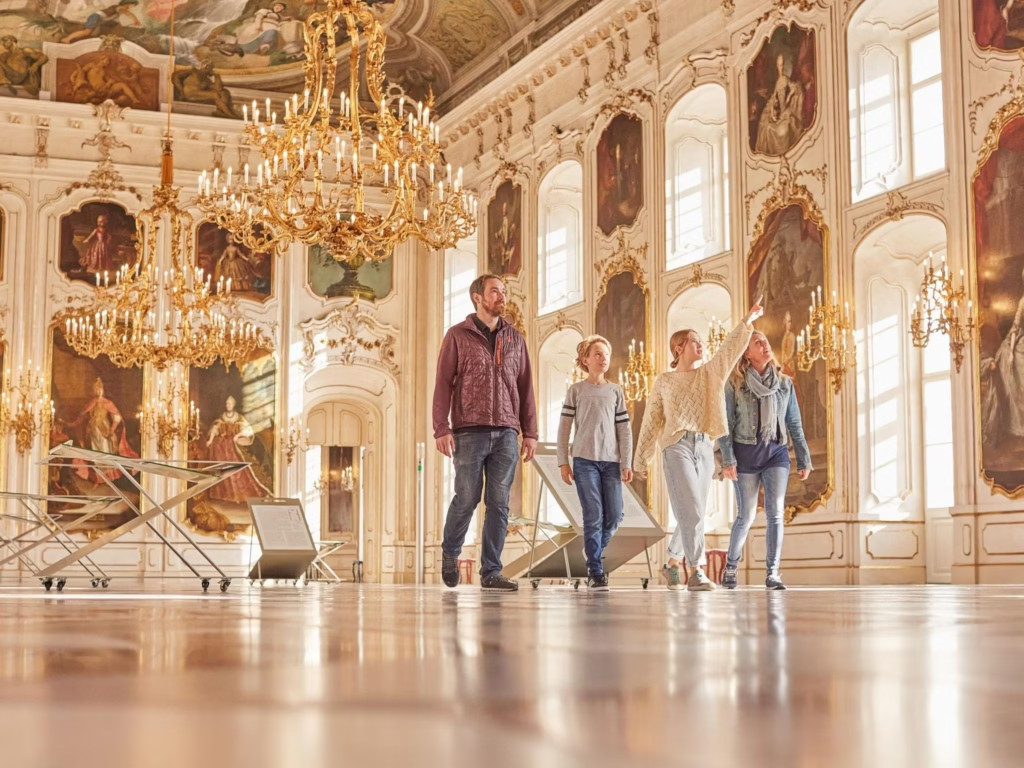
Hofburg Palace is located in Innsbruck’s Old Town, making it easily accessible for walking tours. Guided tours provide detailed insights into the palace’s history, architecture, and the lives of the Habsburg rulers. For independent visitors, audio guides are available to explore the rooms and exhibitions at your own pace.
Photography enthusiasts will enjoy capturing the palace’s impressive façade, grand courtyards, and richly decorated interiors. Special events, concerts, and seasonal exhibitions add to the charm, making each visit a unique experience.
Tips for Travelers
The Hofburg is suitable for visitors of all ages, but it’s recommended to wear comfortable walking shoes due to the extensive interiors and cobbled courtyards. Spring and summer offer pleasant weather for exploring both the palace and the nearby attractions. During winter, the palace takes on a magical atmosphere, especially with the festive decorations during the Christmas season.
Nearby attractions include the Golden Roof (Goldenes Dachl), Innsbruck Cathedral, and the Nordkette Cable Car, making it easy to plan a full day of sightseeing in Innsbruck. Cafés and local restaurants around the Old Town provide a perfect spot to enjoy Tyrolean cuisine after exploring the palace.
Conclusion
The Hofburg Palace in Innsbruck is not just a building; it is a living testament to Tyrol’s imperial history, artistic excellence, and cultural heritage. From its opulent rooms and intricate Baroque design to its fascinating exhibitions, Hofburg offers a journey through time into the life of Austrian royalty. Whether you are passionate about history, art, or architecture, visiting Hofburg provides an unforgettable glimpse into the grandeur and elegance of Innsbruck’s past.


Comments are closed