

 News & Tips
Over 50 million American travelers rely on travel agencies each year to simplify their journeys and unlock expert support. Whether you are planning a business trip or a family vacation, the options seem endless and confusing. Professional travel agencies bridge this gap, offering not just convenience but also tailored advice and insider connections. Discover how understanding core travel agency functions can help you make smarter decisions and enjoy a smoother, more rewarding travel experience.
Table of Contents
- Defining Travel Agencies And Core Functions
- Major Types Of Travel Agencies Worldwide
- How Travel Agencies Operate In Practice
- Benefits Of Using Travel Agencies For Travelers
- Risks, Fees, And Common Mistakes To Avoid
Key Takeaways
| Point | Details |
|---|---|
| Core Functions of Travel Agencies | Travel agencies serve as intermediaries that simplify travel logistics and provide personalized guidance throughout the travel journey. |
| Types of Travel Agencies | The travel agency landscape includes various types, such as retail, online, corporate, and specialty agencies, each catering to specific traveler needs. |
| Operational Workflow | Travel agencies utilize structured processes and advanced technology to offer customized travel planning, booking management, and ongoing support. |
| Benefits of Using Travel Agencies | Engaging a travel agency provides travelers with expert advice, cost-saving opportunities, and emotional ease, enhancing their overall travel experience. |
Defining Travel Agencies And Core Functions
Travel agencies serve as essential intermediaries in the complex world of travel, connecting travelers with diverse transportation, accommodation, and tourism experiences. These professional organizations specialize in transforming travel dreams into structured, seamless journeys by leveraging extensive industry knowledge and comprehensive service networks. Their core mission involves simplifying travel logistics while providing personalized, expert guidance to individuals and groups planning trips across various destinations.
According to research from limbd, travel agencies perform multiple critical functions that extend far beyond simple booking services. These functions include strategic travel planning, customer support, comprehensive reservation management, marketing coordination, product development, and financial administration. Travel consultants act as skilled navigators, helping clients navigate complex travel requirements by offering tailored recommendations based on individual preferences, budget constraints, and specific travel objectives.
Modern travel agencies typically operate through several key operational domains: consultation and planning, booking and reservation systems, customer service management, and ongoing trip support. They leverage advanced technological platforms to streamline processes, compare pricing options, secure competitive travel packages, and provide real-time updates for travelers. By maintaining robust relationships with airlines, hotels, transportation services, and tour operators, these agencies can negotiate special rates and access exclusive travel opportunities that individual travelers might find challenging to secure independently.
The strategic value of travel agencies lies in their ability to transform potentially overwhelming travel planning into a structured, enjoyable experience. Whether clients seek adventure tours, business travel arrangements, or family vacation packages, these professional organizations offer expert guidance, risk mitigation, and comprehensive support throughout the entire travel journey. By combining industry expertise with personalized service, travel agencies at Next View Tours ensure travelers can focus on creating memorable experiences while professionals handle the intricate logistical details.
Major Types Of Travel Agencies Worldwide
Travel agencies represent a diverse ecosystem of specialized services catering to different traveler needs and market segments. These professional organizations have evolved to offer targeted solutions that address specific travel preferences, ranging from leisure and business travel to niche experiential journeys. Understanding the various types of travel agencies helps travelers select the most appropriate service provider for their unique requirements.
According to research from repositori, destination management companies (DMCs) represent a critical segment of the travel agency landscape. These specialized agencies focus on providing comprehensive travel services for specific geographic regions, offering in-depth local expertise, curated experiences, and intricate logistical support. DMCs typically develop deep relationships with local suppliers, enabling them to craft unique travel packages that go beyond standard tourism offerings.
The global travel agency market can be broadly categorized into several key types: retail travel agencies, online travel agencies (OTAs), corporate travel agencies, and specialty travel agencies. Retail travel agencies operate through physical storefronts, providing personalized consultation and face-to-face booking services. Online travel agencies have dramatically transformed the industry by offering digital platforms that enable instant comparisons, bookings, and comprehensive travel planning. Corporate travel agencies specialize in managing complex business travel requirements, focusing on efficiency, cost management, and professional travel arrangements.

Specialty travel agencies represent an increasingly important segment, targeting specific traveler interests and niche markets. These agencies might focus on adventure tourism, luxury travel, educational tours, cultural experiences, or specific demographic groups like senior travelers or student exchange programs. By home booking platforms developing deep expertise in particular travel niches, these agencies can provide highly customized services that generic travel providers cannot match, offering travelers unique and tailored experiences that align precisely with their individual preferences and expectations.
How Travel Agencies Operate In Practice
Travel agencies function through complex operational ecosystems that integrate advanced technological platforms, extensive industry networks, and specialized human expertise. These organizations leverage sophisticated booking systems, customer relationship management tools, and strategic partnerships to transform travel planning from a potentially overwhelming process into a streamlined, personalized experience. The intricate machinery behind travel agencies involves multiple interconnected processes designed to deliver seamless travel solutions.
The core operational workflow of travel agencies typically follows a structured progression: initial client consultation, comprehensive research and planning, customized itinerary development, booking and reservation management, and ongoing customer support. Booking systems enable agents to access real-time pricing, availability, and inventory across multiple transportation providers, accommodations, and experience vendors. Agents utilize specialized software that allows them to compare options, negotiate rates, and craft tailored travel packages that meet specific client preferences and budgetary constraints.
Technological integration plays a pivotal role in modern travel agency operations. museum tour planning platforms and digital tools enable agencies to streamline complex logistical processes, provide instant communication channels, and offer travelers comprehensive digital support throughout their journey. These technological solutions include advanced reservation management systems, digital payment platforms, real-time travel tracking, automated itinerary generation, and secure document management.
Client interaction represents another critical dimension of travel agency operations. Successful agencies prioritize personalized communication, maintaining extensive databases of client preferences, travel histories, and individual requirements. This approach allows them to develop increasingly sophisticated, tailored recommendations that evolve with each customer interaction. Agents combine technological capabilities with human expertise, providing nuanced guidance that addresses not just logistical details but also emotional and experiential aspects of travel planning, ensuring each journey meets the unique expectations of individual travelers.
Benefits Of Using Travel Agencies For Travelers
Travel agencies offer travelers a comprehensive suite of advantages that transform complex travel planning into a seamless, stress-free experience. By leveraging professional expertise, technological resources, and extensive industry connections, these organizations provide value far beyond simple booking services. Travelers gain access to a strategic partner capable of navigating the intricate landscape of modern travel logistics, personalization, and problem-solving.
According to research from westernskiestravel, travel agencies excel at providing personalized travel planning and expert advice that significantly enhances the overall travel experience. These professionals offer critical support in handling complex logistics, securing exclusive deals and upgrades, managing travel documentation, and providing emergency assistance during unexpected travel disruptions. Their deep industry knowledge allows travelers to access insider insights, optimize travel budgets, and create more meaningful, well-structured travel experiences.
The financial and practical benefits of working with travel agencies extend across multiple dimensions. Professional agents can identify cost-saving opportunities that individual travelers might overlook, negotiate better rates with vendors, and craft customized travel packages tailored to specific preferences and constraints. city tour experiences become more enriching when designed by experts who understand local nuances, cultural contexts, and optimal travel strategies. Additionally, travelers gain robust support systems that provide real-time assistance, emergency intervention, and comprehensive backup during their journeys.
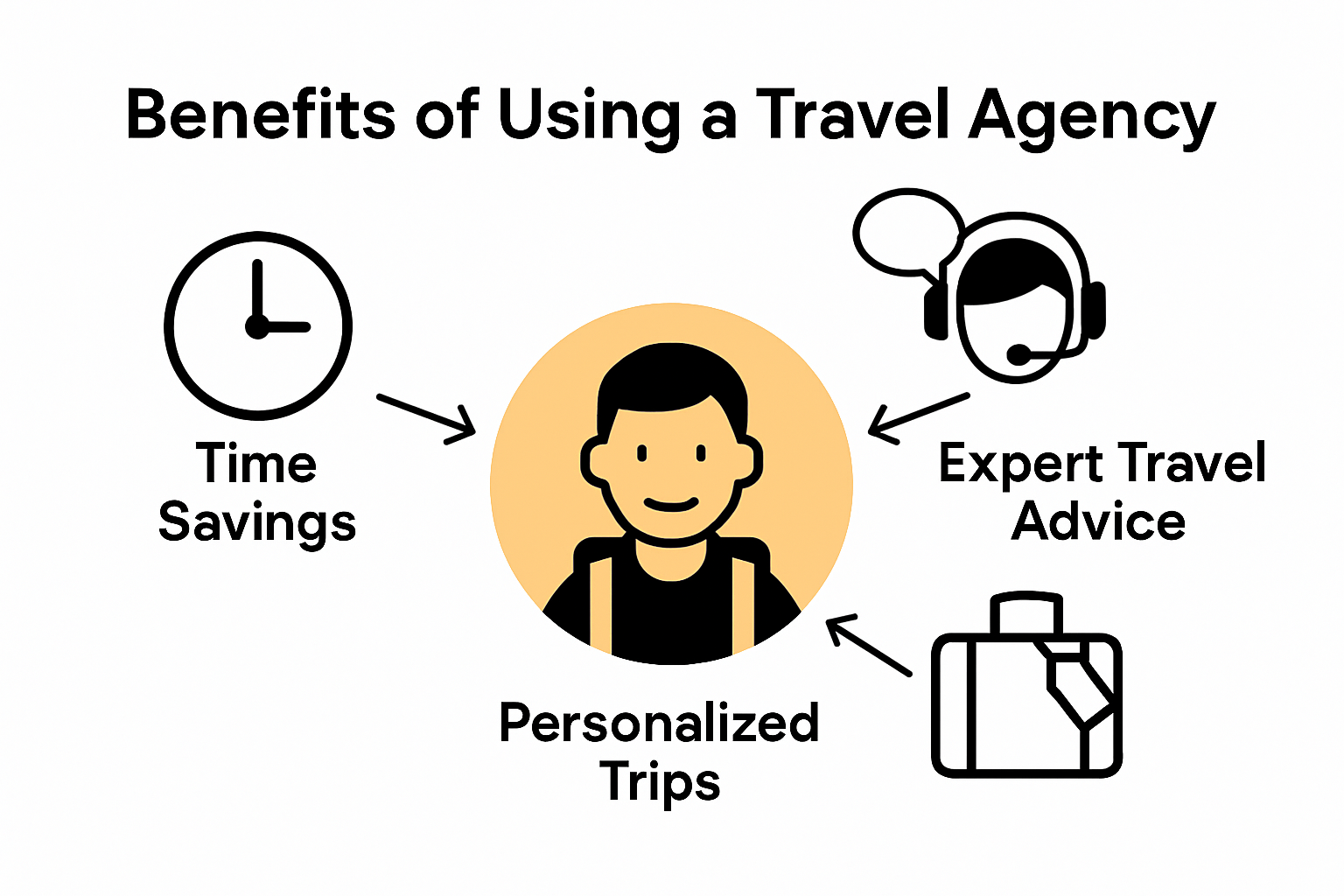
Beyond practical advantages, travel agencies deliver significant emotional and psychological benefits. By outsourcing the complex and often stressful aspects of travel planning, travelers can focus on anticipating and enjoying their experiences rather than becoming overwhelmed by logistical challenges. The professional guidance reduces travel anxiety, provides peace of mind, and ensures travelers can fully immerse themselves in the adventure, knowing that experienced professionals have meticulously planned and are supporting their entire travel experience.
Risks, Fees, And Common Mistakes To Avoid
Navigating the travel agency landscape requires careful consideration of potential financial implications, service limitations, and potential pitfalls that could compromise travel experiences. Travelers must approach professional travel services with a strategic mindset, understanding the nuanced relationship between convenience, cost, and potential risks associated with outsourcing travel planning. Awareness and proactive research are critical components of making informed decisions when engaging travel agency services.
According to research from westernskiestravel, service fees represent a significant consideration for travelers. Typical agency expenses can include consultation charges, booking fees, and additional service commissions that may not be immediately apparent. Smart travelers should request comprehensive fee breakdowns, understand cancellation policies, and carefully review contractual terms before finalizing any travel arrangements. Potential hidden costs can significantly impact overall travel budgets if not thoroughly investigated in advance.
Several common mistakes can undermine the potential benefits of working with travel agencies. hiking tour planning requires meticulous attention to detail and understanding potential limitations. Travelers frequently err by not thoroughly verifying agency credentials, overlooking fine print in service agreements, failing to communicate specific preferences, and neglecting to confirm comprehensive travel insurance coverage. Additional red flags include agencies with limited transparency, minimal customer support channels, and those unwilling to provide detailed documentation of proposed travel packages.
Risk mitigation strategies are essential when selecting and working with travel agencies. Travelers should conduct comprehensive background research, read multiple customer reviews, verify professional certifications, and maintain open communication channels throughout the planning process. Requesting references, comparing multiple agency proposals, and maintaining realistic expectations can help travelers navigate potential challenges. Ultimately, the key to a successful travel agency experience lies in establishing clear communication, understanding contractual obligations, and proactively managing potential risks before, during, and after travel arrangements are finalized.
Simplify Your European Adventures with Expert Travel Agency Support
Planning a trip across multiple European destinations can feel overwhelming when faced with complex logistics, hidden fees, and uncertainty about trusted travel providers. This guide highlights how travel agencies overcome these challenges by offering personalized advice, exclusive deals, and seamless booking management so travelers can focus on enjoying unforgettable experiences. At Next View Tours, we understand these pain points and specialize in delivering tailored day trips, multi-day adventures, and customized tours across iconic cities like Vienna, Salzburg, Prague, and Budapest.

Explore our diverse private and group tours crafted with local expertise that transforms your travel vision into reality without stress. Let Next View Tours handle the intricacies while you create lasting memories. Ready to elevate your European journey today Visit Next View Tours and start planning your perfect trip with trusted professionals by your side.
Frequently Asked Questions
What are the core functions of travel agencies?
Travel agencies act as intermediaries in travel planning, offering services such as strategic travel planning, customer support, reservation management, and marketing coordination to simplify travel logistics.
How do travel agencies enhance the travel experience for clients?
Travel agencies provide personalized guidance and expert recommendations based on individual preferences and budgets, securing exclusive deals, managing logistics, and offering ongoing support throughout the travel journey.
What types of travel agencies are there?
There are several types of travel agencies, including retail travel agencies, online travel agencies (OTAs), corporate travel agencies, and specialty agencies that focus on specific interests such as adventure or luxury travel.
What should I consider when choosing a travel agency?
When selecting a travel agency, consider their fees, service offerings, agency credentials, customer support, and the clarity of communication regarding your travel preferences and needs.


Comments are closed