

 City Tour
Many travelers believe that longer distances automatically mean better day trips. This common misconception leads to rushed itineraries and travel fatigue, significantly reducing satisfaction. Understanding what constitutes a realistic day trip is crucial for planning enriching experiences from European cities like Vienna and Budapest. Travel time exceeding 3 hours one-way can reduce satisfaction by 30%, making it essential to balance distance, activities, and logistics for memorable single-day excursions.
Table of Contents
- Defining A Day Trip: Scope And Characteristics
- Typical Day Trip Distances And Travel Times From Vienna And Budapest
- Experiencing Culture, Nature, And Adventure: Types Of Day Trips
- Planning And Logistics: How To Optimize Your Day Trip
- Common Misconceptions About Day Trips
- Comparing Day Trip Types: Cultural Vs Nature Vs Adventure
- Conclusion: Making The Most Of Your European Day Trips
- Discover Your Perfect Day Trip With Next View Tours
- What Is A Day Trip? Frequently Asked Questions
Key Takeaways
| Point | Details |
|---|---|
| Distance Limits | Day trips typically involve 100-150 km round trip for optimal satisfaction. |
| Travel Time | Keep one-way travel under 3 hours to maximize enjoyment and minimize fatigue. |
| Activity Diversity | Combining culture, nature, and adventure increases satisfaction by 15-20%. |
| Planning Balance | Good logistics balance travel time and activities for best experiences. |
| Common Pitfalls | Misconceptions about distance and overloaded itineraries reduce trip quality. |
Defining a Day Trip: Scope and Characteristics
A day trip is an excursion completed within one day without overnight stay, designed for travelers seeking enriching experiences near their base city. These single-day journeys typically span 100-150 km round trip, with travel times capped at 2-3 hours one-way to preserve energy for activities.
Day trips serve multiple purposes beyond simple leisure. You might explore historical sites, immerse yourself in local culture, or discover natural landscapes, all while returning to your accommodation by evening. The key is meaningful engagement without the exhaustion that comes from excessive travel.
Consider these fundamental characteristics:
- No overnight accommodation required, making trips budget-friendly
- Return journey completed within daylight hours for safety and convenience
- Focused on specific destinations offering concentrated attractions
- Flexible scheduling allowing spontaneous exploration within the day
- Accessible by common transport modes including trains, buses, or cars
European cities like Vienna and Budapest serve as ideal launching points for day trips. Their central locations provide access to diverse destinations, from medieval towns to alpine valleys, within practical travel windows. Understanding these parameters helps you avoid overextending your itinerary and ensures you return refreshed rather than drained.
Typical Day Trip Distances and Travel Times from Vienna and Budapest
Practical travel parameters determine which destinations make sense for day trips. The recommended maximum 3 hours one-way travel time ensures you spend more time experiencing your destination than sitting in transit. From Vienna and Budapest, numerous locations fall within this sweet spot.
From Vienna, popular destinations include Bratislava at just 65 km away, reachable in under an hour by train or bus. The Wachau Valley, roughly 80 km west, offers vineyard-dotted landscapes and charming villages. Salzburg sits about 300 km away, pushing the upper limit at nearly 3 hours by train, but remains feasible for early morning departures.
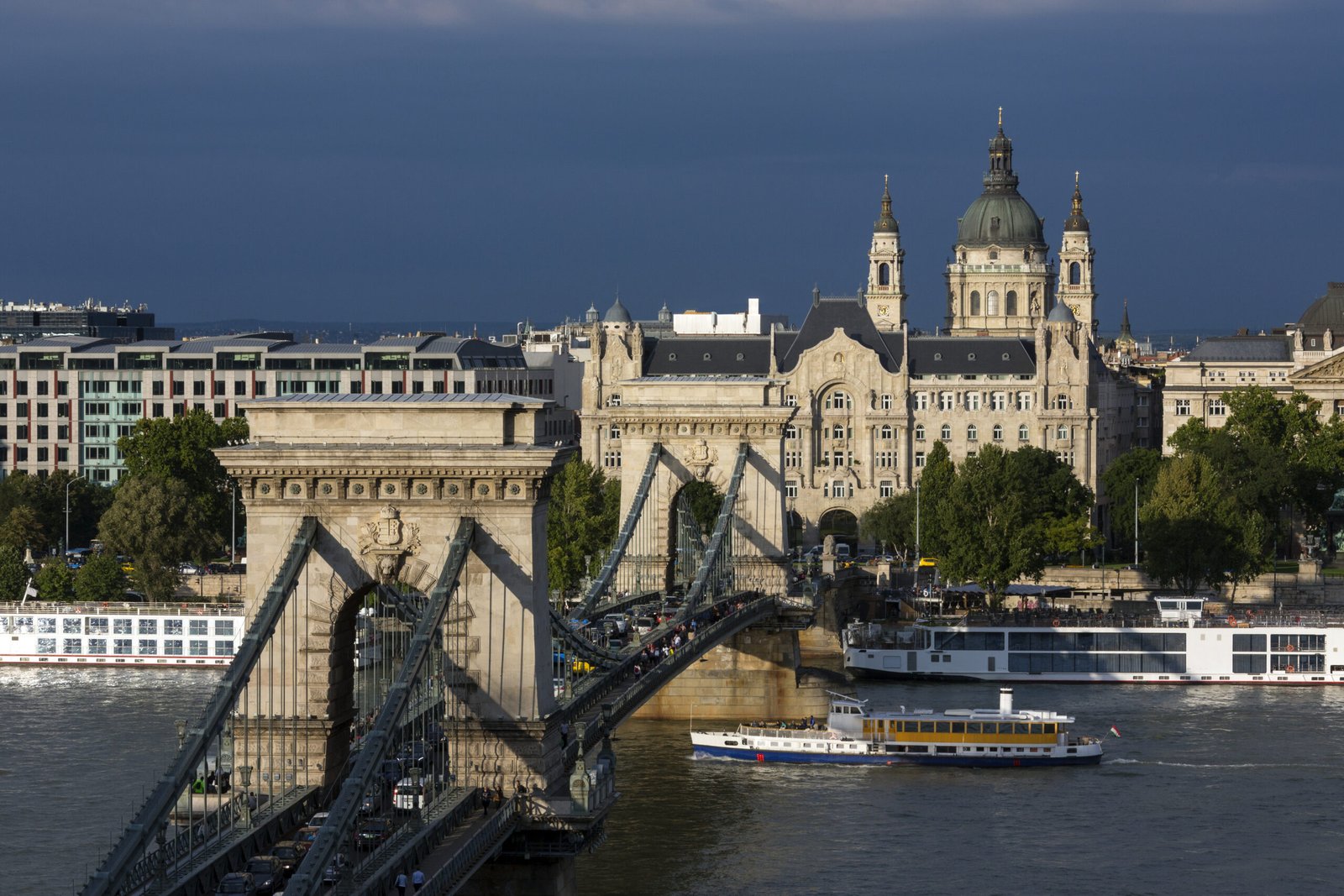
Budapest serves as another excellent base for day trips. Szentendre, a picturesque riverside town, lies only 20 km north, making it perfect for half-day excursions. The Danube Bend region extends 40-70 km from the city, offering castles and scenic river views. Slovakia’s capital Bratislava is approximately 200 km away, accessible in 2.5 hours.
Transport options significantly impact your day trip success:
- Trains offer comfort and reliability for major city connections
- Buses provide flexibility and often reach smaller towns trains miss
- Private cars allow schedule freedom but require parking considerations
- River boats combine transport with sightseeing on Danube routes
- Guided tours eliminate logistics stress entirely
Accessibility matters as much as distance. A destination 100 km away with hourly train service beats a 70 km location requiring multiple transfers. Research transport schedules before committing to ensure you can maximize your time on-site rather than waiting at stations.
Explore the best day trips from Vienna or consider a Vienna to Budapest day trip by bus for a well-organized cross-border experience.
Experiencing Culture, Nature, and Adventure: Types of Day Trips
Day trips offer remarkable diversity in experiences, and mixing activity types significantly boosts satisfaction. Day trips mixing activity types see 15-20% higher satisfaction compared to single-focus excursions, making variety a key planning consideration.
Cultural trips immerse you in heritage and history. You might explore UNESCO World Heritage sites, wander through art museums, or stroll medieval town squares. These trips typically involve moderate walking but limited physical exertion, making them accessible to most travelers. Cities like Salzburg, Prague, and Bratislava excel at cultural offerings within day trip range.
Nature trips reconnect you with outdoor environments. Hiking through alpine meadows, cycling along river valleys, or exploring national parks provide fresh air and scenic beauty. The Wachau Valley and Danube Bend exemplify nature-focused destinations offering stunning landscapes without requiring overnight camping.
Adventure trips raise the intensity with physically demanding activities. Kayaking, rock climbing, or mountain biking appeal to active travelers seeking adrenaline alongside sightseeing. These trips require more planning for equipment and physical preparation.
Consider these benefits of combining experience types:
- Morning cultural tours paired with afternoon nature walks prevent monotony
- Physical activities balance sedentary museum visits for better energy
- Multiple interests accommodated in group travel with diverse preferences
- Richer memories formed through varied sensory experiences
- Flexibility to adjust plans based on weather or energy levels
Pro Tip: Prioritize destinations offering at least two activity types for richer experiences. A town with both historical sites and riverside trails lets you mix culture and nature effortlessly, keeping your day dynamic and engaging.
Discover diverse cultural trip types in Europe or explore customised European adventure tour ideas tailored to your interests.
Planning and Logistics: How to Optimize Your Day Trip
Efficient planning transforms potentially chaotic day trips into seamless experiences. Starting early maximizes daylight hours and helps you avoid crowds at popular attractions. Returning before dark ensures safer travel and prevents the stress of navigating unfamiliar areas after sunset.
Booking round-trip transport in advance reduces stress and delays, especially during peak tourist seasons when trains and buses fill quickly. Reserved seats eliminate last-minute scrambling and guarantee your return journey.
Follow this planning sequence for optimal results:
- Define your distance limit based on the 3-hour maximum one-way travel time
- Research destinations offering multiple attractions to optimize time on-site
- Check transport schedules and book tickets at least 48 hours in advance
- Create a flexible itinerary with 2-3 main activities rather than overpacking
- Build in buffer time for meals, rest, and unexpected discoveries
- Verify opening hours for attractions, especially on weekends and holidays
- Pack essentials including water, snacks, and weather-appropriate clothing
Balance is crucial. A destination with a 2-hour journey allows 8-10 hours on-site if you depart at 8 AM and return by 8 PM. This provides ample time for meaningful exploration without rushing. Conversely, a 3-hour journey shrinks your on-site time to 6 hours, requiring more selective activity choices.
Choose destinations strategically. A town with a compact historic center, nearby hiking trail, and good restaurant scene offers variety within walking distance. This beats scattered attractions requiring additional local transport.
Pro Tip: Check transport cancellation policies and alternative routes before departure. Weather delays or unexpected closures happen, and knowing your backup options prevents panic. Many European train systems offer flexible tickets allowing route changes for minimal fees.
Learn more expert tips for planning day trips or consider a Vienna Bratislava Budapest one day tour guide for expertly coordinated logistics.
Common Misconceptions About Day Trips
Several persistent myths sabotage day trip planning, leading to disappointment and wasted time. Recognizing these false beliefs helps you develop realistic expectations and make smarter destination choices.
The biggest misconception? Longer travel distances guarantee better experiences. In reality, travel time over 3 hours one-way lowers satisfaction by about 30% because excessive transit exhausts you before activities even begin. A closer destination with rich offerings beats a distant location where you arrive too tired to enjoy it.
Many travelers view day trips purely as leisure activities, overlooking their educational and cultural value. Day trips provide concentrated learning opportunities about regional history, local traditions, and natural ecosystems. They serve wellness goals too, offering mental breaks from city routines through nature exposure and physical activity.
Other common mistakes include:
- Assuming single-focus trips satisfy as much as mixed-activity itineraries
- Underestimating the importance of transport reliability and booking timing
- Overloading schedules with too many stops, creating rushed experiences
- Ignoring weather impacts on outdoor activities and backup planning
- Skipping meal planning, leading to expensive or unsatisfying food choices
The mixing misconception particularly limits trip quality. A day spent only in museums can feel monotonous, while adding a riverside walk or local market visit energizes the experience. Variety keeps engagement high throughout the day.
Rushed itineraries represent another frequent problem. Trying to visit four towns in one day means minimal time in each location, preventing genuine connection with places. Better to deeply explore one destination than superficially check off multiple spots.
Understanding these pitfalls empowers you to plan smarter. Focus on quality over quantity, prioritize reasonable travel times, and embrace diverse activities for truly memorable European day trips.
Comparing Day Trip Types: Cultural vs Nature vs Adventure
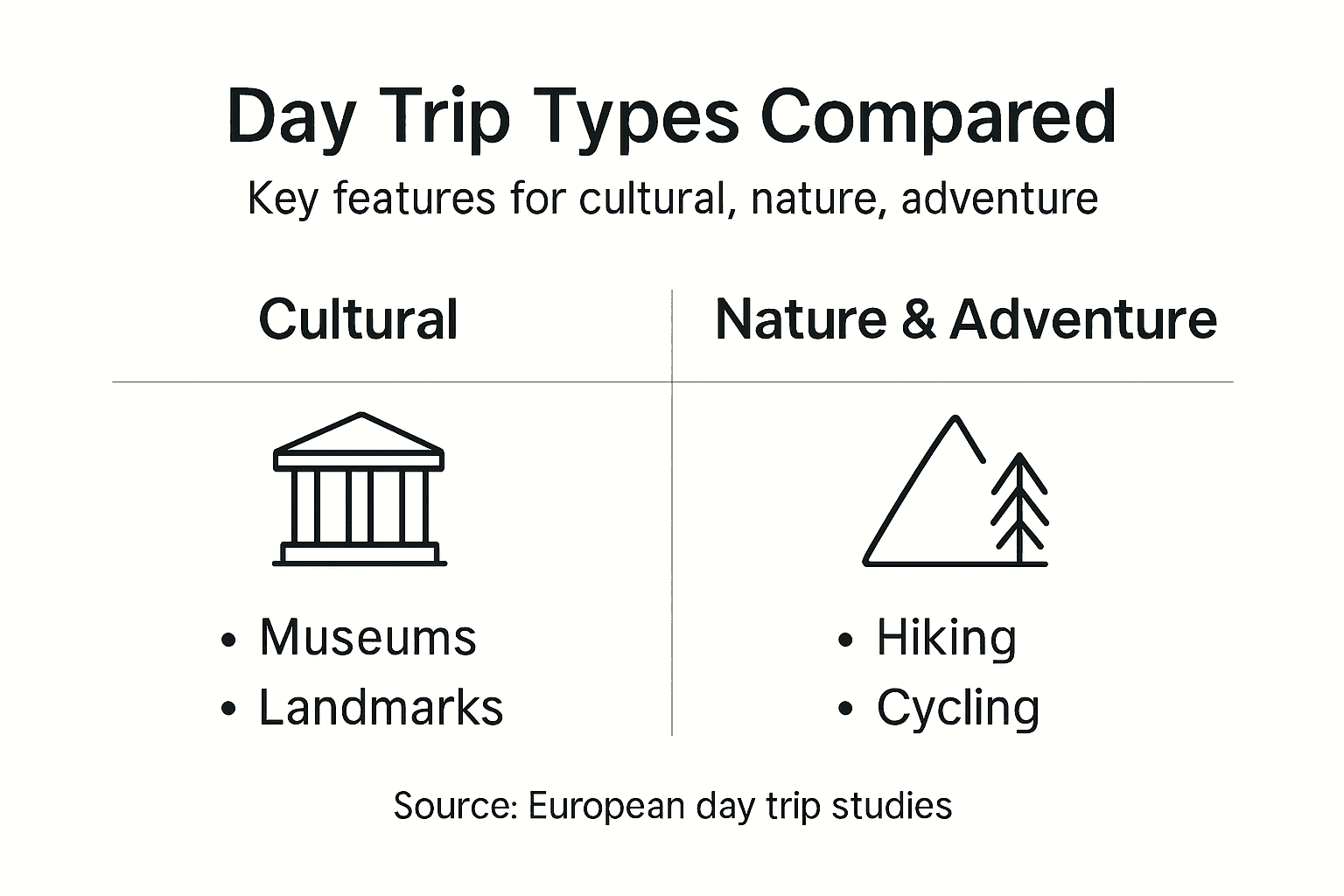
Choosing the right day trip type depends on your interests, physical capabilities, and travel goals. Each category offers distinct benefits and requires different preparation levels.
| Feature | Cultural Trips | Nature Trips | Adventure Trips |
|---|---|---|---|
| Primary Focus | Heritage sites, museums, architecture | Landscapes, parks, scenic routes | Physical activities, sports |
| Physical Demand | Low to moderate walking | Moderate hiking and outdoor movement | High intensity and stamina required |
| Typical Activities | Guided tours, exhibitions, historic towns | Hiking, cycling, wildlife viewing | Kayaking, climbing, mountain biking |
| Weather Dependency | Low, mostly indoor options | Moderate, rain affects enjoyment | High, safety concerns in poor weather |
| Satisfaction Rate | High for history enthusiasts | High for nature lovers | Very high for active travelers |
Cultural trips excel when weather is uncertain or you prefer climate-controlled environments. Museums, cathedrals, and historic districts offer rich experiences regardless of rain. These trips suit travelers of varying fitness levels and provide educational depth.
Nature trips deliver mental health benefits through outdoor exposure and physical movement. Three main day trip categories with distinct features show that nature excursions particularly appeal to those seeking stress relief and scenic beauty. Spring through fall offers optimal conditions.
Adventure trips require more preparation but reward you with adrenaline and accomplishment. These work best for physically fit travelers comfortable with challenging activities. They often combine nature and culture, like kayaking past medieval castles.
Your choice should align with personal goals:
- Seeking knowledge and cultural immersion? Choose cultural trips
- Need outdoor rejuvenation and moderate exercise? Pick nature trips
- Craving physical challenge and unique thrills? Go for adventure trips
- Want variety? Select destinations offering multiple trip type elements
Many successful day trips blend categories. A morning exploring a baroque monastery followed by an afternoon hiking nearby trails combines cultural and nature elements perfectly. This versatility explains why mixed-activity trips achieve higher satisfaction scores.
Compare options through the trip types comparison to find your ideal match.
Conclusion: Making the Most of Your European Day Trips
Understanding what defines a day trip empowers you to plan enriching, logistically sound excursions from cities like Vienna and Budapest. The 3-hour maximum one-way travel time, 100-150 km distance parameters, and emphasis on activity diversity provide a practical framework for success.
Balancing travel time with on-site activities remains crucial. You gain more satisfaction from deeply experiencing one well-chosen destination than rushing through multiple locations. Mixing cultural, nature, and adventure elements keeps your day dynamic and engaging.
Practical logistics make the difference between smooth trips and stressful ones. Early departures, advance transport bookings, flexible itineraries, and weather contingencies ensure you maximize enjoyment while minimizing hassles. These small planning steps compound into significantly better experiences.
Awareness of common misconceptions protects you from overextending your itinerary or choosing inappropriate destinations. Longer distances don’t equal better trips, and single-focus excursions rarely satisfy as much as varied experiences.
Europe’s rich tapestry of close-range destinations offers endless day trip possibilities. From medieval Slovakian towns to Austrian alpine valleys, from Hungarian riverside villages to Czech cultural centers, accessible experiences surround major cities. Confidence in planning parameters lets you explore these treasures efficiently.
Start with realistic expectations, prioritize quality over quantity, and embrace the diversity of experiences within practical travel ranges. Your European day trips will reward you with memorable discoveries, cultural insights, and rejuvenating breaks from urban routines.
Discover Your Perfect Day Trip with Next View Tours
Ready to apply these insights to real trips? Next View Tours specializes in expertly curated day trip experiences throughout Europe, balancing cultural immersion, natural beauty, and adventure activities.
Our customized day trip tours handle all logistics, from transport booking to itinerary optimization, so you focus entirely on enjoying your experience. We design trips within ideal travel time parameters, ensuring you return energized rather than exhausted.
Whether you’re based in Vienna, Budapest, or exploring other European cities, our local expertise identifies destinations offering the perfect mix of activities for your interests. Explore different trip types including cultural heritage tours, nature excursions, and adventure activities, or discover popular day trips from Vienna that showcase the region’s best offerings. Let us transform your day trip planning from stressful to seamless.
What Is a Day Trip? Frequently Asked Questions
What exactly qualifies as a day trip versus a longer excursion?
A day trip is any journey you complete within a single day, returning to your original accommodation without requiring overnight stays. The defining factor is time, not distance, though practical day trips typically stay within 3 hours one-way travel time to maximize on-site enjoyment.
Why does mixing cultural, nature, and adventure activities improve day trip satisfaction?
Variety prevents monotony and engages different senses and energy levels throughout the day. A morning of cultural sightseeing followed by nature activities provides physical balance and creates richer, more memorable experiences than single-focus trips.
What are realistic travel times and distances to avoid fatigue on day trips?
Keep one-way travel under 3 hours and total round-trip distance within 100-150 km for optimal results. Exceeding these limits significantly increases exhaustion and reduces time for actual activities, lowering overall satisfaction with your trip.
How does booking transport early help ensure smooth day trips?
Advance bookings guarantee seat availability, especially during peak seasons, and provide peace of mind about return journeys. You also secure better prices and can plan precise departure times, maximizing your on-site hours without last-minute stress.
What are ideal day trip destinations near Vienna and Budapest for different interests?
From Vienna, cultural enthusiasts enjoy Salzburg or Bratislava, nature lovers explore Wachau Valley, and adventurers head to alpine regions. Budapest offers Szentendre for culture, Danube Bend for nature, and nearby hills for outdoor activities, all within 2-3 hours travel time.


Comments are closed