 Adventure Tours
Selecting the perfect multi-day trip in Europe can feel overwhelming given the incredible variety of routes, difficulty levels, and cultural experiences available. From rugged mountain huts circling Mont Blanc to the challenging coastal terrain of Corsica’s GR20, each journey offers distinct rewards for travelers seeking adventure and cultural immersion. This guide presents proven trip examples with clear criteria to help you match your interests, fitness level, and travel style to Europe’s most compelling multi-day adventures.
Table of Contents
- How To Evaluate And Choose Your Multi-Day Trip In Europe
- Tour Du Mont Blanc: A Classic Alpine Hut-To-Hut Trek
- GR20 In Corsica: Europe’s Toughest Long-Distance Trail
- Comparing Europe’s Top Multi-Day Trips: Features And Suitability
- Explore Expert Multi-Day Trip Planning And Custom Tours With Next View Tours
- Frequently Asked Questions
Key takeaways
| Point | Details |
|---|---|
| Selection criteria | Evaluate trips by destination type, difficulty level, duration, cultural immersion, and logistics like accommodation and season. |
| Iconic Alpine trek | Tour du Mont Blanc covers 170 km through France, Italy, and Switzerland over 10 days with hut-to-hut hiking. |
| Europe’s toughest trail | GR20 in Corsica spans 112 miles with extreme elevation changes, demanding 8-16 days for experienced hikers. |
| Smart planning wins | Book accommodations early, match trip stages to your fitness, and time visits to avoid peak crowds. |
| Custom tour support | Expert guidance from tour providers helps tailor multi-day trips to group needs and preferences. |
How to evaluate and choose your multi-day trip in Europe
Choosing the right multi-day trip starts with understanding what matters most to you. Destination type sets the foundation, whether you prefer mountain passes, Mediterranean islands, or historic city circuits. Trip length and daily distances directly impact your physical demands and pacing, while difficulty level determines whether you need technical skills or can manage with moderate fitness.
Cultural immersion varies significantly between routes. Some trails pass through alpine villages where you interact with local hosts in mountain huts, while others prioritize wilderness solitude. Planning a multi-day hiking trip involves several key steps including destination choice and itinerary creation that align with these priorities.
Logistics deserve careful attention before committing to any route:
- Travel connections to trailheads, especially for island or remote mountain destinations
- Accommodation availability and booking timelines, particularly for popular hut systems
- Seasonality and weather windows that vary by region and elevation
- Budget considerations including permits, lodging, meals, and transportation
- Group size and composition affecting pace and accommodation options
Accommodation style shapes your entire experience. Hut-to-hut systems let you carry lighter packs and enjoy hot meals, while camping trips demand more gear but offer greater flexibility. Consider how much weight you can comfortably carry for consecutive days when making this choice.
Timing matters more than most travelers realize. Peak season crowds can diminish trail experiences and inflate costs, while shoulder seasons offer better availability with acceptable weather. Our step-by-step Europe tour guide walks through optimal timing strategies for different regions.
Pro Tip: Prioritize connection and quality over checking multiple destinations off a list. A well-paced journey through one region creates more memorable experiences than rushing through several.
Tour du Mont Blanc: a classic Alpine hut-to-hut trek
The Tour du Mont Blanc ranks among Europe’s most celebrated multi-day treks, encircling Western Europe’s highest peak through three countries. The route spans approximately 170 km over 10 days with daily stages connecting mountain refuges that provide meals and bunks. Most hikers start at Les Houches in France and move counterclockwise through stunning alpine terrain.
Each day brings varied landscapes and cultural encounters. You traverse high mountain passes with panoramic views of glaciers and peaks, descend into verdant valleys dotted with traditional chalets, and cross international borders marked only by trail signs. The hut system eliminates camping gear, allowing you to focus on the walking experience.
| Stage | Distance | Elevation Gain | Highlights |
|---|---|---|---|
| Les Houches to Les Contamines | 18 km | 1,150 m | Forest trails, mountain villages |
| Col de la Seigne to Courmayeur | 15 km | 450 m | Italian Alps, glacial views |
| Grand Col Ferret to La Fouly | 14 km | 850 m | Swiss border crossing, alpine meadows |
| Champex to Trient | 17 km | 900 m | Panoramic ridges, wildlife spotting |
Pack weight strategy makes a significant difference in enjoyment. Target 6-10 kg excluding water since huts provide bedding and meals. Essential items include weather layers for sudden alpine storms, sturdy hiking boots broken in before departure, and trekking poles for steep descents.
The best hiking season runs late June through mid September when huts operate fully and snow has cleared from high passes. Book refuges 6-8 months ahead for July and August dates. Avoid the UTMB race week in late August when trails become congested and lodging scarce.
Physical preparation should include regular hiking with elevation gain in the months before departure. Daily stages average 5-7 hours of walking with significant ups and downs. While technical climbing skills aren’t required, solid cardiovascular fitness and joint stability matter greatly.
Pro Tip: Plan each stage to end at your booked hut rather than pushing to cover more distance, ensuring you arrive rested enough to enjoy evening meals and mountain sunsets. Explore our specialized Alps hiking trips for guided options with logistics handled.
GR20 in Corsica: Europe’s toughest long-distance trail
Corsica’s GR20 has earned its reputation as the continent’s most demanding thru-hike through relentless terrain and dramatic elevation changes. This 112-mile trek features approximately 41,900 feet of cumulative elevation gain and loss across the island’s mountainous spine. Rocky ridgelines, steep scrambles, and exposed traverses require both physical endurance and mental determination.
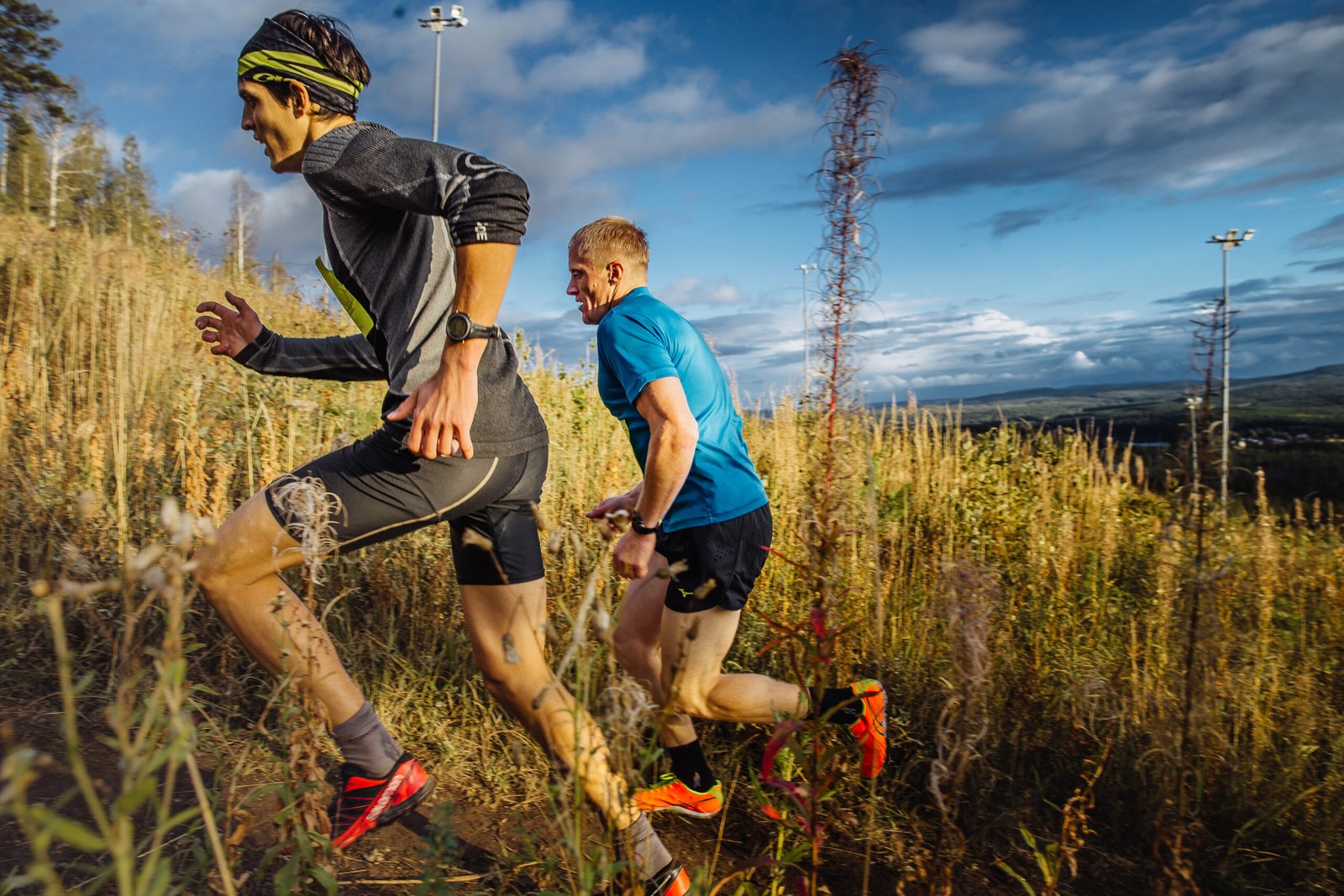
The trail divides into northern and southern sections, with the north presenting greater technical challenges. Granite slabs demand careful foot placement, while metal chains and ladders assist on the steepest pitches. Unlike gentler European trails, the GR20 offers little flat walking and constant vigilance against loose rocks.
Completion times vary widely based on experience and fitness:
- Elite athletes finish in under a week at racing pace
- Strong hikers typically need 10-12 days with full days of walking
- Most trekkers plan 14-16 days allowing rest time and flexibility
- Some split the route, tackling north or south sections separately
The hut system differs from Alpine refuges with more basic facilities and camping areas nearby. Guardians sell simple meals and drinks, but many hikers carry cooking gear for budget flexibility. Water sources punctuate the route though summer heat increases consumption needs significantly.
Best hiking window opens June through mid October, with July and August bringing scorching temperatures at lower elevations. Early season snow lingers on high passes while late season offers stable weather but shorter days. Spring and fall reduce crowds substantially though some huts may close.
Island logistics add complexity to planning. Most hikers fly into Bastia or Ajaccio, then arrange shuttle transport to Calenzana (north start) or Conca (south start). Return transport requires advance booking as public options remain limited. Our multi-day trip organization guide covers these logistical details comprehensively.
Physical preparation cannot be overstated for GR20 success. Train with weighted packs on uneven terrain, build ankle strength for rocky surfaces, and develop comfort with exposure on ridges. Mental readiness for consecutive demanding days proves equally important.
Pro Tip: Plan arrival logistics carefully including extra days before and after for weather delays or rest, as the island’s remote nature means limited flexibility once committed to the trail.
Comparing Europe’s top multi-day trips: features and suitability
Direct comparison reveals how different European multi-day trips serve distinct traveler profiles and preferences. Understanding these differences helps match your capabilities and interests to the right adventure. Europe’s popular multi-day hikes vary greatly in length, difficulty, best season, and cultural experience.
| Trip Name | Distance | Duration | Difficulty | Best Season | Accommodation | Ideal For |
|---|---|---|---|---|---|---|
| Tour du Mont Blanc | 170 km | 10-12 days | Moderate-Hard | Late Jun-Mid Sep | Mountain huts | Couples, groups, fit families |
| GR20 Corsica | 180 km | 8-16 days | Very Hard | Jun-Mid Oct | Basic huts, camping | Experienced hikers, adventure seekers |
| Camino Portugues | 240 km | 10-14 days | Easy-Moderate | Apr-Oct | Albergues, hotels | Families, cultural travelers, all fitness |
| West Highland Way | 154 km | 7-8 days | Moderate | May-Sep | B&Bs, hostels | Beginners, groups, nature lovers |
Difficulty assessment combines daily distance, elevation change, terrain technicality, and consecutive day demands. The Tour du Mont Blanc requires solid fitness but no technical skills, while GR20 demands scrambling ability and high endurance. Cultural routes like the Camino prioritize walking distance over elevation, suiting broader fitness ranges.
Season timing affects more than weather. Peak summer brings guaranteed hut operations and stable conditions but also crowds and premium pricing. Shoulder seasons balance favorable weather with better availability and authentic local interactions as tourist numbers drop.
Family suitability depends on children’s ages and hiking experience. Gentler trails with shorter daily stages and comfortable lodging work better for younger kids. Teenagers with backpacking experience can tackle moderate alpine routes if properly prepared. Review our multi-day Europe tours overview for family-appropriate options with flexible pacing.
Couples often prefer routes balancing physical challenge with romantic settings and quality accommodations. Alpine circuits deliver stunning scenery and cozy mountain huts, while coastal paths offer seafood dinners and sunset views. Groups of friends gravitate toward trails with lively hut atmospheres and evening social opportunities.
Cultural immersion varies from trails passing through working villages where you experience local life to wilderness routes where nature takes center stage. Consider whether you want daily interactions with local hosts or prefer backcountry solitude when selecting your trip.
Logistical complexity impacts trip planning significantly. Island destinations require flights and shuttles, remote trailheads need careful transport coordination, and popular routes demand advance hut reservations. Factor these elements into your decision timeline and budget.
Explore expert multi-day trip planning and custom tours with Next View Tours
Turning inspiration into reality becomes straightforward with experienced guidance tailored to your group’s needs and preferences. Next View Tours specializes in organizing multi-day European adventures that match your fitness level, interests, and travel style whether you seek rugged mountain challenges or cultural walking tours through historic regions.
Our multi-day trip organization guide provides comprehensive planning resources covering everything from optimal packing lists to accommodation booking strategies. We handle complex logistics like trailhead transfers, hut reservations, and route customization so you focus on the experience rather than coordination stress.
Explore our range of trip types including adventure treks, nature immersion journeys, and family-friendly multi-day tours across Austria, Switzerland, Italy, France, and beyond. Our seasoned trip planners know Europe’s trails intimately and craft itineraries balancing challenge with enjoyment, ensuring each day delivers memorable moments without overwhelming your group.
Whether you want a supported trek with luggage transfers between huts or a fully guided experience with local experts sharing cultural insights, our multi-day Europe tours offer flexible options. We customize pace, accommodation style, and daily distances to your specifications, creating the perfect balance for couples seeking romance, families building memories, or friend groups chasing adventure together.
Frequently asked questions
How long should a typical European multi-day trip last?
Typical durations range from 7 to 16 days depending on the route chosen and your hiking experience. Alpine circuits like Tour du Mont Blanc average 10-12 days, while the demanding GR20 requires 8-16 days based on fitness. Adjust length based on your available vacation time, physical conditioning, and desired daily pace.
What is the best time of year to hike popular European multi-day trails?
Best seasons vary by trail and region. Tour du Mont Blanc runs late June to mid-September when huts operate and high passes clear of snow, while GR20 extends June to mid-October with summer heat being a consideration. Plan trips during shoulder seasons to avoid peak crowds and book accommodations 6-8 months early for popular July-August dates.
How do I prepare my gear for a hut-to-hut hiking trip?
Pack light, targeting 6-10 kg excluding water for hut-based treks. Hut accommodations eliminate tent, sleeping bag, and cooking gear needs, allowing you to carry only clothing layers, rain protection, personal items, and daily snacks. Bring weather-appropriate clothing for mountain conditions and quality hiking boots broken in before departure.
Can multi-day trips in Europe accommodate families and groups with different fitness levels?
Many trips offer flexible stages and alternative routes suitable for varying fitness levels within groups. Choosing less demanding trails like the Camino routes or working with guided tour providers helps accommodate mixed-ability groups effectively. Consider trips with shorter daily distances, moderate elevation gain, and comfortable lodging when traveling with children or less experienced hikers.
Recommended
- Ultimate Multi-Day Trip Organization Guide for Europe – Next View Tours
- 7 Inspiring Examples of Adventure Trips Worldwide – Next View Tours
- Multi-Day Europe Tours from Vienna 2026 | NextView Tours
- Adventure Trip Planning Guide for Epic European Tours – Next View Tours
- Small Group Travels to Europe are Best | Elite Travel


Comments are closed