
 Adventure Tours
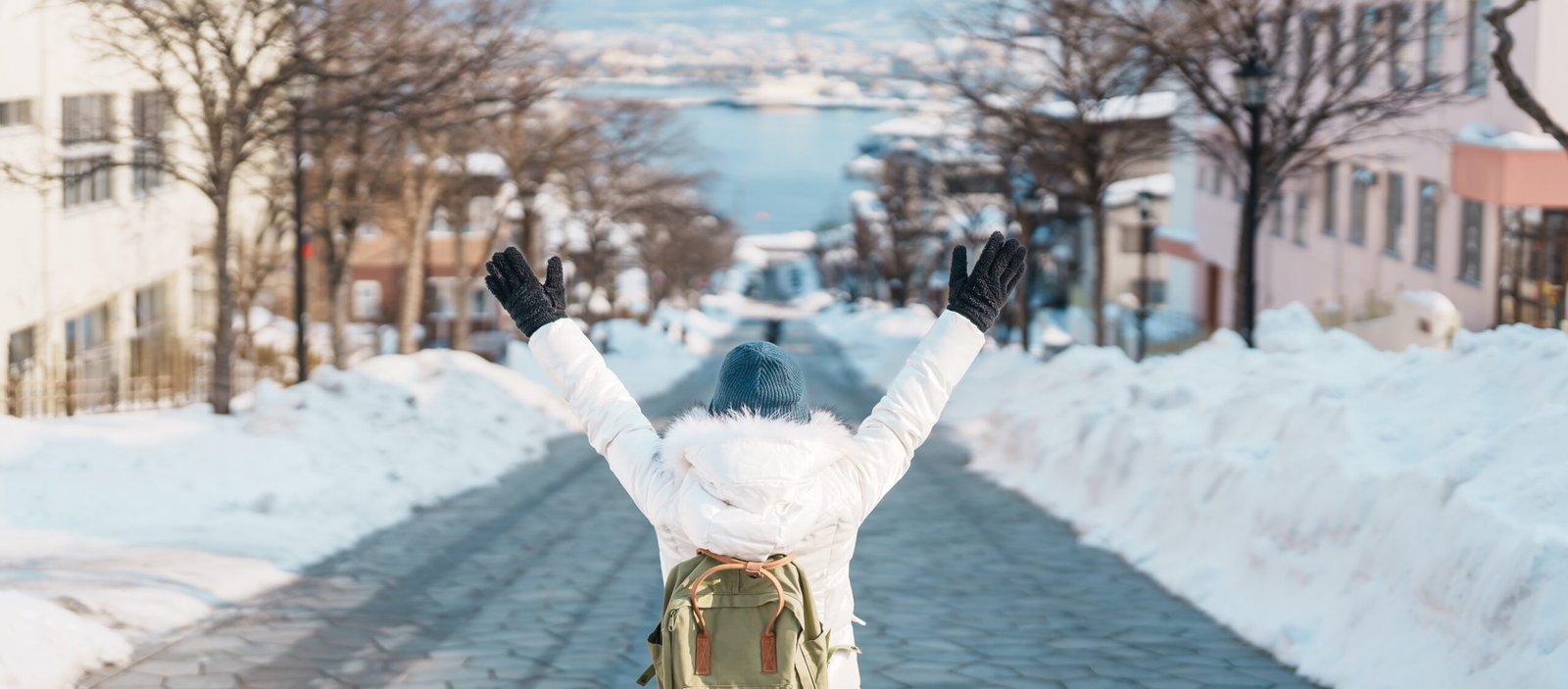
Winter in Europe is no longer just a season to endure but an invitation to adventure for those craving genuine connection and one-of-a-kind experiences. With the rise of immersive activities in places like Iceland, Finland, and Norway, travelers now discover exclusive access to winter wonderlands featuring ice hotels, reindeer sleigh rides, and Northern Lights expeditions. If you dream of exploring Vienna’s twinkling Christmas markets or Prague’s atmospheric streets without the summer rush, winter tours provide the chance to engage with local culture, breathtaking landscapes, and unique adventures that redefine what a European getaway can be.
Table of Contents
- Winter Tour Benefits And Core Appeal
- Types Of Winter Experiences In Europe
- Adventure Activities And Unique Events
- Cultural, Scenic, And Festive Highlights
- Cost Advantages And Practical Considerations
Key Takeaways
| Point | Details |
|---|---|
| Authentic Experiences | Winter travel in Europe offers genuine local interactions, avoiding the chaos of summer crowds. |
| Cost Advantages | Traveling in winter can lead to significant savings on accommodations and flights. |
| Variety of Activities | Winter opens up diverse experiences, from winter sports to cultural immersions and festivals. |
| Optimal Timing | To maximize benefits, book tours in January or February for lower prices and fewer crowds. |
Winter Tour Benefits and Core Appeal
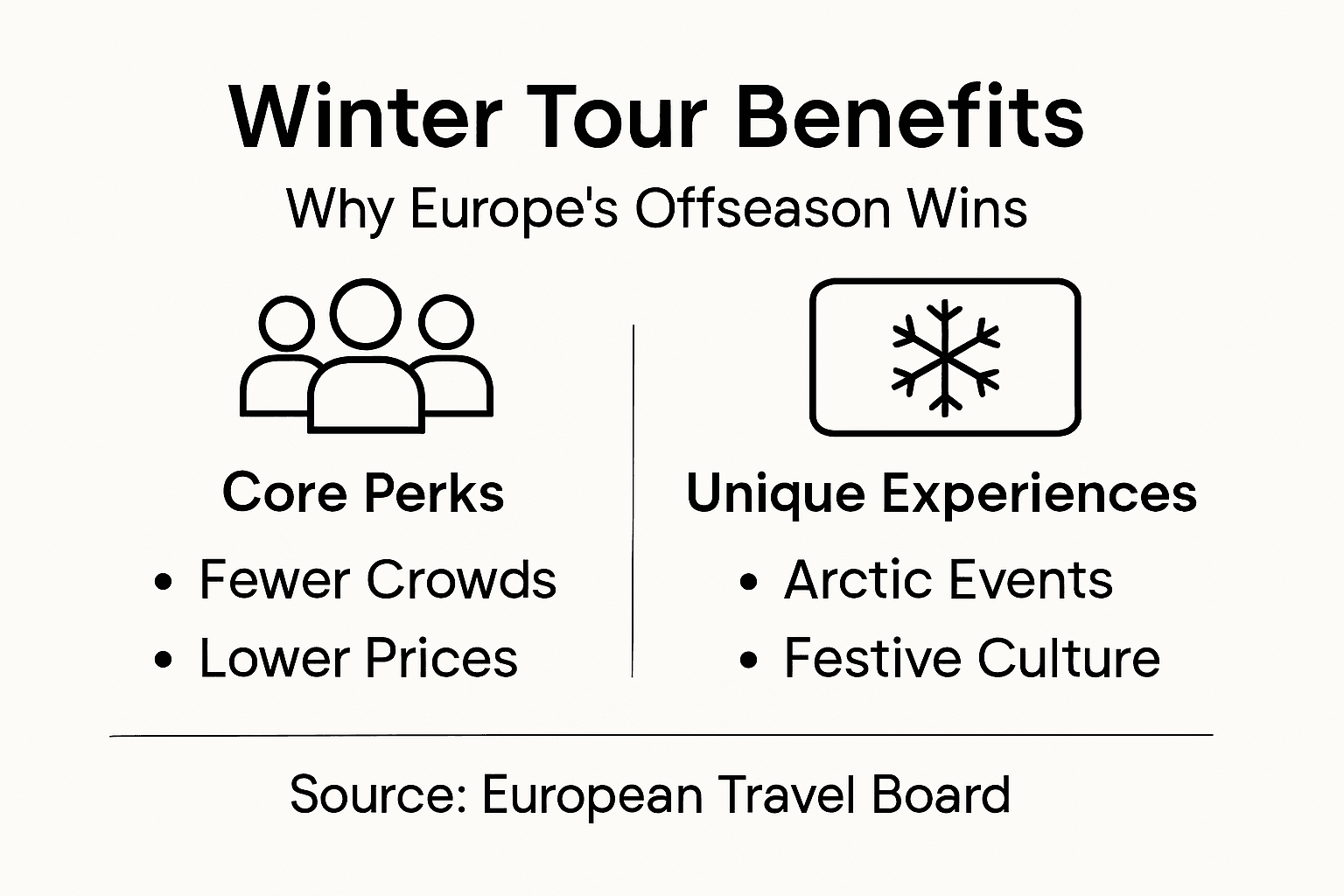
Winter in Europe transforms from a season travelers skip into a destination reason all its own. Where summer once dominated European tourism, winter now offers something entirely different: exclusive access to experiences you simply cannot find during warmer months. The appeal goes beyond just colder temperatures. Winter travel delivers a complete reimagining of how you connect with European culture, landscapes, and adventure.
The magic starts with authenticity. Winter strips away the summer chaos and tourist overflow that can overwhelm popular European destinations. You get to experience Vienna’s Christmas markets with genuine local crowds rather than endless tour groups. Prague’s cobblestone streets feel like they belong to the city again, not to Instagram captions. This seasonal shift means you’re interacting with real European life, not a performance of it. Northern European destinations like Iceland, Finland, and Norway have emerged as winter travel leaders precisely because they offer immersive experiences like ice bars, reindeer sleigh rides, and Northern Lights viewing that define winter adventure. But here’s what matters for you: these same principles apply across all of Europe’s winter offerings. The exclusivity of experiencing these moments creates deeper memories than any packed summer beach or crowded plaza ever could.
Beyond the atmospheric appeal, winter tours deliver practical advantages that impact your travel experience directly. You’ll encounter shorter wait times at major attractions, lower accommodation prices, and easier access to restaurants and museums without reservation frustrations. The weather itself becomes part of the adventure rather than an obstacle. Snowfall transforms familiar European landscapes into something unrecognizable and breathtaking. Imagine exploring Salzburg’s fortress with fresh snow blanketing the city below, or hiking through the Austrian Alps when pristine white covers every ridge. Winter tourism also addresses a real economic opportunity across Europe. Winter tourism now extends the travel season beyond summer, supporting growth in colder regions while diversifying tourism demand across seasons. This means tour operators have invested heavily in winter infrastructure and experiences, giving you better accommodations, more experienced guides, and specialized services designed specifically for cold-weather adventure.
Consider what adventure tours deliver: physical engagement, cultural immersion, and personal challenge. Winter multiplies each of these elements. A standard hiking tour becomes an Alpine adventure when snow-covered peaks demand different skills and planning. A city tour transforms into something more meaningful when you’re exploring with a local guide during the season they love most. Whether you’re interested in outdoor pursuits like cross-country skiing and snowshoeing, or cultural experiences like traditional Christmas celebrations and local winter festivals, winter tours provide variety impossible to access during other seasons. The combination of fewer crowds, lower prices, authentic local experiences, and specially designed winter activities creates what many travelers consider the true European experience.
Pro tip: Book your winter tour for early January through February when prices drop even further after holiday season, yet many special winter experiences remain fully operational and less crowded than December.
Types of Winter Experiences in Europe
Europe’s winter offerings divide into distinct categories, each catering to different travel preferences and skill levels. Understanding what’s available helps you choose experiences that match your interests and physical capabilities. The continent transforms into multiple destination types during winter months, from snow-covered mountain peaks to charming coastal cities with festive atmospheres. What makes winter unique is that you can access completely different experiences within a single trip, mixing adventure with cultural immersion.
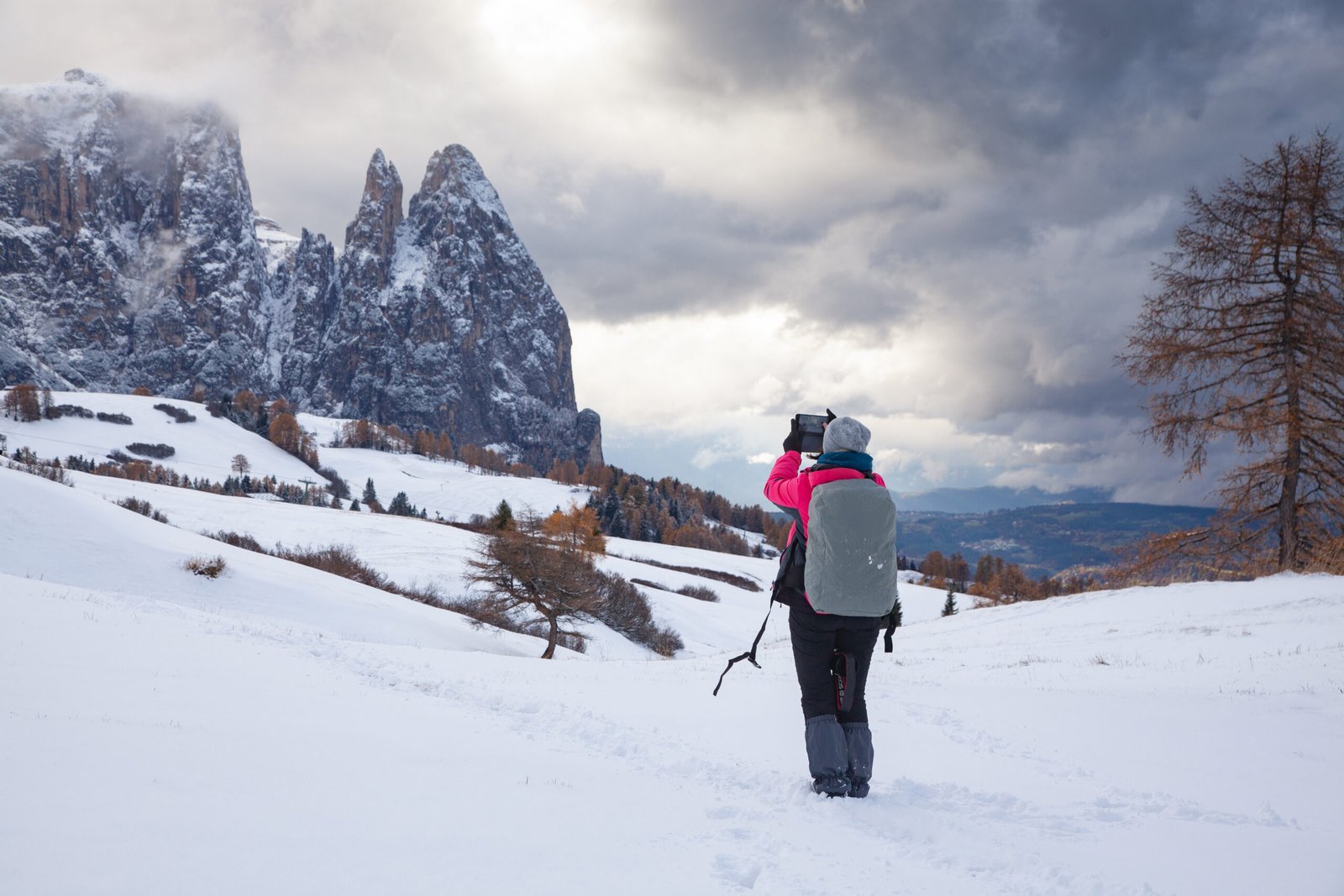
Mountain regions dominate Europe’s winter adventure landscape. The Alps, Pyrenees, and Scandinavian mountains attract serious athletes and casual enthusiasts alike. Slope ski touring and traditional downhill skiing represent the most popular mountain activities, but the variety extends far beyond standard resort skiing. You can try cross-country skiing through pristine forests, snowshoeing on mountain trails, ice climbing on frozen waterfalls, and backcountry ski touring for those seeking solitude and technical challenge. Alpine regions also offer unique experiences like staying in mountain lodges, learning from local guides about winter avalanche safety, and accessing trails that only open during winter months when snow creates accessible routes. Austria’s Ötztal and Switzerland’s Jungfrau region provide world-class facilities combined with traditional village charm. The key advantage of mountain winter tourism is that physical intensity is entirely adjustable. You can spend mornings on beginner slopes and afternoons relaxing in hot springs, or push yourself with multi-day ski touring expeditions across mountain passes.
Coastal and city experiences create a completely different winter atmosphere that appeals to travelers seeking warmth, culture, and festive celebrations. Winter tourism in Europe’s southern regions and coastal areas attracts visitors preferring milder climates paired with holiday market experiences. Vienna’s Christmas markets showcase Austrian traditions, Prague’s winter architecture becomes even more dramatic with frost and occasional snow, and Mediterranean coastal towns offer escapes to warmer weather combined with local food and wine experiences. City-based winter tours typically include cultural attractions like museums and historic sites, with the bonus of far shorter lines than summer visits. You’ll discover authentic local restaurants without tourist markup, attend classical music performances in concert halls, and experience genuine holiday celebrations with residents rather than fellow travelers. Many city tours extend into nearby countryside for day trips to Salzburg’s winter markets, Hallstatt’s snow-covered villages, or Hungarian thermal baths in Budapest.
Nature-based experiences occupy the middle ground between intense mountain sports and city exploration. Winter tourism across Europe offers nature-focused activities including wildlife watching, photography tours following Northern Lights, forest hiking with seasonal beauty, and visits to frozen lakes and frozen waterfalls. These experiences require less technical skill than alpine sports but provide deeper connection to winter landscapes than city tours offer. Hungarian national parks, Slovak wilderness areas, and Austrian lake regions transform into serene landscapes perfect for contemplative travel. Photography enthusiasts discover that winter light creates dramatic conditions impossible to replicate in other seasons. Wildlife activity patterns shift during winter, offering unique opportunities to observe animals in their natural winter behavior. Many travelers combine multiple experience types within one tour, spending three days mountain skiing followed by three days exploring Prague’s winter culture and markets.
Here’s a summary comparing key types of winter tour experiences in Europe:
| Experience Type | Typical Activities | Ideal For | Notable Destinations |
|---|---|---|---|
| Mountain Adventure | Ski touring, snowshoeing, ice climbing | Outdoor enthusiasts | Alps, Pyrenees, Jungfrau |
| Cultural City Tours | Markets, architecture, concerts, museums | Culture seekers | Vienna, Prague, Budapest |
| Nature-Based Escapes | Wildlife watching, Northern Lights, hiking | Scenic exploration | Iceland, Slovakia, Austria |
Pro tip: Match your experience type to January or early February timing when ski resorts operate fully, city attractions remain open, and prices drop significantly compared to December, giving you maximum options across all experience categories.
Adventure Activities and Unique Events
Winter Europe transforms into an adventure playground that defies the quiet, static image many travelers associate with cold months. The activities available range from adrenaline-fueled pursuits to contemplative experiences that connect you with landscapes and cultures in ways summer simply cannot match. What distinguishes winter adventures is that they combine physical challenge with cultural immersion, creating experiences that reshape how you understand European geography and local traditions.
Action-packed activities dominate winter adventure offerings across Europe’s varied terrain. Skiing, snowboarding, ice climbing, and snowmobiling represent the traditional core of winter sports, but modern winter tourism has expanded exponentially beyond these basics. Wilderness trekking on snow-covered paths offers a completely different experience from summer hiking. The landscape becomes unrecognizable, trails disappear under snow, and navigation requires different skills entirely. Ice climbing on frozen waterfalls in Austrian gorges delivers an intense physical and mental challenge that creates genuine accomplishment. Cross-country skiing through silent forests provides meditative adventure where speed and distance matter less than the rhythm and connection with nature. Snowmobiling expeditions across Scandinavian terrain combine accessible thrills with remote landscape exploration. The beauty of winter sports is that difficulty levels scale dramatically. You can take a beginner ski lesson in the morning and genuinely enjoy your first runs down gentle slopes, or you can book advanced backcountry expeditions that demand serious technical preparation and physical conditioning.
Where winter truly distinguishes itself is through experiences impossible to access in other seasons. Reindeer sleigh rides, ice hotel stays, and ice bathing after traditional saunas blend adventure with cultural traditions that have survived centuries in Northern Europe. These activities transform winter from a season to endure into one to celebrate. Imagine riding behind reindeer across frozen Scandinavian lakes under star-filled skies, sleeping in a structure built entirely from ice and snow, then experiencing the shocking transition from sauna heat to frozen water immersion. These aren’t just novelties. They connect you with how local populations have thrived in harsh winter conditions for generations. Christmas markets across Vienna, Prague, and Salzburg create festive adventure where you navigate medieval squares, sample regional foods, and experience how Europeans celebrate winter as a culturally significant season rather than an inconvenience. Northern Lights viewing expeditions transform the night sky into your primary adventure zone. Unlike daytime activities with clear beginning and end points, chasing auroras requires patience, flexibility, and willingness to adapt to natural phenomena beyond your control. Photography tours following the Northern Lights combine technical skill development with the raw beauty of one of Earth’s most dramatic natural events.
The combination of activities and events creates trip variety that keeps each day feeling distinct. You might start your week with intense mountain skiing that exhausts your muscles but energizes your spirit. Move into day three with a Christmas market exploration that engages your senses through food, music, and craftsmanship. Transition to wildlife photography in protected national parks where you observe winter animal behavior. End your trip with a cultural evening experiencing traditional music in a Vienna concert hall. This layered approach to winter adventure means you’re not pigeonholed into one experience type. The versatility of winter adventure planning allows you to discover which activities resonate most strongly with your preferences while maintaining fresh perspectives throughout your journey.
Pro tip: Book adventure activities for early morning slots when conditions are optimal and crowds minimal, reserving afternoons for event experiences like Christmas markets or thermal baths that benefit from midday timing.
Cultural, Scenic, and Festive Highlights
Winter transforms European destinations into stages for cultural experiences and visual spectacles that simply cannot happen during other seasons. The combination of holiday traditions, snow-draped landscapes, and reduced crowds creates an environment where you connect more deeply with local culture and European heritage. What makes winter highlights distinct is their temporal quality. They exist for specific weeks, then disappear until the following year, making winter travel feel exclusive and time-sensitive in ways that extend the travel season optimally.
Festive celebrations anchor the winter experience across Europe’s historic cities. Christmas markets in historic cities, winter festivals, and holiday celebrations create atmospheric environments that transport you directly into European traditions. Vienna’s Christmas markets operate since the 1600s, transforming city squares into vendor-filled gathering spaces where locals and travelers blend seamlessly. Prague’s markets showcase Czech craftsmanship alongside mulled wine and traditional foods. Salzburg’s festive atmosphere connects directly to Mozart’s birthplace, adding layers of cultural significance beyond simple holiday shopping. These aren’t commercialized shopping experiences like mall events in the United States. European Christmas markets operate as genuine community gathering spaces where families return year after year, where vendors often occupy the same stall locations for decades, and where local traditions define the entire experience. You’ll find handmade ornaments crafted by artisans, regional foods specific to each country, and wooden toys built using methods unchanged for generations. The atmosphere naturally encourages slowing down, conversing with vendors, and sampling offerings rather than rushing through purchases.
Scenic landscapes reach their dramatic peak during winter months when snow transforms familiar terrain into something unrecognizable and breathtaking. The Northern Lights, Alpine peaks, and snow-blanketed towns create visual experiences that justify winter travel independently. The Aurora Borealis phenomenon occurs year-round but becomes visible only during winter darkness in Northern latitudes. Watching green and purple light waves dance across a star-filled sky creates moments of genuine awe that photographs cannot fully capture. Alpine scenery becomes more dramatic under snow cover. Peaks stand sharper, ridges more defined, and valleys deeper when snow accentuates the landscape’s geometry. Hallstatt in Austria transforms into something resembling a medieval painting when snow covers the village rooftops and reflects light across the frozen lake. These scenery moments aren’t confined to mountain regions. European towns across Austria, Czech Republic, and Slovakia develop a fairy-tale quality under winter conditions that makes every street corner photogenic.
Cultural experiences deepen when you’re exploring European destinations with rich heritage during winter’s quieter season. Museums operate with minimal crowds, allowing genuine engagement with art and history rather than fighting through tourist masses. Classical music performances in Vienna’s concert halls take on added significance when you’re experiencing them in the source city during its most festive season. Theater productions and opera performances in Prague become more accessible without summer competition from open-air events. Traditional folk celebrations still occur regularly but with genuine local participation rather than performances staged for tourists. You might encounter traditional caroling groups, witness authentic nativity plays, or participate in local New Year celebrations that reflect centuries of European tradition. The combination creates what many travelers describe as experiencing Europe’s soul during winter rather than its postcard facade during summer months.
Pro tip: Visit Christmas markets in the evenings after 5 PM when daylight fades and lighting transforms the venues into magical spaces, but arrive early enough to avoid the densest crowds that typically build after 7 PM.
Cost Advantages and Practical Considerations
Winter travel to Europe presents a financial opportunity that contradicts the common assumption that winter equals premium pricing. The economics work in your favor during cold months, but only if you understand where savings materialize and which practical preparations matter most. Unlike summer travel where demand drives prices upward across accommodation, transportation, and attractions, winter operates on inverse economics. Lower demand translates into tangible savings that can substantially reduce your overall trip cost while improving your actual experience through shorter lines and more attentive service.
Financial Advantages That Impact Your Budget
Accommodation costs in winter drop significantly compared to peak summer travel, particularly in popular cities like Vienna, Prague, and Salzburg. Hotels that charge $250 per night in July operate at $80 to $120 during January and February. This pricing differential isn’t marginal. It represents real savings that accumulate across even a week-long trip. Flight costs follow similar patterns. American and British travelers flying to European hubs typically find airfares 30 to 50 percent lower during winter months compared to summer peaks. Restaurant pricing remains consistent year-round, but you’ll access better tables at acclaimed establishments without advance reservations, meaning you can enjoy quality dining at the same price points as lower-end summer experiences. Attraction entry fees don’t decrease, but reduced crowds mean you spend less time waiting and more time actually experiencing what you paid for.
The broader economic benefit extends beyond your individual budget. Winter tourism spreading demand across seasons creates better service quality throughout the year. Tour operators can maintain staff consistently rather than hiring seasonal workers, meaning experienced guides lead your winter tours instead of summer interns. Regional economies in Alpine areas, Czech border regions, and Austrian countryside benefit from stable winter tourism, allowing local businesses to invest in better facilities and services year-round.
Practical Preparations That Ensure Success
Winter travel success depends less on luck than on honest preparation. Cold weather demands appropriate clothing, and this isn’t just comfort—it affects safety. Layers work better than single heavy jackets. Thermal base layers, fleece midlayers, and waterproof outer shells provide flexibility as you move between cold outdoors and heated interiors. Quality insulated boots with proper traction prevent falls on icy surfaces. Gloves, hats, and scarves address temperature extremes. This preparation investment typically costs $150 to $300 upfront but prevents the scenario where you buy expensive emergency gear at European tourist prices because you underprepared.
Planning optimal routes and timing visits strategically maximizes both cost and experience. Winter creates seasonal variations in what operates and when. Ski resorts peak in late December and January, then offer better pricing in February. Christmas markets run November through December 23, then vanish. Northern Lights visibility peaks during December through February darkness. Weather variability in lower elevations means rain and fog rather than snow in many areas during early December. Timing your itinerary to coincide with specific events and seasons determines whether you experience what you traveled for or encounter closed attractions and unpredictable conditions.
Travel insurance becomes genuinely valuable during winter. Flight disruptions from snow occur more frequently than summer cancellations. Trip insurance covering weather-related delays costs $100 to $200 but protects thousands in rebooked flight costs. Baggage coverage protects expensive winter gear. Medical coverage matters more when weather increases accident risk from falls and cold-weather exposure.
Here’s a quick reference for cost advantages and practical winter tips:
| Aspect | Winter Advantage | Key Preparation Tip |
|---|---|---|
| Accommodation | Up to 50% cheaper than summer | Book January for best rates |
| Flights | 30%–50% lower fares in winter | Purchase tickets 2–3 months ahead |
| Activities | Shorter lines, special events | Reserve activities early morning |
| Clothing | Essential for safety and comfort | Invest in layered gear before travel |
| Insurance | More weather disruptions in winter | Choose comprehensive trip coverage |
Creating a Practical Winter Itinerary
Balance activity intensity with rest days. Winter physical demands differ from summer travel. Snow hiking exhausts more than summer trails. Cold weather taxes your body differently. Building recovery time into your itinerary prevents the exhaustion that turns tours into endurance tests rather than adventures. Mix high-intensity days with lower-stress cultural experiences. Combine one skiing day with one Christmas market day. Follow intense mountain activities with relaxing thermal bath sessions.
Transportation planning requires attention to winter conditions. Trains operate reliably year-round across Austria and Czech Republic. Rental cars become viable only if you’re comfortable driving in potential snow and ice. Regional buses connect smaller towns but may run on modified schedules during winter months. Booking transportation in advance provides certainty that last-minute scrambling doesn’t offer.
Pro tip: Book your winter tour for January rather than December to access 30 to 40 percent lower accommodation rates, avoid holiday pricing premiums, and still experience operating ski resorts and festive atmospheres without peak-season crowds.
Discover Your Perfect Winter Adventure Across Europe
Winter travel offers unmatched thrills and authentic cultural moments that go beyond the usual summer crowds and high prices. If you want to experience Europe’s breathtaking snow-covered mountain peaks, festive city celebrations, and unique nature escapes without the hassle of long lines or inflated costs then exploring specialized winter tours is the key. This season challenges you to embrace new adventures with the right preparation while unlocking deeper connections with local traditions and landscapes.
With that in mind, Next View Tours provides expertly crafted options tailored to your winter goals. Whether you seek exhilarating alpine experiences offered in our Mountain Tours – Next View Tours category or prefer a blend of cultural immersion and seasonal festivities seen in our diverse Adventure Tours – Next View Tours lineup, we ensure every moment reflects Europe’s true winter spirit. Avoid overpriced accommodations and crowded attractions by booking your winter escape through Next View Tours today.
Start planning now to capture the magic of Europe’s winter season with expert guides, flexible itineraries, and cost-saving benefits. Visit our website and find your ideal winter tour before prices rise and availability diminishes. Your unforgettable cold-weather adventure awaits.
Frequently Asked Questions
What are the benefits of winter travel in Europe?
Winter travel in Europe offers shorter wait times at attractions, lower accommodation prices, and authentic local experiences without summer crowds. Visitors can enjoy unique seasonal activities and engage with European culture in a more meaningful way.
What types of activities can I expect on a winter tour in Europe?
Winter tours in Europe include a variety of activities such as skiing, snowshoeing, ice climbing, visiting Christmas markets, and enjoying local winter festivals. Each experience varies by region and can cater to different physical capabilities and interests.
How can I prepare for winter travel in Europe?
Preparing for winter travel includes investing in layered clothing, quality insulated boots, and ensuring you have the appropriate gear for cold weather. Additionally, consider booking trips during off-peak times and securing travel insurance to cover potential weather-related disruptions.
When is the best time to book a winter tour in Europe for savings?
Booking a winter tour in early January through February is ideal since prices drop significantly after the holiday season while many winter experiences remain available. This timing allows travelers to enjoy the benefits of lower costs and fewer crowds.


Comments are closed