
 City Tour
Think planning a trip across Eastern Europe means choosing between Soviet gray cities and generic countryside? Many adventurous couples from the USA and UK realize quickly how outdated that idea is the moment they arrive. This region offers striking contrasts, with vibrant cultural heritage and untamed landscapes hidden behind old stereotypes. Discover what makes each destination unique and why treating Eastern Europe as one monolithic place means missing the scenes and flavors most travelers seek.
Table of Contents
- Eastern Europe Defined and Misconceptions
- Major Regions and Distinct Destinations
- Cultural Experiences Beyond the Mainstream
- Nature Adventures and Outdoor Activities
- Real Costs, Safety, and Practical Tips
- Common Mistakes Adventurers Should Avoid
Key Takeaways
| Point | Details |
|---|---|
| Diverse Region | Eastern Europe comprises distinct countries with unique cultures and histories; avoid viewing it as a monolithic destination. |
| Affordable Travel | The region offers great value, with experiences costing significantly less than in Western Europe. |
| Cultural Immersion | Engage with local traditions and heritage through smaller towns and festivals for a richer experience. |
| Travel Logistics | Focus on a few regions at a time to maximize your immersion and reduce travel fatigue. |
Eastern Europe Defined and Misconceptions
Eastern Europe isn’t a single place with one culture or history. It’s a region spanning from Poland down to Romania, from the Baltic states to Bulgaria, containing wildly different languages, cuisines, architectures, and traditions. The term “Eastern Europe” itself is somewhat arbitrary, born from Cold War politics rather than geography or culture. Even today, many countries in this region prefer being called “Central Europe” because that better reflects their historical and cultural alignment. Understanding this distinction matters before you plan your trip.
The biggest misconception about Eastern Europe comes from Western-centric historical views that treat the region as monolithic or backward. Many travelers arrive expecting Soviet gray architecture, poor infrastructure, and limited amenities. What they discover instead are vibrant cities like Budapest with thermal baths dating back centuries, Prague’s pristine Gothic architecture, and Krakow’s meticulously preserved old towns. These cities rival Western European destinations in culture, cuisine, and sophistication.
Another misconception assumes the entire region shares similar experiences. Bulgaria isn’t Poland. Slovakia isn’t Hungary. Each country developed independently, with unique art movements, philosophical traditions, and gastronomic identities. A couple visiting the Hungarian countryside will experience completely different village life than one exploring the Polish mountains. Common stereotypes obscure this complexity, reducing rich, diverse nations to caricatures.
Most travelers also underestimate how affordable Eastern Europe remains without sacrificing quality. You’re not choosing between budget or authentic. A three course dinner with wine in Prague costs what a single entree costs in London. This affordability doesn’t mean cutting corners on experience.
Many also assume language barriers will be worse than they actually are. Younger people speak excellent English in major cities and tourist areas. Even in smaller towns, signage and menus increasingly offer English translations.
Pro tip: When planning your trip, research the specific country’s cultural heritage rather than treating Eastern Europe as one destination, and book multi-country tours through providers offering curated experiences across different regions to maximize authentic discovery.
Major Regions and Distinct Destinations
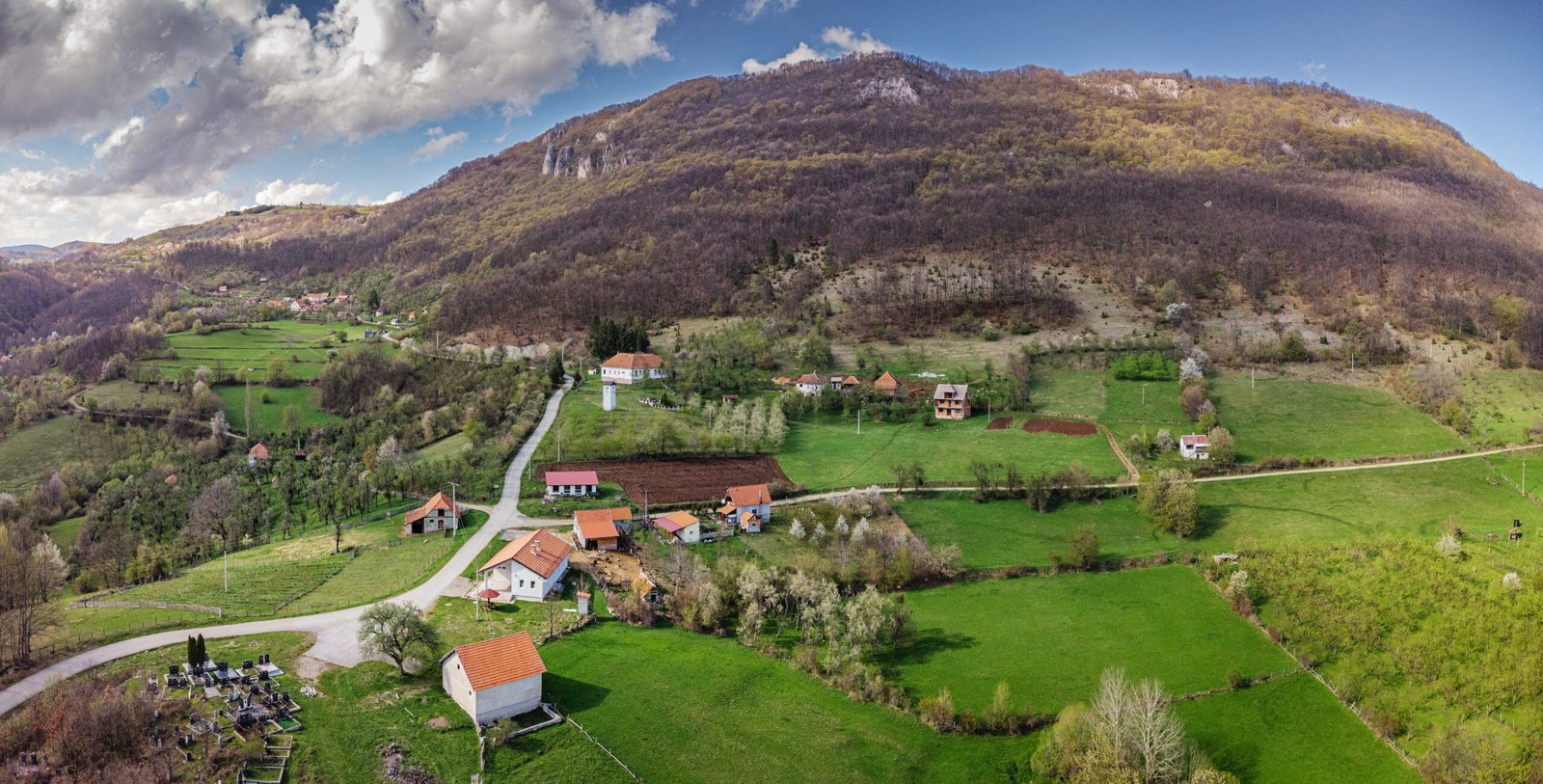
Eastern Europe breaks down into distinct regions, each with its own personality and appeal. Think of Central Europe (Poland, Czech Republic, Slovakia, Hungary) as the medieval heart of the region. You’ll find soaring Gothic cathedrals, Habsburg palaces, and charming town squares frozen in time. The Balkans (Romania, Bulgaria, Serbia) offer something grittier and more untamed—think dramatic mountain passes, ancient ruins, and villages where traditional ways still matter. The Baltic states (Lithuania, Latvia, Estonia) feel like a different world altogether, with their Nordic influences, pristine forests, and Baltic Sea coastlines.
What makes each region special isn’t just geography. The Czech Republic centers on Prague, where every corner serves up history and beer culture that actually belongs in the same sentence. Hungary revolves around Budapest’s thermal waters and Danube romance. Poland gives you Krakow’s underground Jewish heritage sites and the raw beauty of the Tatras mountains. These aren’t interchangeable destinations.
Romania stands apart with Transylvania’s dark forests and medieval villages that look like storybook illustrations. Bulgaria surprises visitors with its Black Sea beaches and ancient Roman ruins at places like Plovdiv. When you compare available tour options across different regions, you’ll notice how specialized each destination becomes once you dig deeper.
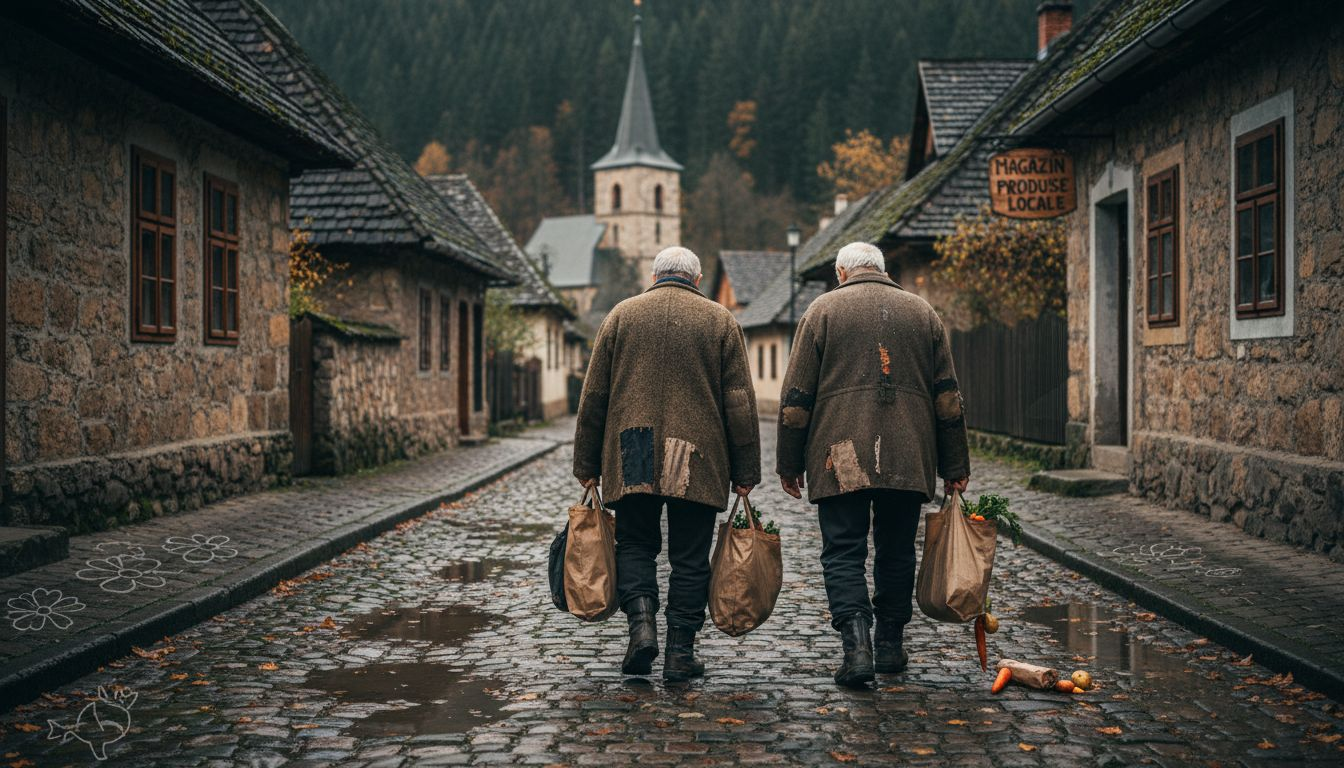
The Baltic region offers something completely different again. Estonia’s digital innovation contrasts sharply with its medieval Old Town in Tallinn. Latvia sits quieter, with Art Nouveau architecture in Riga that rivals anything in Western Europe. Lithuania connects these nations with its own unique Pagan traditions and genuine village experiences away from tourist crowds.
Most couples make the mistake of trying to squeeze too many countries into one trip. You’ll have better experiences focusing on two or three regions rather than trying to hit eight countries in ten days. Each area deserves at least three to four days to move beyond surface-level tourism.
Pro tip: Choose two adjacent regions for your trip, such as Central Europe with the Balkans or the Baltics with Central Europe, to minimize travel time and maximize cultural immersion without exhausting yourself with constant movement.
Here is a comparison of three major regions in Eastern Europe and what makes each unique:
| Region | Distinctive Features | Signature Experiences |
|---|---|---|
| Central Europe | Gothic cathedrals, medieval towns, rich beer culture | Prague’s Old Town, Krakow’s heritage |
| The Balkans | Untamed landscapes, ancient ruins, vibrant traditions | Romanian villages, Balkan festivals |
| The Baltics | Nordic influences, digital innovation, coastal scenery | Tallinn’s Old Town, Latvian seaside |
Cultural Experiences Beyond the Mainstream
Mainstream tourism in Eastern Europe typically stops at Prague’s Old Town Square and Budapest’s Parliament Building. You’ll see the same crowds, eat at the same restaurants, and leave with the same Instagram photos as thousands of other visitors. The real cultural experiences happen when you venture beyond these checkboxes.
Consider spending time in smaller cities where Eastern European cultural heritage remains deeply embedded in daily life. In Krakow’s Jewish Quarter, you’re not just visiting a museum. You’re standing in streets where real communities thrived, learning stories that shaped the region’s identity. In Lviv, Ukraine’s cultural crossroads, you’ll find Ukrainian, Polish, and Jewish influences woven into architecture, food, and local traditions. These aren’t curated tourist experiences. They’re living history.
Religious and spiritual traditions offer another layer most travelers miss. Orthodox monasteries in Romania’s Carpathian Mountains welcome visitors for silent meditation and meals with monks. Small synagogues throughout Poland and Hungary share stories of Jewish resilience and cultural pride. These experiences require patience and respect, not speed and documentation.
Local festivals reveal culture in its most authentic form. The Krakow Jewish Summer Festival celebrates Yiddish music and theater. Bulgaria’s Kukeri Festival features men in elaborate costumes performing ancient pagan rituals meant to ward off evil. Recognizing Eastern Europe’s unique cultural influences means seeking out these moments rather than waiting for them to come to you.
Food experiences matter more than you think. A private meal in a Hungarian family’s home teaches you more about the region than ten restaurant dinners. Street food in Sofia or Bucharest, prepared the same way for generations, carries cultural meaning beyond taste. Markets in Krakow or Prague reveal how locals actually shop and eat, not how tourists expect them to.
Pro tip: Book accommodations with local families or in smaller towns for at least half your trip, and ask your hosts about their favorite neighborhood spots rather than relying solely on guidebooks to discover authentic cultural moments.
Nature Adventures and Outdoor Activities
Eastern Europe’s outdoor landscape rivals anywhere in Europe, yet it remains far less crowded than the Alps or Swiss trails. The region spans from the Carpathian Mountains in Romania to the Baltic coastlines, offering countless ways to experience nature without fighting tourist hordes.
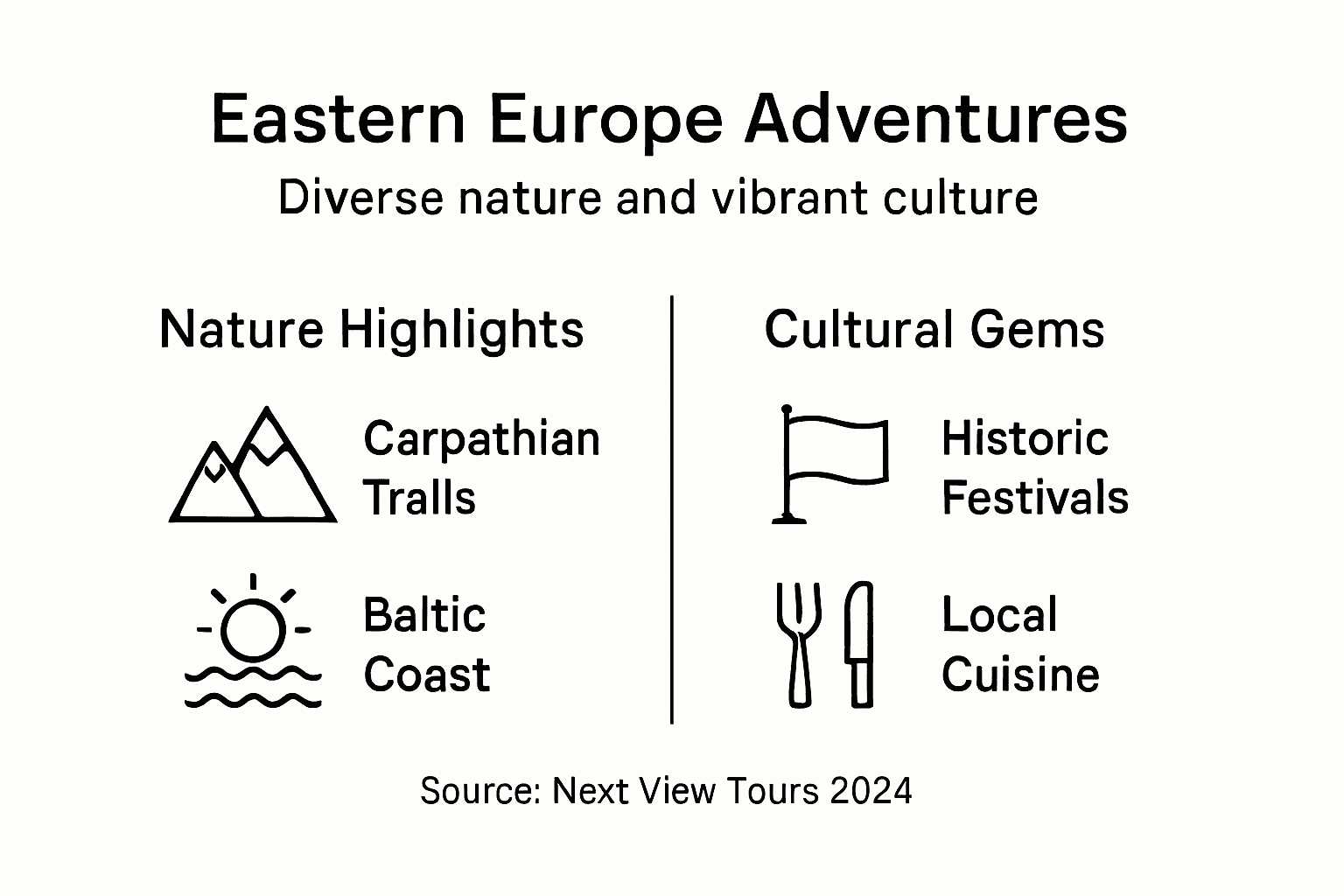
Mountain hiking dominates the adventure calendar. The Tatras Mountains between Poland and Slovakia deliver dramatic alpine scenery with trails ranging from moderate day hikes to serious multi-day expeditions. Romania’s Carpathians offer something different entirely—remote wilderness where you might spot lynx or bears if you’re patient and quiet. These aren’t manicured European trails with packed-earth paths and rest benches. You’re genuinely in nature.
Cycling through Eastern Europe reveals landscapes that change drastically within hours. You can pedal through Hungarian wine country one day and face Slovakia’s mountain passes the next. Eastern Europe’s varied natural landscapes support everything from leisurely countryside tours to challenging mountain biking routes. Many couples find cycling perfect because you control the pace and can stop whenever something catches your eye.
Water activities deserve serious consideration. The Danube River cuts through multiple countries, offering kayaking and rafting opportunities that feel genuinely adventurous compared to overcrowded Western European rivers. The Baltic Sea coast, particularly in Lithuania and Latvia, provides kayaking through pine forests and along pristine beaches. Lake activities throughout Slovakia and Poland give you swimming, sailing, and paddleboarding without resort-style commercialization.
Wildlife observation trips appeal to nature enthusiasts seeking something beyond typical hiking. Eastern Europe’s vast natural environments host populations of species you won’t easily see elsewhere in Europe. Bird watching in the Danube Delta or spotting brown bears in Romania requires guided expertise and patience, but the payoff is genuine wildlife encounters.
Winter transforms Eastern Europe entirely. Skiing in the High Tatras costs a fraction of Alpine resorts while delivering excellent terrain. Cross country skiing through Polish forests or ice climbing in frozen canyons appeals to couples seeking unusual seasonal adventures.
Pro tip: Book adventure trips through providers offering multi-day packages combining different activities and regions, as this maximizes variety and minimizes planning logistics while ensuring proper equipment and safety guidance.
Real Costs, Safety, and Practical Tips
Eastern Europe costs roughly 40 to 60 percent less than Western Europe for comparable experiences. A three-course dinner with wine in Budapest runs 15 to 25 dollars. Hotel rooms in city centers average 60 to 100 dollars per night. Train tickets between countries cost a fraction of what you’d pay elsewhere. This affordability means you can travel longer and experience more without breaking your budget.
Budget breakdown matters more than total spending. Accommodation typically takes 30 percent of your daily costs. Food runs 20 to 30 percent if you mix restaurants with local markets and street food. Activities, transport, and entertainment split the remaining 40 to 50 percent. Couples often find that two people traveling together cost less per person than solo travelers paying for private rooms.
Safety in Eastern Europe gets exaggerated in Western media. Major cities like Prague, Budapest, and Krakow are as safe as any European capital. Standard urban precautions apply: avoid flashing expensive items, stay aware in crowded areas, and use registered taxis. Rural areas present virtually no safety concerns. Understanding local social conditions helps you navigate regional variations smoothly.
Petty theft happens in tourist areas, particularly on public transportation and at major attractions. Keep valuables close. Use hotel safes for passports and extra cash. Traveling as a couple actually increases safety since you’re never alone. Avoid displaying cameras or phones in sketchy neighborhoods after dark, just like anywhere else.
Visa requirements depend on your citizenship. American and British citizens get 90 days visa-free in most Eastern European countries. Check individual country requirements before booking since some nations have different rules. Register with your embassy if planning extended stays. Regional political awareness helps you avoid areas experiencing temporary unrest, though mainstream tourist routes remain stable.
Practical logistics matter. Download offline maps before leaving. Buy local SIM cards for data rather than relying on roaming plans. Learn basic phrases in local languages. Carry copies of important documents separately from originals.
Pro tip: Book multi-day trips with established tour operators who handle logistics, local knowledge, and emergency support, freeing you to focus on experiences rather than navigating transportation and accommodation details yourself.
Below is a reference table for practical travel tips and considerations when visiting Eastern Europe:
| Topic | Key Tip | Reason to Remember |
|---|---|---|
| Language | Learn basics or use translation app | Enhances connection and travel ease |
| Budgeting | Combine markets and restaurants | Lower costs, more authentic meals |
| Transportation | Use trains for intercity travel | Cost-effective and scenic routes |
| Safety | Keep valuables secure in cities | Reduces risk of petty theft |
| Connectivity | Buy local SIM cards | Affordable and reliable data access |
Common Mistakes Adventurers Should Avoid
Treating Eastern Europe as one monolithic destination tops the list of travel mistakes. You wouldn’t lump Spain, Poland, and Greece together, yet many couples arrive thinking all Eastern European countries offer identical experiences. Each nation has distinct languages, histories, cuisines, and cultural norms. Spend time understanding your specific destination rather than assuming one generic “Eastern European” itinerary works everywhere.
Moving too fast through the region wastes your money and energy. Hitting eight countries in two weeks means spending more time on buses than actually experiencing anything. You’ll arrive exhausted, see major landmarks, and leave without genuine connection. Three to four days minimum per country or region allows you to move beyond surface level tourism and actually absorb local culture.
Relying on outdated or overly optimistic narratives about Eastern Europe leads to poor decisions. The region isn’t frozen in time from 1989. Cities have modernized. Infrastructure has improved. Political situations have shifted. Research current conditions rather than assuming everything matches Cold War stereotypes or assuming everything is now perfectly Western.
Ignoring language barriers completely creates frustration. English speakers are common in major cities and tourist areas, but smaller towns and countryside villages operate differently. Download translation apps. Learn basic phrases. Carry a phrasebook. This small effort transforms interactions from transactional to genuinely human.
Failing to understand Eastern Europe’s historical complexity means missing what actually makes the region special. You’ll see old buildings without understanding why they matter. You’ll hear references to events you don’t recognize. Reading about your destination’s history before arriving transforms random architecture into meaningful stories that connect you to place and people.
Booking accommodations exclusively in major tourist districts misses local authenticity. Stay in neighborhood hotels or smaller towns where you actually encounter residents and discover real restaurants. Tourist zones feel the same everywhere. Neighborhoods feel distinct.
Pro tip: Research your specific country’s recent history and current social landscape before departure, and build your itinerary around 3 to 4 day stays in each region rather than attempting to visit multiple countries quickly.
Discover the Real Eastern Europe with Next View Tours
Eastern Europe offers an extraordinary blend of rich culture, stunning landscapes, and unique traditions but many travelers struggle to experience its true diversity while avoiding tourist traps and rushed itineraries. If you want to move beyond stereotypes and explore authentic local culture, vibrant nature, and hidden gems the way the article suggests, our carefully curated Adventure Tours provide the perfect solution. From hiking scenic mountains to uncovering medieval towns and vibrant festivals Next View Tours designs immersive multi-day and private tours that give you the space and time to savor each region’s unique soul.

Seize the chance to explore Eastern Europe your way with expert guidance and tailored adventures. Visit Next View Tours now to browse our full range of tours and start planning a trip that deeply connects you with the culture and nature you read about. Don’t miss this opportunity to transform curiosity into unforgettable memories with our trusted European tour experiences.
Frequently Asked Questions
What makes Eastern Europe culturally unique?
Eastern Europe is culturally diverse, with each country offering distinct languages, cuisines, architectures, and traditions. The region’s rich history contributes to its unique artistic movements, philosophical traditions, and gastronomic identities.
Are Eastern European destinations affordable for travelers?
Yes, Eastern Europe remains more affordable than Western Europe, with costs for meals, accommodations, and activities significantly lower. This allows travelers to enjoy quality experiences without stretching their budgets.
How can I find authentic cultural experiences in Eastern Europe?
To find authentic cultural experiences, venture beyond major tourist attractions and explore smaller cities, local festivals, and family-owned accommodations. Engaging with local culinary traditions and historical sites can also enhance your experience.
Is English commonly spoken in Eastern Europe?
While English is widely spoken by younger people in major cities and tourist areas, language barriers might exist in smaller towns. It’s helpful to learn basic phrases or use translation apps to enhance communication and interactions.


Comments are closed