

 Uncategorized
TL;DR:
- Europe’s top destinations are chosen based on UNESCO recognition, traveler votes, and memorable experiences. Major sites like Madrid, Venice, and Knossos offer cultural depth, while hidden gems like Setenil de las Bodegas provide unique local charm. Limiting stops and mixing well-known attractions with lesser-known sites create richer, more enjoyable trips.
Europe’s must-see destinations are defined by three qualities: UNESCO recognition, traveler-validated acclaim, and experiences that stay with you long after you leave. From Madrid’s vibrant streets to the ancient Minoan palace at Knossos in Crete, the continent holds an extraordinary range of cultural, historical, and natural wonders. This guide covers the top places to visit in Europe for 2026, drawing on traveler votes, UNESCO listings, and expert itinerary advice to help you build a trip worth remembering.
What are the best Europe must-see destinations in 2026?
Madrid was named Europe’s best destination for 2026 by European Best Destinations following a traveler vote across 42 finalist cities. That vote reflects real momentum, not just editorial opinion. Madrid earned its ranking through a combination of tourism growth, search demand, and direct traveler input.
Italy dominates the broader list. Seven Italian cities appear in the top 20 best European travel destinations for 2026, including Verona and the island village of Burano. That concentration signals Italy’s enduring pull across culture, food, and architecture. Paris, Amsterdam, and Prague also rank consistently high among must visit cities in Europe, each offering a distinct identity that rewards multiple visits.
Must-see destination lists increasingly rely on traveler interaction and momentum data over pure expert curation. This shift matters for trip planning. A city that earns its rank through real visitor enthusiasm is more likely to deliver on expectations than one chosen by a committee.
Pro Tip: Use the European Best Destinations annual list as your starting point, then filter by your own interests. A traveler-voted city is a strong signal, but your priorities, whether art, food, or history, should shape the final list.
Which UNESCO World Heritage sites belong on every Europe travel bucket list?
UNESCO World Heritage status marks a site as irreplaceable. The designation covers both cultural monuments and natural landscapes, and Europe holds more UNESCO sites than any other continent.
Amsterdam’s 17th-century Canal Ring has been UNESCO-listed since 2010 as a uniquely preserved example of Renaissance urban planning. The canal system includes 1,550 listed buildings and has functioned as designed for 400 years. Walking the canal belt gives you a direct experience of one of history’s most ambitious city-building projects.
Knossos in Crete was inscribed on the UNESCO list in 2025 as part of a serial property covering six Minoan palatial centers. Occupation at the site dates to 7000 BC, making it one of the oldest continuously inhabited places in Europe. The palace complex reveals a civilization with monumental architecture and far-reaching maritime trade networks.
Seven European UNESCO sites consistently deliver genuine awe, according to The Independent’s 2026 review. These include:
- Plitvice Lakes, Croatia — a cascading series of 16 terraced lakes connected by waterfalls
- Meteora, Greece — Byzantine monasteries perched on towering sandstone pillars
- Alhambra, Spain — a Moorish palace complex with intricate geometric tilework and gardens
- Le Mont-Saint-Michel, France — a tidal island abbey that has drawn pilgrims for over a thousand years
- Giant’s Causeway, Northern Ireland — 40,000 interlocking basalt columns formed by ancient volcanic activity
- Cinque Terre, Italy — five cliffside fishing villages connected by coastal trails
- Dubrovnik Old City, Croatia — a walled medieval city on the Adriatic coast
Understanding the difference between UNESCO World Heritage Sites and UNESCO Global Geoparks shapes how you plan your visit. UNESCO World Heritage Sites focus on cultural and historical value, while Global Geoparks emphasize natural heritage, geology, and geotrails. Geoparks typically feature visitor centers and guided routes. Heritage sites center on monuments, urban fabric, and preservation.
| Category | Focus | Visit Style |
|---|---|---|
| UNESCO World Heritage Site | Cultural and historical significance | Monument-centered, urban exploration |
| UNESCO Global Geopark | Natural heritage, geology, biodiversity | Trails, visitor centers, timed routes |
Pro Tip: Book timed entry tickets for Alhambra and Plitvice Lakes well in advance. Both sites cap daily visitors, and peak-season slots sell out weeks ahead.
What natural and hidden gem destinations complete a scenic Europe itinerary?
Europe’s natural wonders rival its cities for impact. The Danube Delta is Europe’s largest wetland and hosts 312 bird species, including Europe’s largest population of great white pelicans. The delta spans Romania and Ukraine and functions as a vital water purification system for the entire region. Visiting by boat through the reed channels gives you access to a landscape that feels genuinely remote.
The Burren and Cliffs of Moher UNESCO Global Geopark in Ireland features sea cliffs rising over 150 meters and supports 30,000 nesting pairs across more than 20 bird species. The geopark sits along the 2,500 km Wild Atlantic Way coastal route, connecting it to a broader network of scenic destinations in Europe. The Burren’s limestone pavement also contains rare Arctic and Mediterranean plant species growing side by side, a geological anomaly found almost nowhere else on Earth.
Setenil de las Bodegas in Andalusia, Spain is one of Europe’s most striking hidden gems. The village is built directly into rock overhangs, with streets running beneath cliff faces that serve as natural rooftops for homes and cafes. A half-day visit from nearby Ronda covers the main walking routes and viewpoints. Rushing through reduces the experience significantly. The village rewards slow exploration on foot.
Pro Tip: Countryside and rural stays near natural sites like the Burren or Danube Delta give you early morning access before day-trippers arrive. Booking countryside accommodation near your natural must-sees is one of the most underrated moves in European trip planning.
## 1. Madrid
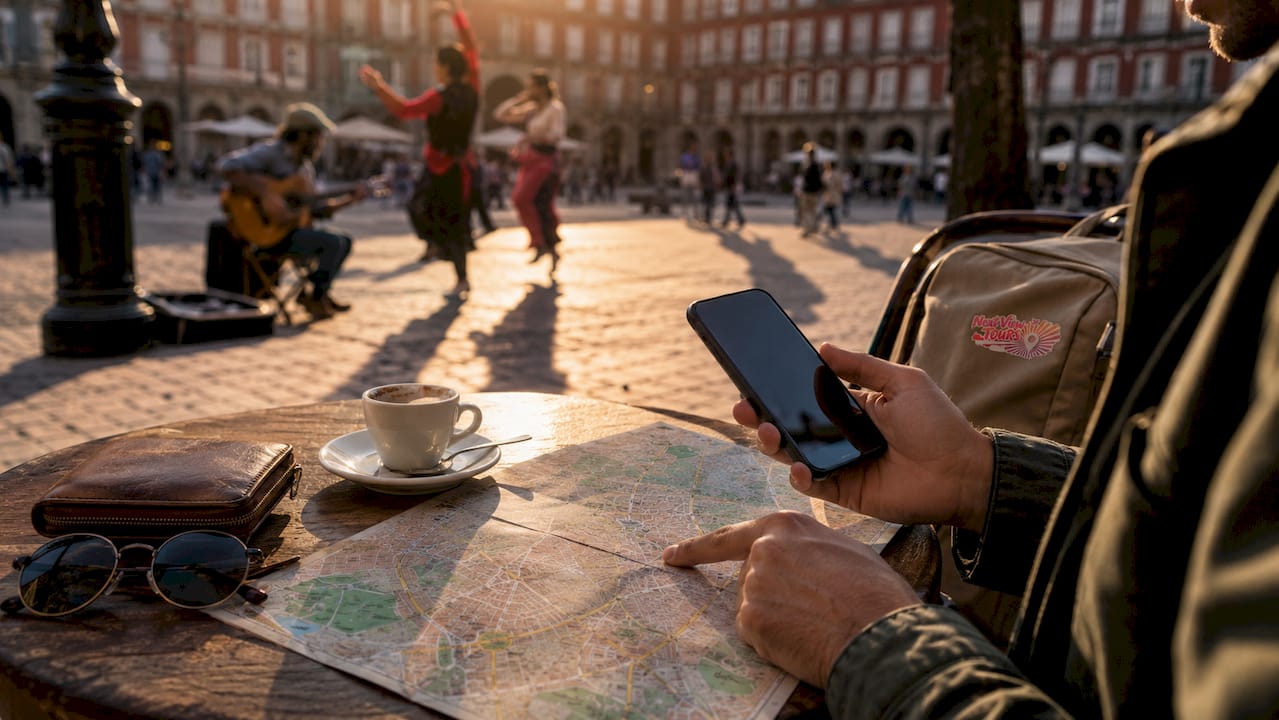
Madrid ranked first among all European cities for 2026. The Prado Museum alone holds over 8,000 works, including masterpieces by Velázquez, Goya, and El Bosco. The city’s food scene, nightlife, and walkable neighborhoods make it a destination that works for every type of traveler.
## 2. Amsterdam
The Canal Ring gives Amsterdam a visual identity unlike any other European capital. The city pairs its UNESCO waterways with world-class museums, including the Rijksmuseum and the Van Gogh Museum. Amsterdam also serves as a strong base for day trips to Haarlem, Delft, and the tulip fields of the Keukenhof.
## 3. Athens and Knossos, Greece
Athens anchors any Greece itinerary with the Acropolis and the National Archaeological Museum. Adding Crete for Knossos turns a city trip into a deep dive into European prehistory. On-site context at Knossos is crucial to appreciating its multi-millennial occupation. A guided tour combined with a visit to the Heraklion Archaeological Museum gives the site its full meaning.
## 4. Dubrovnik, Croatia
Dubrovnik’s medieval walls enclose one of the best-preserved historic city centers in Europe. The Old City is a UNESCO World Heritage Site and a popular tourist attraction in Europe, though visitor numbers have grown sharply. Arriving before 9 a.m. or after 5 p.m. gives you the walls and streets with far fewer crowds.
## 5. Prague, Czech Republic
Prague combines Gothic, Baroque, and Art Nouveau architecture in a compact, walkable center. The Charles Bridge, Prague Castle, and the Old Town Square clock tower form the core of any visit. Nextviewtours operates daily trips from Prague to destinations across Central Europe, making it an ideal base for regional exploration.
## 6. Vienna and Hallstatt, Austria
Vienna is one of the great cultural capitals of Europe, home to the Kunsthistorisches Museum, the Vienna State Opera, and the Belvedere Palace. A short drive or train ride brings you to Hallstatt, the lakeside village that inspired Disney’s Frozen and draws visitors from around the world. Nextviewtours runs day trips from Vienna to Hallstatt, Salzburg, and the Salzkammergut lake district.
## 7. Budapest, Hungary
Budapest splits across the Danube into Buda and Pest, with each side offering a distinct character. The Hungarian Parliament Building, Fisherman’s Bastion, and the thermal bath culture define the city’s identity. Budapest also ranks among the most affordable must visit cities in Europe, delivering exceptional value without sacrificing quality.
How to plan your itinerary without rushing Europe’s top sites
Effective European trip planning starts with one rule: limit major destinations to about three per 10-day trip to avoid fatigue and rushing. Spreading too thin across a continent means you experience nothing deeply. Three well-chosen destinations with two to three days each gives you time to actually absorb what you see.
Group your destinations by type and geography. A culture-focused trip might pair Madrid, Seville, and Lisbon. A nature and history trip could combine Athens, Crete, and the Croatian coast. Clustering by region also reduces the number of flights you need, which cuts both cost and travel fatigue.
Train travel connects most of Central Europe’s top destinations efficiently. Vienna, Prague, Budapest, and Salzburg all sit within a few hours of each other by rail. Using trains instead of budget flights keeps your energy higher and your schedule more flexible. For step-by-step trip planning, Nextviewtours offers a structured guide covering logistics, timing, and destination sequencing.
Itineraries that balance cultural cities, nature sites, and manageable pacing lead to higher traveler satisfaction. The key is building in at least one slower day per destination. A half-day with no agenda often produces the best memories of any trip.
Key takeaways
Europe’s best destinations combine UNESCO recognition, traveler-validated appeal, and enough depth to reward more than a single visit.
| Point | Details |
|---|---|
| Traveler votes matter | Madrid’s 2026 top ranking reflects real visitor momentum, not just editorial picks. |
| UNESCO types differ | World Heritage Sites center on culture; Global Geoparks focus on nature and geology. |
| Limit major stops | Cap destinations at three per 10-day trip to avoid rushing and fatigue. |
| Hidden gems need time | Sites like Setenil de las Bodegas reward slow, flexible visits over rushed schedules. |
| Group by region | Clustering destinations geographically reduces flights and improves travel flow. |
Why the best European trips mix the famous with the forgotten
I have planned and guided trips across Europe for years, and the pattern is consistent. Travelers who spend their entire trip chasing the most famous sites often return feeling like they checked boxes. Travelers who mix one or two iconic stops with a lesser-known destination almost always say the hidden gem was the highlight.
Setenil de las Bodegas is a perfect example. Nobody flies to Spain specifically to see it. But travelers who add a half-day from Ronda consistently call it the most memorable stop of their Andalusia trip. The cave streets, the quiet cafes built under rock overhangs, the absence of tour buses. That combination is what stays with people.
The same principle applies to UNESCO sites. Knossos is genuinely extraordinary, but only if you give it time and context. A 45-minute walk-through with no guide produces a shrug. A two-hour visit with a knowledgeable guide and a follow-up at the Heraklion museum produces something closer to wonder. Guided interpretation at ancient sites is not optional. It is the difference between seeing stones and understanding a civilization.
My honest recommendation: use the traveler-voted lists as inspiration seeds, not strict itineraries. Ranking-based selections should adapt to your personal interests and trip style. Madrid may be Europe’s top destination for 2026, but if you care more about wetlands and birds than nightlife and museums, the Danube Delta will matter more to you. Build your list around what genuinely excites you, and the trip will take care of itself.
— Next
Plan your Europe trip with Nextviewtours

Nextviewtours designs trips across Europe that match the way you actually want to travel. Whether you want a private tour through Central Europe, a group adventure from Vienna to Hallstatt, or a multi-day itinerary covering Prague, Budapest, and Salzburg, Nextviewtours builds the experience around your priorities. Day trips, multi-day routes, nature trips, and family tours all depart from key Central European hubs. Explore the full range of trip types at Nextviewtours and find the format that fits your travel style and timeline.
FAQ
What qualifies a destination as a must-see in Europe?
A must-see European destination combines UNESCO recognition, traveler-voted popularity, and experiences with genuine cultural or natural depth. Madrid, Amsterdam, and Knossos all meet this standard through different strengths.
How many destinations should I include in a 10-day Europe trip?
Travel experts recommend limiting major stops to about three per 10-day trip. That pacing gives you enough time at each destination to move beyond surface-level sightseeing.
What is the difference between a UNESCO World Heritage Site and a UNESCO Global Geopark?
UNESCO World Heritage Sites focus on cultural and historical significance, while Global Geoparks emphasize natural heritage, geology, and guided trails. Each type requires a different visit approach and planning style.
What are the best hidden gems in Europe worth visiting?
Setenil de las Bodegas in Andalusia, Spain, stands out for its cave-street architecture built into rock cliffs. The Burren in Ireland and the Danube Delta in Romania also offer natural experiences that most travelers overlook.
Is Madrid really the best city to visit in Europe right now?
Madrid earned the top spot in the 2026 European Best Destinations ranking through a combination of tourism growth, search demand, and direct traveler votes. The Prado Museum, food culture, and walkable neighborhoods make it a strong choice for most travel styles.


Comments are closed