
 Uncategorized
Central Europe remains one of the most underrated travel destinations on the planet. While millions flock to Paris and Rome, this region quietly offers an extraordinary blend of imperial grandeur, pristine alpine landscapes, and authentic cultural encounters at a fraction of Western European costs. From underground kayaking adventures to UNESCO World Heritage villages nestled in mountain valleys, Central Europe delivers experiences you simply cannot find elsewhere. Whether you crave architectural splendor, adrenaline-pumping activities, or peaceful nature escapes, this compact region packs more diversity per square mile than almost anywhere else in Europe.
Table of Contents
- Key takeaways
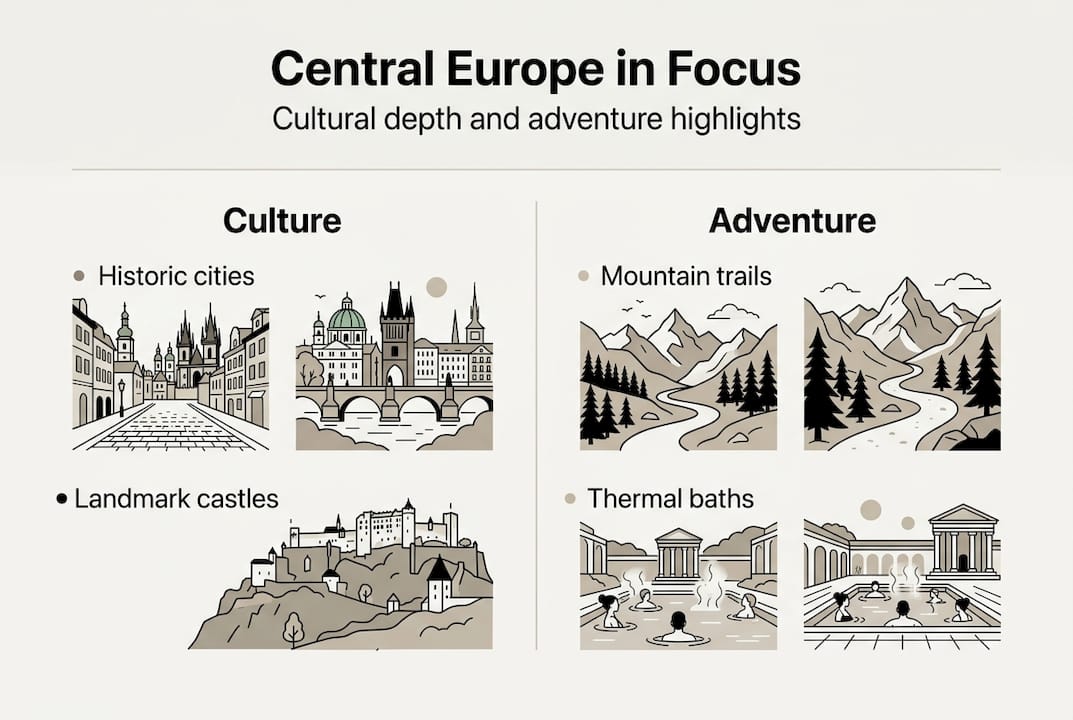
- Rich cultural heritage and iconic landmarks
- Exciting adventure and unique experiences
- Affordable and convenient multi-city travel
- Seasonal insights and sustainable travel options
- Explore Central Europe with tailored tours from Next View
- Frequently asked questions
Key Takeaways
| Point | Details |
|---|---|
| Rich cultural heritage | Central Europe blends imperial architecture, historic sites, and authentic local culture across cities and alpine villages. |
| Iconic landmarks | Prague Castle, Vienna Palaces, and Budapest baths anchor a landscape of centuries of European history with living local use. |
| Adventure and nature | Underground kayaking and alpine experiences offer adrenaline and tranquil scenery not easily found elsewhere in Europe. |
| Budget friendly travel | Lower costs and smaller crowds let travelers dive deep into culture without the price and pace of Western Europe. |
Rich cultural heritage and iconic landmarks
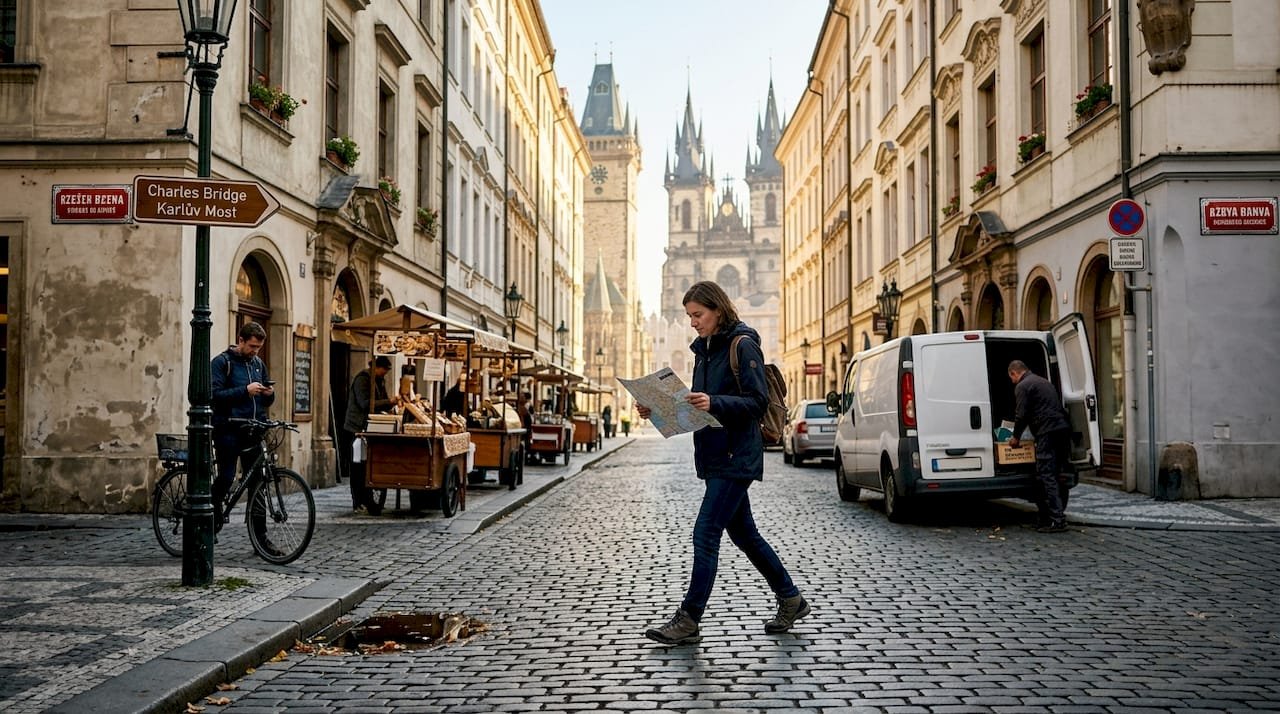
Central Europe combines rich cultural heritage with natural beauty, offering imperial architecture, thermal baths, castles, and alpine villages like Hallstatt and Lake Bled. This region served as the heart of the Austro-Hungarian Empire, leaving behind a legacy of baroque palaces, Gothic cathedrals, and art nouveau masterpieces that rival anything in Paris or London. Walking through Vienna’s Ringstrasse or Prague’s Old Town feels like stepping into a living museum, yet these cities pulse with contemporary energy and innovation.
The crown jewels of Central European culture span multiple countries and architectural eras. Top attractions include Prague Castle, Vienna Palaces, Budapest Baths, and Danube cruises, each offering distinct windows into centuries of European history. Prague Castle dominates the city skyline as the largest ancient castle complex in the world, while Vienna’s Schönbrunn Palace showcases 1,441 rooms of imperial excess. Budapest’s thermal baths, fed by natural hot springs, have been healing and relaxing visitors since Roman times. These landmarks are not just tourist attractions but living spaces where locals still gather, work, and celebrate.
Beyond major cities, cultural trip types Europe extend into alpine villages that preserve centuries-old traditions. Hallstatt in Austria and Lake Bled in Slovenia exemplify this perfectly. These postcard-perfect settlements offer more than scenic beauty. They provide intimate encounters with traditional crafts, local festivals, and family-run guesthouses where hospitality remains genuinely personal. Walking cobblestone streets, attending village church concerts, or sampling regional wines in historic cellars connects you to European culture in ways mega-cities cannot replicate.
Key cultural experiences worth prioritizing include:
- Attending classical concerts in Vienna’s historic venues where Mozart and Beethoven once performed
- Exploring Prague’s Astronomical Clock and Jewish Quarter for medieval European history
- Soaking in Budapest’s Széchenyi or Gellért thermal baths for authentic wellness culture
- Visiting UNESCO World Heritage Sites like Český Krumlov’s preserved Renaissance town center
- Experiencing traditional folk festivals in Slovak and Czech mountain villages
- Touring imperial palaces with English-speaking guides who bring history to life
Pro Tip: Purchase combination tickets for major attractions in advance online. Vienna’s Sisi Ticket covers Schönbrunn Palace, Hofburg, and Imperial Furniture Collection at 40% savings compared to individual entries, plus you skip most queues.
The density of cultural landmarks in Central Europe means you can experience five distinct architectural periods and three different national cultures within a single week. This concentration of heritage sites, combined with lower visitor numbers than Western Europe, creates an ideal environment for travelers who want depth over superficial sightseeing. You will spend more time actually experiencing culture and less time battling crowds or waiting in lines.
Exciting adventure and unique experiences
Central Europe shatters the stereotype of Europe as purely a cultural destination. This region offers adventure activities you will not find anywhere else on the continent, many rooted in the dramatic geography of the Carpathian Mountains, Slovenian caves, and pristine river systems. Adventure and unique options include underground kayaking in mines, bison tracking, truffle hunting, White Carpathians eco-hikes, and wildlife snow tracking. These experiences go far beyond standard European tours, appealing to travelers who want stories no one else has.
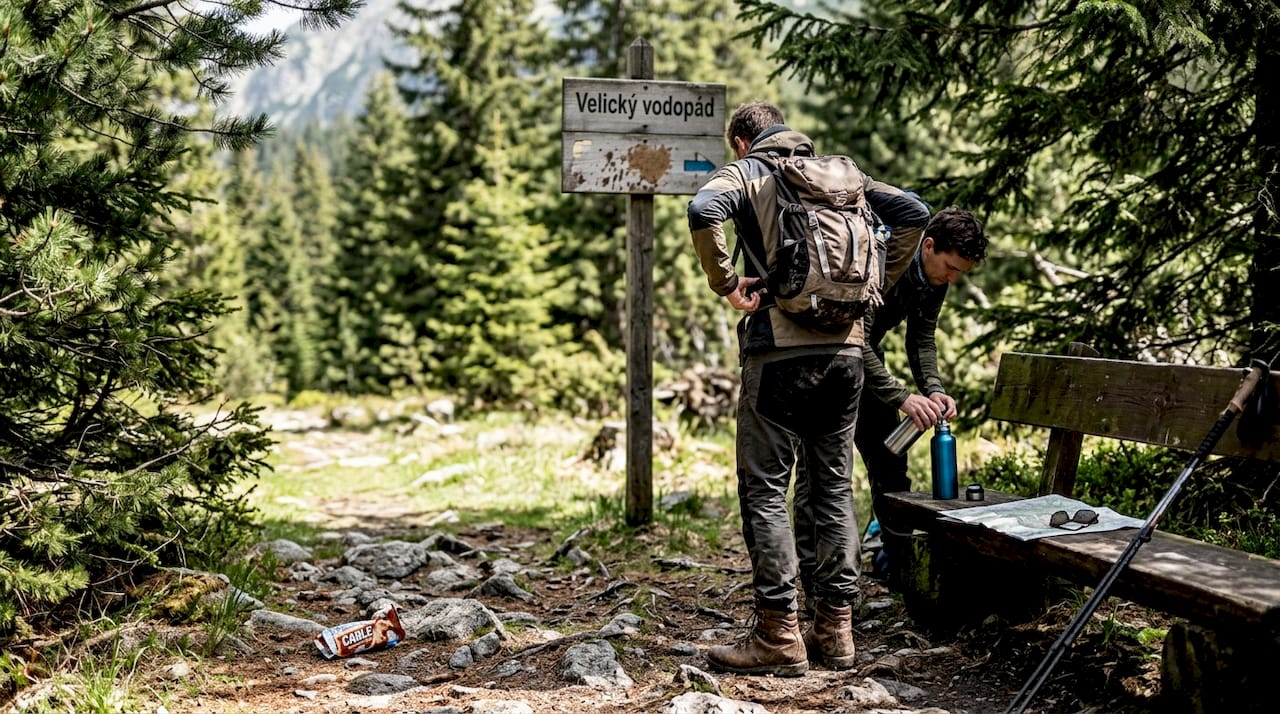
Black Hole Kayaking in Slovenia takes you paddling through flooded mining tunnels with only headlamps for light. The Koroška region’s abandoned lead and zinc mines now serve as underground waterways where you navigate pitch-black passages and emerge into illuminated caverns. This activity combines physical challenge, historical intrigue, and pure novelty in ways traditional kayaking cannot match. Meanwhile, tracking European bison in Romania’s Carpathian forests offers a wildlife encounter nearly impossible elsewhere in Europe. These massive animals, once extinct in the wild, now roam protected reserves where expert trackers help you observe them in their natural habitat.
Top 5 unique adventures to prioritize:
- Underground kayaking through Slovenia’s flooded mining tunnels for a surreal aquatic exploration
- Bison and wolf tracking in Romania’s Carpathian wilderness with conservation experts
- Truffle hunting with trained dogs in Croatian Istria’s oak forests during autumn harvest season
- White Carpathians guided eco-hikes through flower meadows home to 130+ orchid species
- Winter wildlife tracking in Slovakia’s Tatra Mountains following lynx, bear, and deer trails in snow
These adventure trips examples demonstrate how Central Europe appeals to active travelers seeking authentic connections with nature and local traditions. Truffle hunting in Istria, for instance, is not just about finding expensive fungi. It is about learning from multigenerational truffle families, understanding forest ecology, and tasting the results in traditional konobas (taverns) afterward. The White Carpathians eco-hikes reveal one of Europe’s most biodiverse regions, where traditional farming methods preserved habitats that disappeared elsewhere under industrial agriculture.
Pro Tip: Book adventure experiences during shoulder seasons (April-May or September-October) for optimal weather and wildlife activity. Many operators offer 15-20% discounts outside peak summer months, and you will encounter smaller groups for more personalized guidance.
When you explore eastern Europe, you discover that adventure tourism here emphasizes sustainability and cultural immersion over adrenaline alone. Guides are often locals with deep ecological knowledge and family ties to the regions you explore. This creates richer experiences than generic adventure tours, as you learn about traditional land use, conservation challenges, and local perspectives on balancing tourism with environmental protection. The adventure tours Europe landscape increasingly recognizes Central Europe as a premier destination for travelers who want meaningful outdoor experiences without sacrificing cultural depth.
Affordable and convenient multi-city travel
Central Europe’s compact geography creates unparalleled opportunities for efficient multi-city exploration. Compact geography enables efficient multi-city trips via trains (Prague-Vienna-Budapest 2.5-3hrs), cheaper than Western Europe, and with fewer crowds. You can wake up in Prague’s Gothic splendor, lunch in Vienna’s imperial elegance, and sleep in Budapest’s thermal paradise, all within a single travel day. This density of world-class destinations within short distances eliminates the exhausting transit times that plague many European itineraries.
| Factor | Central Europe | Western Europe |
|---|---|---|
| Average train ticket (200km) | €15-25 | €40-70 |
| Daily accommodation (mid-range) | €50-80 | €100-150 |
| Restaurant meal (mid-range) | €10-18 | €25-40 |
| Major attraction crowds | Moderate | Heavy |
| Train journey time (major cities) | 2.5-3 hours | 4-6 hours |
| Tourism infrastructure | Developing/Good | Excellent |
The financial advantages extend beyond transportation. Accommodation, dining, and activities typically cost 30-50% less than comparable experiences in France, Italy, or Spain. A comfortable hotel room in Prague’s city center runs €60-80 per night versus €120-180 in Paris. Traditional Czech, Hungarian, or Austrian meals in local restaurants cost €12-18 versus €30-45 for similar quality in Western European capitals. This value proposition allows you to upgrade experiences, extend your trip, or simply travel more comfortably within the same budget.
Key benefits of Central European train travel:
- High-speed rail connections link all major cities with comfortable, punctual service
- Stations located in city centers eliminate airport transfer hassles and costs
- Scenic routes through alpine valleys and along the Danube River add travel value
- Flexible ticketing allows same-day booking without astronomical price increases
- Onboard WiFi and power outlets enable productive travel time
- No security theater or baggage restrictions like air travel imposes
Pro Tip: Travel during spring (April-May) or autumn (September-October) for mild weather averaging 15-22°C, vibrant seasonal colors, and 40% fewer tourists than summer peaks. Hotel rates drop 25-35%, and you will actually enjoy popular sites without fighting crowds.
Tourism is growing steadily with Czechia seeing 7.9 million visitors in summer 2025 (+1.4%), Hungary +9% growth, signaling improving infrastructure and services while maintaining authentic character. This growth brings better English language support, improved public transportation, and more diverse accommodation options without yet reaching the saturation levels that diminish Western European destinations. You benefit from modernizing services while still experiencing cities and towns that feel genuinely European rather than tourist theme parks.
When learning adventure tours booking strategies, Central Europe’s value equation becomes even more compelling. Multi-day adventure packages including guides, equipment, accommodation, and meals cost 40-60% less than equivalent Western European offerings. The must-see destinations Europe list increasingly features Central European locations as travelers discover this value without sacrificing quality or safety.
Seasonal insights and sustainable travel options
Timing your Central European adventure significantly impacts your experience quality and cost. Best seasons are spring and autumn for mild weather and fewer crowds; winter offers festive Christmas markets and snow magic, e.g. in Cesky Krumlov. Each season brings distinct advantages depending on your priorities and interests. Understanding these patterns helps you maximize enjoyment while minimizing common travel frustrations.
Seasonal travel considerations:
- Spring (April-May): Wildflowers bloom across alpine meadows, temperatures reach comfortable 15-20°C, Easter markets showcase local traditions, and hiking trails open after winter closure
- Summer (June-August): Longest daylight hours enable extended sightseeing, outdoor festivals celebrate regional culture, all attractions operate full schedules, but expect peak prices and crowds
- Autumn (September-October): Harvest festivals feature local wines and foods, fall foliage transforms landscapes into gold and crimson, comfortable 12-18°C temperatures suit active exploration
- Winter (November-March): Christmas markets create magical atmospheres, thermal baths feel especially luxurious, skiing and winter sports thrive, but some rural attractions close
Spa culture represents a unique Central European tradition worth experiencing regardless of season. Sustainable eco-travel includes spa rituals in Karlovy Vary and White Carpathians eco-hikes, offering authentic, less touristy experiences. Karlovy Vary’s hot springs have attracted European elite for centuries, and the ritual of drinking mineral water from porcelain cups while strolling colonnades remains unchanged. These wellness traditions connect modern travelers to centuries of European health culture in ways Western spas cannot replicate.
Sustainable travel options are expanding rapidly across Central Europe as the region develops eco-tourism infrastructure. Wildlife tracking in the Carpathians supports conservation through tourism revenue while educating visitors about ecosystem restoration. The White Carpathians eco-hikes protect traditional agricultural landscapes by demonstrating their value to both locals and visitors. Small-scale family guesthouses in rural areas provide authentic cultural exchanges while keeping tourism income within local communities rather than extracting it to international hotel chains.
“Central Europe offers the authenticity and architectural grandeur of classic Europe at prices that make extended travel feasible for regular people, not just luxury travelers. You experience real European life because locals still outnumber tourists in most areas.”
This authenticity factor increasingly drives travel decisions as overtourism degrades experiences in Venice, Barcelona, and Amsterdam. Central Europe provides the European experience many travelers imagine but can no longer find in overcrowded Western destinations. You can still discover hidden courtyards, stumble upon local festivals, and have meaningful conversations with residents who appreciate your interest rather than viewing you as just another tourist.
The Christmas markets Europe circuit particularly showcases Central European charm. Markets in Prague, Vienna, Bratislava, and smaller towns like Český Krumlov maintain traditional character with handcrafted goods, regional foods, and genuine festive atmosphere. Unlike commercialized Western European markets, these retain local flavor and reasonable prices. When exploring Czech Republic authentic tours, you discover how seasonal traditions shape regional identity and provide windows into cultural values that persist despite modernization.
Explore Central Europe with tailored tours from Next View
Transforming these insights into your own Central European adventure becomes simple with expert guidance. Next View Tours specializes in crafting personalized multi-city, cultural, and adventure experiences throughout Central Europe, combining insider knowledge with flexible itineraries that match your specific interests. Whether you prioritize imperial architecture, outdoor adventures, culinary experiences, or all three, customized tours eliminate planning stress while maximizing your limited vacation time.
Our team designs itineraries that connect Prague’s Gothic beauty with Vienna’s baroque elegance and Budapest’s thermal culture, incorporating the unique adventures and authentic experiences highlighted throughout this guide. From arranging underground kayaking in Slovenia to booking private guides for bison tracking in Romania, we handle logistics so you focus on experiencing Central Europe’s depth. Explore our diverse trip types ranging from romantic couple getaways to family-friendly cultural immersions and adrenaline-focused adventure packages. Our customised tours guide explains how we adapt standard itineraries to your preferences, pace, and budget, while our detailed resource on customize private tours Europe walks you through the collaboration process from initial consultation through final booking.
Frequently asked questions
What is the best time to visit Central Europe?
Spring (April-May) and autumn (September-October) offer the ideal combination of pleasant weather, fewer crowds, and lower prices across Central Europe. Temperatures range from 15-22°C, perfect for both city exploration and outdoor activities. Summer (June-August) provides the longest days and warmest weather but brings peak crowds and prices, while winter appeals to those seeking Christmas markets and thermal bath experiences in snowy settings.
How can I travel efficiently between Central European cities?
Train travel provides the most efficient connection between Prague, Vienna, and Budapest, with journey times under 3 hours for each leg. High-speed rail services depart from centrally located stations, eliminating airport transfer hassles while offering comfortable seating, onboard WiFi, and scenic routes. Booking tickets even a day in advance through national rail websites (ČD, ÖBB, MÁV) costs €15-25 per journey, far less than flights when you factor in airport transportation and time.
What unique adventures can I find only in Central Europe?
Central Europe offers distinctive experiences unavailable elsewhere in Europe, including underground kayaking through Slovenia’s flooded mining tunnels, tracking European bison in Romania’s Carpathian wilderness, truffle hunting with trained dogs in Croatian forests, and guided eco-hikes through the White Carpathians’ orchid meadows. These adventure trips examples combine physical activity with cultural immersion and environmental education, creating memorable stories beyond standard European sightseeing.
Is Central Europe more affordable than Western Europe for travelers?
Yes, Central Europe typically costs 30-50% less than Western European destinations for comparable quality experiences. Mid-range hotels run €50-80 versus €100-150 in Western Europe, restaurant meals cost €10-18 versus €25-40, and train tickets average €15-25 versus €40-70 for similar distances. This value allows you to upgrade accommodations, extend your trip, or add special experiences while staying within your original budget, all while encountering fewer crowds at major attractions.


Comments are closed