
 Uncategorized
TL;DR:
- Czechia offers rich experiences beyond Prague, including castles, towns, and natural landscapes.
- Effective planning uses multiple sources: official portals, guidebooks, and safety advisories.
- Building a flexible, well-referenced itinerary enhances safety and deepens cultural engagement.
Planning a trip to the Czech Republic feels exciting until you open a search engine and face hundreds of conflicting guides, listicles, and travel blogs all pointing in different directions. Most of them funnel you straight to Prague, leaving you with the impression that Czechia is a one-city country. It is not. From the fairy-tale towers of Český Krumlov to the rolling vineyards of Moravia, the country rewards travelers who look beyond the obvious. This article cuts through the noise, giving you a structured, practical framework for choosing the right resources, building a smart itinerary, and traveling safely and confidently.
Table of Contents
- Why Czech Republic travel guides matter: More than just Prague
- Types of Czech Republic travel guides: Choosing what works for you
- Planning your Czech Republic itinerary: Frameworks for success
- Practical tips for safe, memorable Czech travel
- A traveler’s truth: Why blending guides beats any single source
- Plan your perfect Czech Republic trip with expert help
- Frequently asked questions
Key Takeaways
| Point | Details |
|---|---|
| Use multiple guide types | Blend official tourism resources, trusted guidebooks, and safety advisories for the best Czech travel plan. |
| Don’t stop at Prague | Explore other regions like Český Krumlov and Moravia for authentic Czech experiences beyond the capital. |
| Stay alert for scams | Remain vigilant in crowded tourist spots and on public transportation to avoid petty theft. |
| Plan with flexibility | Build itineraries that balance must-sees with time for hidden gems and spontaneous discoveries. |
Why Czech Republic travel guides matter: More than just Prague
The Czech Republic is a country of remarkable depth. Its landscapes shift from Bohemian forests to Moravian hills, and its towns carry centuries of architectural storytelling in every cobblestone street. Yet when most travelers search for guidance, they land on content that treats Prague as the entire destination. That narrow focus leads to missed opportunities and, frankly, a less fulfilling trip.
Good travel guides change that equation. They act as a curated lens, filtering the enormous volume of options into meaningful choices based on your interests, travel style, and time available. Whether you are drawn to Gothic cathedrals, craft beer culture, Renaissance townhouses, or outdoor hiking trails, the right guide points you toward experiences that genuinely match what you are looking for.
What the best guides actually do
A well-chosen guide does more than list attractions. It organizes information by region and theme, helping you see how different destinations connect. VisitCzechia, the official tourism portal for the Czech Republic, structures destination ideas around themes like “architecture,” “nature,” “food and drink,” and “history,” making it easy to build a trip around your personal passions rather than just a geographic checklist.
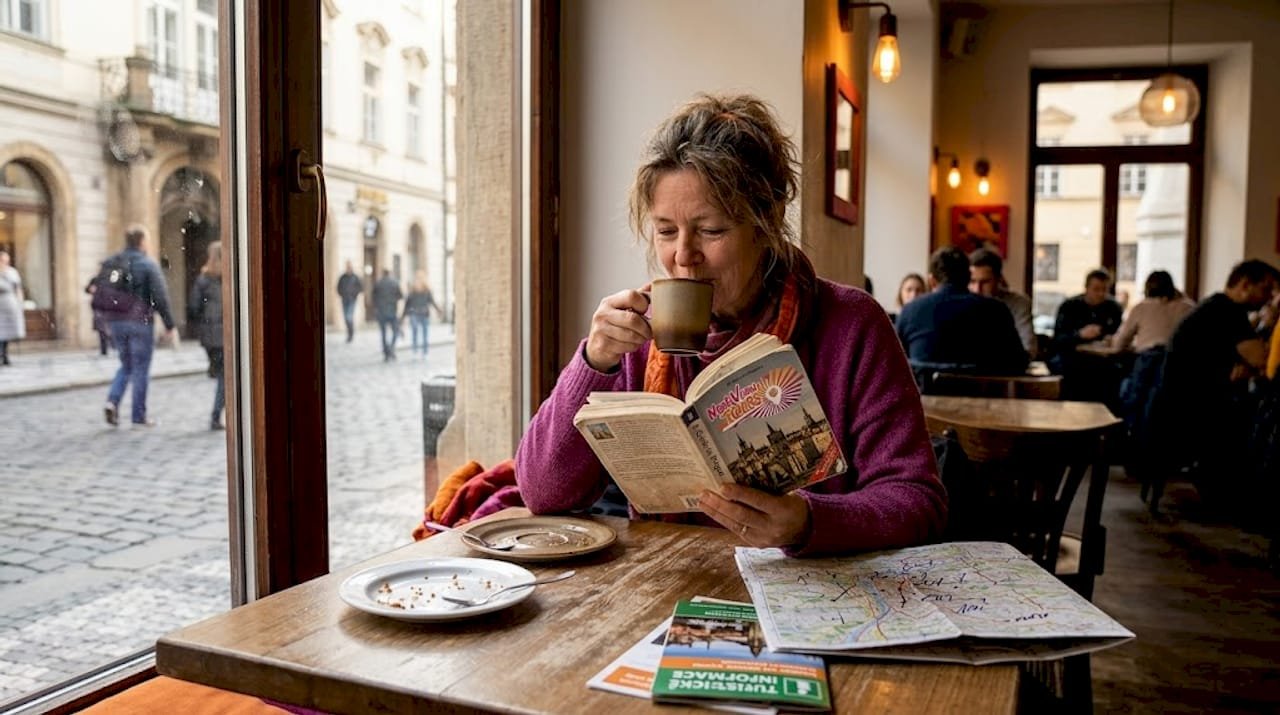
Guidebooks go a step further by adding strategic intelligence. The Rick Steves’ Prague & Czech Republic guide is one of the most respected English-language resources available, offering self-guided walking tours, crowd-avoidance strategies, and regional coverage that extends well beyond the capital. Rick Steves’ method of building itineraries around skip-the-line logic and off-peak timing has helped thousands of travelers see more while spending less time frustrated in queues.
Here is what strong Czech Republic guides consistently help you accomplish:
- Identify regional highlights outside Prague, including spa towns, wine regions, and castle routes
- Structure your time realistically, factoring in transport connections between destinations
- Understand local customs and cultural norms that make interactions richer and more respectful
- Locate practical logistics such as opening hours, ticket costs, and accessibility information
- Discover crowd-free alternatives to the most visited sites
“Czechia is not just a Prague experience. The country holds over 2,000 castles and château structures, making it one of Europe’s most castle-dense destinations. A good guide reveals this breadth.”
Exploring the Prague highlights is absolutely worthwhile, but giving yourself even two or three extra days to visit somewhere like Český Krumlov transforms the entire trip. That medieval town, ringed by the Vltava River and anchored by a towering castle complex, delivers an experience that feels genuinely different from anything Prague offers.
Types of Czech Republic travel guides: Choosing what works for you
Once you understand why guides matter, the next step is knowing which type of guide serves which purpose. Not every resource is built the same way, and each one has a specific role in your planning toolkit.
Official tourism portals
VisitCzechia offers structured, reliable, and government-backed information organized by destination, theme, and travel interest. It is particularly useful in the early stages of trip planning, when you are trying to understand the scope of what the country offers. The portal covers events, seasonal activities, regional food specialties, and itinerary ideas for varying lengths of stay.
Guidebooks
Books like Rick Steves’ guide and Lonely Planet’s Czech Republic coverage excel at itinerary architecture. They tell you how long to spend in each place, which sights genuinely justify the entrance fee, and where the locals actually eat. Their value is in the editorial judgment behind each recommendation, shaped by years of on-the-ground research.
Travel safety advisories
The U.S. State Department Travel Advisory for Czechia carries a Level 1 rating, meaning “exercise normal precautions.” However, it includes specific guidance about petty theft in tourist areas and on public transportation, which is worth reading before you finalize your itinerary. This type of resource adds a safety layer that destination-focused guides simply do not provide.
Comparison at a glance
| Guide type | Best for | Key strength | Limitation |
|---|---|---|---|
| Official portal (VisitCzechia) | Destination discovery | Comprehensive, up-to-date | Less strategic advice |
| Guidebook (Rick Steves, Lonely Planet) | Itinerary planning | Editorial judgment, depth | May lag behind current updates |
| Safety advisory (U.S. State Dept.) | Risk awareness | Objective safety framing | Not destination-focused |
| Travel blogs | Local color and personal tips | Authentic voices | Variable accuracy |
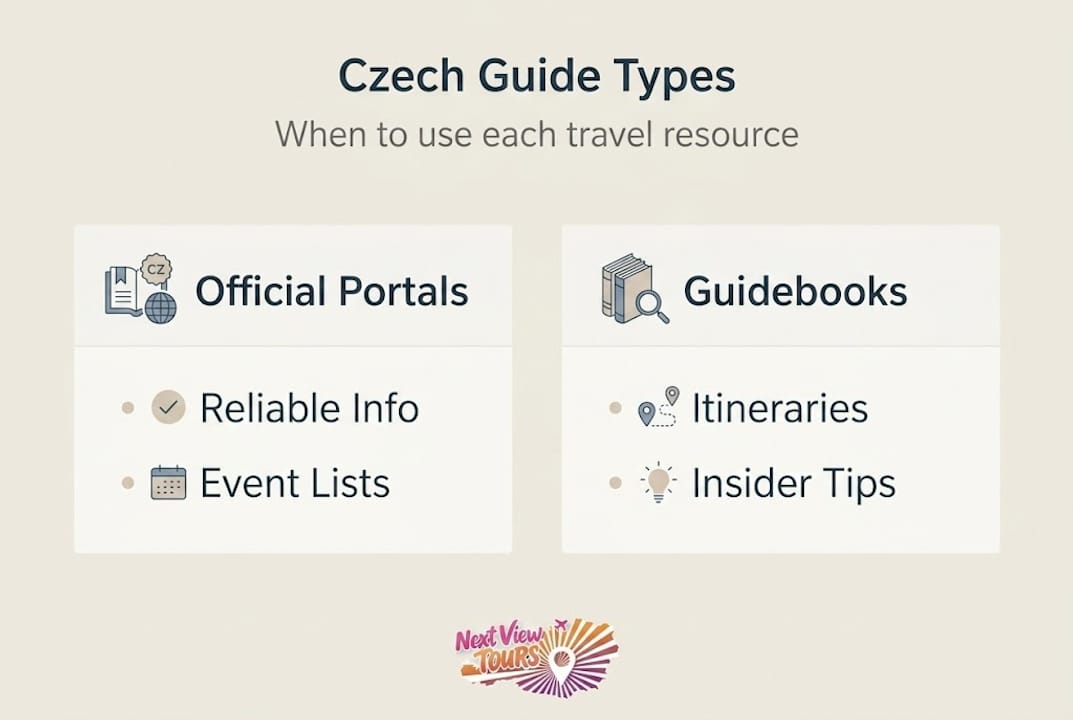
The smartest approach to day trip planning is to triangulate across all three main source types: use the official portal for regional inspiration, lean on a guidebook for strategic itinerary structure, and cross-check with safety advisories for any practical precautions.
Key reasons to mix your sources:
- Official portals reflect what the country wants you to see, which is genuinely useful but occasionally promotional
- Guidebooks provide independent editorial filters that help you prioritize
- Safety advisories ensure you are not caught off guard by common risks
- No single source covers budget tips, cultural nuance, safety alerts, and destination depth equally well
Pro Tip: Before you commit to any itinerary, run your top three must-see destinations through both a guidebook and the VisitCzechia portal. If they appear on both lists, they are almost certainly worth your time.
Planning your Czech Republic itinerary: Frameworks for success
With your resources selected, the real work begins. A well-built Czech Republic itinerary is not just a list of places. It is a logical sequence of experiences that respects travel time, energy levels, and the rhythm of each destination.
Step-by-step itinerary framework
- Choose your home base. Prague works for most travelers, but Brno in Moravia is an excellent alternative for those focusing on the eastern regions.
- Select two or three regional anchors. Think about what interests you most: medieval history, natural landscapes, wine culture, or architecture.
- Layer in day trips. Destinations like Kutná Hora (famous for its bone church and Gothic cathedral) and Český Krumlov sit within easy reach of Prague by train or coach.
- Allocate buffer time. Czech trains and buses are reliable, but regional connections can add 90 minutes or more to a journey each way.
- Research opening hours in advance. Many castle complexes and historic interiors operate on seasonal schedules and may close on Mondays.
- Integrate safety checks. Review travel advisory guidance for practical notes on petty crime, particularly in Prague’s Old Town and on overnight trains.
Regions worth building around
| Region | Key highlight | Best time to visit |
|---|---|---|
| Southern Bohemia | Český Krumlov, Šumava National Park | Spring and summer |
| Central Bohemia | Kutná Hora, Karlštejn Castle | Year-round |
| Moravia | Brno, Mikulov wine country | Late summer to autumn |
| Western Bohemia | Karlovy Vary spa town | Spring |
The Czech Republic covers roughly 30,450 square miles, which means a week of travel lets you meaningfully explore two or three regions if you plan connections thoughtfully. Prague itself deserves at least three full days to do Prague sightseeing essentials justice, covering the castle district, Old Town, and the river embankment without rushing.
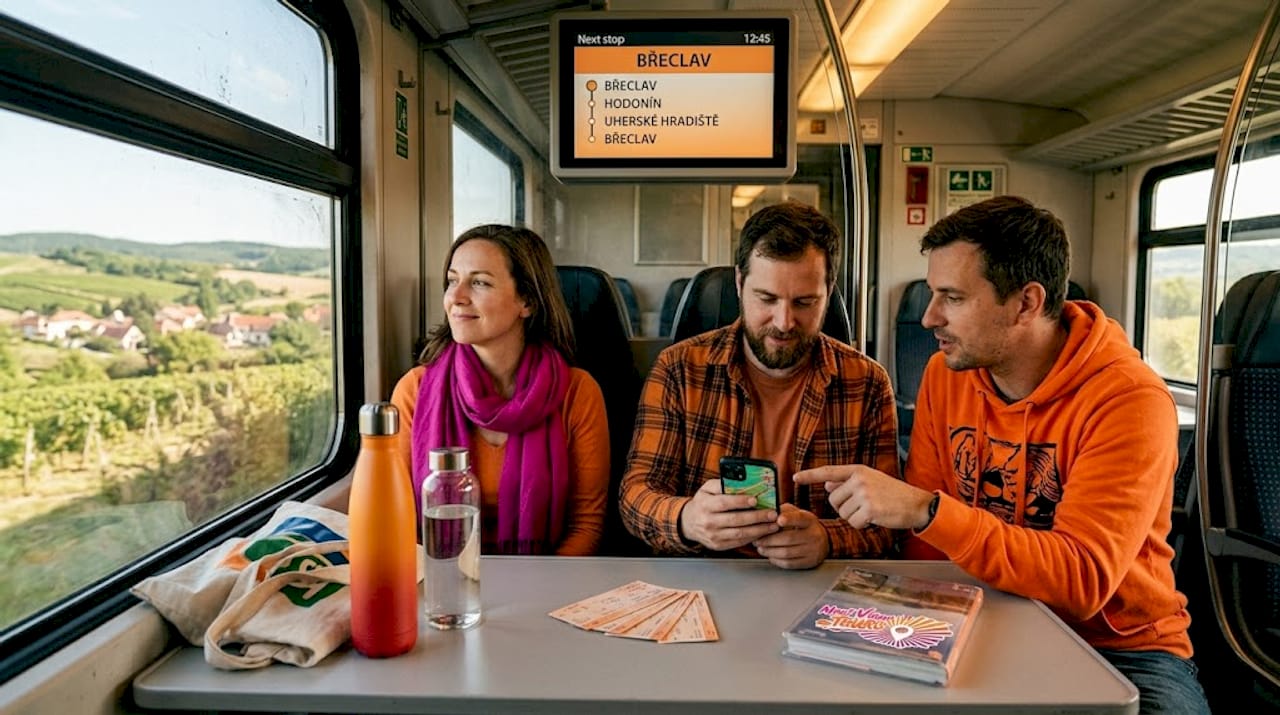
For those who want to experience the full range of authentic Czech adventures, consider mixing a city base with at least one rural or nature-focused stop. Šumava National Park, for example, sits close to the Austrian and German borders and offers hiking, cycling, and lake swimming in an almost completely undiscovered landscape.
Pro Tip: Factor in at least 90 minutes of travel buffer for any day trip that involves a regional train connection. Czech rail is efficient, but timing matters when you want to catch last entry at a castle or arrive before peak crowds.
Practical tips for safe, memorable Czech travel
Knowing where to go is only half the picture. How you move through a destination determines whether your trip feels smooth or stressful. The Czech Republic is genuinely one of Europe’s safer travel destinations, but it pays to stay sharp.
Staying safe in busy areas
The U.S. State Department Travel Advisory specifically calls out petty crime as the primary concern for visitors to Czechia. Pickpocketing occurs most frequently in crowded tourist zones, on trams, and at major train stations. Prague’s Old Town Square and Charles Bridge are beautiful but also among the most pickpocket-prone spots in Central Europe.
Smart precautions include:
- Carry a crossbody bag with a zip closure and keep it in front of your body in crowded spaces
- Use a money belt for passports, extra cash, and backup cards
- Avoid distraction scams near ATMs, particularly those involving strangers asking for directions or signatures
- Keep digital copies of your passport and travel insurance in a secure cloud folder
- Note emergency numbers: the general European emergency number is 112, and the Czech police number is 158
Embracing local culture
Czech culture rewards respect and curiosity. Learning even a handful of phrases in Czech, such as “Dobrý den” (good day) and “Děkuji” (thank you), signals genuine interest and tends to generate warmer responses from locals.
Traditional Czech cuisine is hearty and satisfying. Svíčková (beef sirloin in cream sauce with bread dumplings), trdelník (a rolled pastry, though more of a tourist version of a traditional sweet), and svařák (mulled wine in winter) are all worth trying. Step away from the main tourist squares to find restaurants where locals actually eat, and your budget will thank you as well.
Using technology wisely
Official apps from VisitCzechia and regional tourism boards offer offline maps, event schedules, and emergency contact lists. Download them before you leave. Google Maps works reliably for navigation, but having an offline backup is wise in smaller towns or rural areas with limited connectivity.
Get a sense of arrival logistics and first steps by reviewing arrival in Prague tips before you land. Knowing which metro line connects the airport to the city center, where to buy tickets, and how the tram network operates saves real time and stress.
Pro Tip: Early morning visits to Prague’s Charles Bridge, Old Town Square, and Petřín Hill offer dramatically quieter conditions, better light for photography, and a safer environment with fewer distractions. Aim to arrive by 7:30 a.m. for the most rewarding experience.
A traveler’s truth: Why blending guides beats any single source
Here is an opinion worth considering: the traveler who carries one perfect guidebook and nothing else is actually less prepared than the one who triangulates across three imperfect resources. Every guide has a blind spot. Official portals lean promotional. Guidebooks age. Travel blogs reflect one person’s experience on one particular day. Safety advisories focus on risk while missing the joy entirely.
What experienced travelers know is that the real framework is not about finding the best source. It is about learning how to read multiple sources in conversation with each other. When VisitCzechia highlights a destination, a guidebook confirms the logistics, and a safety advisory adds no specific warnings, you have genuine confidence in your choice.
The goal is not to plan every hour. It is to build your own Czech itinerary around your own curiosity, backed by enough cross-referenced knowledge to navigate confidently. Blend sources, trust your instincts, and leave room for the unexpected detour that becomes the best story you bring home.
Plan your perfect Czech Republic trip with expert help
You have the frameworks, the resources, and the practical knowledge. Now, the easiest way to put it all into motion is to let experienced hands help you shape the experience.
At Next View Tours, we specialize in turning good intentions into extraordinary trips. Our range of tour types in Czech Republic covers everything from intimate private tours to energetic group adventures, all built around deep regional knowledge and local expertise. Whether you want to explore castle country on a multi-day adventure trip or prefer the flexibility of private travel experiences tailored to your pace and interests, we make the planning effortless. Let us handle the logistics while you focus on the discovery.
Frequently asked questions
What is the safest way to travel around the Czech Republic?
Train and bus travel is reliable and generally very safe throughout the country. The U.S. State Department advises remaining alert for petty theft on public transit and in busy tourist zones, so keep valuables secure.
Which guidebook is best for Czech Republic first-timers?
The Rick Steves’ Prague & Czech Republic guide and Lonely Planet’s Czech Republic edition both offer strong itinerary structures, regional coverage, and strategic tips that work well for first-time visitors.
Why use official tourism sites like VisitCzechia?
VisitCzechia provides reliable, regularly updated information on destinations, events, and travel themes across the entire country, making it the most comprehensive single starting point for Czech trip planning.
How do I avoid tourist crowds in Prague?
Visit the most popular sites before 8 a.m., follow self-guided walking routes from the Rick Steves’ guide, and ask your guide or accommodation for neighborhood alternatives to the main tourist corridors.
Are regional destinations outside Prague worth visiting?
Absolutely. Destinations like Kutná Hora, Český Krumlov, and Mikulov in the Moravian wine country all offer rich cultural and historical depth that VisitCzechia and major guidebooks consistently highlight as essential Czech experiences.


Comments are closed