 Uncategorized
TL;DR:
- Europe offers a diverse range of nature trips tailored to various fitness levels, scenery types, and travel styles.
- Key planning factors include difficulty, trip length, accommodations, timing, and flexibility for best experience.
- Popular routes like the Tour du Mont Blanc and Mullerthal Trail cater to different abilities, scenery preferences, and crowd levels.
Europe’s natural landscapes are so varied and vast that choosing the right nature trip can feel genuinely overwhelming. From the high Alpine ridges of the Tour du Mont Blanc to the gentle sandstone canyons of Luxembourg, the continent offers a staggering range of day and multi-day experiences for every fitness level and travel style. This guide breaks down the key criteria you need to evaluate, profiles two of Europe’s most rewarding multi-day routes in detail, and gives you a clear comparison to help you decide where to go next.
Table of Contents
- How to choose the right nature trip for you
- Tour du Mont Blanc: The classic European adventure
- Mullerthal Trail: Discovering Luxembourg’s Little Switzerland
- Comparing top nature trips in Europe
- What experts wish you knew about European nature trips
- Ready to book your European nature adventure?
- Frequently asked questions
Key Takeaways
| Point | Details |
|---|---|
| Trip selection matters | Choose trips that match your fitness, interests, and time frame for the best experience. |
| Planning is key | Book well ahead, especially for popular European routes, to secure accommodations. |
| Guided vs. self-guided | Guided tours are ideal for safety and learning, while self-guided hikes require more preparation. |
| Unexpected challenges | Prepare for seasonal surprises like insects or busy hut amenities by researching each route. |
| Diverse trip options | Europe offers everything from high-alpine treks to scenic moderate trails suitable for various travelers. |
How to choose the right nature trip for you
Now that you’re ready to pick, let’s detail the major criteria you should keep in mind when scouting nature trips in Europe. Getting this foundation right saves you from booking a trail that’s either too easy or brutally harder than you expected.
Here are the five factors that should shape every decision:
- Physical difficulty. Be honest about your current fitness. A five-hour daily hike over rocky Alpine terrain is very different from a forest walk with gentle elevation changes. Check the daily ascent and descent figures, not just the total distance.
- Trip length. Day trips are perfect for sampling a region, but multi-day hikes give you a deeper sense of place. Decide how many days you can realistically commit to before you start browsing routes.
- Group vs. private. Group tours are typically more affordable and add a social dimension. Private tours offer flexibility in pace and itinerary, which matters if you travel with mixed abilities.
- Scenery priorities. Are you chasing dramatic mountain peaks, lush coastal paths, dense forest, or unusual rock formations? Europe delivers all of these, but in very different geographic pockets.
- Accommodation comfort. Mountain huts (known as refuges or rifugi) offer a genuine wilderness experience but usually mean shared dormitories and limited facilities. Hotels and guesthouses along the route provide more comfort but cost more and can book out fast.
Booking timing is critical. Peak summer season across most Alpine routes runs from late June through August. Securing your lodging and guide services 1-2 months ahead of peak season is the standard recommendation from experienced trail operators. Leave it later and you’ll find huts full and guides committed elsewhere.
On the guided versus self-guided debate, research consistently shows that self-guided is cheaper but demands solid planning skills, while guided trips add a layer of safety and local insight that first-timers genuinely appreciate. If you’re new to multi-day hiking, a guided start is worth every extra dollar. You can always go self-guided on your next trip once you know what to expect.
For practical help organizing adventure tours, it pays to work with people who understand the route logistics on the ground.
Pro Tip: Midges (tiny biting insects) are a real problem on Scottish trails between April and May. If you’re planning any northern European routes, check local insect season calendars before you set your departure date. It’s a detail that guidebooks often gloss over.
Tour du Mont Blanc: The classic European adventure
With criteria in hand, let’s dig into some of Europe’s best nature trips, starting with the iconic Tour du Mont Blanc. Few routes in the world match its combination of scale, scenery, and cultural variety.
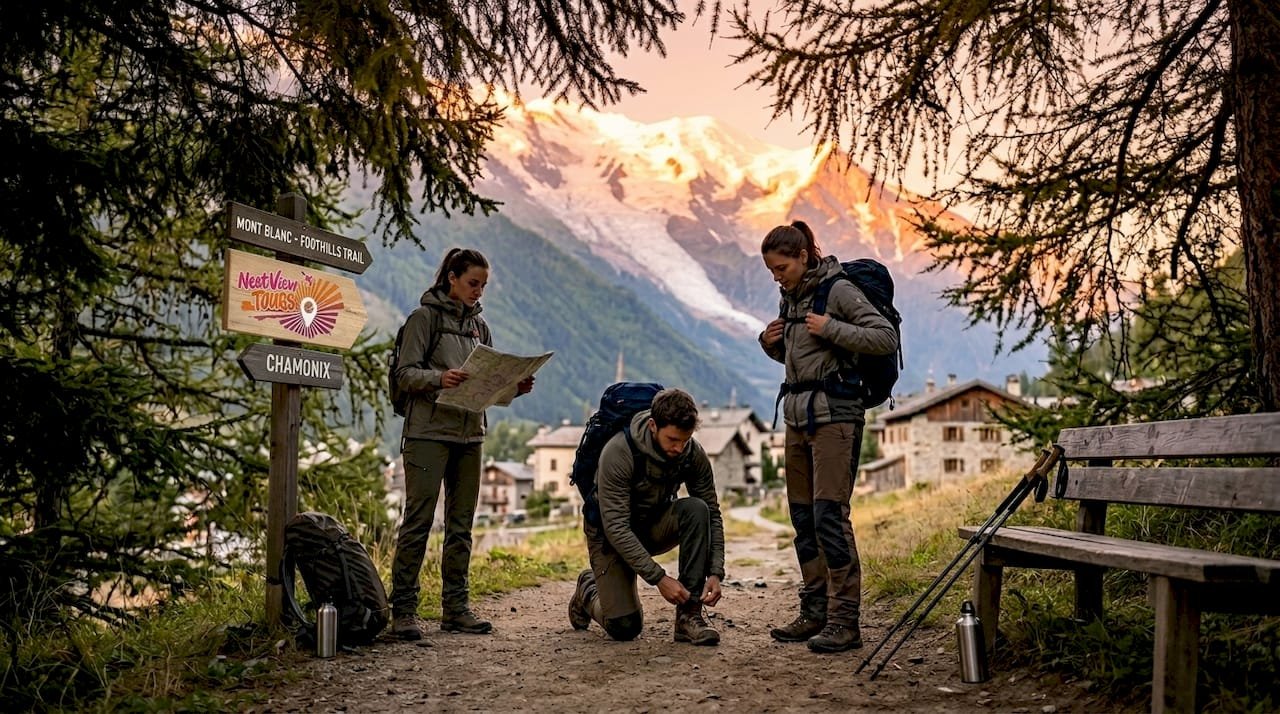
The Tour du Mont Blanc is a classic 10 to 11 day multi-day hike that circles Mont Blanc across France, Italy, and Switzerland, covering approximately 170km with daily hiking sections of 5 to 7 hours. It is widely regarded as one of the most rewarding long-distance trails on the planet.
Here’s what you need to know before you commit:
- Route overview. The trail starts and typically finishes in Les Houches, France. You’ll cross multiple mountain passes, some reaching above 2,500 meters, with the Grand Col Ferret on the Italian-Swiss border being a particular highlight.
- Who it’s for. Fit hikers with solid experience on uneven terrain. You don’t need technical climbing skills, but you do need good cardiovascular fitness and proven ability to hike for multiple consecutive days.
- Lodging options. Refuges (mountain huts) are the most atmospheric choice and a huge part of the TMB culture. Many hikers mix huts with small hotels in valley villages for occasional comfort breaks. Both options must be booked well in advance.
- Weather realities. Afternoon thunderstorms are common throughout July and August. Starting your hike early each morning (before 9 a.m.) dramatically reduces your exposure to electrical storms on open passes.
- Crowds. The TMB is one of Europe’s most popular long-distance routes. July and August are beautiful but busy. Late June and early September offer slightly quieter trails and often better weather stability.
Curious about adventures in Lapland and other extreme nature experiences in Europe? The contrast with the TMB is fascinating since Lapland trades Alpine drama for wide Arctic silence.
“The Tour du Mont Blanc delivers something rare in modern travel: genuine physical challenge, extraordinary scenery, and cultural immersion across three nations, all in under two weeks.”
If you’re researching multi-day trip examples before committing, the TMB is consistently the benchmark against which other European hikes are measured. It earns that reputation every year.
Mullerthal Trail: Discovering Luxembourg’s Little Switzerland
Looking for something shorter and less alpine? The Mullerthal Trail in Luxembourg offers a different kind of scenic adventure. It’s a route that surprises people. Luxembourg doesn’t immediately come to mind when European hiking enthusiasts list their bucket list destinations, but those who walk it tend to become immediate advocates.
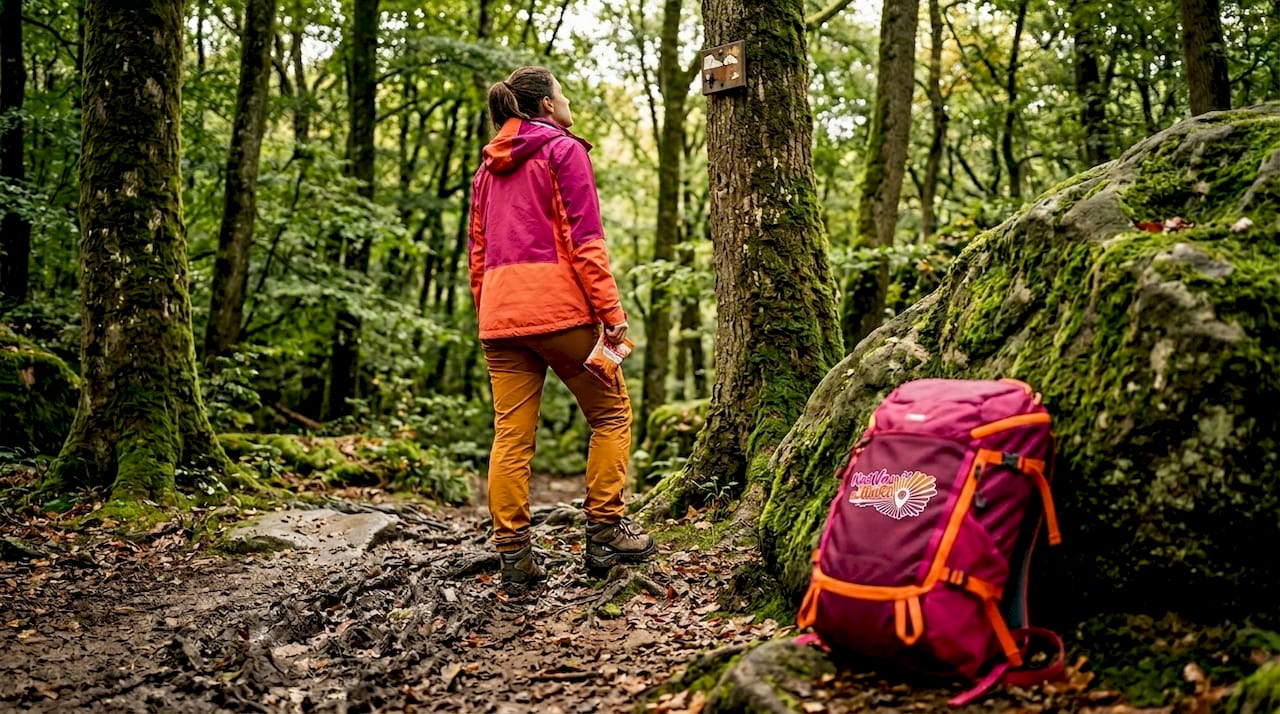
The Mullerthal Trail in Luxembourg is a 6-day, 112km medium-difficulty multi-day hike through dramatic rock formations, dense broadleaf forests, and clear streams, officially known as “Little Switzerland” and starting from the historic town of Echternach.
Here’s why it deserves serious consideration:
- Terrain character. The route’s sandstone rock formations are unlike anything you’ll find on Alpine trails. You’ll squeeze through narrow gorges, scramble past moss-covered boulders, and walk alongside fast-flowing streams. The scenery is intimate and detailed rather than vast and sweeping.
- Difficulty level. Medium difficulty means you’ll encounter some rocky, uneven ground and occasional steep sections, but nothing that requires previous hiking experience. This makes it accessible for travelers who want a genuine trail experience without tackling high Alpine passes.
- Daily distances. Stages average around 18 to 20km per day, which is manageable for anyone with a reasonable base fitness level. Most walkers complete each stage in 5 to 6 hours with breaks.
- Logistics and accommodation. Echternach is easily reachable from Luxembourg City, Brussels, and Frankfurt. The trail is well signposted throughout, which makes navigation reliable even without specialist apps. Accommodation along the route ranges from family-run guesthouses to small hotels.
- Best seasons. Spring (April to June) and early autumn (September to October) offer the most pleasant conditions. Summer can get warm in the valley sections, and the forest provides welcome shade during hotter days.
For a broader look at other top European trips that pair well with or contrast against the Mullerthal, it’s worth exploring routes in neighboring countries like Belgium’s Ardennes or Germany’s Eifel region.
Pro Tip: Pack waterproof trail shoes rather than heavy hiking boots for the Mullerthal. The terrain involves a lot of stream crossings and wet rock, and lighter footwear with good grip handles these conditions better than stiff mountaineering boots.
Comparing top nature trips in Europe
To make your decision easier, here’s a side-by-side comparison and some quick picks for specific interests.
| Feature | Tour du Mont Blanc | Mullerthal Trail |
|---|---|---|
| Total distance | 170km | 112km |
| Duration | 10 to 11 days | 6 days |
| Difficulty | Challenging | Medium |
| Countries crossed | France, Italy, Switzerland | Luxembourg |
| Max elevation | ~2,665m (Grand Col Ferret) | ~450m |
| Accommodation | Mountain huts and hotels | Guesthouses and small hotels |
| Best season | Late June to September | April to October |
| Best for | Fit hikers, Alpine scenery lovers | Moderate hikers, unique terrain seekers |
| Crowd level | High in peak summer | Low to moderate year-round |
| Booking lead time | 2 months minimum | 3 to 4 weeks typically sufficient |
The Tour du Mont Blanc is a classic multi-country Alpine hike, while the Mullerthal Trail earns its identity as Luxembourg’s “Little Switzerland,” offering a far quieter and more intimate experience.
When it comes to matching trail to traveler, here are quick picks based on specific interests:
- Best for seasoned hikers: Tour du Mont Blanc. The elevation, multi-day demands, and logistical complexity make it ideal for people with strong trail experience.
- Best for moderate ability: Mullerthal Trail. The gentler elevation and well-marked path make it approachable for those stepping up from day hiking to multi-day adventures.
- Best for families with older children: Mullerthal Trail. Shorter daily stages and lower altitude make it more manageable for mixed-age groups.
- Best for dramatic scenery: Tour du Mont Blanc. The panoramic views across three countries are simply unmatched.
- Best for off-the-beaten-path discovery: Mullerthal Trail. Far fewer international visitors compared to the TMB means a more personal experience.
When planning an adventure trip from scratch, this comparison table is a useful anchor point for conversations with operators and guides.
What experts wish you knew about European nature trips
Comparison is great, but there’s more to a successful trip than specs and scenery. Here’s what experienced guides and travelers know that most planning resources never mention clearly enough.
Seasonal surprises are consistently underestimated. Research points specifically to midges on Scottish trails being best avoided in April and May, but the principle applies broadly across Europe. Pollen levels in Alpine meadows can affect allergy sufferers in June. Flash flooding risks increase in southern European gorge trails during autumn. Every route has a seasonal caveat that only local experience reveals. Ask your operator specifically what to expect in your travel month, not just which months are “best.”
The gap between guidebook promises and real-world conditions is real. Mountain huts may lack showers or even running water during dry spells. A stage described as “moderate” in a 2018 guidebook may now be significantly more eroded and demanding. Trails that were quiet five years ago might now be seeing three times the foot traffic. Before you finalize your itinerary, check recent trail reports from hikers who completed the route in the past twelve months. Forums, dedicated hiking apps, and tour operator blogs are far more current than printed guides.
Flexibility consistently outperforms a rigid best-route obsession. Travelers who arrive with a specific trail memorized and refuse to adjust tend to have worse experiences than those who arrive with a general region in mind and adapt as conditions develop. A rainy day on a high Alpine pass is genuinely dangerous. A detour through a valley village instead often produces the most memorable moments of a trip. Build flexibility into your schedule, and give yourself at least one buffer day per week of hiking.
Preparation is the single biggest predictor of enjoyment. This means physical preparation (at least 6 to 8 weeks of consistent training before a demanding multi-day hike), gear preparation (waterproofing, layering, and breaking in footwear before departure), and logistical preparation (confirmed bookings, downloaded offline maps, emergency contacts registered). Travelers who skip this step often blame the trail. The trail is rarely the problem.
For deeper adventure trip insights from destinations well beyond the obvious, it’s worth reading firsthand accounts from travelers who have done both guided and self-guided routes across different European regions.
Ready to book your European nature adventure?
Once you’ve considered your options, nothing beats seeing them for yourself. The right partner can make all the difference between a stressful logistical puzzle and a genuinely transformative journey.
At Next View Tours, we specialize in connecting nature enthusiasts and adventure travelers with Europe’s finest day trips, multi-day hikes, private tours, and group experiences across Austria, the Czech Republic, Slovakia, Hungary, and well beyond. Whether you’re drawn to the dramatic Alpine scenery of the Tour du Mont Blanc or prefer discovering quieter trails at your own pace, we can help you find and book the right experience. Start by exploring how to choose adventure trips that match your style, browse our full customized tour planning options, or take a broader look at all our available trip types to find your perfect fit.
Frequently asked questions
Is a guided or self-guided trip better for beginners in Europe?
Guided trips offer safety and expert local insights, making them the stronger choice for beginners, while self-guided options save money but require confident route-planning skills and more pre-trip preparation.
When should I book a popular multi-day nature trip?
You should book 1 to 2 months ahead of your planned start date during peak summer season to secure both lodging along the route and guide availability.
What makes the Tour du Mont Blanc special compared to other nature hikes?
The Tour du Mont Blanc covers 170km across three countries over 10 to 11 days, offering a rare combination of Alpine challenge, cultural variety across France, Italy, and Switzerland, and a wide range of lodging from mountain huts to valley hotels.
Are there shorter, scenic multi-day hikes suitable for moderate ability?
The Mullerthal Trail in Luxembourg offers a well-structured 6-day, 112km route at medium difficulty, winding through forests, sandstone rock formations, and streams, making it an excellent choice for hikers stepping into multi-day adventure travel.
What unique challenges should European nature travelers plan for?
Midges on Scottish trails are best avoided in April and May, and mountain huts across popular routes may lack showers or water during dry periods, so always check recent trail conditions specific to your chosen route and travel month.


Comments are closed