
 Uncategorized
TL;DR:
- Successful nature trips require careful planning, appropriate gear, and respect for the environment.
- Preparation matched to terrain and trip duration is key to avoiding stress and ensuring safety.
Planning a nature trip sounds simple until you are standing at a trailhead with a 45-pound pack, no cell service, and a weather forecast you did not check. The best nature trip tips are not about packing every gadget or choosing the most Instagram-worthy destination. They are about preparation that actually matches the terrain, duration, and conditions you will face. Whether you are planning a camping trip for the weekend or a two-week backcountry route, the difference between a memorable adventure and a stressful ordeal comes down to a handful of decisions made before you ever leave home.
Table of Contents
- Key takeaways
- 1. Master the art of smart packing
- 2. Research your destination before you commit
- 3. Build a layered safety plan
- 4. Understand how trip type changes everything
- 5. Practice genuine Leave No Trace stewardship
- 6. Maximize your experience with insider habits
- My honest take on what actually matters out there
- Discover nature trips built around your adventure
- FAQ
Key takeaways
| Point | Details |
|---|---|
| Pack weight matters | Keep your load under 25-30% of your body weight on remote trips to avoid fatigue and injury. |
| Plan permits early | Book popular trail permits 2-6 weeks ahead to avoid last-minute closures or crowds. |
| Hydration is non-negotiable | Carry roughly 1 liter of water per 3 miles hiked and adjust for heat and exertion. |
| Leave No Trace always applies | Proper waste disposal and campsite ethics protect ecosystems and preserve trails for everyone. |
| Match gear to trip type | Day hikes, overnight camps, and remote backpacking require very different gear setups and safety plans. |
1. Master the art of smart packing
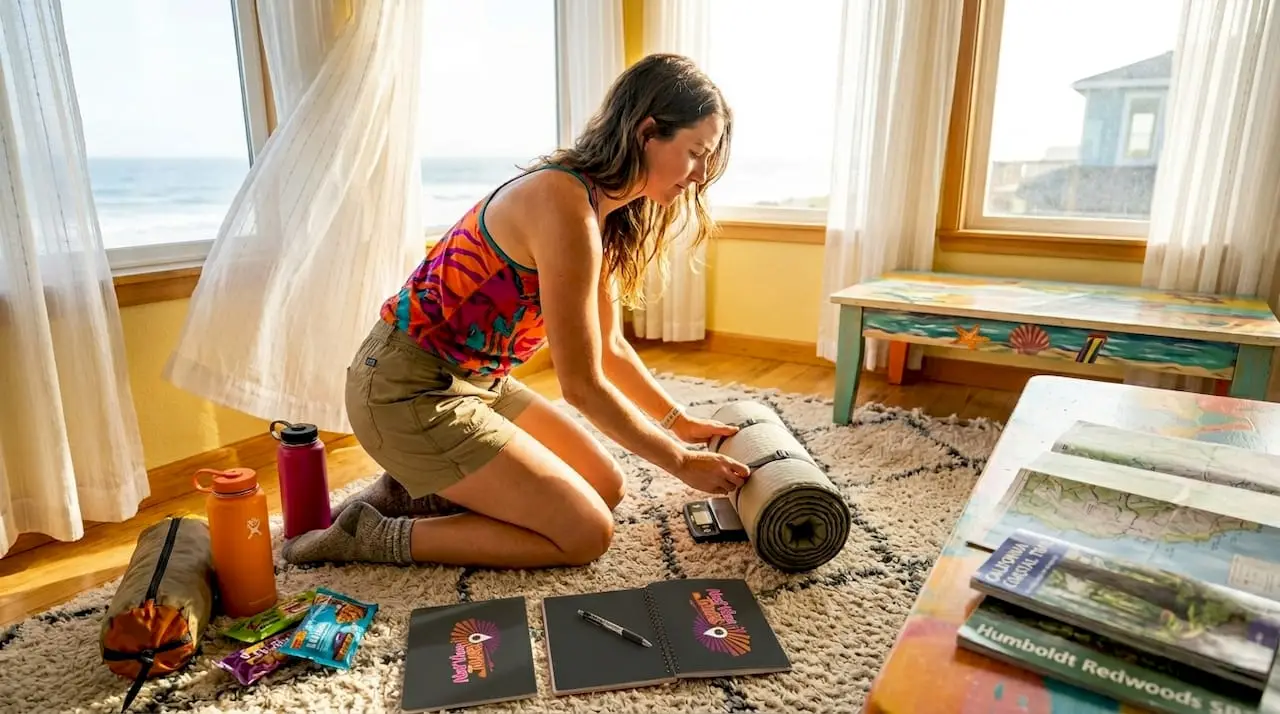
Overpacking is the single most common mistake first-time and intermediate outdoor travelers make. You feel the consequences on mile three, not mile one. The remote trip pack weight guideline is clear: keep your loaded pack under 25-30% of your body weight on any trip with no resupply options.
The key to hitting that target is choosing multi-use gear. A merino wool base layer works for both sweating on the ascent and insulating at camp. A rain jacket doubles as a wind layer. Your sleeping bag stuff sack becomes a pillow. These substitutions save real weight without real sacrifice.
Clothing deserves particular attention. Layering systems work because conditions in nature shift fast. A morning that starts at 45 degrees Fahrenheit can reach 80 by noon. Build your wardrobe around a moisture-wicking base, an insulating mid-layer, and a waterproof outer shell.
- Navigation tools: Carry a paper map and compass alongside any digital device. Backup navigation methods are critical because phone GPS fails when batteries die or signal drops.
- Hydration systems: A water filter or purification tablets weigh almost nothing and remove the single biggest uncertainty in the backcountry.
- Waste management: Follow Leave No Trace human waste practices, which means digging catholes 6-8 inches deep and packing out all toilet paper.
- Food packing: Repackage meals into lightweight bags before departure. Bulky original packaging adds weight and creates unnecessary trash.
Pro Tip: Weigh every item in your pack before you leave, then ask yourself honestly whether each one earns its place. Most people find at least 3-5 pounds worth of gear they never actually use.
2. Research your destination before you commit
Picking a destination based on a photo is a reasonable starting point. Arriving without understanding the permit system, seasonal closures, or trail conditions is how good trips go wrong. Sustainable hiking planning experts consistently recommend booking popular trail permits 2-6 weeks in advance, and checking fire restrictions and group size limits as part of that process.
Here is a practical pre-trip research checklist to work through:
- Visit the official park or forest service website and note any current closures or restrictions.
- Check permit requirements and whether reservations are required for specific campsites or trailheads.
- Download offline maps using an app like Gaia GPS or Maps.me before you lose cell service.
- Research group size limits. Groups of 3-6 hikers generally cause the least trail damage and minimize wildlife stress.
- Call the local ranger station one to two days before your trip for last-minute updates on trail conditions, wildlife activity, and weather patterns.
Popular park trails often have no cell coverage, require advance reservations, and reward visitors who arrive early with far better wildlife sightings and photography conditions. The best light for nature photography hits in the first two hours after sunrise. If you show up at noon, you miss that entirely.
Pro Tip: Timing your permit research to align with a trail’s seasonal opening calendar dramatically increases your chances of securing dates you actually want. Many permits for summer trails open in early spring and sell out within hours.
3. Build a layered safety plan
Safety on a nature trip is not one decision. It is a stack of small, overlapping decisions that together make emergencies survivable. Most serious outdoor incidents are preventable with basic preparation.
Hydration is where most people miscalculate. The baseline hydration rule is roughly 1 liter of water for every 3 miles hiked, adjusted upward for heat and high exertion. The problem is that many hikers underestimate dehydration risk and carry far less than they need, especially on warm days with exposed ridgelines.
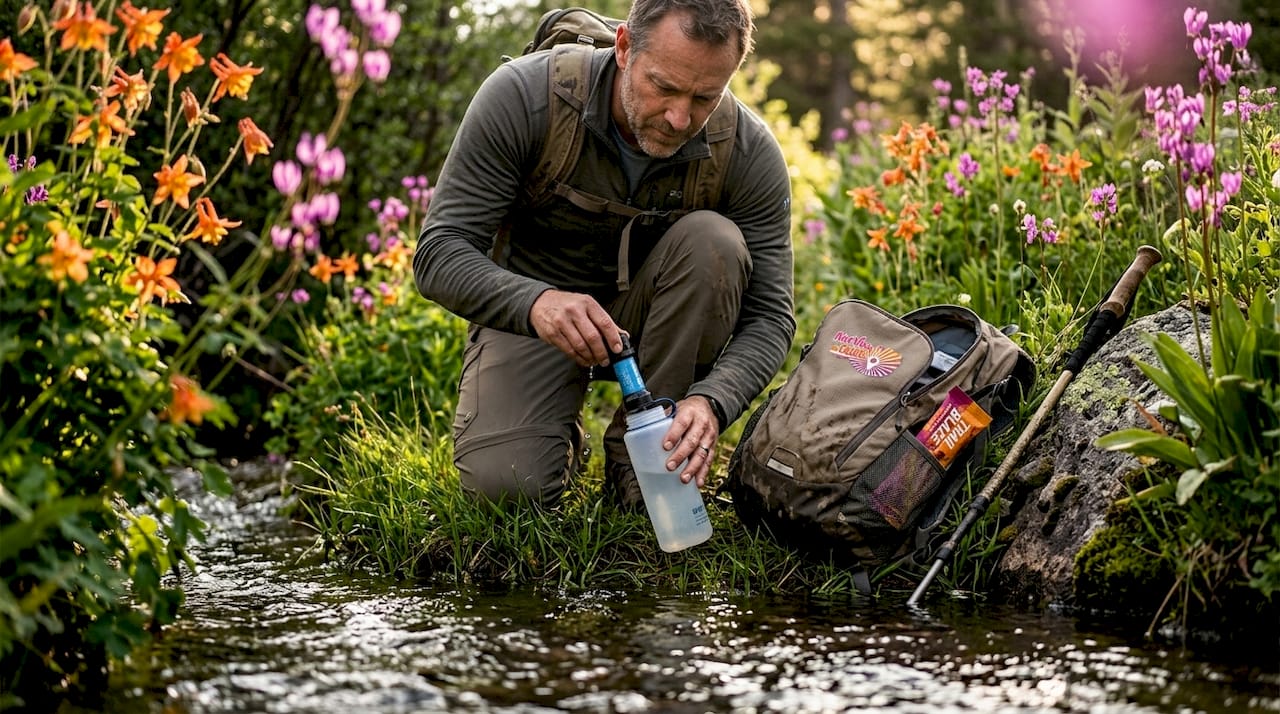
Heat illness follows a clear progression from mild to life-threatening. Clinical guidelines from the Wilderness Medical Society confirm that oral fluids treat mild dehydration, while whole-body ice water immersion is the preferred treatment for heat stroke. Knowing that distinction before you need it is worth more than any piece of gear.
Wildlife awareness follows its own logic. Keep food stored in bear canisters or hung properly. Maintain at least 100 yards of distance from bears and 25 yards from other wildlife. Learn the tick and snake species common to your specific region. Ticks carrying Lyme disease are present throughout most of Central and Eastern Europe, and brushing clothing with permethrin before hiking in wooded areas significantly reduces exposure.
“Nature can be unpredictable. But most of the variables that injure people in the outdoors were predictable. They just were not prepared for.” — Ranger advice from Silicon Valley outdoor safety experts
Tell someone your exact route and expected return time before every trip. This single habit has saved lives. A personal locator beacon (PLB) or satellite communicator adds another layer for remote trips where cell service is absent.
4. Understand how trip type changes everything
A three-hour day hike in the Alps and a ten-day backcountry traverse in Slovakia are both nature trips, but they require different preparation in almost every category. Matching your gear, safety plan, and skill set to your specific trip type is one of the most practical nature trip tips you can apply.
| Factor | Day hike | Overnight camping | Remote backpacking |
|---|---|---|---|
| Pack weight | 10-20 lbs | 25-35 lbs | 35-50 lbs (under 30% body weight) |
| Water needs | 1-2 liters | Filter + 2-3 liters | Filter + purification tablets |
| Navigation | Phone GPS + paper map | Offline maps + compass | Full nav kit, no phone reliance |
| Permits | Often none required | Campsite permit typical | Multiple permits likely required |
| Leave No Trace | Pack out trash, stay on trail | Full LNT waste protocol | Strict LNT, including human waste |
| Emergency gear | First aid kit, whistle | PLB recommended | PLB required, full first aid |
Self-sufficiency scales directly with trip complexity. On a day hike, you can rely on a single water source and a charged phone. On a remote multi-day trip, relying on single technology like phone GPS or a single water filter without backup is a documented failure mode that compromises safety. Carry redundancy where the stakes are highest.
5. Practice genuine Leave No Trace stewardship
Leave No Trace is not a vague suggestion. It is a specific set of practices that directly determines whether natural spaces remain accessible for future travelers. Experienced hikers treat it as a technical discipline, not a general attitude.
Food scraps and packaging attract wildlife, disrupt feeding behaviors, and create habituation that often ends badly for the animals involved. Pack out everything, including apple cores, orange peels, and any hygiene products. None of it belongs in a backcountry cathole.
Campfires deserve more thought than most people give them. Check local fire restrictions before assuming you can build one. In high-use areas, a camp stove produces less environmental impact, leaves no fire ring, and actually cooks your food faster. Where fires are permitted, use established rings, keep them small, and burn only fallen wood smaller than your wrist.
For nature trips across Europe, regulations vary significantly by country and protected area designation. What is permitted in an Austrian national forest may be restricted entirely in a Slovak nature reserve. Do not assume the rules from your last trip apply to your next one.
6. Maximize your experience with insider habits
The difference between a good nature trip and a great one usually comes down to habits that experienced travelers have built over years of making smaller mistakes.
- Arrive early, always. The first hour after sunrise delivers the best wildlife sightings, the best natural light for nature photography, and the quietest trails.
- Manage food smells actively. Use smell-proof containers for snacks and cook meals at least 200 feet from your sleeping area. This is not just bear country advice. Raccoons, squirrels, and foxes can destroy a camp setup overnight.
- Observe wildlife quietly. Wildlife observation tips consistently point to the same approach: slow down, stay quiet, and wait rather than pursue. Animals reveal themselves to patient, still observers.
- Monitor weather daily during multi-day trips. Conditions shift faster than forecasts predict in mountain terrain. Build a flexible itinerary with natural bailout points rather than a rigid schedule.
- Carry reusable containers. They reduce packaging waste, keep smells contained, and are more durable than single-use alternatives on rough terrain.
Pro Tip: Before any trip into a new region, spend 20 minutes reading recent trip reports on hiking forums or trail apps. Conditions on the ground are often months ahead of official website updates.
My honest take on what actually matters out there
I’ve spent enough time outdoors, and with travelers preparing for outdoor adventures, to have a clear perspective on what separates people who love nature trips from those who have one bad experience and never go back.
Most of the serious problems I’ve seen come from one root cause: people prepared for the trip they wanted to have instead of the trip they were actually taking. They packed for sunshine on a route known for afternoon storms. They brought three liters of water for a six-mile exposed ridge in July. They trusted their phone navigation in an area with zero coverage.
What I’ve learned is that preparation is not about fear. It is about respect. Respect for the environment you are entering, for the unpredictability of wild places, and for the other travelers who will use those trails after you. The responsible nature travel mindset shifts the whole experience. You stop trying to conquer a place and start paying attention to it.
I’ve also seen how transformative a well-planned nature trip can be, especially when it is guided by someone who knows the terrain, the seasons, and the local wildlife patterns. That depth of knowledge changes what you see, what you notice, and what you carry home with you.
My honest advice: customize your planning to your actual fitness level and your specific destination. Do not copy someone else’s gear list from a different climate or a different season. And always leave more flexibility in your itinerary than you think you need.
— Next
Discover nature trips built around your adventure
Whether you are looking for a guided day hike through the Bohemian forests of the Czech Republic, a multi-day alpine traverse in Austria, or a private nature tour through the Slovak countryside, Nextviewtours designs trips that match your pace, skill level, and genuine curiosity about the natural world.
Nextviewtours has built its expertise around the landscapes of Central and Eastern Europe, from the riverside trails along the Danube to the forested highlands of Bohemia. Every trip is grounded in responsible travel principles, local guide knowledge, and the kind of flexibility that makes a nature experience feel personal rather than programmed. You can explore the full range of nature and adventure trip types or go deeper with a customized tour designed around your exact preferences and timeline. The places are extraordinary. The planning does not have to be stressful.
FAQ
How far in advance should I book trail permits?
Plan 2-6 weeks ahead for popular trails, especially during peak season. Some high-demand permits in national parks sell out within hours of opening.
How much water should I bring on a hike?
Carry roughly 1 liter of water for every 3 miles hiked as a starting point, and increase that estimate significantly for hot weather or high-altitude terrain.
What is the most important safety item for a remote nature trip?
A personal locator beacon or satellite communicator is the most critical safety tool for remote trips where cell service is unavailable. Always tell someone your route and expected return before departing.
How do I practice Leave No Trace on a camping trip?
Pack out all waste including food scraps and hygiene products, dig catholes 6-8 inches deep for human waste, and camp on durable surfaces at least 200 feet from water sources.
What type of nature trip is best for beginners?
A guided day hike through an established trail network is the best starting point. It builds outdoor skills, requires minimal gear, and lets you assess your comfort level before committing to overnight or remote trips.


Comments are closed