
 Adventure Tours
Choosing a nature tour involves much more than picking a scenic spot on the map. For eco-conscious travelers, the real value comes from experiences that protect ecosystems and respect local traditions. Nature-based tourism is defined as travel primarily motivated by the observation and appreciation of nature and traditional cultures, often involving educational elements. This matters because how we understand nature tours influences both our impact and the authenticity of what we encounter across Austria and Central Europe, setting the stage for immersive, meaningful adventures.
Table of Contents
- Nature Tours Defined: Principles And Misconceptions
- Main Types Of Nature Tours In Europe
- Key Elements Of Immersive Nature Experiences
- Legal Rules And Sustainability Standards For Nature Travel
- Risks, Costs, And Responsibilities For Travelers
Key Takeaways
| Point | Details |
|---|---|
| Nature tourism definition | Nature-based tourism is focused on observing and appreciating nature and local cultures, requiring sustainable management to ensure ecosystems are preserved. |
| Misconceptions about conservation | Merely visiting nature areas doesn’t guarantee their preservation; real nature tourism must include sustainability practices and meaningful community involvement. |
| Types of nature tours | Europe offers diverse nature tours, such as hiking, wildlife observation, and eco-cultural trails, each emphasizing sustainability and local economic benefits. |
| Traveler responsibilities | Travelers should follow local regulations, choose operators genuinely committed to conservation, and be mindful of their environmental impact. |
Nature tours defined: Principles and misconceptions
When you hear “nature tour,” you might picture a casual walk through a forest or a weekend hike with friends. The reality is more nuanced. Nature-based tourism is defined as travel primarily motivated by the observation and appreciation of nature and traditional cultures, often involving educational elements. This isn’t just about seeing pretty landscapes. It’s about creating meaningful connections with ecosystems while supporting the communities that depend on them. The distinction matters because how we define nature tours shapes how we experience them and what impact they have on the environments we visit.
One major misconception is that nature-based tourism operates independently of conservation needs. Many travelers assume that simply visiting a natural area supports its preservation. That’s backward thinking. Real nature tourism requires sustainable management practices to preserve the ecosystems that make these tours possible in the first place. Without proper conservation strategies, popular nature destinations in Austria, the Czech Republic, Slovakia, and across Europe risk degradation from overuse. Another false assumption is that tourism must be urban and disconnects people from nature. In fact, eco-conscious travel does the opposite: it reconnects you with natural environments while fostering awareness of ecological conservation needs. The principle here is balance. Low-impact travel, support for local economies, and education about cultural and ecological preservation work together to create sustainable experiences.
The core principles of legitimate nature tourism are straightforward but often overlooked. First, minimal environmental impact means responsible behavior on trails, proper waste management, and respect for wildlife. Second, economic benefit to local communities ensures that tourism dollars actually help the people living near these destinations, not just distant corporations. Third, educational value transforms passive sightseeing into active learning about ecosystems, conservation challenges, and traditional cultures. When you understand what constitutes a guided tour, you’ll recognize why professional guides make the difference between tourism that harms and tourism that helps. A quality guide teaches you to read the landscape, understand seasonal changes, and appreciate why certain areas need protection.
Here’s what separates genuine nature tours from greenwashed experiences: genuine operators measure success not by visitor numbers but by conservation outcomes. They work with local stakeholders, limit group sizes, follow seasonal closures when ecosystems need rest, and invest profits back into habitat protection. The misconception that nature tourism is automatically good for conservation is precisely why travelers need to ask hard questions before booking.
Pro tip: Before booking any nature tour, verify that the operator partners with local conservation organizations and explicitly outlines their low-impact practices, such as group size limits and seasonal guides.
Main types of nature tours in Europe
Europe offers far more variety in nature tours than most travelers realize. You might assume all nature experiences are similar, but the continent’s diverse ecosystems and cultural landscapes have spawned distinct tour types, each offering different benefits and appeal levels. Understanding these categories helps you choose experiences that genuinely match your interests and values. Ecotourism in Europe mainly occurs in protected natural areas and includes wildlife observation tours, hiking and trekking, cultural heritage visits, and environmental education trips. These aren’t random categories—they reflect how different regions leverage their natural assets while maintaining conservation standards.
The most popular types span wildly different experiences. Hiking and trekking tours dominate in the Alps, Carpathians, and Pyrenees, where multi-day expeditions connect you with mountain ecosystems across Austria, Slovakia, and beyond. Wildlife observation focuses on protected reserves where you might spot lynx, bears, or eagles without disturbing breeding patterns or migration routes. Bird watching has become increasingly specialized, with tours targeting specific species during migration seasons. Then there’s forest bathing—a quieter, more meditative approach that emphasizes sensory engagement with woodland environments rather than physical exertion. Nature photography tours combine ecological immersion with creative documentation, allowing you to capture landscapes while learning ecological principles from guides who understand both cameras and conservation. Cultural heritage visits blend natural landscapes with traditional practices, where you explore how local communities have shaped their environments over generations.
Eco-cultural trails represent a growing trend that integrates ecological and natural landscape experiences. These tours distinguish themselves through immersive approaches that engage visitors in educational and participatory activities rather than passive sightseeing. When you walk an eco-cultural trail in the Czech Republic or Austrian countryside, you’re not just observing nature—you’re learning how traditional farming practices influence biodiversity, how local food systems work, and why certain areas require seasonal protection. Small-scale, locally managed operations are emphasized in these tours, meaning your money directly benefits the communities living near these protected areas rather than distant corporations.
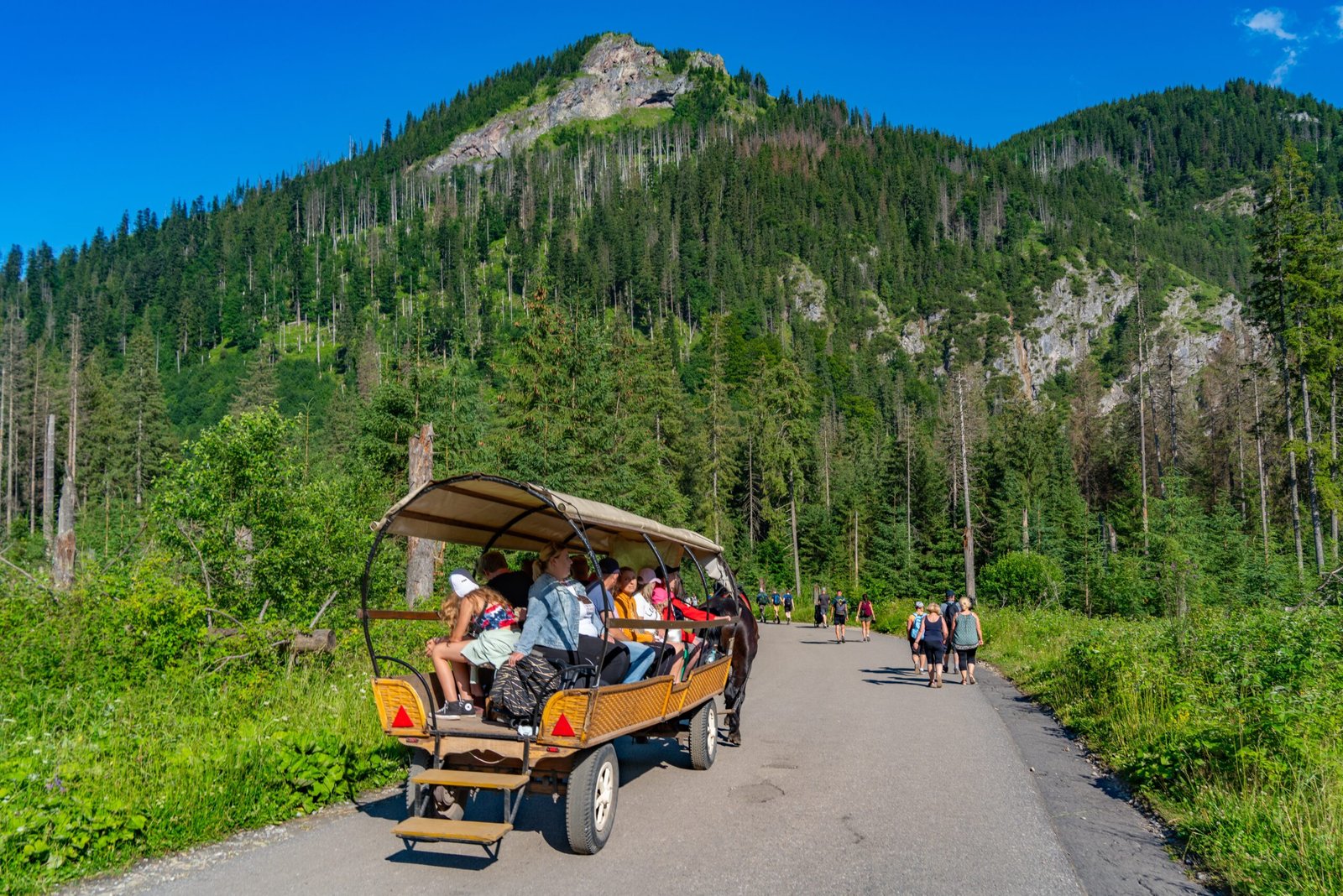
What sets these tour types apart from generic outdoor activities is their explicit commitment to minimizing environmental impact while promoting economic benefits for locals. This is why a certified nature tour operator looks completely different from a commercial tour company. When you’re considering options, look for operators demonstrating commitment to sustainable practices and conservation partnerships. The tour type matters less than whether the operator actively manages their impact through group size limits, seasonal closures, and reinvestment in habitat protection.
Here’s a comparison of major nature tour types in Europe and the unique values they offer:
| Tour Type | Main Activities | Educational Value | Typical Location |
|---|---|---|---|
| Hiking & Trekking | Mountain walking, multi-day | Learn about ecosystems | Alps, Carpathians, Pyrenees |
| Wildlife Observation | Animal tracking, reserve visits | Species conservation insight | Protected rural reserves |
| Bird Watching | Migration spotting, field trips | Species identification skills | Wetlands, forests |
| Forest Bathing | Sensory immersion, meditation | Mindfulness, forest ecology | Mixed woodlands |
| Nature Photography | Guided shoots, lessons | Ecological awareness | Scenic landscapes |
| Cultural Heritage | Visits to villages, traditions | Understanding local customs | Rural, historic regions |
| Eco-Cultural Trails | Farming demos, foraging | Traditional land use’s impact | Czech, Austrian countryside |
Pro tip: Match the tour type to your learning style: choose hiking for physical engagement, bird watching for focused observation, forest bathing for mindfulness, or eco-cultural trails if you want to understand how humans and nature coexist sustainably.
Key elements of immersive nature experiences
The difference between a forgettable nature outing and a transformative experience often comes down to specific design choices. Real immersive nature experiences share common elements that separate them from generic outdoor recreation. Immersive nature experiences are characterized by elements such as trail infrastructure designed to blend with natural settings, interpretative signage, guided tours emphasizing natural and cultural heritage, and opportunities for visitor participation in conservation activities. This isn’t accidental. Tour operators deliberately construct these experiences to deepen your connection with the environment while teaching you about the ecosystems and communities you’re visiting. When done right, you leave with more than photos—you leave with understanding.
Guided interpretation is foundational to meaningful engagement. Expert guides transform a walk through Austrian forests or Slovak national parks from passive sightseeing into active learning. A skilled guide doesn’t just point at trees; they explain ecological relationships, show you seasonal indicators, share local stories, and answer questions that spark genuine curiosity. Interpretive programs actively engage travelers with the environment by connecting personal observation to broader conservation principles. The sensory dimension matters equally. When you engage your senses—noticing the smell of pine resin, hearing bird calls, feeling temperature changes as you move through different habitats—you create emotional connections that facts alone cannot build. Local storytelling amplifies this effect. When guides share how their families have lived alongside these landscapes for generations, you understand not just the ecology but the human dimension of conservation.
Conservation participation transforms you from observer to participant. Real immersive experiences offer genuine opportunities to contribute, whether that’s removing invasive species, monitoring wildlife, or supporting habitat restoration. This active role deepens emotional investment and creates accountability. You’re no longer just consuming nature tourism; you’re contributing to its protection. The physical design of trails and facilities matters more than most travelers realize. Infrastructure that blends seamlessly into natural settings preserves the sense of authenticity and minimizes visual disruption. Interpretative signage placed thoughtfully along routes provides context without overwhelming you with information. The pacing of a well-designed tour allows for both exploration and reflection, avoiding the rushed feeling of checking off sights.
Cultural authenticity anchors the entire experience. Immersive nature tours that incorporate genuine local traditions, foods, and knowledge systems create depth that superficial cultural performances cannot match. When you eat locally sourced meals prepared by residents using traditional methods, or learn about plant uses from people whose families have passed down this knowledge, you’re accessing real cultural heritage, not commodified versions. This requires tour operators to invest in genuine partnerships with communities rather than extractive relationships. The most transformative nature experiences prioritize long-term ecological balance and maintain cultural integrity. They don’t sacrifice the environment or local autonomy for short-term profits or visitor convenience.
Pro tip: Before booking, ask tour operators whether guides are from local communities, whether conservation participation is genuine (not performative), and what percentage of tour fees stays with local residents and conservation efforts.
Legal rules and sustainability standards for nature travel
Nature travel across Europe operates within an intricate web of legal frameworks that most travelers never think about. But these rules exist for a reason: to protect the ecosystems and communities that make nature tourism possible. Understanding the legal landscape helps you make informed choices about tour operators and ensures your travel genuinely supports conservation rather than contributing to environmental damage. EU policies aim at strengthening biodiversity protections, promoting independent scientific evaluations for permits, and ensuring public access to justice in environmental matters. This means that any legitimate nature tour operator in Austria, Slovakia, the Czech Republic, or elsewhere across Europe must comply with environmental laws that go far beyond simple fee collection. These aren’t bureaucratic obstacles; they’re guardrails protecting irreplaceable landscapes.
Environmental law compliance forms the foundation of legitimate nature tourism. Operators need permits to conduct tours in protected areas, and these permits come with specific conditions about group sizes, seasonal restrictions, trail maintenance, and visitor behavior. Legal frameworks regulating nature travel include the concept of “Rights of Nature”689328_EN.pdf), which recognizes ecosystems as having intrinsic value deserving legal protection. This shifts tourism from an extractive model (take what you want, leave nothing behind) to a regenerative model (leave the place better than you found it). When tour operators work within these frameworks, they’re not just following rules; they’re acknowledging that nature has rights independent of human economic interests. The permit process itself filters out fly-by-night operations from serious conservation partners. Real operators invest time and money in environmental assessments, community consultations, and ongoing compliance monitoring.
Sustainability standards in nature tourism go beyond environmental protection to include economic and social dimensions. Sustainable forestry, agriculture, and fisheries are permitted under strict regulations aligned with EU nature restoration laws. This matters because many nature tours pass through working landscapes where people make their livelihoods. Legal standards ensure these economic activities happen in ways that support rather than undermine conservation. Community benefit requirements embedded in many European tour permits mandate that local residents receive genuine economic advantages, preventing the extraction of natural resources for distant corporate profits. Insurance requirements protect both operators and visitors while incentivizing safety practices. Conservation contribution mandates require tour operators to invest a percentage of revenues into habitat protection, restoration projects, or community education programs.
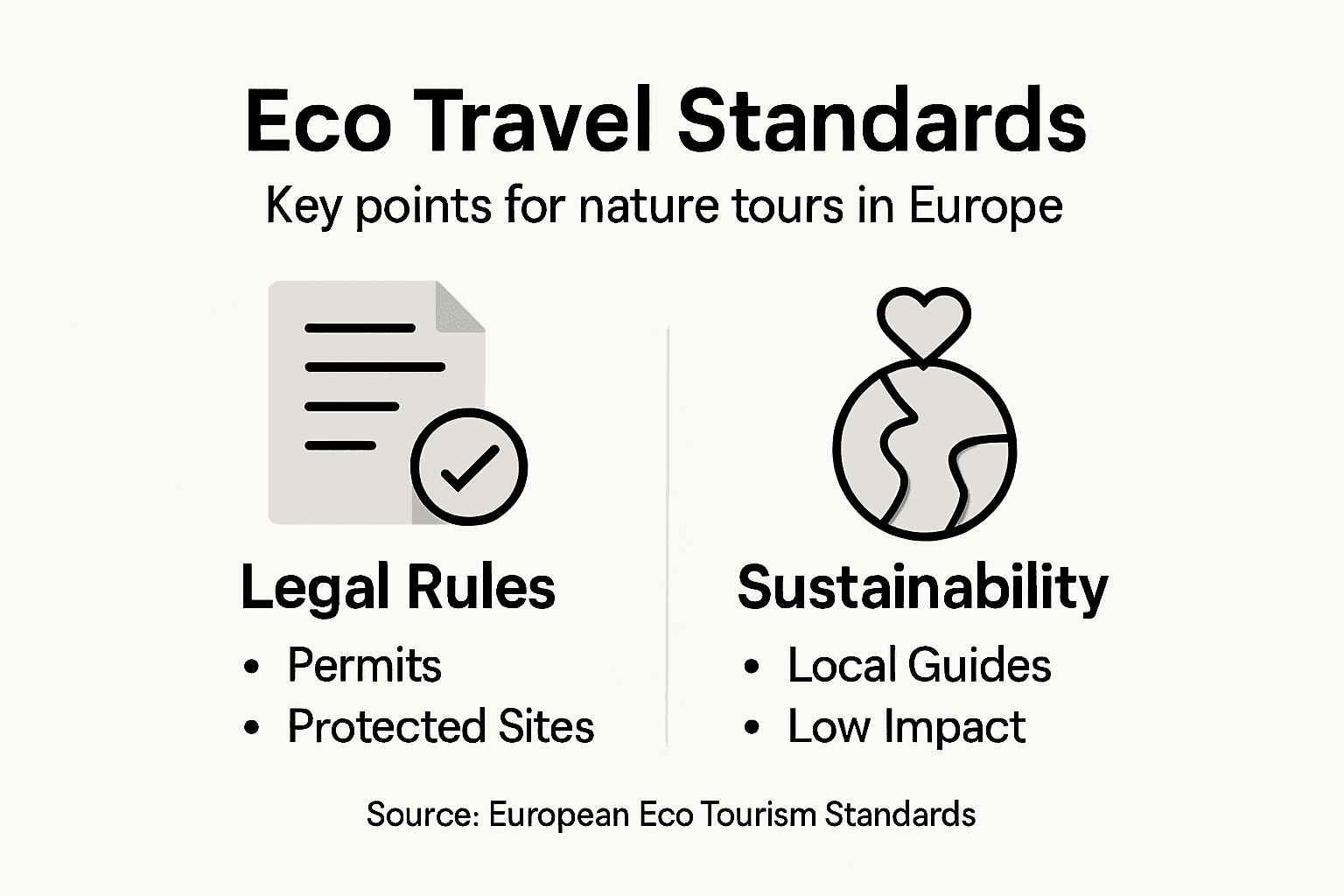
When you’re evaluating tour operators, these legal standards translate into practical checks. Ask whether the operator holds current permits from relevant authorities. Request documentation of insurance coverage and liability protection. Inquire about their conservation contributions and how they’re allocated. Legitimate operators welcome these questions because they demonstrate transparency and accountability. Operators who get vague or defensive about legal compliance are raising red flags. The legal framework protecting European nature areas is one of your strongest tools as a traveler for identifying operations genuinely committed to sustainability versus those simply using “eco” as marketing language.
To help you assess a nature tour operator’s credibility, compare these important criteria:
| Evaluation Factor | What to Look For | Why It Matters |
|---|---|---|
| Conservation Partnerships | Works with local conservation groups | Ensures real ecosystem protection |
| Group Size Management | Limits participants per tour | Reduces environmental impact |
| Seasonal Closures | Operates only during allowed periods | Protects vulnerable wildlife and habitats |
| Community Investment | Profits reinvested locally | Supports local economies |
| Guide Qualifications | Employs trained local guides | Enhances education and authenticity |
Pro tip: Request to see tour operator permits and their environmental impact assessments before booking, and ask specifically what percentage of your tour fee goes directly to local conservation efforts and community benefit.
Risks, costs, and responsibilities for travelers
Nature travel isn’t risk-free, and pretending otherwise does travelers and ecosystems a disservice. When you step off marked trails in the Carpathians or hike through Slovak forests, you’re entering environments where weather changes rapidly, terrain becomes unpredictable, and professional medical help isn’t minutes away. Nature travel carries specific risks including environmental degradation, safety challenges in wilderness areas, and social impacts on local communities. Your physical safety matters, but so does your environmental footprint and cultural sensitivity. Responsible travelers acknowledge these risks upfront and plan accordingly rather than discovering them mid-tour. Understanding what can go wrong is the first step toward preventing it.
Physical safety risks in nature environments are often underestimated by urban travelers unfamiliar with wilderness conditions. Altitude sickness, hypothermia, dehydration, and injuries from falls remain real dangers even on well-maintained trails. Equipment failure, unexpected weather, and wildlife encounters require preparation that goes beyond booking a tour. Beyond personal safety, overtourism and ecosystem stress represent significant threats to nature areas. When too many visitors concentrate in fragile ecosystems without proper management, soil compaction accelerates, vegetation dies, water sources become contaminated, and wildlife abandons critical habitats. This isn’t abstract harm; it’s the direct degradation of the landscapes you traveled to experience. Financial costs extend beyond your tour fee to include infrastructure demands and environmental management needs. Protected areas require rangers, trail maintenance, visitor facilities, and conservation programs. When you book cheap tours that undercut sustainable operators, you’re shifting these costs onto ecosystems and host communities that bear the burden.
Your responsibilities begin before arrival and extend long after you leave. Adhering to local regulations isn’t optional; it’s essential. This means staying on marked trails, respecting seasonal closures, following wildlife observation distances, and properly disposing of waste. Many protected areas across Europe have explicit rules about where you can walk, when you can visit, and what activities are permitted. These restrictions exist because science shows they work. Travelers who ignore them aren’t just breaking rules; they’re actively harming the conservation outcomes that make future visits possible. Beyond rule-following, you’re responsible for your environmental footprint. Choose tour operators who genuinely invest in conservation rather than those simply using “eco” as marketing. Support local economies by purchasing from community businesses rather than international chains. Respect cultural practices and boundaries; you’re a guest in someone else’s homeland, not a consumer in a theme park.
Costs include financial expenses and environmental impacts. Budget tours might save money upfront but often compromise on sustainable practices like small group sizes and conservation investments. Mid-range tours typically balance affordability with genuine sustainability. Premium tours often deliver the most comprehensive immersive experiences with highest conservation contributions. Ask operators to itemize where tour fees go: guide wages, conservation funding, community benefits, infrastructure maintenance, and profit margins. Responsibilities are shared among tourists, governments, and businesses, but as the visitor, you control your individual choices. You decide which operators to support, which tour types match your values, and how seriously you’ll follow guidelines.
Pro tip: Purchase travel insurance covering wilderness medical evacuation, choose operators contributing visible percentages to local conservation, and commit to following all trail regulations and wildlife protocols regardless of whether guides are watching.
Discover Authentic Nature Tours That Respect Europe’s Ecosystems
The challenge of finding truly sustainable and immersive nature experiences in Europe can feel overwhelming. With common misconceptions about eco travel and the risk of greenwashing, it is vital to choose tours that prioritize minimal environmental impact, local community benefits, and educational value. At Next View Tours, we understand your goal to connect deeply with nature while supporting conservation efforts. Our Wildlife Tours – Next View Tours embody these principles by offering expertly guided journeys that respect seasonal closures, limit group sizes, and reinvest in habitat protection.
Take the next step toward an enriching and responsible travel experience by exploring our carefully curated nature tours. Whether you seek immersive wildlife observation or cultural heritage hiking, you will find options tailored to your values. Book now at Next View Tours and experience sustainable eco travel across Europe for yourself. Learn why choosing the right operator matters to the future of these precious natural places.
Frequently Asked Questions
What are nature tours?
Nature tours are travel experiences primarily focused on observing and appreciating nature and traditional cultures, often with an educational component.
How do sustainable practices impact nature tourism?
Sustainable practices are crucial for preserving ecosystems while ensuring that tourism benefits local communities. Proper management helps prevent environmental degradation.
What should I look for in a responsible nature tour operator?
A responsible nature tour operator should partner with local conservation organizations, limit group sizes, follow seasonal closures, and reinvest profits into habitat protection.
What are some types of nature tours available in Europe?
Types of nature tours include hiking and trekking, wildlife observation, bird watching, forest bathing, nature photography, cultural heritage visits, and eco-cultural trails.


Comments are closed