
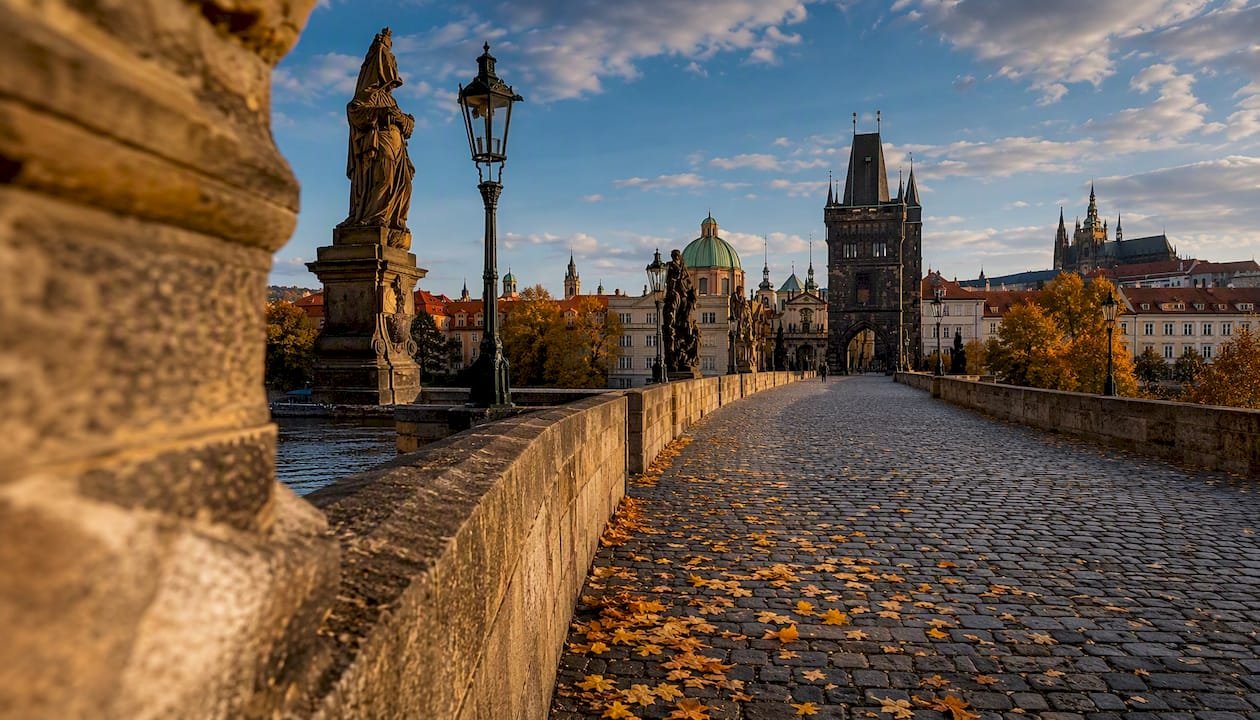
 City Tour
For most travelers, the most efficient Prague, Vienna, and Budapest itinerary runs as a point-to-point route: Prague → Vienna → Budapest (or its reverse), covering three of Central Europe’s most storied capitals without doubling back. A 9–10 day trip gives the best balance of pace, day-trip options, and genuine time to absorb each city.
- Fastest option (5–7 days): Fly into Prague, take the train to Vienna (roughly 4 hours via ÖBB or RegioJet), then the railjet to Budapest (about 2.5 hours from Vienna). Hit the highlights and fly home from Budapest.
- Most relaxed option (12–14 days): Same route with an extra night in each city, one or two day trips (Český Krumlov, Bratislava, Salzburg), and a slower pace through neighborhoods most visitors miss.
- Train-first, Vienna-centered option (10 days): Start in Vienna, day-trip to Bratislava or Salzburg, then hop east to Budapest and finish in Prague. Nextviewtours offers guided multi-day packages and private transfers that cover this entire route, ideal if you want logistics handled from the start.
Key Takeaways
A 9–10 day point-to-point route (Prague → Vienna → Budapest or its reverse) gives the best balance of pace, day-trip options, and genuine time in each city for first-time visitors.
| Point | Details |
|---|---|
| Choose order by flights | Pick your start city based on the cheapest open-jaw fare into PRG, VIE, or BUD to avoid backtracking. |
| Book trains early | ÖBB Railjet and RegioJet advance fares are significantly cheaper than walk-up prices; book as soon as dates are fixed. |
| Allow 9–10 days minimum | Fewer than 9 days leaves cities feeling rushed; 9–10 days is the practical sweet spot for first-timers. |
| Limit day trips to one or two | One or two day trips (Český Krumlov, Bratislava) add contrast without turning travel days into the main event. |
| Nextviewtours for guided options | Nextviewtours offers customized private and group multi-day tours covering this route, with transfers and local guides included. |
Table of Contents
- What does a Prague, Vienna, Budapest itinerary look like day by day?
- How do you decide the best city order and start point?
- How do you travel between Prague, Vienna, and Budapest?
- Which day trips are worth adding to your route?
- What should you see in Prague, Vienna, and Budapest?
- How much does a Prague, Vienna, Budapest trip cost?
- When is the best time to visit Prague, Vienna, and Budapest?
- Practical tips for U.S. travelers: money, plugs, SIMs, and visas
- When does a guided package make more sense than going solo?
- A note on pacing: what actually works
- Plan your Central Europe trip with Nextviewtours
- Sources
What does a Prague, Vienna, Budapest itinerary look like day by day?
The three sample itineraries below cover the most common trip lengths. Each is designed as a point-to-point route to avoid backtracking. Pick the one that matches your time, then adapt it.
Fast 5–7 day highlights loop
This pacing works best if you are short on vacation days and willing to move quickly. You will see the essential landmarks without lingering.
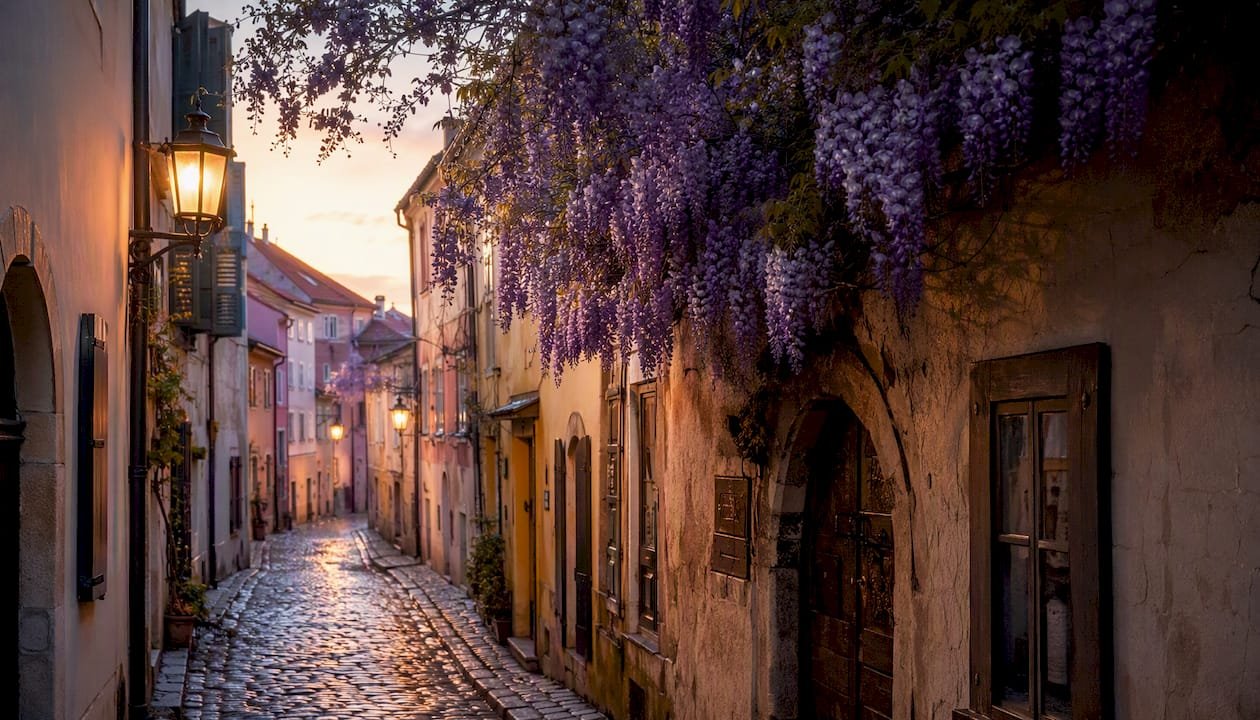
| Day | City | Focus |
|---|---|---|
| 1 | Prague | Arrive, Old Town Square, Charles Bridge at dusk |
| 2 | Prague | Prague Castle, Malá Strana, evening in Vinohrady |
| 3 | Travel + Vienna | Morning train to Vienna (ÖBB/RegioJet, ~4 hrs), Ringstrasse walk, Naschmarkt |
| 4 | Vienna | Schönbrunn Palace, Belvedere, Prater |
| 5 | Travel + Budapest | Morning railjet to Budapest (~2.5 hrs), Fisherman’s Bastion, ruin bar evening |
| 6 | Budapest | Parliament, thermal baths (Széchenyi), Great Market Hall |
| 7 | Depart | Morning departure from Budapest Keleti |
History-focused swap: Replace the Prater on Day 4 with the Kunsthistorisches Museum and the Vienna State Opera area. Family-friendly swap: Add the Budapest Zoo and City Park on Day 6 instead of the ruin bars.
Accommodation tip: In Prague, stay in Vinohrady or Žižkov for a quieter base with easy metro access. In Vienna, the 7th or 8th district puts you close to the Ringstrasse without the tourist premium. In Budapest, Pest’s 5th or 7th district keeps you central.
Popular 9–10 day balanced trip
This is the sweet spot. As Earth Trekkers notes, 9–10 days prevents the cities from blurring together and leaves room for at least one day trip. The sequence below follows the Vienna-centered approach recommended by Tales of the Map: Vienna (4 days) → Budapest (3 days) → Prague (3 days).
Food-focused swap: On Day 9, swap the Jewish Quarter for a Prague food tour through Žižkov’s local restaurants. Culinary add-on in Budapest: Replace the Etyek day trip with a Hungarian cooking class in the 7th district.
Accommodation tip: For this pace, a central Vienna hotel near the Naschmarkt or Mariahilfer Strasse works well. In Budapest, the 5th district (Belváros) or the 7th (Jewish Quarter) keeps you walking distance from most sights. In Prague, Malá Strana is atmospheric but pricier; Vinohrady offers better value.
Relaxed extended trip with extra day trips
With two full weeks, you can breathe. Add Salzburg from Vienna, Český Krumlov from Prague, and a second full day in Budapest for neighborhoods like Óbuda or the thermal bath circuit.
| Day | City | Focus |
|---|---|---|
| 1–2 | Prague | Arrive, Old Town, Charles Bridge, Josefov |
| 3 | Day trip | Český Krumlov (3 hrs by bus, full day) |
| 4 | Prague | Prague Castle, Malá Strana, Vinohrady evening |
| 5 | Travel + Vienna | Morning train, afternoon arrival, Naschmarkt |
| 6 | Vienna | Schönbrunn, Belvedere, evening at Prater |
| 7 | Day trip | Salzburg (2.5 hrs by ÖBB, full day) |
| 8 | Vienna | Kunsthistorisches Museum, Ringstrasse, opera |
| 9 | Day trip | Bratislava (1.5 hrs, half-day possible) |
| 10 | Travel + Budapest | Morning railjet, Buda Castle afternoon |
| — | Budapest | Parliament, thermal baths, Great Market Hall |
| 12 | Budapest | Szentendre day trip |
| — | Budapest | Óbuda, Margaret Island, ruin bar evening |
| 14 | Depart | Budapest Keleti or fly home |
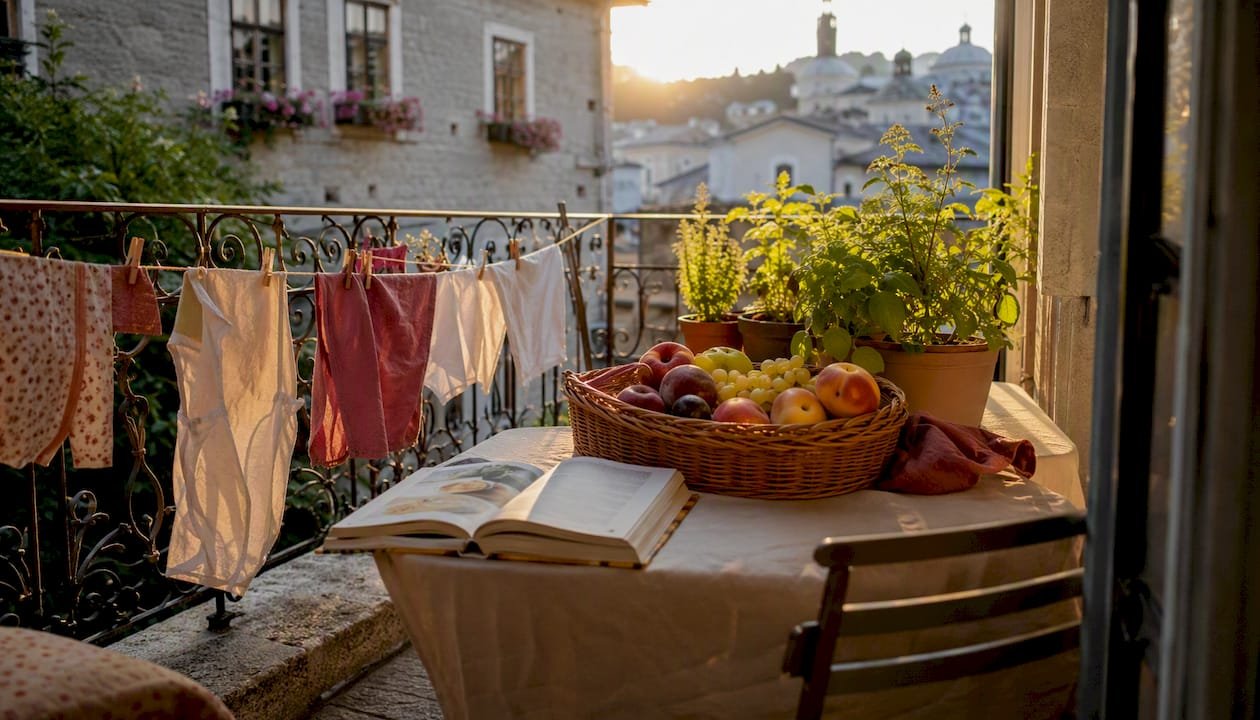
Accommodation tip: At this pace, consider an apartment rental in each city for the extra kitchen and laundry access. Airbnb and Booking.com both have strong inventory in all three capitals.
How do you decide the best city order and start point?
The Rick Steves community consensus is clear: there is no single best order. Choose your sequence based on the cheapest or most convenient international arrival and departure airports, and aim for a point-to-point route that avoids looping back to your start city.
Decision framework:
- Start in Prague if transatlantic flights into Prague Airport (PRG) are cheapest or most direct from your U.S. gateway. Prague → Vienna → Budapest ends in a city with strong international connections (Budapest Ferenc Liszt Airport, BUD).
- Start in Vienna if you want Salzburg and Bratislava as day trips early in the trip, or if Vienna International Airport (VIE) has the best fare from your home city. Vienna → Budapest → Prague works well, ending at Prague Airport for the flight home.
- Start in Budapest if BUD has the best price or if you are arriving from a long-haul connection. Budapest → Vienna → Prague is a clean westward route.
Open-jaw tickets (fly into one city, out of another) are often the most cost-effective choice for this route and eliminate any need to backtrack. Check fares on Google Flights for PRG/VIE/BUD as separate origin/destination pairs before committing to a round-trip.
For station selection, Seat61’s rail guide makes a practical point: arrive at Vienna Hauptbahnhof (Hbf) rather than peripheral stations, since it connects directly to the U-Bahn. Praha hlavní nádraží is a ten-minute walk from Old Town. Budapest Keleti serves most international trains; Kelenföld handles some westbound services, so confirm your ticket endpoint before booking.
Pro Tip: Book an open-jaw flight (fly into Prague, out of Budapest, or vice versa) and you will never pay for a return train leg. The savings often cover two nights of accommodation.
How do you travel between Prague, Vienna, and Budapest?
Trains are the default for this route. They connect city centers directly, skip airport security queues, and on the Vienna–Budapest leg, they can be faster door-to-door than flying. The Budapest–Prague leg is long but scenic, and worth doing at least once.
Travel times and operators at a glance
| Route | Typical Duration | Best Operator(s) | Notes |
|---|---|---|---|
| Vienna → Budapest | ~2.5 hours | ÖBB Railjet | Fast, frequent, city-center to city-center |
| Budapest → Vienna | ~2.5 hours | ÖBB Railjet | Same service, reverse direction |
| Vienna → Prague | ~4 hours | ÖBB/Railjet, RegioJet | RegioJet offers competitive fares; book early |
| Prague → Vienna | ~4 hours | ÖBB/Railjet, RegioJet | Step-by-step booking guide available |
| Budapest → Prague | longer | RegioJet | Scenic route; advance fares can be very low |
| Prague → Budapest | longer | RegioJet | Book early; this leg fills up in peak season |
| Vienna → Bratislava | ~1 hour | ÖBB or Twin City Liner | Twin City Liner is a high-speed river ferry, a scenic alternative |
Booking tips:
- Buy directly on ÖBB.at for Austrian legs and access “Sparschiene” advance fares, which can be significantly cheaper than walk-up prices. Tales of the Map recommends booking as soon as your dates are fixed.
- RegioJet (regiojet.com) covers Prague–Vienna and Prague–Budapest with comfortable coaches and trains; their early-bird fares on the Budapest–Prague leg have historically been among the lowest available, sometimes under €20 when booked well in advance.
- FlixBus is the budget fallback. Slower than trains and less comfortable for long legs, but useful if you are traveling on a tight budget and the schedule works.
- Seat reservations are optional on most legs but worth adding in July and August, when trains fill quickly.
- Flights between these cities rarely save time once you factor in airport transfers. The exception: if you find a very cheap fare and are comfortable with the added transit time, a flight can work for the Budapest–Prague leg specifically, since the train is the longest of the three connections.
Pro Tip: The Vienna to Prague guide on Nextviewtours walks through the exact booking steps, station details, and timing for that leg.
Which day trips are worth adding to your route?
One or two well-chosen day trips sharpen the whole itinerary. As Adventurous Kate notes, places like Český Krumlov offer a slower, picturesque counterpoint to capital-city sightseeing that most travelers find genuinely refreshing. The key is choosing trips that fit your base city and do not eat a full travel day.
From Prague
- Český Krumlov: 3 hours by bus (FlixBus or RegioJet), full day needed. A UNESCO-listed medieval town with a castle above a river bend. One of the most visually striking day trips in Central Europe.
- Kutná Hora: 1 hour by train, half-day is enough. Famous for the Sedlec Ossuary (the “bone church”) and a beautifully preserved Gothic cathedral. Easy to combine with a late Prague afternoon.
From Vienna
- Bratislava: 1–1.5 hours by train or the Twin City Liner high-speed ferry. Half-day is workable; a full day lets you explore the Old Town and castle at a relaxed pace.
- Salzburg: 2.5 hours by ÖBB. Full day recommended. Mozart’s birthplace, the Hohensalzburg Fortress, and the Mirabell Gardens make this one of Austria’s most rewarding excursions.
- Wachau Valley: 1–1.5 hours by train to Krems, then a boat or bike along the Danube. Best in spring (apricot blossoms) or autumn (harvest season). Half-day possible, full day ideal.
From Budapest
- Szentendre: 40 minutes by HÉV suburban rail. A charming Serbian-influenced town with art galleries, ceramic shops, and riverside cafes. Half-day is plenty.
- Etyek wine region: About 45 minutes by car or organized tour. Hungary’s closest wine country to Budapest, known for its Chardonnay and Pinot Gris. Best visited on a guided excursion.
Day trip vs. overnight: For Český Krumlov and Salzburg, a day trip is sufficient for most travelers. If you have 12–14 days, adding a night in Salzburg or Český Krumlov gives you the town after the day-trippers leave, which is a genuinely different experience.
Nextviewtours offers guided day trips from Vienna, Prague, and Budapest that include transfers, so you are not managing train schedules with luggage on a tight turnaround.
What should you see in Prague, Vienna, and Budapest?
Prague: 2–3 days recommended
- Prague Castle complex (half-day): St. Vitus Cathedral, the Old Royal Palace, and Golden Lane. Book timed entry in advance for summer visits.
- Charles Bridge (1 hour): Best at dawn before the crowds arrive. The 30 Baroque statues lining the bridge are worth a slow walk.
- Old Town Square (1–2 hours): The Astronomical Clock strikes on the hour; the surrounding Gothic and Baroque architecture rewards unhurried looking.
- Josefov (Jewish Quarter) (2–3 hours): Six synagogues and the Old Jewish Cemetery, one of the most moving historic sites in Europe.
- Malá Strana (half-day): Cobblestone lanes, hidden gardens, and the Wallenstein Garden, which is free and often uncrowded.
- Vinohrady (evening): Art Nouveau apartment buildings, excellent restaurants, and local wine bars that feel nothing like the tourist center.
Fast win (one morning only): Charles Bridge at 7 AM, Old Town Square by 9 AM, and a coffee in Malá Strana by 10 AM covers the essential visual experience in three hours.
Public transport: Prague’s metro (lines A, B, C) and trams are clean, frequent, and cheap. A 24-hour pass covers unlimited rides. Tram 22 connects Malá Strana, the castle district, and Vinohrady in one line.
Pro Tip: Book Prague Castle timed-entry tickets online at least a week ahead in summer. Walk-up queues can run 45 minutes or longer, and the castle complex deserves at least three hours inside.
Vienna: 3–4 days recommended
- Schönbrunn Palace (half-day): The Habsburg summer residence. The Grand Tour (40 rooms) takes about an hour; the palace gardens are free and worth an extra hour.
- Belvedere (2–3 hours): Upper Belvedere holds Klimt’s The Kiss and a strong collection of Austrian Symbolism and Art Nouveau work. Lower Belvedere is less crowded and equally beautiful.
- Kunsthistorisches Museum (half-day): One of the great art museums of Europe, with Bruegel, Vermeer, Raphael, and a remarkable Egyptian collection.
- Ringstrasse (1–2 hours walking): The grand boulevard built under Emperor Franz Joseph I, lined with the Opera House, Parliament, and the Rathaus.
- Naschmarkt (1–2 hours): Vienna’s main open-air market, best on Saturday mornings. Cheeses, spices, Viennese sausages, and strong coffee.
- Prater and Riesenrad (2 hours): The 1897 giant Ferris wheel offers a classic Vienna panorama; the surrounding park is a good afternoon reset.
Fast win (one morning only): Walk the Ringstrasse from the Opera House to the Kunsthistorisches Museum, then cross to the Naschmarkt for lunch.
Public transport: The Vienna U-Bahn (subway) and tram network cover the city well. The Vienna PASS includes unlimited public transit and skip-the-line entry to major attractions. It pays off on days when you plan to visit three or more paid sites.
Budapest: 2–3 days recommended
- Buda Castle and Castle Hill (half-day): The Royal Palace, Matthias Church, and Fisherman’s Bastion. The panoramic view over the Danube and Pest is the city’s defining image.
- Hungarian Parliament (1.5–2 hours): One of the largest parliament buildings in the world. Guided tours run in English; book in advance.
- Széchenyi Thermal Baths (2–3 hours): The most famous of Budapest’s thermal bath complexes, housed in a Neo-Baroque building in City Park. The Budapest Card includes entry.
- Great Market Hall (1 hour): Three floors of Hungarian paprika, salami, embroidery, and street food. Ground floor is for shopping; upper floor has a food court with lángos.
- Ruin bars (Romkocsmák) (evening): The 7th district’s repurposed courtyards and abandoned buildings turned into bars. Szimpla Kert is the original and still the most atmospheric.
- Chain Bridge and Danube promenade (1 hour): The walk between the Chain Bridge and Elizabeth Bridge along the Pest embankment is one of the finest urban strolls in Europe.
Fast win (one morning only): Fisherman’s Bastion at 8 AM (free before 9 AM in shoulder season), Matthias Church, then the Chain Bridge walk.
Public transport: Budapest’s metro (lines M1, M2, M3, M4), trams, and buses are well integrated. The Budapest Card covers unlimited transit and free or discounted entry to major attractions, making it worthwhile for stays of two or more full days.
How much does a Prague, Vienna, Budapest trip cost?
Daily budgets vary considerably by travel style. These are approximate figures to help you plan; actual costs depend on booking timing and season.
Daily budget per person (excluding intercity transport):
- Budget traveler (~$80–$100/day): Hostel or budget hotel, self-catering breakfast, one sit-down meal, public transit, free or low-cost attractions (parks, walking tours).
- Mid-range traveler (~$150–$200/day): Three-star hotel, two restaurant meals, public transit, two to three paid attractions per day.
- Splurge traveler (~$300+/day): Four- or five-star hotel, fine dining, private tours, taxis, premium museum access.
Passes worth considering:
- Vienna PASS: Covers entry to over 90 attractions including Schönbrunn, the Belvedere, and the Kunsthistorisches Museum, plus unlimited public transit. It pays off on days when you plan three or more major paid sites. Check the current price on the official Vienna PASS website before buying.
- Budapest Card: Covers unlimited public transit and free or discounted entry to thermal baths, the Parliament tour, and major museums. A 72-hour card is the most popular option for a 3-day stay.
Intercity transport costs: Advance-booked ÖBB Railjet fares on the Vienna–Budapest leg can be very affordable; walk-up prices are considerably higher. On the Budapest–Prague leg via RegioJet, early-bird fares have historically been under €20 per person. Last-minute bookings on any operator can cost three to four times more.
Museum pass tradeoff: Both the Vienna PASS and Budapest Card include skip-the-line access at select venues, which has real value in July and August. If your trip falls in shoulder season, calculate whether the pass price beats buying individual tickets, since some attractions are free on certain days.
When is the best time to visit Prague, Vienna, and Budapest?
Late spring and early autumn are the best months for this route. May and September offer mild temperatures, manageable crowds, and long daylight hours. October adds autumn color and harvest festivals, particularly in the Wachau Valley and the Hungarian wine regions. Timing your trip well also affects how much you pay for flights and accommodation, since peak-season prices in all three cities can be substantially higher.
Seasonal breakdown:
- May: Warm, sunny, and blooming. Crowds are building but not yet at summer peak. Hotel prices are rising; book two to three months ahead.
- June–August: Peak season. All three cities are busy, prices are highest, and popular attractions (Prague Castle, Schönbrunn) have long queues. Book trains and hotels three to four months ahead.
- September–October: Arguably the best window. Crowds thin after mid-September, temperatures are comfortable, and the Wachau harvest and Budapest wine festivals add a seasonal dimension.
- November: Quieter and cheaper. Some outdoor attractions have reduced hours. Good for museum-heavy itineraries.
- December: A special-case pick. Vienna’s Christmas markets (Christkindlmarkt on Rathausplatz) and Budapest’s Vörösmarty Square market are among the finest in Europe. Prague’s Old Town Square market is atmospheric but very crowded. Book accommodation two to three months ahead for December.
- January–February: Cheapest and quietest. Cold, with short days. Works well for travelers who prioritize museums, opera, and thermal baths over outdoor sightseeing.
Practical tips for U.S. travelers: money, plugs, SIMs, and visas
Pack layers and comfortable, broken-in shoes. Cobblestones in Prague’s Old Town and Budapest’s Castle Hill are beautiful and unforgiving on new footwear. A compact umbrella and a small daypack for day trips round out the essentials.
Currency:
- Austria: Euro (€). Card acceptance is wide, but carry some cash for markets, small cafes, and tips.
- Czech Republic: Czech koruna (CZK). Most Prague restaurants and hotels accept cards, but markets and smaller vendors are cash-only. ATMs are widely available; use bank ATMs and decline dynamic currency conversion.
- Hungary: Hungarian forint (HUF). Similar to Czechia: cards work in most restaurants and hotels, but cash is useful for the Great Market Hall, thermal bath lockers, and smaller vendors.
Plugs and voltage: All three countries use Type C/E/F plugs at 230V/50Hz. U.S. travelers need a plug adapter (not a voltage converter, since most modern electronics handle dual voltage). A universal travel adapter covers all three countries.
SIM and roaming: A local eSIM from providers like Airalo or Holafly covers all three countries under a single EU data plan and activates before you leave home. Alternatively, buy a local SIM at Prague Airport or Vienna Airport on arrival. EU roaming rules mean a SIM bought in one EU country (Austria or Czechia) typically works in the others at no extra charge; Hungary is also an EU member, so the same rules apply.
Visa reminder: U.S. passport holders do not need a visa for Austria, the Czech Republic, or Hungary for stays up to 90 days within any 180-day period under Schengen rules. The EU’s ETIAS authorization system is expected to apply to U.S. travelers in the future; check the official ETIAS website for current status before your trip.
Packing checklist:
- Comfortable walking shoes (broken in before departure)
- Layers: a light jacket for evenings, a warmer layer for spring/autumn
- Compact umbrella
- Universal Type C/E/F plug adapter
- Small daypack for day trips
- Money belt or zip-pocket bag for crowded areas
- Printed or downloaded train tickets (some conductors prefer paper)
Pro Tip: Download the ÖBB and RegioJet apps before you leave home. Both let you store tickets offline, which matters in train tunnels where connectivity drops.
When does a guided package make more sense than going solo?
DIY travel on this route is entirely manageable. But there are specific situations where a guided or private package saves more than it costs.
Guided options make the most sense when:
- You have 7 days or fewer and cannot afford a wasted half-day on a missed train connection or a wrong station.
- You want local historical and cultural context that a self-guided walk cannot replicate, particularly for Prague Castle, the Vienna Ringstrasse, or Budapest’s Parliament.
- You are traveling with family members who find public transit in an unfamiliar language stressful.
- You want to add a day trip (Český Krumlov, Salzburg, Bratislava) without managing a separate booking, transfer, and return schedule.
What a guided package typically covers: private or shared transport between cities, a local guide for city highlights, selected attraction entries, and hotel pickup. Common add-ons include thermal bath access in Budapest, a Wachau Valley boat ride, and a Prague food tour.
DIY vs. guided tradeoffs:
- DIY: Lower cost, maximum flexibility, requires more planning time and comfort with European rail booking.
- Guided: Higher cost, less flexibility on timing, but significantly less logistical friction and often better access to local knowledge and skip-the-line entry.
Nextviewtours offers private and customized multi-day tours covering this exact route, with options for group departures and fully private itineraries. Their day-trip from Vienna to Prague and Brno is a practical example of how a single guided transfer can replace a half-day of train research and ticket management.
A note on pacing: what actually works
Nine to ten days is the right length for this route. Seven days is doable but leaves you feeling like you skimmed the surface; fourteen days gives you the luxury of slowing down, but most travelers find the energy for two full weeks of sightseeing harder to sustain than they expect.
The most common mistake is over-scheduling day trips. One or two well-chosen excursions add real texture. Three or more, and you spend more time on trains than in the places you came to see. Český Krumlov from Prague and Bratislava from Vienna are the two that consistently deliver the most contrast for the least logistical effort.
On station selection: always confirm your ticket endpoint before booking. Seat61’s Prague-to-Vienna guide is the most reliable free resource for understanding which platform you will arrive at and how far it is from your hotel. Vienna Hbf, Praha hlavní nádraží, and Budapest Keleti are the three stations to anchor your planning around.
Plan your Central Europe trip with Nextviewtours
Sorting out three countries, six train legs, and a handful of day trips takes real planning time. Nextviewtours makes that easier with customized private and group multi-day tours that cover the full Prague, Vienna, and Budapest route, including transfers, local guides, and selected entries, so you arrive at each city ready to experience it rather than navigate it.

Whether you want a fully private itinerary for two or a small-group departure with like-minded travelers, Nextviewtours builds the logistics around your dates and interests. Browse multi-day trip options to see sample packages, or contact the team directly to customize your route, add day trips, and confirm availability. The booking process starts with a simple inquiry: pick your dates, share your interests, and let the team handle the rest.
Sources
Use these links to check schedules, confirm station names, and reserve seats before your trip.
- Vienna, Budapest & Prague: 10-Day Trip Planner (2026)
- 10 Day Prague, Vienna & Budapest Itinerary: Central Europe Self-Guided
- 10 Day Central Europe Itinerary: Budapest, Vienna, & Prague
- Seat61 — Prague to Vienna by train
- Rick Steves Community forum: Vienna, Prague and Budapest


Comments are closed