
 Uncategorized
Yes, the Grossglockner High Alpine Road earns a full day of your Austria itinerary if you can commit six to eight hours to it. The road runs seasonally from May through October, charges a per-day toll of €38 per car, and packs Edelweissspitze’s panorama and the Kaiser-Franz-Josefs-Höhe glacier view into one continuous route. Check current season dates before departure, and if you don’t have a rental car, book a guided day tour instead.
TL;DR:
- The Grossglockner High Alpine Road charges a 38 € toll per day, which includes access to exhibitions and themed paths along the route.
- The drive covers 48 kilometers with 36 switchbacks, reaching a high point at Edelweissspitze, accessible by car at 2,571 meters elevation.
- Peak visitation occurs in July and August, when arriving before 9:00 AM helps avoid crowds and secure parking spots at popular stops.
- Guided tours provide convenience, handling logistics and expert commentary, making them ideal for travelers uncomfortable with mountain driving or without a rental car.
Table of Contents
- What Is the Grossglockner High Alpine Road Tour, and What Does It Cost?
- How Do You Plan a Full-Day Itinerary Along the Route?
- What Are the Timing, Toll, and Safety Logistics You Need to Know?
- Which Hikes and Viewpoints Are Worth Building Into Your Day?
- Should You Self-Drive or Book a Guided Tour?
- When Should You Go, and What Should You Pack?
- What Should You Know About Parking Along the Route?
- Can Visitors With Limited Mobility Enjoy This Route?
- Where Should You Stay if You’re Making This an Overnight Trip?
- What Safety and Emergency Resources Should You Know Before Driving?
- Why We Guide This Route the Way We Do
- Book a Guided Grossglockner Day Tour With Next View Tours
- Sources
What Is the Grossglockner High Alpine Road Tour, and What Does It Cost?
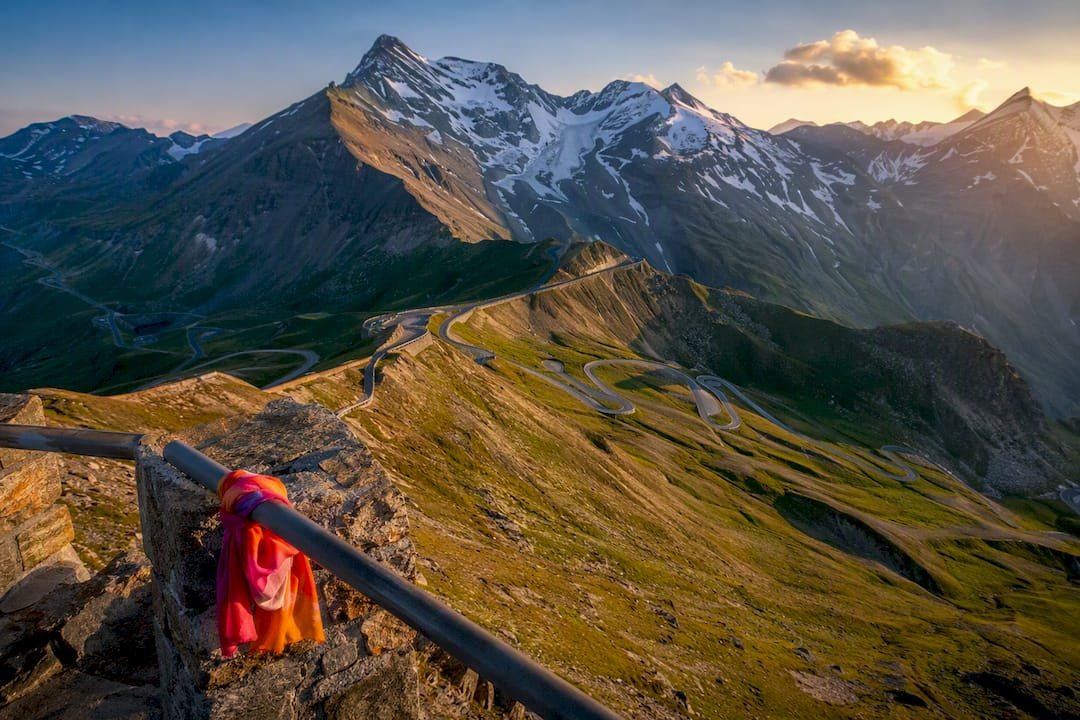
The Grossglockner High Alpine Road is Austria’s most celebrated mountain drive, connecting the Salzburg region to the East Tyrol valley through a series of switchbacks carved into the Hohe Tauern range. Before you plan around it, you need five numbers: when it’s open, what it costs, how long it is, where it starts and ends, and how long the drive itself takes without stopping.
The road typically operates from early to mid May through late October, though exact dates shift year to year based on snow removal at higher elevations. It closes completely in winter. There’s no way around this seasonality: this is a high alpine pass, not a lowland highway, and Austria doesn’t keep it plowed for winter traffic.
The standard toll for a private car runs 38 € for a single calendar day, which converts to roughly $41 at typical exchange rates. That fee isn’t just a road toll. It also covers admission to the visitor exhibitions and themed hiking paths scattered along the route, so you’re paying for a day of activity, not just pavement access.
Here’s what else you need before you leave the hotel:
- Length: About 48 kilometers (30 miles) from end to end
- Hairpin turns: 36 numbered switchbacks, several signed with elevation and historical markers
- Highest point: Edelweissspitze at 2,571 meters (8,432 feet), the highest section reachable by car
- Endpoints: Bruck an der Grossglocknerstrasse (near Fusch) on the north side, Heiligenblut am Grossglockner on the south side
- Drive time without stops: Roughly 90 minutes to two hours, depending on traffic and weather
That last figure surprises a lot of first-time visitors. Ninety minutes sounds quick, and it is, if all you want is to drive through. But nobody drives the Glockner pass just to get somewhere. The entire point is the stops, and that’s where your real time budget comes from.
Quick fact check: A round trip toll (Bruck to Heiligenblut and back) still only costs one day’s fee, since the ticket is valid for the calendar day, not a single direction. Plan your route as an out-and-back or a one-way traverse using two vehicles or a guided shuttle, and either way, you pay once.
How Do You Plan a Full-Day Itinerary Along the Route?
Treat the drive as a chain of five worthwhile stops rather than one long haul with a viewpoint at the end. Here’s the sequence most visitors follow, starting from the Bruck/Fusch side:
- Fuscher Törl (about 30 minutes in): Your first real overlook, with views back toward the Fusch valley and a preview of the terrain ahead. Ten to fifteen minutes is enough unless the weather’s photogenic.
- Edelweissspitze (add 45 to 60 minutes round trip): A steep, one-way spur road breaks off near Fuscher Törl and climbs to the highest point on the entire route. This detour trips up drivers who don’t plan for it. Budget at least 30 minutes at the tower, longer on a clear day, because the 360-degree panorama from Edelweissspitze is genuinely one of the best views in the Austrian Alps and skipping it is the single most common regret visitors report.
- Glocknerhaus (about 90 minutes to two hours in): This is your trailhead for the Pasterze glacier hike and a good lunch stop, with mountain-hut style dining and direct views toward the Grossglockner massif itself.
- Kaiser-Franz-Josefs-Höhe (the signature stop, allow 60 to 90 minutes): The main visitor center sits directly across from the Pasterze glacier, Austria’s longest, and includes exhibition space covering alpine geology, glacier retreat, and the road’s own construction history. This is where most day-trippers spend their longest single stop.
- Heiligenblut (final stop before heading back or continuing south): A postcard alpine village with a Gothic parish church framed against the Grossglockner peak. Worth 30 minutes even if you’re not staying overnight.
Pro Tip: Drive the Edelweissspitze spur before lunch if you can. It’s a narrow, exposed approach, and traffic thins out earlier in the day. By early afternoon in July or August, the small parking area at the top fills up and you may wait for a spot.
What makes Kaiser-Franz-Josefs-Höhe worth the buildup isn’t just the glacier view, it’s the scale. The Pasterze has retreated dramatically over the past century, and the visitor center’s exhibits use marked stones and historical photographs to show exactly how far the ice has pulled back. Standing there with the actual glacier in front of you does more to communicate climate change at altitude than any museum display could.
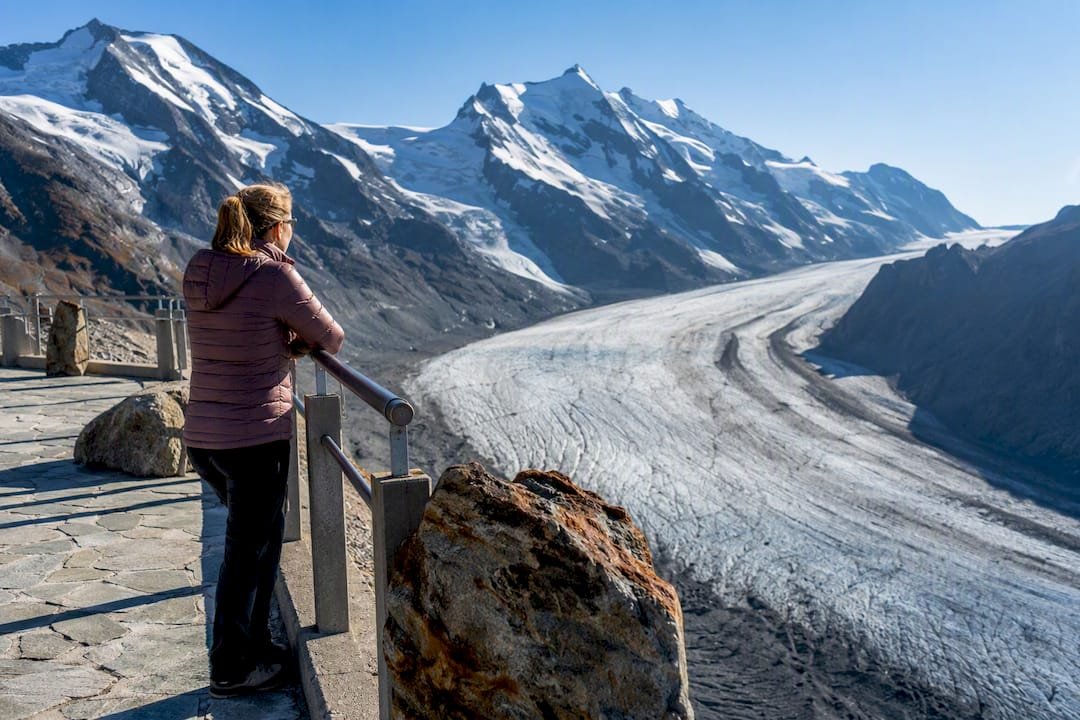
Glocknerhaus deserves more credit than it usually gets. Most guides treat it as a lunch stop on the way to the main visitor center, but it’s also the better starting point for the Pasterze glacier trail, a detail worth knowing before you commit to a schedule.
What Are the Timing, Toll, and Safety Logistics You Need to Know?
Most American travelers approach this route from Salzburg, and the drive to the northern entry gate near Fusch or Bruck takes about an hour to an hour and fifteen minutes depending on traffic through the Salzach valley. Leave Salzburg by 7:30 or 8:00 AM if you want to beat tour buses to the first overlooks and still have daylight margin for the full loop.
A few operational rules matter more than people expect:
- The road operates on daylight driving hours only during the open season; there’s no nighttime access, and gates close in the evening (specific hours shift seasonally, so confirm before you go).
- You can pay the toll at the gate with a card or cash, or purchase in advance online through the official site, which saves a few minutes during peak-season queues.
- Motorcycles and electric or hydrogen vehicles have different toll rates than standard combustion passenger cars, so check the current pricing tier for your vehicle type before budgeting.
- The gate closes to new entries a set time before the daily closing hour. If you arrive too late in the afternoon, you may be turned back regardless of season.
- Weather can shut sections of the road with little warning, even mid season. Snow above 2,000 meters isn’t unusual in June or September.
The driving itself is manageable for anyone comfortable with mountain roads, but it isn’t casual. The 36 hairpins are well-engineered and well-signed, with guardrails on most exposed curves, but the road narrows in places and cyclists share the tarmac during summer months. Keep speeds low on blind curves, use pullouts to let faster traffic pass, and watch your brakes on the long descents; riding them continuously on a hot day builds heat faster than most drivers expect.
If you’re renting a car with a manual transmission you’re not fully confident with, or if exposed drop-offs make you anxious behind the wheel, this is exactly the kind of route where a guided tour solves a real problem rather than just adding convenience. There’s no shame in it. Plenty of experienced drivers hand this one off.
Which Hikes and Viewpoints Are Worth Building Into Your Day?
The road rewards people who get out of the car, and three experiences stand above the rest.
Glacier Trail Pasterze is the marquee hike, and where you start it changes the experience. Beginning at Glocknerhaus rather than the main visitor center gives you a gradual, unfolding approach to the glacier that builds anticipation instead of dropping you at an overlook immediately. The full circuit runs about three hours and sits at a moderate difficulty level, meaning reasonable fitness and sturdy shoes, not technical climbing gear.
Gamsgrubenweg is a shorter, more exposed trail near Kaiser-Franz-Josefs-Höhe that traces the mountainside above the glacier through a tunnel section blasted into the rock. Access has been restricted in past seasons due to rockfall risk and trail maintenance, so confirm current status at the visitor center before setting out. When open, it delivers some of the closest glacier views on the entire route without requiring the longer Pasterze commitment.
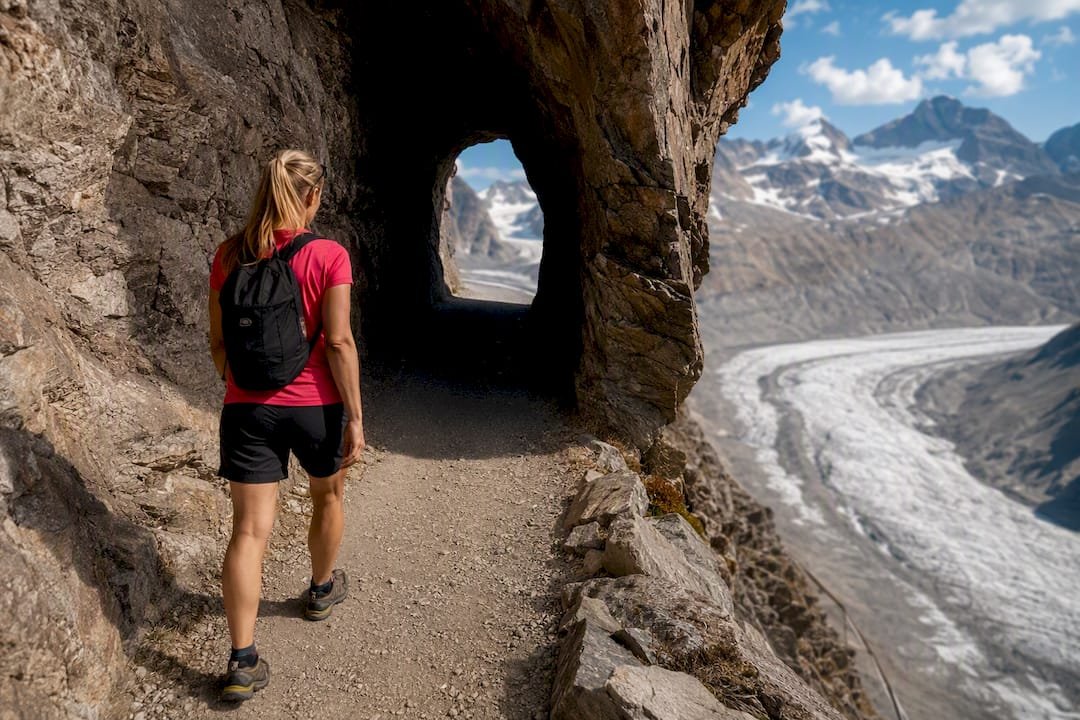
Edelweissspitze functions as both a driving destination and a standalone viewpoint experience. Give it a minimum of 30 minutes on a clear day; longer if you brought a proper camera, since the summit tower offers an unobstructed 360-degree sweep across dozens of alpine peaks.
Beyond the hikes, the road’s exhibition stops add real value for families and travelers who want context without a strenuous walk:
- Interactive displays on alpine wildlife and geology at several roadside stations
- A dedicated exhibition on the road’s construction history, built during the 1930s as a public works project
- Short, paved interpretive paths near Kaiser-Franz-Josefs-Höhe suitable for strollers and less mobile visitors
One statistic worth remembering: your single-day toll includes access to these exhibitions and themed paths, not just the roadway. Skipping them because you assume they cost extra is one of the most common missed opportunities on this route.
Should You Self-Drive or Book a Guided Tour?
Both approaches get you to the same viewpoints. The difference is what you’re trading for what.
Self-driving wins on flexibility. You set your own pace, linger at Edelweissspitze as long as the light holds, skip a stop that doesn’t interest you, and detour into Heiligenblut for an extra hour without checking anyone’s schedule. If you’re renting a car for a broader Austria road trip anyway, adding the Glockner pass costs you nothing beyond fuel and the toll.
A guided tour wins on everything else. You’re not managing toll payment, gate hours, or navigation through unfamiliar switchbacks in a country where road signs use unfamiliar symbols. A guide handles logistics and adds context you’d otherwise miss entirely, from the geology at each overlook to the history behind the road’s construction. Travelers without a car face a real logistical gap here, since no dedicated public bus service covers the full route for tourists. A guided vehicle is often the only practical way to see the pass without renting your own car.
Choose a guided tour if any of these apply to you:
- You don’t have a rental car in Austria and don’t want to arrange one for a single day
- Narrow, exposed mountain roads make you genuinely uncomfortable behind the wheel
- You’d rather listen to real commentary about the glacier, the wildlife, and the road’s history than read plaques
- You’re traveling with people who’d rather relax and take photos than watch the road
Pro Tip: If you’re set on a guided experience during July or August, reserve at least two to three weeks ahead. Peak summer fills small-group and private departures fast, and last-minute bookings often mean settling for a larger group or a less convenient pickup time.
For a well-run guided day, expect door-to-door pickup from your Salzburg accommodation, a vehicle that handles the toll and parking logistics without you thinking about it, and a paced itinerary that hits Edelweissspitze, Kaiser-Franz-Josefs-Höhe, and Heiligenblut without the stress of self-navigating switchback 22, much like a Sedona Highlights & Hike Tour offering a seamless combination of sightseeing and guided hikes. That’s the model Guided Grossglockner itineraries are built around paced stops, whether joining a small group or arranging a private departure.
When Should You Go, and What Should You Pack?
Timing this trip well comes down to three trade-offs: snow, crowds, and light.
- Late May into early June brings dramatic contrast: green valleys below, snow-capped peaks above, and noticeably thinner crowds than midsummer. The catch is that some higher trail sections may still be snow-covered or closed, and weather is more volatile.
- July and August deliver the most reliable weather and fully open trails, but also the heaviest tour bus traffic and the fullest parking lots at Edelweissspitze and Kaiser-Franz-Josefs-Höhe. Arrive before 9:00 AM if you’re going in peak season.
- September often gives you the best overall balance: golden late-season light, meaningfully fewer visitors, and roads that are still fully clear before autumn snow risk increases toward the month’s end.
For time of day, early morning delivers the clearest photography light and the smallest crowds at Edelweissspitze specifically, since that spur road bottlenecks fast once tour groups arrive mid-morning. Late afternoon light is also strong, but by then you’re racing the gate closing time.
Pack for a mountain day, not a summer drive: layers, since temperatures at 2,500 meters run 15 to 20 degrees Fahrenheit cooler than the valley floor even in August; sun protection, because UV exposure increases with altitude; sturdy closed shoes if you’re doing any of the trails; and a full water bottle, since prices at roadside stations run higher than you’d pay in town. Charge your phone fully before departure. Cold temperatures and heavy photo use at overlooks drain batteries faster than a normal day of sightseeing.
Before you leave, check the official Grossglockner site for current opening status and live webcams. Weather at 2,500 meters changes faster than forecasts from the valley below suggest, and a road that’s clear at 7:00 AM can see restrictions by early afternoon.
What Should You Know About Parking Along the Route?
Parking exists at every major stop, but capacity varies enormously between them. Fuscher Törl and Glocknerhaus have moderate-sized lots that rarely fill except on the busiest August weekends. Edelweissspitze is the pinch point: its summit lot is small, the access road is one-way and steep, and by mid-morning in peak season you may circle briefly waiting for a spot to open.
Kaiser-Franz-Josefs-Höhe has the largest parking facility on the route, reflecting its status as the main visitor destination, with multiple tiers built into the mountainside near the visitor center. Parking here is included in your day toll; there’s no separate fee at any of the standard stops along the road, since the 38 € toll functions as your all-in admission for the day.
Motorcoaches and larger guided tour vehicles use designated bus parking separate from the general car lots, which is one practical advantage of booking a guided tour during peak season: your driver already knows where the coach spaces are, and you skip the search entirely. If you’re self-driving in July or August, plan to arrive at Edelweissspitze and Kaiser-Franz-Josefs-Höhe before 10:00 AM to avoid the worst of the midday parking crunch.
Can Visitors With Limited Mobility Enjoy This Route?
Kaiser-Franz-Josefs-Höhe is the most accessible major stop on the road. The visitor center includes paved paths, ramps, and viewing terraces designed for wheelchair users and travelers with limited mobility, and you can take in the full Pasterze glacier panorama without walking any unpaved trail.
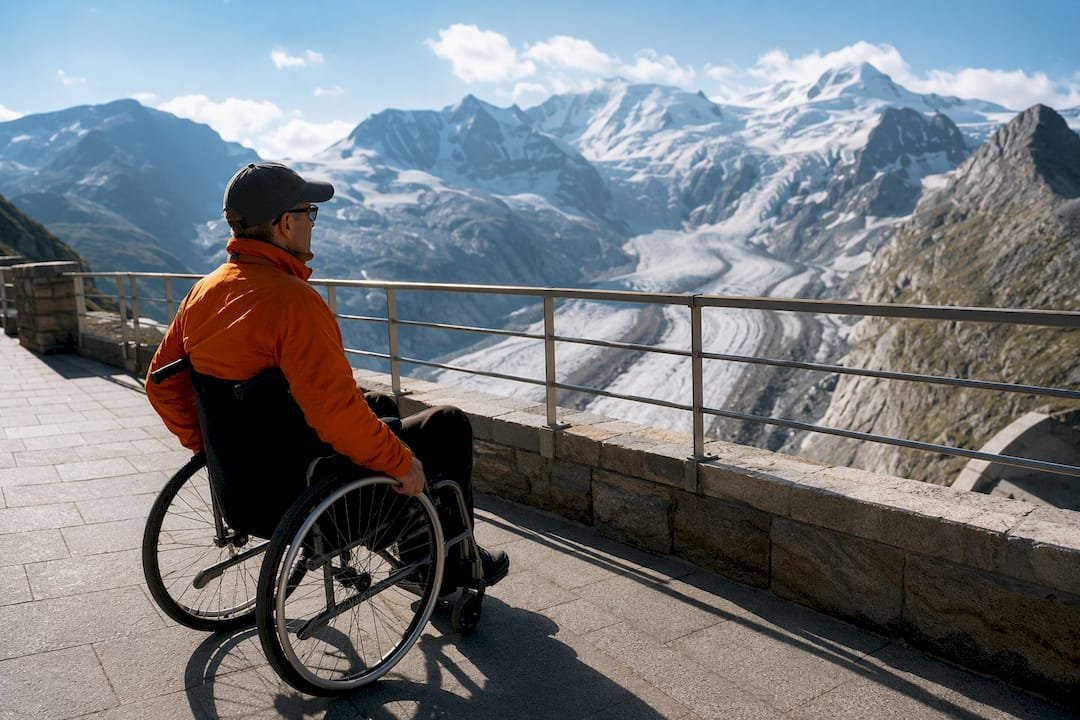
The picture changes at the more remote stops. Edelweissspitze requires navigating the steep spur road and a short walk to the summit tower, which involves some uneven surfaces and steps near the top. Glocknerhaus has flatter immediate access but sits at the trailhead for hikes that aren’t wheelchair accessible.
The interpretive paths near several roadside exhibition stations are paved and stroller-friendly, making them a reasonable substitute if the longer trails aren’t feasible for your group. If mobility is a significant concern for anyone in your party, a guided tour with a driver who knows exactly which stops offer the easiest access, and can adjust the itinerary toward those locations, is generally a more comfortable choice than a self-planned route where you discover accessibility limitations on arrival.
Where Should You Stay if You’re Making This an Overnight Trip?
Most day-trippers base themselves in Salzburg, roughly an hour and fifteen minutes from the northern gate, which keeps you close to a wide range of hotels and lets you combine the Glockner drive with other regional sights on the same trip.
If you’d rather stay closer to the road itself, Heiligenblut on the southern end offers small alpine guesthouses and hotels with direct mountain views, letting you catch early morning light at the pass before the tour buses arrive. Zell am See, north of the Fusch entry point, is another solid base with a wider range of accommodations and easy access back into Salzburg for onward travel.
Staying overnight near Heiligenblut also makes sense if you want to split the road across two lighter days rather than one long push, driving up from the south in the late afternoon and tackling Edelweissspitze and Kaiser-Franz-Josefs-Höhe fresh the next morning. For most American travelers on a broader Austria itinerary, though, a Salzburg base combined with a single, well-timed full day on the road covers the experience without adding an extra hotel night.
What Safety and Emergency Resources Should You Know Before Driving?
Standard European emergency services apply throughout the Hohe Tauern region: dial 112 for police, fire, or medical emergencies from any phone, including U.S. mobile phones with international roaming enabled. This number works across Austria and the broader European Union.
Cell coverage along the route is generally reliable near the main visitor centers but can drop out in more remote stretches between stops, so don’t count on constant signal if you’re hiking the Pasterze circuit or Gamsgrubenweg. Rangers and staff at Kaiser-Franz-Josefs-Höhe and Glocknerhaus can assist with immediate concerns and typically have radio contact with emergency services even when phone signal is weak.
Before setting out on any of the hikes, tell someone your planned route and expected return time, standard practice for alpine trails anywhere, and check current trail status at the visitor center rather than relying on outdated online descriptions, since restrictions like those affecting Gamsgrubenweg can change season to season. If weather deteriorates while you’re on the road, mountain rescue services operate throughout the region and gate staff can advise on real-time closures affecting your return route.
Why We Guide This Route the Way We Do
The Grossglockner pass rewards patience more than any other drive we run in Austria, and that’s exactly why pacing matters so much. Rush it, and you get a scenic road. Give it the time it deserves, and you get the glacier retreat lesson at Kaiser-Franz-Josefs-Höhe, the summit silence at Edelweissspitze before the crowds arrive, and a real sense of why this project mattered enough to Austria in the 1930s to build in the first place.
We built our guided Alpine itineraries around that pacing lesson rather than fighting it. Our drivers know which stop to hit first based on the season and the day’s weather, not a fixed script, and our guides carry the kind of glacier and geology context that turns a viewpoint into something you actually remember. For travelers who’d rather not navigate 36 hairpins themselves, or who simply want someone else handling the toll gate and the parking hunt, that structure is the whole appeal.
We’re always glad to build a private itinerary around a specific interest, extra time at Heiligenblut, a longer Pasterze hike, an earlier departure for photography light, so reach out directly if a standard day tour doesn’t quite fit your plans.
— Next
Book a Guided Grossglockner Day Tour With Next View Tours
If everything above sounds right but the idea of self-navigating 36 hairpins with a rental car still gives you pause, that’s the exact gap a guided day tour closes. You get door-to-door pickup, a driver who already knows the parking situation at Edelweissspitze before you arrive, and a toll and logistics package handled for you, with real commentary on the glacier, the wildlife, and the road’s construction history woven into every stop.

Next View Tours runs private and small-group day trips through the Grossglockner region as part of our broader range of trip types across Austria and beyond. If you want full control over pacing, extra time at a specific overlook, or a start time built around your own schedule, our private tour options let you customize the day while we handle the driving and the details. Reserve early if you’re traveling in July or August, peak season books out fast, and a private departure gives you the flexibility a packed group schedule can’t.
Sources
- Driving the Grossglockner High Alpine Road, Austria — MoonHoney Travel
- Rome2rio — Grossglockner High Alpine Road access


Comments are closed