
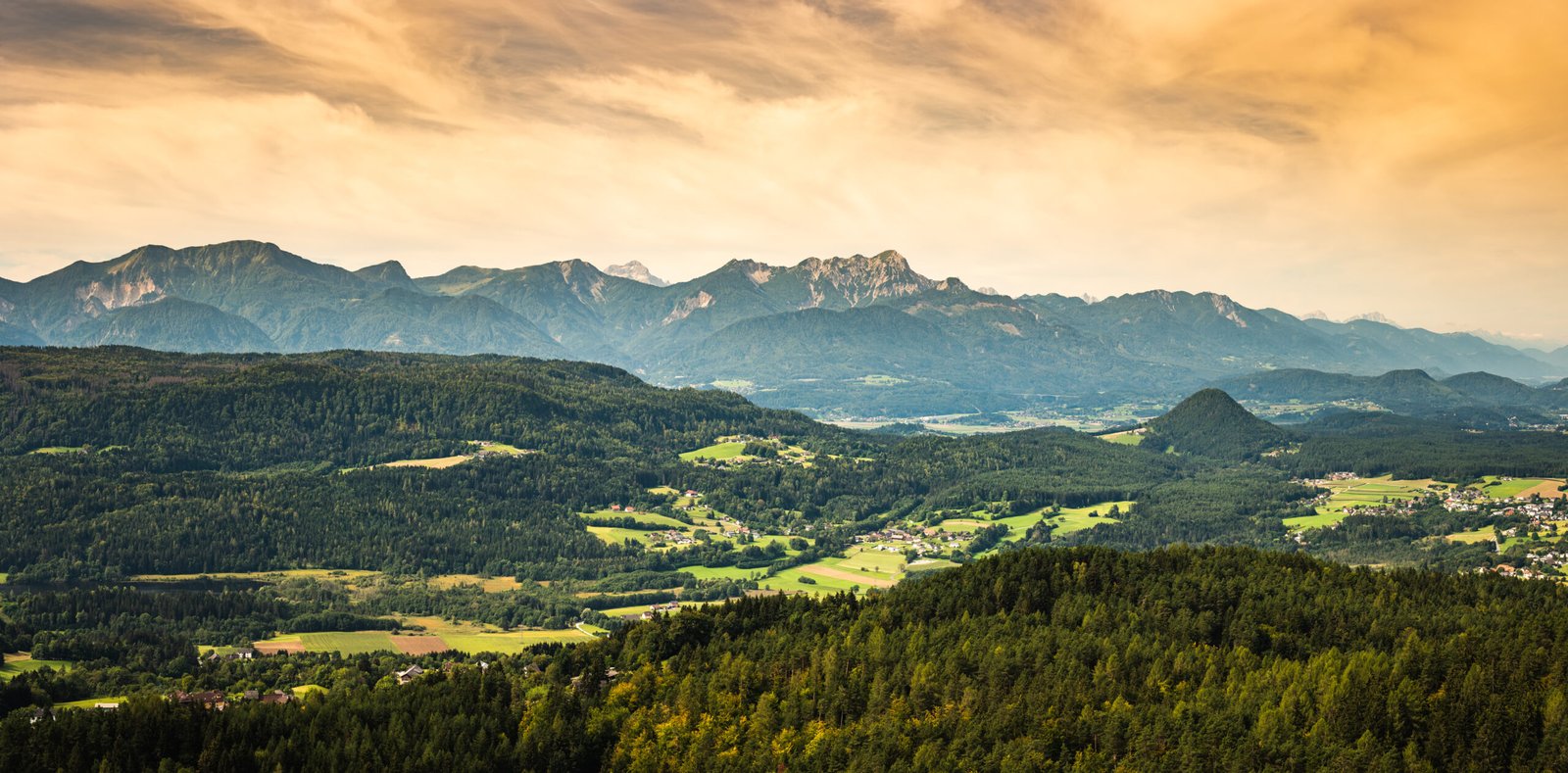
 Adventure Tours
Over 40 million international tourists visit Austria each year, yet many american travelers find that its unique mix of history and alpine scenery brings both excitement and complexity to travel planning. Iconic cities with imperial architecture and scenic mountain villages offer endless possibilities, but knowing where to start can feel daunting. This guide helps american visitors unlock Austria’s cultural richness, practical tips, and best experiences so every sightseeing adventure is memorable and rewarding.
Table of Contents
- Austria Sightseeing Explained And Key Concepts
- Top Cities And Famous Austrian Landmarks
- Cultural, Nature, And Adventure Experiences
- Modes Of Transportation For Sightseeing
- Essential Tips And Safety Considerations
- Common Mistakes And Planning Pitfalls
Key Takeaways
| Point | Details |
|---|---|
| Diverse Regions | Austria’s sightseeing encompasses various regions, each offering unique cultural and outdoor experiences, from urban tours in Vienna to alpine adventures. |
| Cultural Immersion | Visitors should engage with Austria’s rich artistic traditions, attend local events, and explore historical sites to fully appreciate its cultural heritage. |
| Practical Planning | Effective sightseeing requires consideration of transportation options, seasonal variations, and regional nuances to enhance the travel experience. |
| Avoiding Common Pitfalls | Travelers can improve their experience by budgeting accurately, understanding local customs, and preparing for seasonal challenges to avoid common missteps. |
Austria Sightseeing Explained and Key Concepts
Austria offers travelers a remarkable journey through historic landscapes, architectural wonders, and cultural treasures that span centuries of European heritage. From the imperial grandeur of Vienna’s historic sites to stunning alpine regions, Austrian sightseeing represents a multifaceted exploration of natural beauty and human achievement.
The core of Austrian sightseeing revolves around understanding its diverse geographical and cultural regions. Austria encompasses several distinctive travel zones: the metropolitan Vienna region, the alpine western provinces, the scenic Danube valley, and picturesque mountain landscapes. Each area presents unique experiences ranging from urban cultural tours to outdoor adventure expeditions. Visitors can explore magnificent imperial structures like the Austrian Parliament Building, which showcase the country’s rich political and architectural heritage.
Key sightseeing concepts in Austria include understanding the interplay between historical preservation and modern tourism. World Heritage sites, museums, alpine national parks, and historic city centers form the backbone of Austrian tourism. Travelers should recognize that Austrian sightseeing is not just about viewing locations, but experiencing living cultural narratives. Whether exploring the Baroque architecture of Salzburg, walking through medieval town centers, or enjoying mountain panoramas, each destination tells a complex story of Austrian identity, artistic achievement, and natural splendor.
Practical sightseeing in Austria requires strategic planning. Travelers should consider seasonal variations, regional transportation networks, and cultural event calendars. The country’s compact size and excellent infrastructure make multi-destination trips remarkably accessible. From imperial palaces in Vienna to mountain villages in Tyrol, Austrian sightseeing offers an extraordinary blend of historical depth, natural beauty, and cultural richness that appeals to diverse traveler interests.
Top Cities and Famous Austrian Landmarks
Austria boasts a remarkable collection of cities and landmarks that showcase the nation’s rich cultural and architectural heritage. Vienna, the capital, stands at the forefront of this extraordinary landscape, featuring the grand Ringstrasse, a magnificent boulevard that encircles the historic city center and represents the pinnacle of architectural elegance and urban design.
Beyond Vienna, other notable Austrian cities offer unique experiences and iconic landmarks. Salzburg, Mozart’s birthplace, enchants visitors with its baroque architecture and musical history. Innsbruck, nestled in the Alps, provides a stunning blend of mountain scenery and imperial architecture. Each city presents a distinctive narrative of Austrian culture, from historic cultural institutions like the National Theatre to world-renowned museums and performance venues.
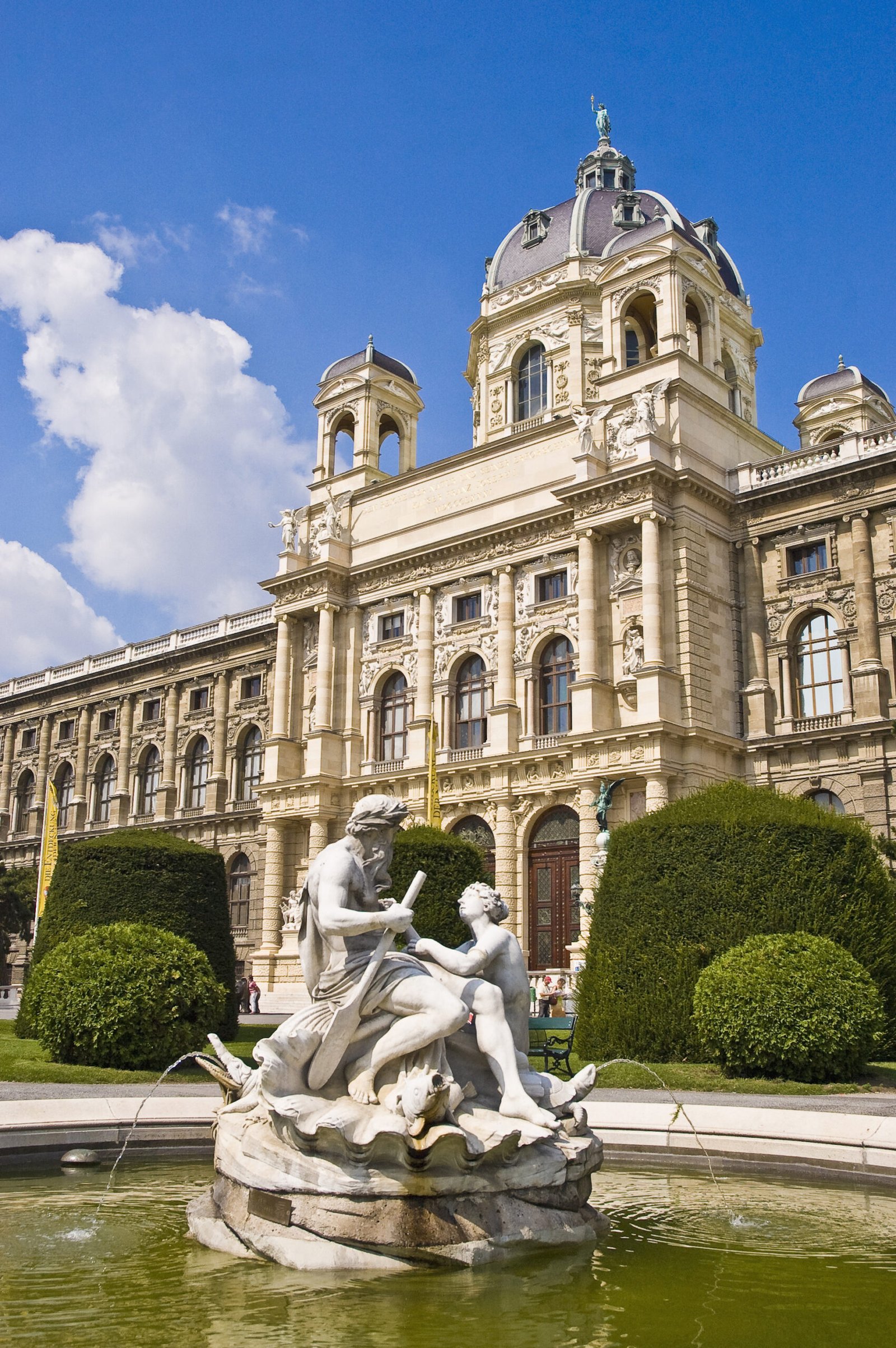
Austria’s landmarks reflect its complex historical journey and cultural sophistication. Vienna’s Natural History Museum exemplifies the country’s commitment to preserving and showcasing its scientific and cultural heritage. The Schönbrunn Palace, the Belvedere, and the Hofburg Imperial Palace stand as architectural masterpieces that narrate stories of imperial grandeur and artistic achievement. Visitors can explore these sites to gain deep insights into Austria’s rich historical tapestry.
Seasonal variations offer unique perspectives on Austrian landmarks. Summer brings vibrant cultural festivals, outdoor concerts, and alpine hiking opportunities, while winter transforms cities and mountain regions into magical landscapes perfect for skiing and traditional holiday celebrations. From the iconic Vienna State Opera House to the picturesque mountain villages of Tyrol, Austria presents a diverse and compelling destination for travelers seeking cultural depth, historical significance, and breathtaking natural beauty.
Cultural, Nature, and Adventure Experiences
Austria offers an extraordinary blend of cultural immersion, natural exploration, and adventurous experiences that cater to diverse traveler interests. The country’s six national parks showcase remarkable ecological diversity, ranging from dramatic Alpine landscapes to pristine alluvial forests, providing visitors with unprecedented opportunities to connect with nature and engage in outdoor activities.
Cultural experiences in Austria are deeply rooted in centuries of artistic and musical tradition. Cities like Salzburg exemplify this rich heritage, offering visitors immersive experiences that blend historical charm with contemporary creativity. Insights from cultural guides reveal the nuanced cultural landscape of Austrian cities, where classical music, imperial architecture, and modern artistic expressions coexist harmoniously. Travelers can explore world-class museums, attend classical concerts, participate in traditional festivals, and engage with local communities to gain authentic insights into Austrian culture.
Adventure experiences in Austria span multiple dimensions, appealing to outdoor enthusiasts and thrill-seekers alike. The Alpine regions provide exceptional opportunities for hiking, mountain biking, rock climbing, and winter sports. Summer months offer paragliding in the Tyrolean mountains, while winter transforms the landscape into a premier skiing and snowboarding destination. Each region presents unique geographical challenges and breathtaking scenery, ensuring that adventure travelers can find experiences tailored to their skill levels and preferences.
Seasonal variations dramatically transform Austria’s landscape, offering distinctly different experiences throughout the year. Summer brings vibrant cultural festivals, outdoor concerts, and extensive hiking opportunities, while winter creates magical snow-covered landscapes perfect for skiing and traditional holiday celebrations. From exploring worldwide tour options to engaging with local communities, Austria provides a comprehensive travel experience that seamlessly blends cultural depth, natural beauty, and adventurous spirit.
Modes of Transportation for Sightseeing
Navigating Austria’s diverse landscapes and urban centers requires understanding the country’s comprehensive transportation options. The Ringstrasse in Vienna serves as a prime example of an integrated transportation route, connecting major landmarks and providing an efficient way for travelers to explore the city’s historic districts and cultural attractions.
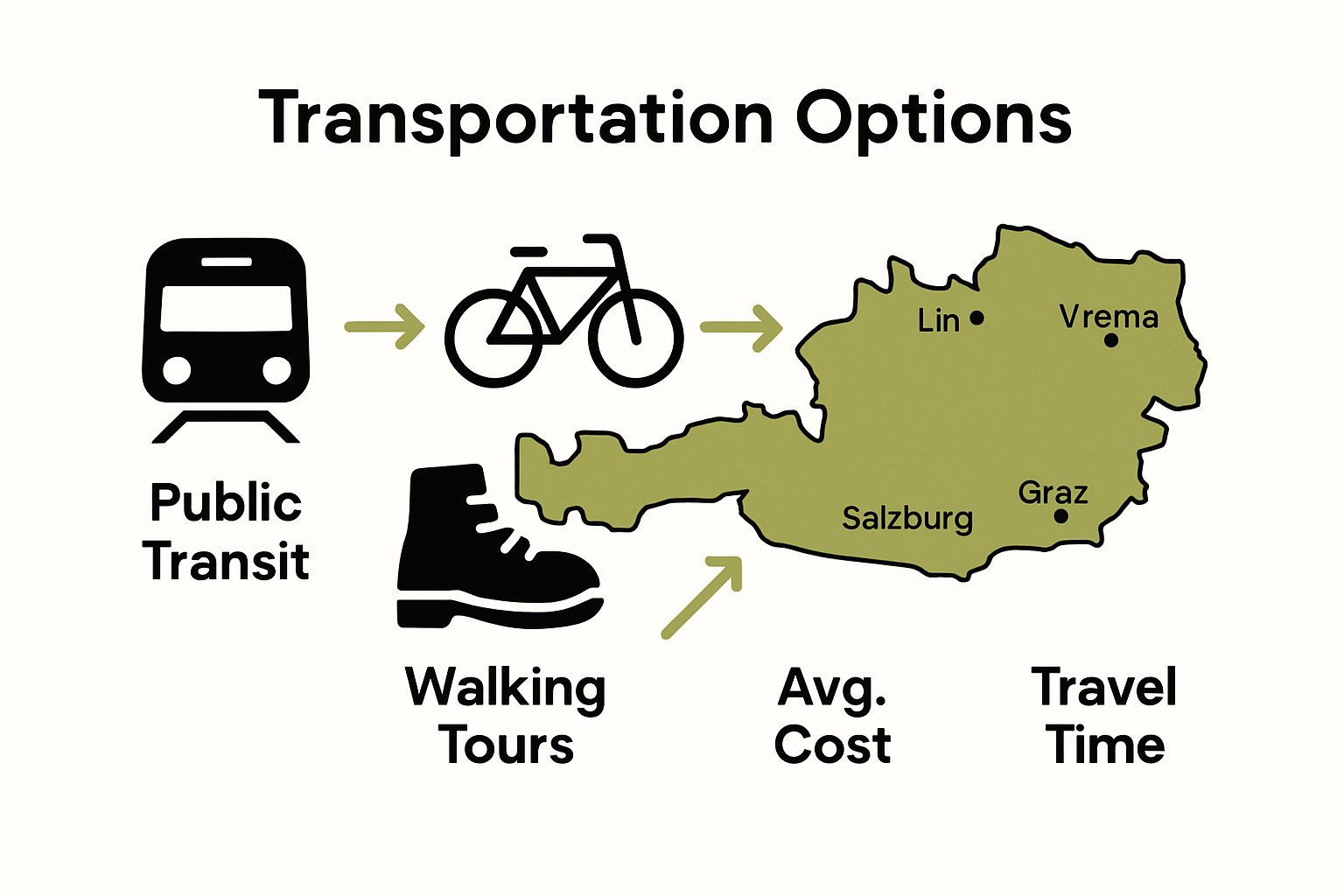
Public transportation stands out as the most convenient and comprehensive mode of sightseeing in Austria. Major cities like Vienna, Salzburg, and Innsbruck offer extensive networks of buses, trams, and metro systems that are clean, punctual, and user-friendly. Transportation resources recommend various sightseeing options including guided tours, bike tours, and public transit passes that allow unlimited travel across different modes of transportation. The Vienna City Card and Salzburg Card provide tourists with integrated transportation and attraction access, making urban exploration both economical and convenient.
For travelers seeking more immersive experiences, specialized transportation modes offer unique perspectives of Austrian landscapes. Scenic train routes like the Arlberg Line and Semmering Railway provide breathtaking mountain views, while bike tours allow intimate exploration of countryside regions. Alpine regions offer additional transportation options such as cable cars, funiculars, and mountain railways that connect remote villages and provide access to hiking trails and ski resorts. These specialized transport methods not only facilitate movement but also become memorable experiences in themselves.
Seasonal considerations significantly impact transportation choices in Austria. Summer months enable extensive cycling and walking tours, while winter requires more specialized transportation for accessing ski regions and navigating snow-covered landscapes. City train systems like those in Vienna offer year-round accessibility, combining practical transportation with architectural and historical insights. Travelers should plan ahead, considering factors like seasonal availability, ticket types, and route configurations to maximize their sightseeing experiences across Austria’s diverse geographical terrains.
Essential Tips and Safety Considerations
Preparing for an Austrian sightseeing adventure requires careful planning and awareness of key safety and practical considerations. Travelers should prioritize understanding local customs, health precautions, and practical logistics to ensure a smooth and enjoyable experience across the diverse Austrian landscape.
Health and personal safety remain paramount for international travelers. Comprehensive travel insurance covering medical emergencies, trip interruptions, and potential adventure activities is strongly recommended. European Health Insurance Cards provide basic medical coverage for European Union citizens, while non-EU travelers should secure robust international health insurance. Important safety tips include maintaining awareness of personal belongings in tourist-heavy areas, keeping digital and physical copies of important documents, and registering with your country’s embassy or consular services.
Austrian travel involves understanding specific regional nuances and practical considerations. Communication preparedness is crucial – while English is widely spoken in major cities and tourist destinations, learning basic German phrases can significantly enhance your travel experience. Financial preparations should include notifying your bank about international travel, carrying multiple payment methods, and understanding currency exchange rates. Travelers should also be aware of seasonal variations that impact safety, such as alpine weather conditions during winter months and appropriate clothing requirements for mountain regions.
Technology and connectivity can greatly enhance travel safety and experience. Downloading offline maps, translation apps, and emergency contact applications before arrival provides an additional layer of security. Travelers should ensure their mobile devices are compatible with European networks and consider purchasing local SIM cards for cost-effective communication. Respecting local customs, maintaining situational awareness, and staying flexible with travel plans will help mitigate potential challenges and create a memorable Austrian sightseeing experience.
Common Mistakes and Planning Pitfalls
Austrian sightseeing requires strategic planning to avoid common traveler missteps that can transform an exciting journey into a stressful experience. Many visitors unintentionally compromise their travel experience by overlooking critical details about regional variations, cultural expectations, and logistical nuances specific to Austrian destinations.
Financial planning represents one of the most significant areas where travelers frequently miscalculate. Comprehensive worldwide travel resources highlight the importance of understanding Austria’s relatively high cost of living compared to other European destinations. Common financial mistakes include failing to budget for premium dining experiences, underestimating transportation costs, and not accounting for potential tourist taxes and service charges. Travelers should anticipate spending more than initially estimated, particularly in major cities like Vienna and Salzburg, where tourism-related expenses can quickly accumulate.
Cultural misunderstandings and logistical oversights can significantly impact travel experiences. Frequent pitfalls include neglecting to learn basic German phrases, misunderstanding local etiquette around punctuality and formality, and failing to adapt to different dining and social customs. Seasonal planning errors are particularly problematic in Austria, where alpine regions require specialized preparation. Travelers often underestimate weather variability, pack inappropriate clothing, or fail to account for limited accessibility in mountainous areas during shoulder seasons.
Technology and communication present another complex landscape of potential mistakes. Travelers frequently encounter issues with mobile connectivity, overlooking the need for European-compatible devices, international data plans, and backup communication strategies. Booking errors, such as selecting accommodations far from intended sightseeing locations or failing to verify transportation connections between cities, can consume significant time and resources. Smart travelers mitigate these risks by researching extensively, maintaining flexibility, and building buffer time into their itineraries to accommodate unexpected challenges.
Discover Austria Like Never Before with Expert Guided Tours
Planning your perfect Austrian sightseeing adventure can feel overwhelming with so much history, culture, and nature to explore. Whether you want to delve into majestic city landmarks or experience thrilling alpine adventures, the key challenge is combining diverse interests and seamless transportation without the usual travel headaches. This guide highlighted the importance of thoughtful planning, seasonal timing, and cultural awareness to fully appreciate Austria’s rich heritage and stunning landscapes.
At Next View Tours, we make your journey effortless and unforgettable. Choose from our carefully curated City Tour options to immerse yourself in Vienna’s imperial grandeur or Salzburg’s musical charm. If adventure calls you, explore our Adventure Tours designed to connect you with Austria’s breathtaking natural beauty while safely navigating alpine terrains. Our customizable, private, and group tours cover everything from historic sites to mountain villages.

Don’t let planning pitfalls or transportation worries hold you back. Act now to secure your spot on a tour that matches your interests and schedule. Visit Next View Tours today and start experiencing Austria the way it was meant to be seen with experts who care about every detail.
Frequently Asked Questions
What are the must-see landmarks in Austria?
Austria is home to several iconic landmarks, including the Schönbrunn Palace, Hofburg Imperial Palace, and Vienna’s Natural History Museum. Each site offers a glimpse into the country’s rich history and artistic legacy.
What transportation options are available for sightseeing in Austria?
Public transportation, including buses, trams, and metro systems, is extensive and user-friendly in major cities. Scenic train routes and specialized transport like cable cars are also available in alpine regions for a unique travel experience.
How should I prepare for the seasonal changes when sightseeing in Austria?
Different seasons in Austria offer distinct experiences. Summer is great for cultural festivals and hiking, while winter is ideal for skiing. Travelers should plan clothing and activities accordingly and check weather forecasts.
What cultural experiences should I engage in while visiting Austria?
Visitors can immerse themselves in Austria’s cultural heritage by attending classical concerts, exploring museums, and participating in traditional festivals. Each city has its own unique offerings that reflect local customs and arts.


Comments are closed