
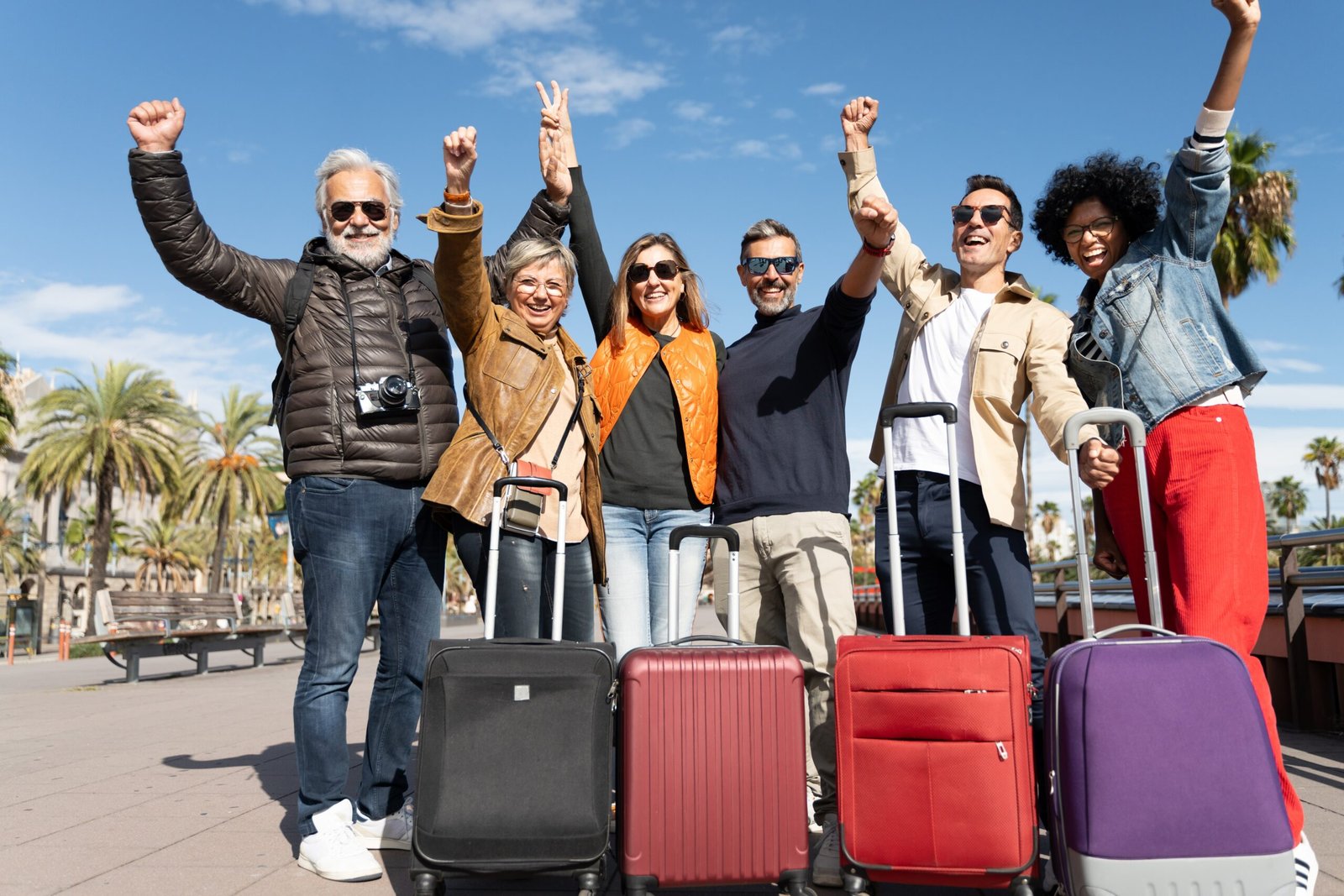
 Adventure Tours
More than 60 percent of American travelers say group tours across Europe are their top pick for exploring new experiences together. Yet organizing a trip for mixed personalities and interests can trip up even skilled travel coordinators. With clear direction on mapping preferences, designing dynamic itineraries, and mastering logistics, you can transform group adventures into seamless, rewarding journeys through Italy, France, Spain, and beyond.
Table of Contents
- Step 1: Define Travel Objectives And Group Preferences
- Step 2: Select Destinations And Design The Itinerary
- Step 3: Arrange Transportation, Accommodation, And Meals
- Step 4: Coordinate Booking Confirmations And Payments
- Step 5: Verify Readiness And Finalize Group Communication
Quick Summary
| Key Insight | Explanation |
|---|---|
| 1. Define group preferences | Conduct a survey to understand each traveler’s interests and limitations for a cohesive itinerary. |
| 2. Select appropriate destinations | Map out locations based on group’s interests, accessibility, and logistical efficiency to enhance satisfaction. |
| 3. Coordinate logistics effectively | Choose transportation and accommodations that cater to group size and special needs for comfort and convenience. |
| 4. Establish a clear payment plan | Develop a transparent payment structure with deadlines to ensure accountability and avoid misunderstandings. |
| 5. Prepare final details thoroughly | Ensure everyone is informed about travel documents, itineraries, and emergency contacts before departure. |
Step 1: Define travel objectives and group preferences
Successfully organizing a group European adventure starts with clearly understanding everyone’s travel objectives and preferences. By mapping out individual expectations early, you can create a tour experience that satisfies diverse interests while maintaining group cohesion.
Begin by conducting a comprehensive preference survey among potential travelers. Tourist preference mapping demonstrates that understanding psychological processes and heterogeneity within groups is crucial for effective tour planning. Ask participants about their key interests travel styles: Are they history buffs wanting deep cultural immersion? Adventure seekers craving outdoor experiences? Culinary enthusiasts interested in regional cuisine? Art lovers wanting museum tours? Developing a clear picture of individual motivations helps craft a balanced itinerary.
Consider practical factors like physical abilities budget constraints and time availability. Some group members might have mobility limitations or specific accessibility needs that require thoughtful accommodations. Sustainable tour planning standards recommend incorporating stakeholder input to ensure inclusivity. Create a shared spreadsheet where participants can input their preferences availability budget range and any special requirements. This transparent approach helps everyone feel heard and increases overall group satisfaction.
Pro Tip: Schedule a pre trip video call to discuss objectives and create collective excitement about your upcoming European adventure.
Step 2: Select destinations and design the itinerary
Designing an engaging European group tour itinerary requires strategic planning that balances diverse interests and logistical considerations. Your goal is to create a trip that offers something exciting for every traveler while maintaining a smooth and efficient journey.
Group travel recommendation algorithms demonstrate the complexity of crafting personalized itineraries that satisfy multiple preferences. Start by mapping potential destinations that align with your group’s previously identified interests. Prioritize locations with rich cultural experiences museums architectural landmarks historical sites and diverse culinary options. Consider geographic proximity to minimize travel time and transportation costs. Create a draft route that allows sufficient time in each location while providing flexibility for spontaneous experiences or unexpected discoveries.
Utilize personalized itinerary planning techniques to optimize your travel schedule. Develop a collaborative spreadsheet where group members can vote on potential destinations rank their preferences and input availability constraints. Consider factors like travel times between locations seasonal events and individual mobility requirements. Aim for a balanced approach that allows for group activities as well as optional independent exploration time.
Pro Tip: Use digital mapping tools to visualize potential routes and estimate travel times between destinations before finalizing your itinerary.
The following table summarizes key considerations for selecting group travel destinations in Europe:
| Selection Factor | Impact on Experience | Planning Tip |
|---|---|---|
| Geographic Proximity | Reduces travel fatigue | Cluster cities within short radius |
| Cultural Diversity | Increases trip appeal | Include a mix of cultures |
| Accessibility | Ensures inclusivity | Confirm mobility accommodations |
| Event Timing | Offers unique experiences | Check for festivals or holidays |
Step 3: Arrange transportation, accommodation, and meals
Successfully coordinating logistics is crucial for creating a smooth and enjoyable group European adventure. Your goal is to balance comfort budget and group preferences while ensuring everyone remains comfortable and well cared for throughout the journey.
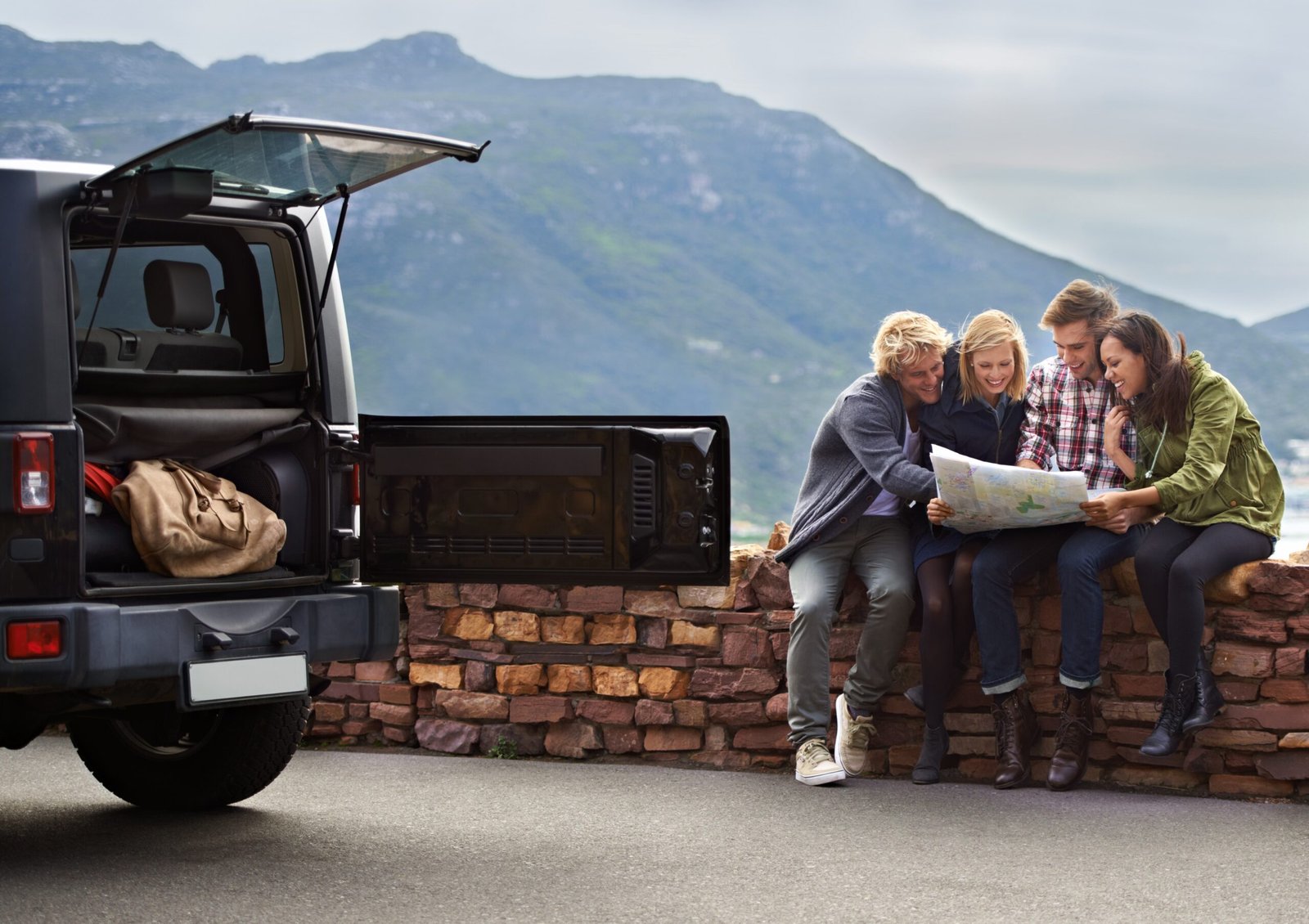
Tourist experience logistics play a critical role in overall trip satisfaction. When selecting transportation begin by considering group size and mobility requirements. For groups of 10 to 15 travelers charter buses or private minivans provide flexibility and cost efficiency. Research train routes between destinations as European rail networks offer convenient interconnected travel options. Compare different transportation modes considering factors like travel time comfort cost and scenic routes. Book transportation well in advance to secure group rates and ensure availability.
Here is a comparison of popular European group transportation options:
| Mode | Capacity Range | Advantages | Typical Use Case |
|---|---|---|---|
| Charter Bus | 15-50 people | Flexible, cost-efficient | Intercity group transfers |
| Train | Any group size | Fast, scenic, eco-friendly | Country-to-country travel |
| Private Van | Up to 15 people | Door-to-door convenience | Local excursions |
| Airlines | Any group size | Saves time long-distance | Cross-country segments |
Approach accommodation and meal planning with similar strategic thinking. Look for hotels or vacation rentals that can accommodate your entire group simultaneously while offering proximity to key destinations. Consider properties with flexible room configurations group dining areas and potential group discounts. When planning meals mix restaurant experiences with group cooking opportunities or local market visits to provide variety and cultural immersion. Create a preliminary meal budget that accounts for different dietary requirements and allows occasional group dining experiences as well as individual exploration time.
Pro Tip: Designate a group coordinator to centralize transportation and accommodation bookings to streamline communication and reduce individual planning stress.
Step 4: Coordinate booking confirmations and payments
Successfully managing group tour bookings requires strategic financial planning and clear communication. Your primary objective is to create a transparent payment process that ensures everyone understands their financial commitments and timelines.
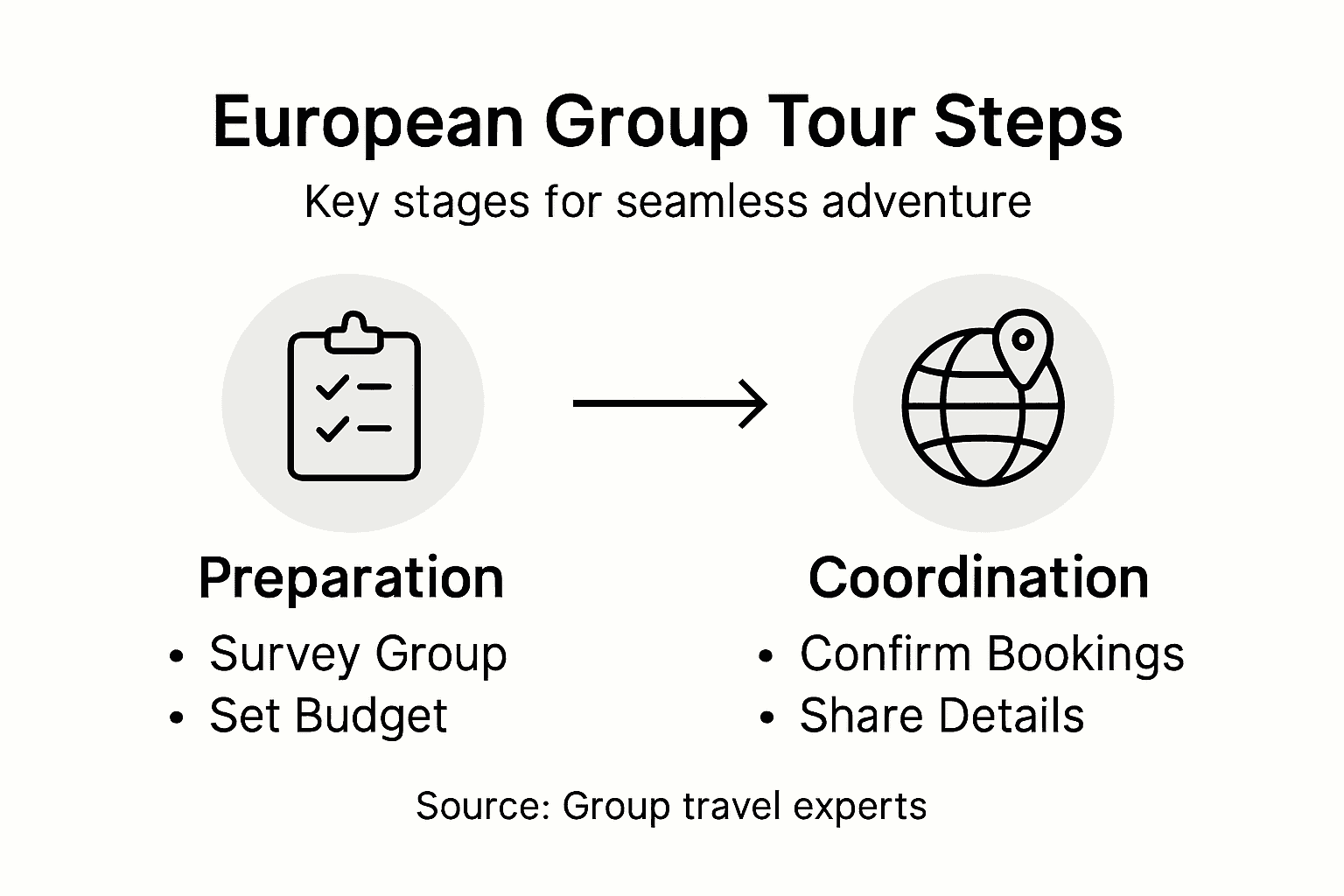
Group tour booking strategies highlight the importance of structured payment management. Begin by establishing a clear payment schedule with specific deadlines for initial deposits and final payments. Determine whether you will collect individual payments or have a designated group treasurer. Calculate the total tour cost and divide it equitably among participants while exploring potential group discounts. Create a shared spreadsheet tracking individual contributions deposits and remaining balances to maintain transparency and accountability.
Travel management software can dramatically simplify booking coordination by centralizing reservation data and automating communication. Select a platform that allows real time updates and enables participants to view their payment status. Establish a secure online payment system that accommodates different payment methods and provides digital receipts. Communicate payment expectations clearly upfront including cancellation policies refund conditions and any penalties for late payments. Maintain open lines of communication and be prepared to address individual financial concerns promptly and professionally.
Pro Tip: Schedule a group video call to review payment details and answer financial questions to prevent misunderstandings.
Step 5: Verify readiness and finalize group communication
The final stage of group tour preparation involves ensuring every participant is fully informed and prepared for the upcoming European adventure. Your goal is to create a comprehensive communication strategy that addresses last minute details and builds collective excitement.
Group communication frameworks emphasize the importance of clear interaction and information sharing. Schedule a final group meeting where you review critical trip details including travel documents passport requirements packing guidelines and emergency contact information. Create a shared digital folder with essential documents such as flight confirmations hotel reservations transportation tickets and travel insurance details. Establish a group communication channel using messaging apps or group chat platforms to enable real time updates and instant communication during the trip.
Readiness preparation strategies suggest developing a comprehensive preparedness mindset. Conduct a final individual check in with each participant to confirm their travel readiness. Verify that everyone has completed necessary preparations such as obtaining required travel documents securing appropriate travel insurance and understanding the trip itinerary. Create a contingency plan that includes emergency contact information medical considerations and backup communication methods in case of unexpected situations.
Pro Tip: Create a digital trip handbook containing all essential information to provide participants a single comprehensive resource for quick reference.
Make Your European Group Tour a Seamless and Unforgettable Experience
Organizing a group tour across Europe comes with challenges like balancing diverse preferences, coordinating logistics, and ensuring clear communication. If you want to avoid the stress of planning every detail from scratch and create a journey that truly excites everyone in your group think about partnering with experienced tour providers. Next View Tours understands the importance of crafting tailored itineraries that match your group’s unique interests—whether you prefer cultural city explorations, scenic mountain adventures, or relaxing beach escapes.
Explore our City Tour and Mountain Tours to see how we blend flexibility with expert planning. From securing accommodations and transportation to designing engaging daily activities, our team handles the logistics so you can focus on shared memories. Take the first step towards your ideal European adventure by visiting Next View Tours today and discover group tours that turn your travel goals into reality.
Frequently Asked Questions
How can I determine the travel objectives and preferences of my group for a European adventure?
Begin by conducting a comprehensive preference survey among potential travelers. Ask participants about their key interests, travel styles, and any special requirements to ensure a balanced itinerary that satisfies everyone.
What factors should I consider when selecting destinations for a group tour in Europe?
Focus on geographic proximity, cultural diversity, accessibility, and event timing. Aim to cluster destinations within a short radius to minimize travel fatigue, while incorporating a mix of cultural experiences to enhance the overall appeal of the trip.
How can I effectively arrange transportation, accommodation, and meals for my group?
Coordinate logistics by considering the group size and mobility requirements for transportation while booking accommodations that can house everyone together. Additionally, plan meal experiences that combine group dining with opportunities for individual exploration, ensuring diverse culinary experiences.
What is the best way to manage booking confirmations and payments for a group tour?
Establish a clear payment schedule with specific deadlines for deposits and final payments. Create a shared spreadsheet to track contributions, allowing everyone in the group to stay informed and maintain accountability throughout the planning process.
How do I prepare the group for the trip and ensure clear communication?
Schedule a final group meeting to review critical trip details, including travel documents and packing guidelines. Additionally, create a group communication channel to facilitate real-time updates and address any last-minute questions or concerns before the journey begins.


Comments are closed