
 News & Tips
Many travelers assume guided nature trips restrict freedom and inflate costs. The reality is different: modern guided tours reduce environmental impact by up to 30% while offering customized experiences that rival self-guided adventures. Central Europe’s Alps, Tatras, and Bohemian Paradise host some of the continent’s most diverse ecosystems, and expert guides transform these landscapes into immersive learning environments. This guide reveals how to choose nature trips that balance adventure, sustainability, and personal preferences across Austria, the Czech Republic, and Slovakia.
Table of Contents
- Why Choose Guided Nature Trips In Central Europe?
- Understanding The Geography And Biodiversity Of Target Regions
- Seasonal Timing And Trip Preparation For Optimal Experience
- Comparing Guided And Self-Guided Nature Trips In Central Europe
- Safety Protocols And Environmental Responsibility
- Customization And Accessibility Of Nature Trips
- Common Misconceptions About Guided Nature Trips
- Conclusion: Making The Most Of Your Next Nature Trip
- Explore Expert-Led Nature Trips With Next View Tours
Key Takeaways
| Point | Details |
|---|---|
| Environmental Impact | Guided trips reduce visitor ecological damage by up to 30% through education and controlled group behavior. |
| Cost Reality | Price differences between guided and self-guided tours often range from 5-10%, with added value offsetting costs. |
| Safety Enhancement | Professional guides reduce accident rates by up to 40% through protocol enforcement and emergency preparedness. |
| Customization Options | Tours adapt to fitness levels, interests, and group types including families, adventurers, and accessibility needs. |
| Seasonal Planning | Wildlife activity and weather conditions vary significantly; guides optimize timing for best experiences. |
Why Choose Guided Nature Trips in Central Europe?
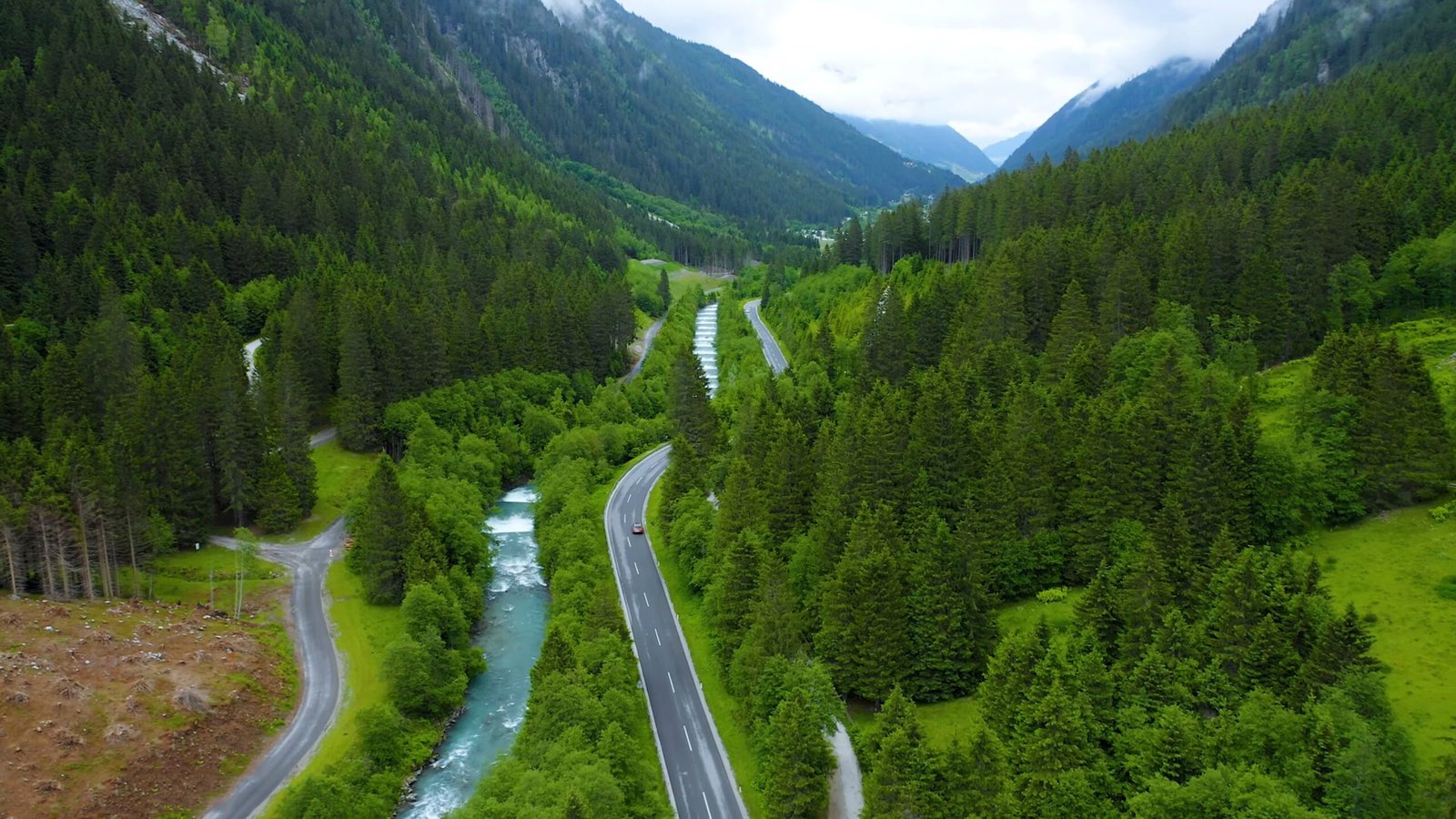
Central Europe’s natural landscapes span dramatic mountain ranges, ancient forests, and protected wilderness areas that demand both respect and understanding. The Alps stretch across Austria with iconic peaks and valleys, while Slovakia’s Tatras offer rugged alpine terrain rich in endemic species. The Czech Republic’s Bohemian Paradise showcases unique sandstone formations and diverse flora.
Expert guides elevate these environments from scenic backdrops to interactive classrooms. They identify wildlife tracks, explain geological processes, and navigate safely through challenging terrain. This expertise matters when exploring protected zones where regulations change frequently and weather shifts rapidly.
Nature tours across Europe demonstrate how guided experiences foster environmental stewardship. Guides enforce Leave No Trace principles, explain conservation efforts, and model responsible behavior. Groups stay on designated trails, avoid disturbing wildlife, and learn why these practices matter.
Key advantages of guided nature trips include:
- Professional navigation through complex trail systems and protected areas
- Real-time interpretation of ecological phenomena and wildlife behavior
- Safety protocols including emergency communication and first aid readiness
- Access to restricted or permit-only zones through authorized tour operators
- Cultural context connecting natural landscapes to regional history and traditions
Understanding the Geography and Biodiversity of Target Regions
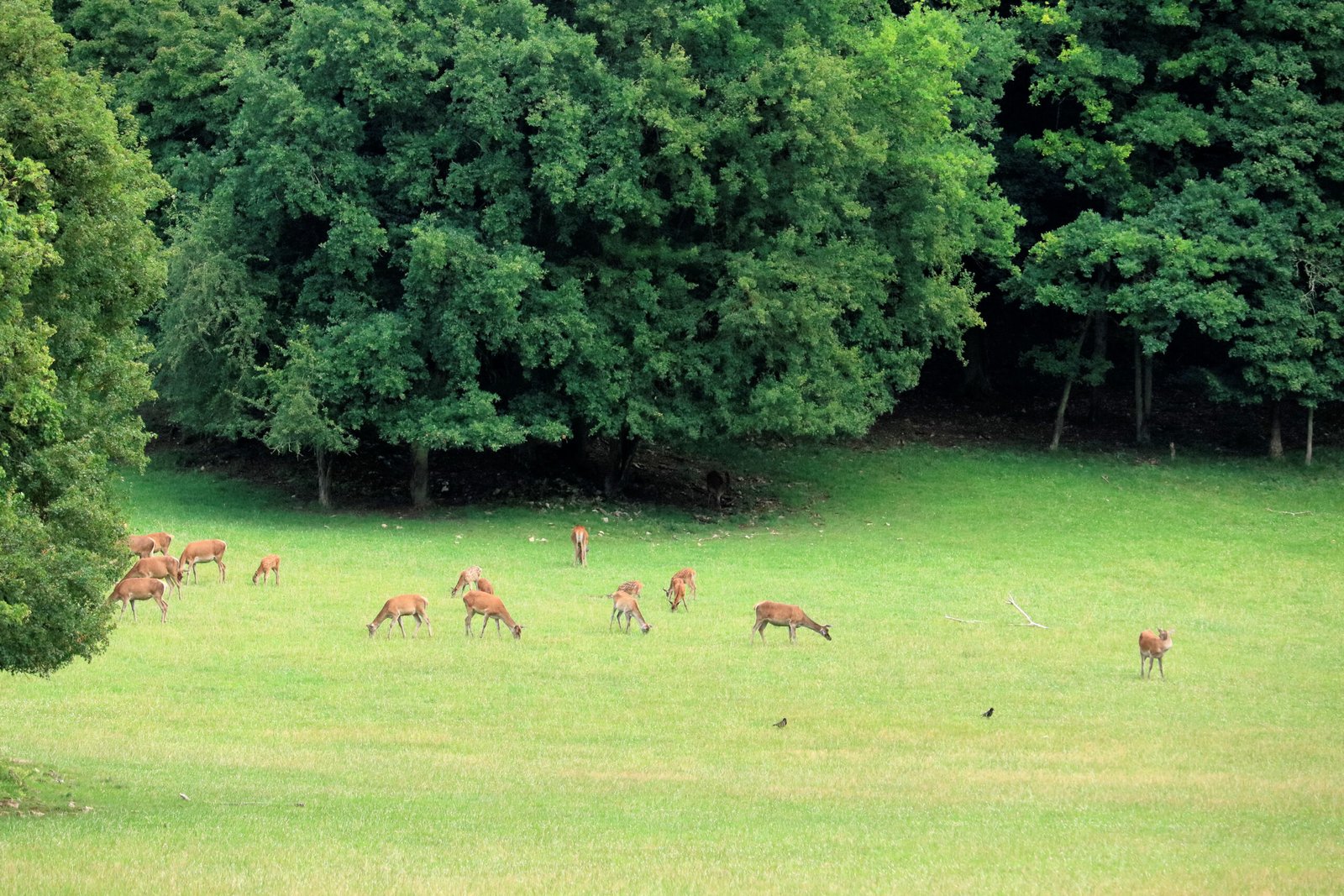
Austria’s national parks protect alpine meadows, glacial valleys, and old-growth forests that support diverse wildlife. Slovakia’s nature tours showcase the High Tatras, where brown bears, lynx, and chamois thrive in carefully managed habitats. Protected national parks in Austria and Slovakia provide rich biodiversity and structured tour opportunities that balance conservation with visitor access.
The Bohemian Paradise in the Czech Republic features sandstone rock formations dating back millions of years. These geological wonders create microclimates supporting rare plant species and nesting sites for raptors. The region’s forests transition from lowland deciduous woods to montane coniferous stands.
Austria’s national parks include Hohe Tauern, the largest protected area in the Alps, spanning 1,856 square kilometers. This park alone hosts over 10,000 animal species and more than 1,800 vascular plant species.
| Park Name | Location | Size (km²) | Notable Species |
|---|---|---|---|
| Hohe Tauern | Austria | 1,856 | Golden eagles, ibex, marmots |
| High Tatras | Slovakia | 738 | Brown bears, lynx, chamois |
| Bohemian Paradise | Czech Republic | 182 | European wildcats, eagle owls |
| Gesäuse | Austria | 125 | Wallcreepers, alpine salamanders |
Guided tours provide access to lesser-known trails within these parks where wildlife sightings occur more frequently. Guides understand animal movement patterns and seasonal behaviors that affect encounter likelihood.
Seasonal Timing and Trip Preparation for Optimal Experience
Timing determines wildlife visibility, weather comfort, and trail accessibility. Spring (April to June) brings wildflower blooms and active bird migration. Summer (July to August) offers the longest daylight hours but attracts peak tourist crowds. Autumn (September to October) showcases foliage changes and wildlife preparing for winter. Winter trips require specialized gear but reward visitors with solitude and snow-covered landscapes.
Preparing for nature tours involves more than packing lists. Physical readiness varies by trip intensity, from leisurely valley walks to multi-day mountain traverses. Most guided trips rate difficulty levels clearly, helping you match capabilities to terrain demands.
Essential preparation steps:
- Research your destination’s current regulations and permit requirements
- Assess your fitness level honestly against trip difficulty ratings
- Break in hiking boots at least two weeks before departure
- Pack layered clothing suitable for rapid weather changes
- Verify insurance coverage for outdoor activities in your destination country
- Download offline maps as backup navigation tools
- Confirm any dietary restrictions or accessibility needs with tour operators
Pro Tip: Check weather forecasts and wildlife activity reports three days before departure. Spring bear activity peaks in May, while autumn rut season for deer occurs in September and October, affecting trail choices and safety protocols.
Gear requirements include moisture-wicking base layers, insulating mid-layers, waterproof outer shells, sturdy boots with ankle support, sun protection, and navigation tools. Guides often provide specialized equipment like trekking poles or wildlife observation binoculars.
Comparing Guided and Self-Guided Nature Trips in Central Europe
The choice between guided and independent exploration involves trade-offs in cost, safety, learning depth, and flexibility. Understanding these differences helps you select the approach matching your priorities and experience level.
| Factor | Guided Trips | Self-Guided Trips |
|---|---|---|
| Upfront Cost | Moderate to high (includes expertise, transport) | Lower initial expenses |
| Safety | Professional protocols, emergency support | Personal responsibility, higher risk |
| Environmental Impact | Reduced by up to 30% through education | Variable, depends on individual knowledge |
| Learning Depth | Expert interpretation and context | Limited to personal research |
| Flexibility | Customizable itineraries, group pace | Complete schedule control |
| Total Value | Comprehensive experience with added services | Cost-effective if experienced |
Guided nature trips reduce visitor environmental impact by up to 30% compared to unguided hiking through education and controlled group behavior. This statistic reflects how guides prevent off-trail wandering, enforce quiet zones near nesting sites, and educate participants about fragile ecosystems.
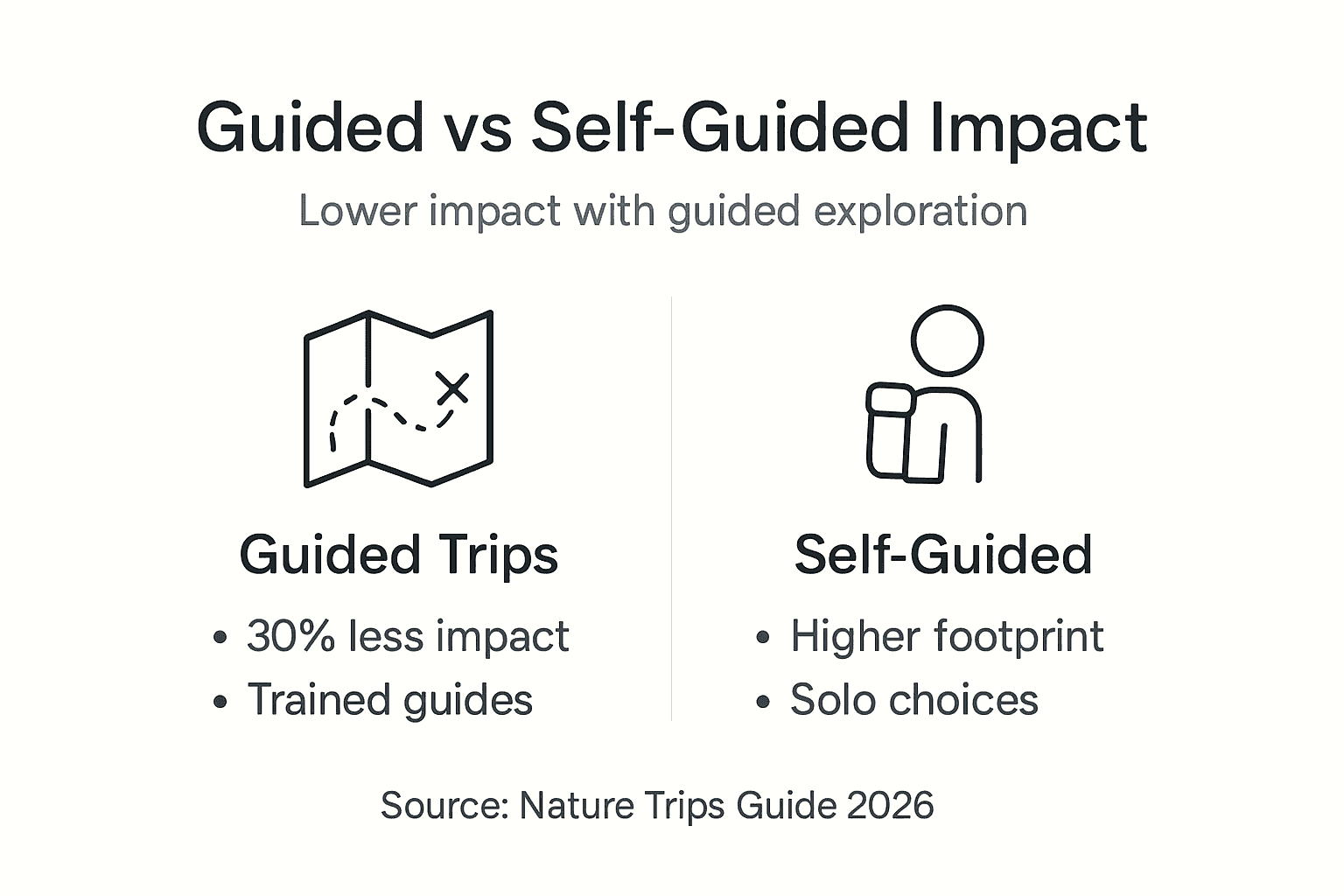
Price differences between guided and self-guided tours can be as low as 5-10% when factoring in value-added services like permits, transport coordination, and emergency support. The cost comparison of tours shows that hidden expenses in self-guided travel often narrow the apparent price gap.
Guided trip advantages:
- Access to expert ecological and cultural knowledge
- Established safety networks and emergency protocols
- Simplified logistics including permits and transport
- Social experience with like-minded travelers
Self-guided trip advantages:
- Complete schedule autonomy
- Solitude and personal pace control
- Lower upfront investment
- Skill-building through independent navigation
Pro Tip: Calculate total trip costs including permits, transport, accommodations, and potential rescue insurance. Compare this against guided tour packages offering the same duration and destinations. The value proposition often favors guided vs self-guided tours when comprehensive services are included.
Safety Protocols and Environmental Responsibility
Professional guides implement structured safety measures that significantly reduce accident risks. Guided tours limit group sizes and enforce safety protocols, reducing accidents by up to 40% through proactive hazard management and participant monitoring.
Core safety practices include:
- Group size limits (typically 8-12 participants) ensuring adequate supervision
- Pre-trip briefings covering terrain challenges and emergency procedures
- First aid certification and emergency communication devices
- Weather monitoring with contingency plans for sudden changes
- Regular participant check-ins assessing fatigue and capability levels
Environmental responsibility extends beyond personal behavior to systemic conservation support. Guides educate participants about protected zones, explain why certain areas remain off-limits, and demonstrate how individual actions accumulate into collective impact. This education transforms casual hikers into informed advocates.
“Guided tours reduce accident rates by 40% while simultaneously minimizing ecological disturbance through education and controlled group behavior, creating safer experiences that protect both people and nature.”
Guides balance adventure with conservation by selecting routes that minimize sensitive habitat disturbance, timing visits to avoid wildlife breeding seasons, and enforcing strict waste management protocols. They demonstrate expert ecological guidance that participants can apply to future independent travels.
Eco travel best practices taught during guided trips include proper food storage in bear country, noise reduction near bird nesting sites, and understanding why even biodegradable items shouldn’t be left in wilderness areas.
Customization and Accessibility of Nature Trips
Modern guided tours shatter the rigid itinerary stereotype through extensive customization options. Tour operators adapt experiences to diverse physical abilities, learning interests, and group dynamics without sacrificing quality or safety.
Customization possibilities include:
- Daily distance adjustments from 5-kilometer family walks to 20-kilometer endurance treks
- Pace modifications accommodating varied fitness levels within single groups
- Educational focus areas emphasizing botany, geology, wildlife, or cultural history
- Cultural add-ons combining nature exploration with regional cuisine or traditional crafts
- Accessibility accommodations for mobility-impaired participants where terrain permits
Family-friendly trips feature shorter distances, frequent breaks, and interactive learning activities keeping children engaged. Guides skilled in youth education transform hikes into scavenger hunts or nature detective games. Multi-generational groups benefit from flexible pacing that respects different endurance levels.
Adventurous travelers access challenging terrain with expert route-finding and technical skill support. These trips might include via ferrata climbing, glacier traverses, or multi-day wilderness camping where guides provide specialized equipment and instruction.
Pro Tip: Discuss your specific needs, concerns, and goals with tour providers during booking. Mention any medical conditions, mobility limitations, or particular interests. Operators can recommend suitable trips or modify existing itineraries to match your requirements perfectly.
Customized nature tours demonstrate how personalization maintains the freedom many travelers seek while adding expert support. Customized tour ideas show creative approaches blending nature exploration with cultural immersion across Central European destinations.
Common Misconceptions About Guided Nature Trips
Several persistent myths discourage travelers from considering guided options despite evidence contradicting these beliefs. Addressing misconceptions with data helps you make informed decisions based on reality rather than assumptions.
Myth vs. Reality:
-
Myth: Guided trips cost significantly more than independent travel. Reality: Cost differences are often overestimated; guided tours provide value that offsets small price gaps through included services, permits, and expertise.
-
Myth: Groups move too slowly for experienced hikers. Reality: Tour operators offer difficulty-rated trips matching various fitness levels, and many adventures challenge even seasoned outdoor enthusiasts.
-
Myth: Guides restrict freedom and dictate rigid schedules. Reality: Modern tours incorporate flexibility, allowing personal exploration time and accommodating spontaneous route adjustments based on group interests.
-
Myth: Only beginners need guided trips. Reality: Expert guides enhance experiences for all skill levels through ecological knowledge, access to restricted areas, and cultural insights impossible to gain independently.
-
Myth: Large groups damage nature more than solo travelers. Reality: Educated groups following Leave No Trace principles cause less cumulative damage than uninformed individuals dispersed across sensitive areas.
Understanding these realities helps overcome hesitation about guided trip myths and recognize how professional leadership complements rather than constrains adventure. The safety data alone justifies consideration, with accident reduction statistics demonstrating tangible benefits beyond convenience.
Conclusion: Making the Most of Your Next Nature Trip
Guided nature trips through Central Europe offer compelling advantages for travelers prioritizing safety, environmental responsibility, and deep learning experiences. Expert guides reduce ecological impact, enhance personal safety, and unlock insights that transform scenic walks into memorable educational adventures.
Successful trip planning combines research about specific destinations with honest assessment of your physical capabilities and interests. Seasonal timing affects wildlife visibility and weather comfort significantly. Customization options ensure tours match your pace and focus preferences whether traveling solo, with family, or in specialized interest groups.
Environmental stewardship matters increasingly as visitor numbers grow across protected areas. Choosing Next View Tours means supporting operators committed to sustainable practices while enjoying expertly guided adventures through Austria’s Alps, Slovakia’s Tatras, and the Czech Republic’s unique landscapes. Your next nature trip can deliver both personal fulfillment and positive conservation impact.
Explore Expert-Led Nature Trips with Next View Tours
Next View Tours specializes in tailored nature experiences across Central Europe’s most stunning landscapes. Our expert local guides bring decades of regional knowledge, ensuring safe, enriching adventures that respect fragile ecosystems while delivering unforgettable memories.
Whether you seek family-friendly valley walks, challenging mountain treks, or customised tours blending nature with cultural immersion, our flexible itineraries adapt to your interests and abilities. Explore various trip types from day excursions to multi-day wilderness adventures across Austria, Slovakia, and the Czech Republic. Visit the Next View Tours website to browse upcoming departures, request custom itineraries, and start planning your next guided nature adventure with confidence.
FAQ
What is a guided nature trip?
A guided nature trip involves exploring natural areas with an expert who provides education, safety supervision, and organized travel. Guides enhance your experience by sharing knowledge about local ecology, wildlife behavior, geological features, and cultural history. They handle logistics including permits, transport, and route planning while you focus on enjoyment and learning.
How much more expensive are guided nature trips compared to self-guided?
Guided tours often have a modest price premium because they include expertise, transport, safety support, and permits. Price differences can be as low as 5-10% compared to self-guided tours when evaluating total value. Hidden costs in independent travel like rescue insurance, permit fees, and transport coordination often narrow the apparent pricing comparison gap significantly.
Are guided nature trips suitable for families with children?
Yes, many guided trips offer shorter distances and educational content tailored for children. Custom tours can adjust pace and activities to suit family needs, transforming hikes into interactive learning experiences. Guides skilled in youth education keep children engaged through games, scavenger hunts, and age-appropriate nature interpretation. Family-friendly tour options accommodate various ages and fitness levels within single itineraries.
How do guided tours benefit nature conservation?
Guides enforce sustainable practices to minimize ecological disturbance through education about fragile ecosystems and controlled group behavior. Guided trips reduce environmental impact by up to 30% through education and controlled behavior compared to unguided hiking. This educational focus increases participant awareness and reduces negative impacts like off-trail wandering, wildlife disturbance, and improper waste disposal. The eco benefits of guided trips extend beyond individual tours as educated travelers apply learned principles to future adventures.


Comments are closed