 Uncategorized
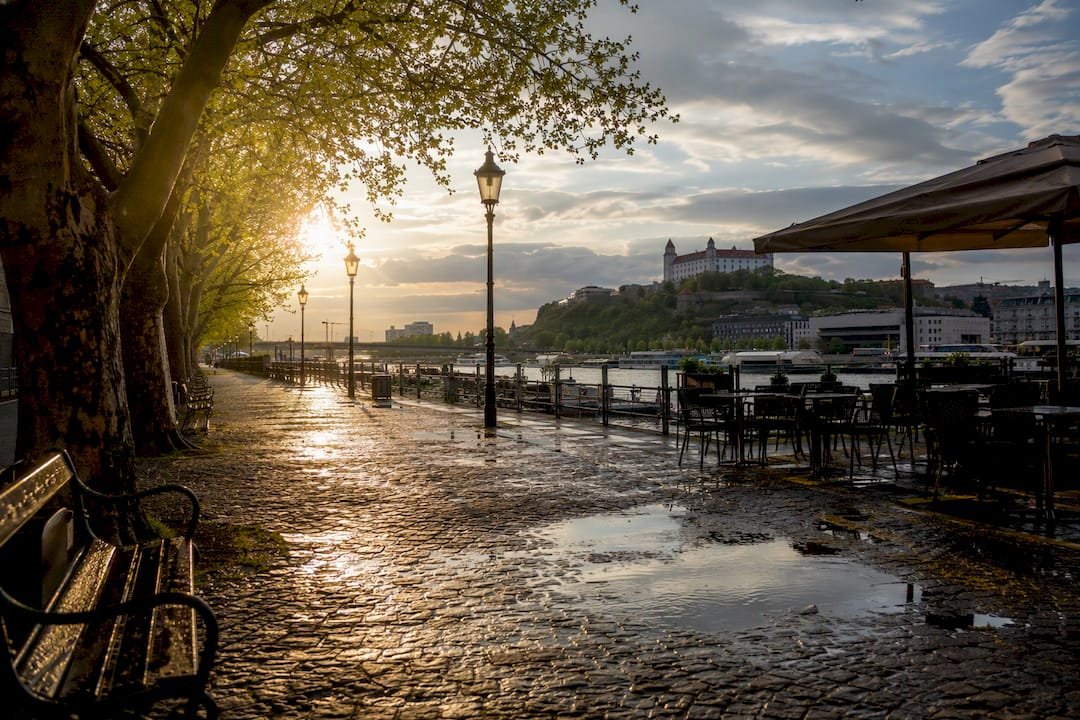
The best time to visit Bratislava is April through May or September through October, when mild temperatures, thinner crowds, and full-service terraces line up with the lowest hotel rates outside the depths of winter. Summer rewards you with long evenings and festival energy but brings heat and Danube cruise crowds spilling over from Vienna and Prague. Winter, especially December, trades warmth for Christmas markets and some of the year’s best-value nights.
TL;DR:
- Visiting in May or September offers the best combination of mild weather, manageable crowds, and full seasonal services, avoiding peak summer heat and holiday traffic.
- April and early October provide lighter tourist flow and favorable conditions for outdoor activities, but weather can be unpredictable with rain showers and lingering snow at higher elevations.
- Winter months, especially January and February, feature the lowest hotel prices and fewer crowds, but travelers should prepare for cold temperatures and shorter daylight hours.
- Summer (June to August) sees the highest visitor numbers, with long evenings and festivals, but heat spikes and packed riverboat crowds may diminish comfort and authenticity.
- December offers festive Christmas markets and a lively holiday atmosphere, though cold nights and post-holiday quiet periods follow the peak season.
Table of Contents
- Best Time to Visit Bratislava at a Glance
- What Does Bratislava Feel Like Month by Month?
- How Does Bratislava’s Microclimate Affect Trip Planning?
- When Should You Plan for Festivals, Hikes, and Markets?
- How Do Crowds and Prices Shift Through the Year, and What Should You Pack?
- How Do You Pick the Right Month for Your Trip?
- How Next View Tours Times Bratislava Itineraries by Season
- Ready to Time Your Bratislava Trip Right?
- Sources
Best Time to Visit Bratislava at a Glance
If you want the short version before digging into monthly detail, here’s how the calendar breaks down:
- May — warm days with comfortable temperatures, blooming parks, moderate crowds. Best for first-timers and photography.
- September — stable, clear weather and grape harvest season. Best for wine lovers and hikers.
- April — early blossoms, cooler evenings, lighter tourist traffic. Best for budget-conscious travelers.
- December — Christmas markets, mulled wine, festive lighting. Best for holiday atmosphere despite cold nights.
- Avoid peak July and August weekends if you dislike heat spikes or crowded riverboats; short-break travelers from Vienna and the Czech Republic flood the Old Town on Fridays and Saturdays.
What Does Bratislava Feel Like Month by Month?
Bratislava’s calendar moves fast. Spring arrives in a rush, autumn shuts the door on patio season almost overnight, and winter has two distinct moods: festive and frozen.
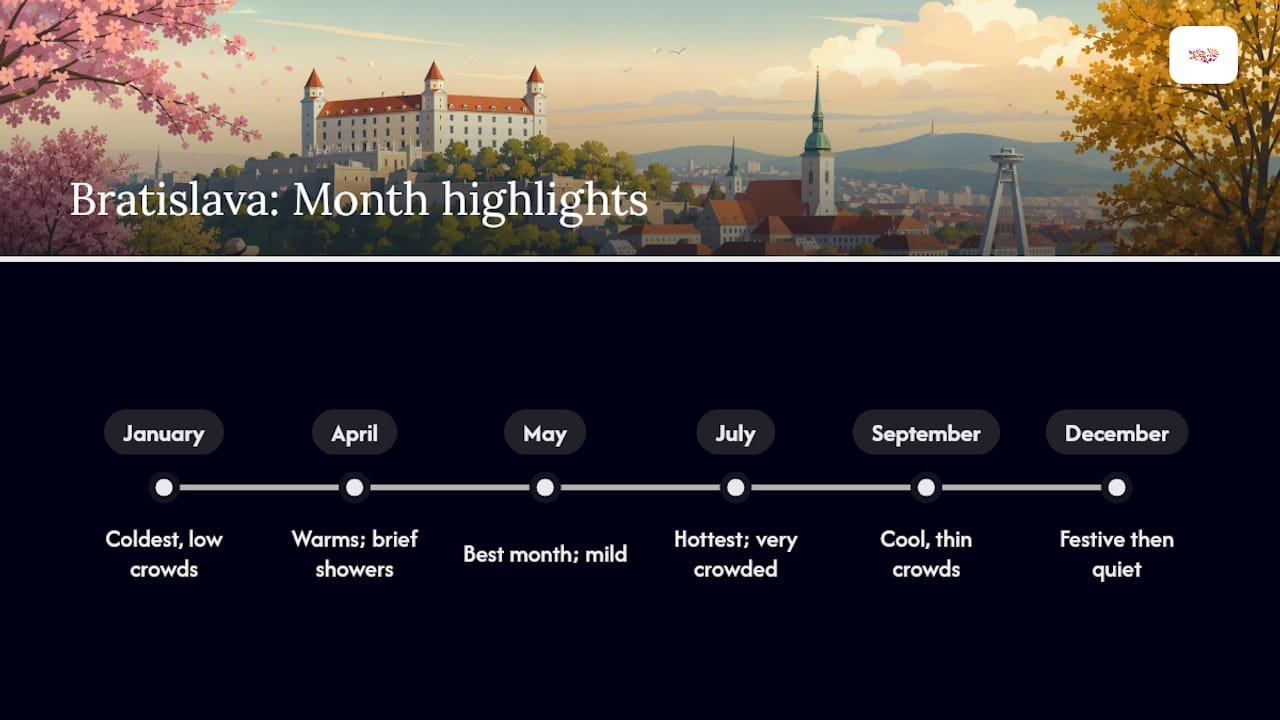
January brings the coldest stretch, with average lows around freezing and short daylight hours. Snow is common but rarely severe, and some open-air attractions run reduced hours. It’s also one of the cheapest months to fly and book hotels.
February stays cold but starts stretching daylight noticeably by month’s end. Crowds are minimal, making it a quiet month for museum visits and coffeehouse culture.
March is transitional and unpredictable. You might get a 60°F afternoon followed by a raw, windy one. Trees stay bare in the city through most of the month.
April warms quickly. Parks along the Danube green up, café terraces reopen, and rain showers become more frequent but brief. Higher elevations in the nearby Small Carpathians can still hold patches of snow even as the city center feels like spring.
May is widely considered the strongest single month, combining comfortable daytime temperatures with manageable crowds and full seasonal services. Boat trips, walking tours, and outdoor dining all run at full capacity without the July surge.
June kicks off proper summer, with long evenings and sunset stretching past 8:00 PM. Afternoon thunderstorms become more common, arriving fast and clearing just as quickly.
July and August are the hottest months, with highs pushing into the low 80s. These months also bring the heaviest visitor density and weekend spikes from nearby capitals, so Old Town streets and river cruises get genuinely packed on Saturdays.
September cools gracefully. Skies stay clear, humidity drops, and the wine harvest around the Small Carpathians adds a seasonal draw. Crowds thin out noticeably compared to August.
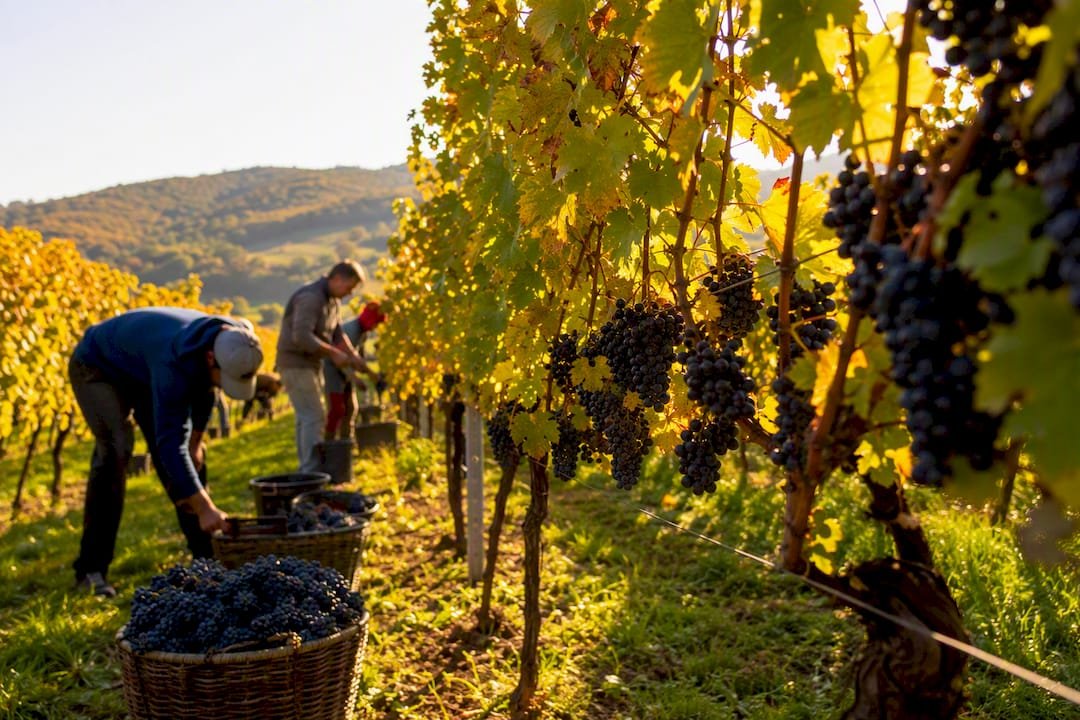
October holds onto mild afternoons through the first half, then turns crisper and rainier by month’s end. This is prime foliage season for hiking the hills above the city.
November turns gray and damp, with the wettest stretches of the year alongside May’s rainy patterns. It’s a low-key month until Christmas markets begin opening near the end.
December splits into two halves: a festive, market-driven first three weeks and a quieter, colder post-holiday stretch. Advent weekends draw the year’s second wave of visitor traffic, right after summer.
How Does Bratislava’s Microclimate Affect Trip Planning?
Bratislava sits in a Cfb marine climate zone, meaning warm summers and mild, wet winters rather than extremes. The annual average temperature runs about 54.6°F, with August as the warmest month at roughly low 80s Fahrenheit highs and January the coldest at around freezing lows. May is technically the wettest month on average, and the city logs numerous rainy days per year, so packing a compact umbrella matters even in supposedly dry months.
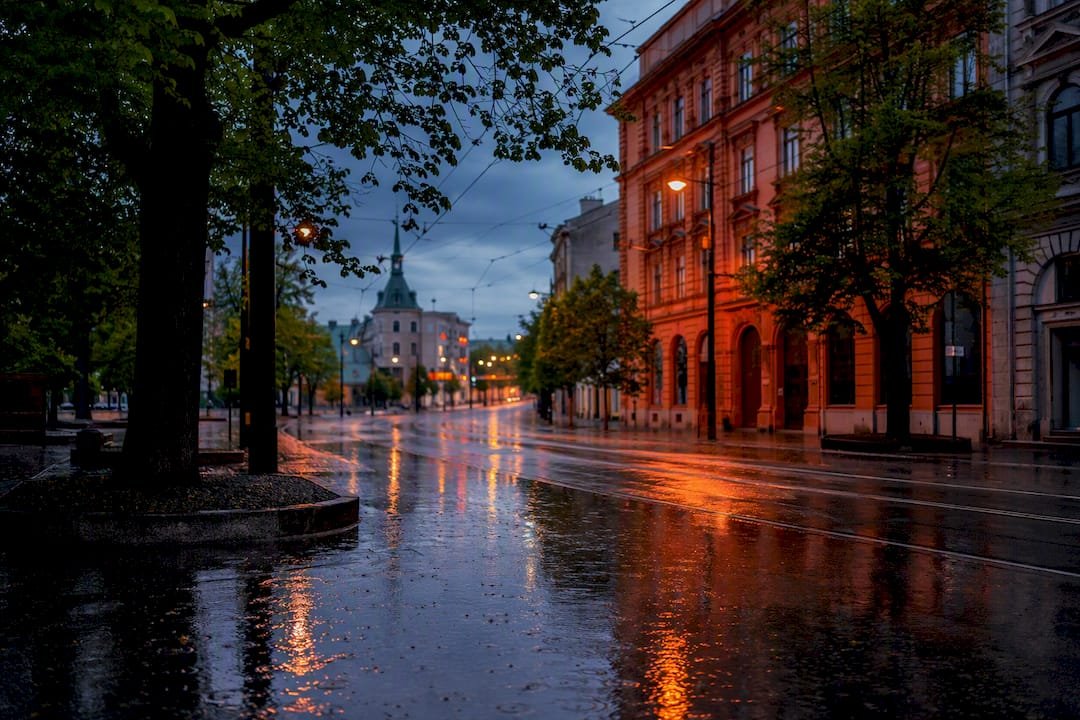
The Danube lowland where the city center sits warms up faster each spring than the forested hills just north of downtown. VisitBratislava’s own seasonal guidance notes that urban promenades can be fully green while higher Small Carpathian trails still carry snow patches into April. If hiking is part of your plan, check trailhead conditions separately from the city forecast. Pack layers, a rain shell, and shoes with real traction rather than sandals.
When Should You Plan for Festivals, Hikes, and Markets?
Each season in Bratislava rewards a different kind of traveler:
- Spring (April–June): Riverside walks, early food festivals, and blooming parks along the Danube promenade. Crowds stay light through May.
- Summer (June–August): Boat trips, rooftop terraces, and open-air concerts fill long evenings, but afternoon storms and weekend crowds from Vienna and Prague can crowd the Old Town fast.
- Autumn (September–October): Wine harvest events in the Small Carpathians, sharp autumn light for photography, and some of the year’s clearest skies with noticeably fewer tourists.
- Winter (December–February): Christmas markets dominate December, while January and February offer the year’s best hotel rates once the holiday rush fades.
Travelers chasing local flavor might also enjoy pairing a Bratislava trip with nearby food-focused stops. Regional gastronomy guides covering autumn harvest traditions elsewhere in Europe offer a useful template for what to look for during Slovakia’s own harvest season.
How Do Crowds and Prices Shift Through the Year, and What Should You Pack?
Prices follow a predictable rhythm: peak summer (July–August) and Christmas market weekends in December carry the highest hotel rates and the tightest availability, shoulder months (spring and autumn) sit in the middle, and deep winter (January–February, outside the holidays) delivers the lowest prices of the year.
For trip length, most first-time visitors get a satisfying visit in one to two full days, while three or more days allows a side trip into the Small Carpathians wine country or a combined stop with Vienna. Bratislava sits close enough to Vienna that a day trip works well most of the year, though operators shift departure and return times seasonally to match daylight.
- Book accommodations 6 to 8 weeks ahead for summer weekends or Advent in December.
- Pack a lightweight rain shell and layers for spring and autumn’s swinging temperatures.
- Bring sturdy walking shoes if you’re combining city sightseeing with Small Carpathian hikes.
- Reserve popular river cruises and walking tours in advance during July and August.
Pro Tip: If you’re combining Bratislava with Vienna, check your day-trip departure time before booking. Summer trips often run later to take advantage of extended daylight, while winter departures shift earlier to fit shorter days.
How Do You Pick the Right Month for Your Trip?
Match your priorities to the calendar before you book:
- Want the best weather with fewest surprises? Choose May or September.
- Traveling on a tight budget? Target January, February, or early April.
- Chasing festivals and long evenings? Book June through August, but expect weekend crowds.
- Want Christmas markets? Go the first three weeks of December.
- Planning to hike the Small Carpathians? Wait until late April or May once trail snow clears.
Once you’ve picked a window, check local event calendars, then lock in flights and any guided tours.
How Next View Tours Times Bratislava Itineraries by Season
A May vineyard walk through the Small Carpathians looks nothing like a September hike through the same hills once harvest color sets in, and neither resembles a December half-day built around Christmas market stalls. Next View Tours structures day trips from Vienna and private Bratislava itineraries around exactly these shifts, adjusting pacing, outdoor time, and departure windows to match what each season actually offers.
— Next
Ready to Time Your Bratislava Trip Right?
Planning around Bratislava’s shoulder seasons takes more than picking good dates. It means knowing which boat departures run on schedule in May, which Old Town routes stay quiet in September, and which market stalls open first in December. Next View Tours builds that seasonal knowledge into every itinerary, so you skip the guesswork on timing, reservations, and weather-driven backup plans. Whether you want a single day trip from Vienna or a fully private tour built around your travel window, explore the available trip types and lock in dates that match the season you actually want to experience.


Comments are closed