

 Group Tour
Planning a group tour in Europe can feel like juggling a dozen moving parts at once. From coordinating accommodations for multiple travelers to ensuring everyone has the right documents and gear, the details pile up fast.
Without a clear roadmap, even experienced travel enthusiasts risk overlooking critical steps that can derail a trip. A comprehensive checklist transforms this complexity into manageable action items, helping you stay organized, avoid common pitfalls, and focus on what matters most: enjoying the journey with your group. This guide walks you through essential checklist items that will set your European group adventure up for success.
Table of Contents
- Key takeaways
- Set the foundation: choosing accommodations and leadership roles
- Documents, packing essentials, and pre-departure preparations
- Avoid common pitfalls: itinerary planning and on-the-ground tips
- Choosing your group tour type: DIY, coach tours, or escorted trips
- Explore group tour options with Next View Tours
- Frequently asked questions
Key Takeaways
| Point | Details |
|---|---|
| Group rate accommodations | Book central hotels or apartments with group rates near public transport to keep everyone together and simplify daily logistics. |
| Assign clear leadership roles | Appoint a group leader early and assign responsibilities for communication, finances, and daily logistics to prevent confusion. |
| Documents and visas | Make sure every traveler has a passport valid at least six months after return, obtain any required visas, and allow 90 to 120 days for Schengen processing. |
| Travel insurance coverage | Purchase comprehensive travel insurance that covers preexisting conditions, trip cancellation, medical emergencies, and evacuation, and verify the policy covers all countries on your itinerary. |
| Slack days included | Intentionally schedule rest days to keep the group refreshed and prevent exhaustion during intense travel periods. |
Set the foundation: choosing accommodations and leadership roles
Your group’s home base can make or break the entire trip experience. Book central accommodations together for groups by prioritizing hotels or apartments with group rates located near public transport. This approach keeps everyone together and dramatically simplifies daily logistics. When evaluating properties, verify room capacity and arrangements to accommodate families or varying group sizes. A centrally located base reduces transit time and creates natural gathering points for the group.
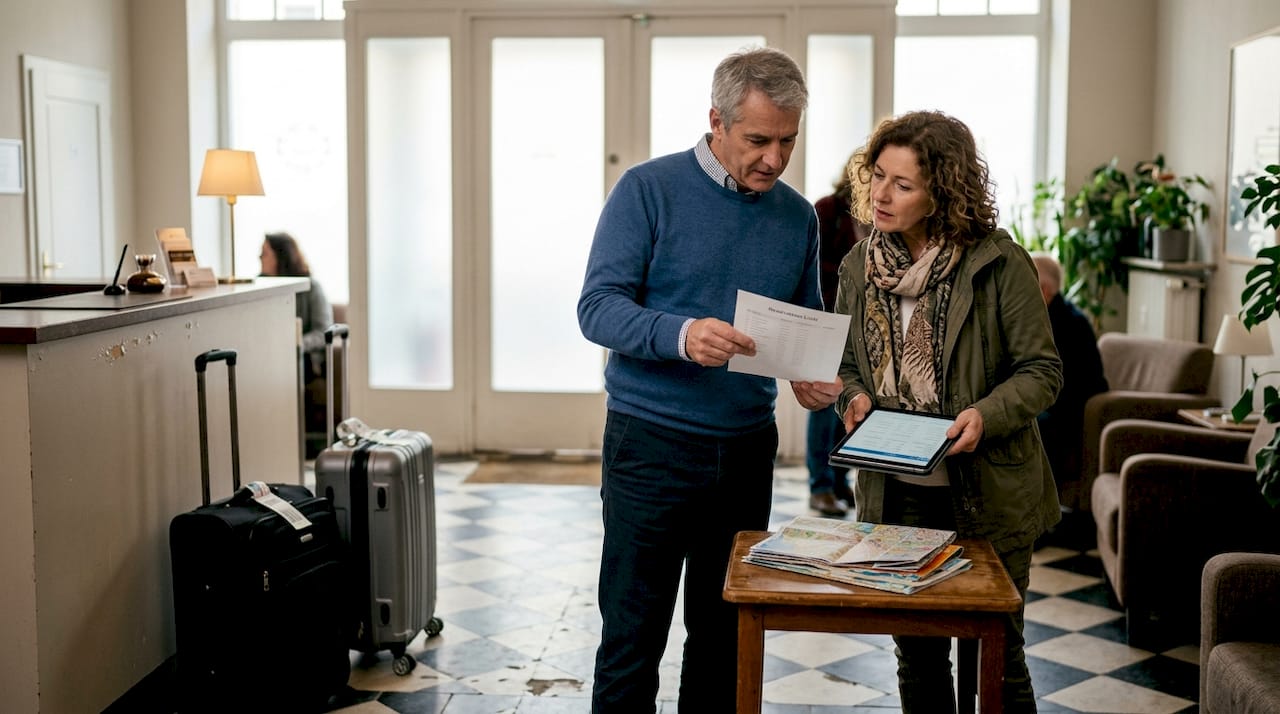
Leadership structure matters just as much as where you sleep. Appoint a group leader early and assign specific roles for managing communication, finances, and daily logistics. This prevents the chaotic “too many cooks” scenario where no one takes ownership. Use centralized apps or group chats to share the group tours preparation guide, itinerary updates, documents, and emergency contact information. Everyone should know exactly where to find critical information at any moment.
Defining group purpose and expectations upfront minimizes conflicts down the road. Are you prioritizing cultural immersion, adventure activities, or relaxed exploration? Clarify the trip’s core focus and discuss pace preferences before booking anything. Some travelers want to maximize every minute while others prefer leisurely mornings and spontaneous detours. Understanding these differences early helps you design an itinerary that satisfies the group rather than frustrating half your travelers. Check out the group tours definition guide to align on what type of experience you’re creating together.
Pro Tip: Create a shared spreadsheet with accommodation details, emergency contacts, and daily meeting points. Pin it in your group chat so everyone can access it offline during travel.
Documents, packing essentials, and pre-departure preparations
Nothing derails a group trip faster than document issues at the airport. Every traveler needs passports valid for at least six months beyond your return date, along with necessary visas. For Schengen zone travel, apply 90 to 120 days before departure to avoid processing delays. One person with expired documents can throw off the entire group’s plans, so build in buffer time for renewals.
Travel insurance isn’t optional for group tours. Purchase comprehensive coverage that includes pre-existing conditions, trip cancellation, and medical emergencies. Group policies sometimes offer better rates than individual plans, so explore bundled options. Verify that your policy covers all countries on your itinerary and includes evacuation coverage for remote areas.
Packing strategy directly impacts your mobility and comfort throughout the trip. Bring versatile layers that work for multiple weather scenarios, comfortable walking shoes broken in before departure, universal power adapters, and essential medications with prescriptions. Use anti-theft bags for valuables and pack light, especially for coach tours or itineraries with multiple destinations. Dragging oversized luggage through cobblestone streets or cramped train aisles creates unnecessary stress for the entire group.
Schedule a virtual group briefing 30 days before departure to confirm all details and address lingering questions. This meeting should cover final itinerary changes, payment status, packing reminders, and local customs. Use this time to check for local holidays or closures that might affect planned activities. A well-informed group travels more smoothly and adapts better to unexpected changes.
Pro Tip: Create a shared packing list in a collaborative document where group members can check off items and share recommendations. This prevents duplicate purchases and ensures no one forgets critical gear.
Avoid common pitfalls: itinerary planning and on-the-ground tips
Most group travel headaches are completely preventable with smart advance planning. Research shows 67% of road trip issues can be avoided through proper preparation and realistic expectations. The biggest mistake? Overloading your itinerary with back-to-back activities that leave no breathing room. Build in at least one slack day per week where the group can sleep in, explore independently, or simply relax. This prevents the exhaustion that turns travel companions into cranky zombies by day five.
Advance reservations save money and sanity. Book timed entry tickets for popular attractions three to four months ahead to secure your preferred time slots and avoid surcharges. Train reservations in Europe can add €10 to €30 in extra fees if you wait until the last minute, and some routes sell out entirely during peak season. Reserve early and lock in better prices while maintaining schedule flexibility.
Cultural awareness enhances your experience and shows respect for local communities. Europeans typically eat dinner later than Americans, with restaurants often opening around 7 or 8 PM. Arriving at 5:30 PM expecting service marks you as a clueless tourist. Similarly, understand local customs around tipping, public behavior, and dress codes for religious sites. These small adjustments demonstrate cultural sensitivity and often lead to warmer interactions with locals.
Group dynamics require active management throughout the trip. Allow solo time for individuals who need breaks from constant togetherness. Prepare for variable weather by checking forecasts daily and adjusting plans accordingly. Stay alert in crowded tourist areas where pickpockets target distracted groups. Refer to the group travel planning workflow for systematic approaches to managing these details, or explore the european travel workflow for region-specific strategies.
“The best group trips balance structured activities with unplanned moments. Rigid schedules create stress, while too much flexibility leads to decision paralysis. Find your group’s sweet spot between the two extremes.”
Pro Tip: Designate a daily “navigator” who rotates among group members. This person leads the group to destinations using maps and transit apps, building confidence and preventing over-reliance on one person.
Choosing your group tour type: DIY, coach tours, or escorted trips
Selecting the right tour format shapes your entire experience. DIY group tours offer maximum flexibility and control over every detail, but they can overwhelm coordinators with logistics and require significant planning time. You’ll research every restaurant, book every ticket, and troubleshoot every hiccup without professional support. This works brilliantly for experienced travelers with time to invest but can spiral into chaos for first-time group organizers.
Coach tours provide budget-friendly access to multiple destinations with included transportation and accommodations. However, these tours often pack schedules tightly, leaving little room for spontaneous exploration or rest. You’ll hit major highlights efficiently but may feel rushed through experiences. Large coach groups of 40 plus travelers also limit personal interaction and flexibility for individual preferences.
Escorted small group tours with 18 to 24 people strike a balance between social connection and personalized attention. These tours work exceptionally well for first-time European travelers who want expert guidance without sacrificing intimacy. Professional tour leaders handle logistics while you focus on enjoying the experience. The smaller group size allows for meaningful conversations and easier coordination than massive coach tours.
| Tour Type | Group Size | Flexibility | Planning Burden | Best For |
|---|---|---|---|---|
| DIY | Any size | Maximum | High | Experienced travelers with time |
| Coach Tours | 40+ people | Limited | Minimal | Budget-conscious, first-timers |
| Escorted Small Group | 18-24 people | Moderate | Low | Social travelers wanting support |
Consider your group’s experience level, budget constraints, desired activity pace, and need for independence when choosing. A group of seasoned travelers might thrive with DIY freedom, while mixed-experience groups often benefit from professional guidance. Review the choose group tours resource for detailed comparisons, or explore the group vs private tours guide to understand how private options might better serve smaller parties.
Pro Tip: Survey your group about their travel style preferences before committing to a tour type. A quick poll about preferred wake-up times, activity levels, and budget ranges reveals whether your group aligns better with structured or flexible formats.
Explore group tour options with Next View Tours
Now that you understand the essential checklist items and tour format options, finding the right partner makes all the difference. Next View Tours specializes in expertly designed group adventures across Europe, offering everything from day trips to multi-week journeys tailored to diverse preferences and budgets. Their experienced guides handle the logistics you’ve learned about in this checklist, allowing your group to focus on creating memories rather than managing details.
Explore their extensive trip types to discover options matching your group’s unique style, whether you’re seeking adventure tours, cultural immersion, or relaxed exploration. Access detailed resources through their group tours preparation guide to ensure every member arrives ready for the experience. Booking with Next View Tours connects you with knowledgeable support teams who understand the nuances of European group travel, from navigating Schengen visa requirements to recommending the perfect centrally located accommodations. Visit the group tours definition guide to clarify exactly what type of experience aligns with your vision.
Frequently asked questions
What is the best way to coordinate communication in a group tour?
Use a centralized app or group chat to share your complete itinerary, important documents, and emergency contact plans. Designate one group leader who coordinates information flow and handles questions, preventing the confusion that comes from multiple communication threads. Everyone should know exactly where to find critical details at any moment during the trip.
How far in advance should visas and tickets be arranged for European group tours?
Apply for Schengen visas 90 to 120 days before your departure date to allow adequate processing time and avoid last-minute stress. Reserve timed entry tickets for popular attractions and train reservations three to four months ahead to secure your preferred slots and avoid surcharges that can add €10 to €30 per person.
What are top packing tips for group tours in Europe?
Pack light with versatile layers, comfortable walking shoes you’ve already broken in, universal power adapters, and necessary medications with prescriptions. For trips lasting seven to ten days, aim to travel with carry-on luggage only to maximize mobility through train stations and cobblestone streets. Anti-theft bags protect valuables in crowded tourist areas.
How can groups avoid exhaustion during multi-day European tours?
Include at least one slack day per week in your itinerary where the group can sleep late, explore independently, or simply relax without scheduled activities. Avoid packing every day with back-to-back attractions, which leads to burnout by mid-trip. Build buffer time between activities to account for transit delays and spontaneous discoveries that make travel memorable.
Should our group book accommodations together or separately?
Always book centralized accommodations together to simplify logistics and keep the group connected. Look for properties offering group rates and verify they can accommodate your party’s size and composition, including families or travelers with different room preferences. Staying in the same location eliminates the coordination headaches of meeting up from scattered hotels each morning.
Recommended
- Master European Travel Workflow 2025 for Group Adventures – Next View Tours
- Tour Planning Explained: Unlocking Better European Journeys – Next View Tours
- Benefits of European Tours: Complete Guide for 2024 – Next View Tours
- Best 4 Group Tours Europe Comparison – Expert Comparison 2026 – Next View Tours
- Master immersive cultural experiences: 2026 guide


Comments are closed