

 Uncategorized
The most practical Europe 7 day tour puts you in two or three cities on a single regional route, connected by high-speed trains rather than short-haul flights. That single decision, choosing rail over air for legs under four hours, saves you significant time per leg once airport transfers and security are factored in. The three routes that consistently deliver the best balance of culture, scenery, and manageable travel windows are:
- Western Europe Loop (London–Paris–Amsterdam): Best for first-timers who want iconic landmarks, world-class museums, and the Eurostar experience. The rail links are fast, the cities are walkable, and the contrast between each stop is striking.
- Classic Italy Triangle (Rome–Florence–Venice): Best for food lovers, art enthusiasts, and anyone drawn to Renaissance history. The Frecciarossa high-speed train makes Florence reachable from Rome in under 90 minutes.
- Central Europe Trio (Vienna–Budapest–Prague): Best for travelers who want grand architecture, thermal baths, and a slower, more atmospheric pace at a noticeably lower price point than Western Europe.
For couples, the Central Europe route offers some of the most romantic city pairings on the continent. Browse the sample itineraries below, then check Nextviewtours’ booking options to find the package that fits your group.
Table of Contents
- What are the best 7-day Europe itinerary routes you can book?
- How does a packaged 7-day tour actually work?
- What does a 7-day Europe trip actually cost?
- How do you pick the right itinerary and tour operator?
- A full day-by-day 7-day sample itinerary you can book or copy
- Key Takeaways
- Nextviewtours’ 7-day packages make Europe genuinely manageable
What are the best 7-day Europe itinerary routes you can book?
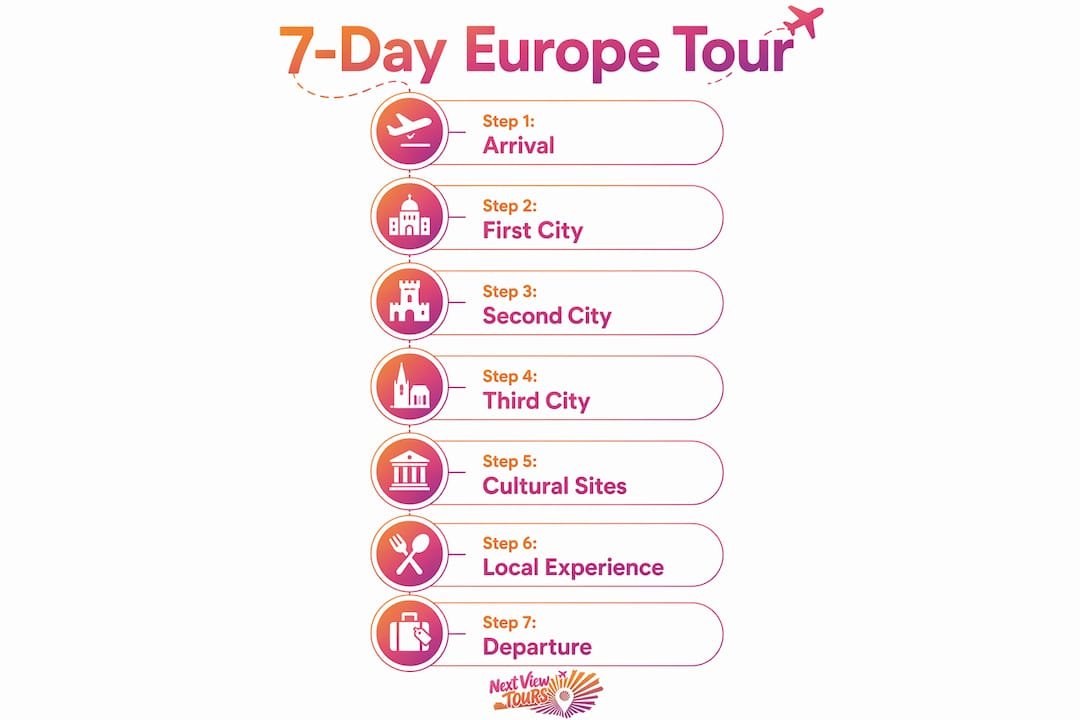
The cards below give you four ready-to-use routes. Each one follows a 3/2/2 or 3/2/1 night rhythm, which keeps you from repacking every day while still covering meaningful ground. Where possible, use open-jaw flights (fly into one city, depart from another) to cut backtracking entirely.
| Route | Nights Split | Best For | Arrival / Departure Airports |
|---|---|---|---|
| London–Paris–Amsterdam | 3 / 2 / 2 | First-timers, iconic landmarks | LHR or LGW in / AMS out |
| Rome–Florence–Venice | 3 / 2 / 2 | Food lovers, art, history | FCO in / VCE out |
| Vienna–Budapest–Prague | 3 / 2 / 2 | Architecture, value, atmosphere | VIE in / PRG out |
| Brussels–Bruges–Amsterdam | 2 / 2 / 3 | Culinary travel, canals, art | BRU in / AMS out |
Western Europe loop: London–Paris–Amsterdam
Days 1–3 (London, 3 nights)
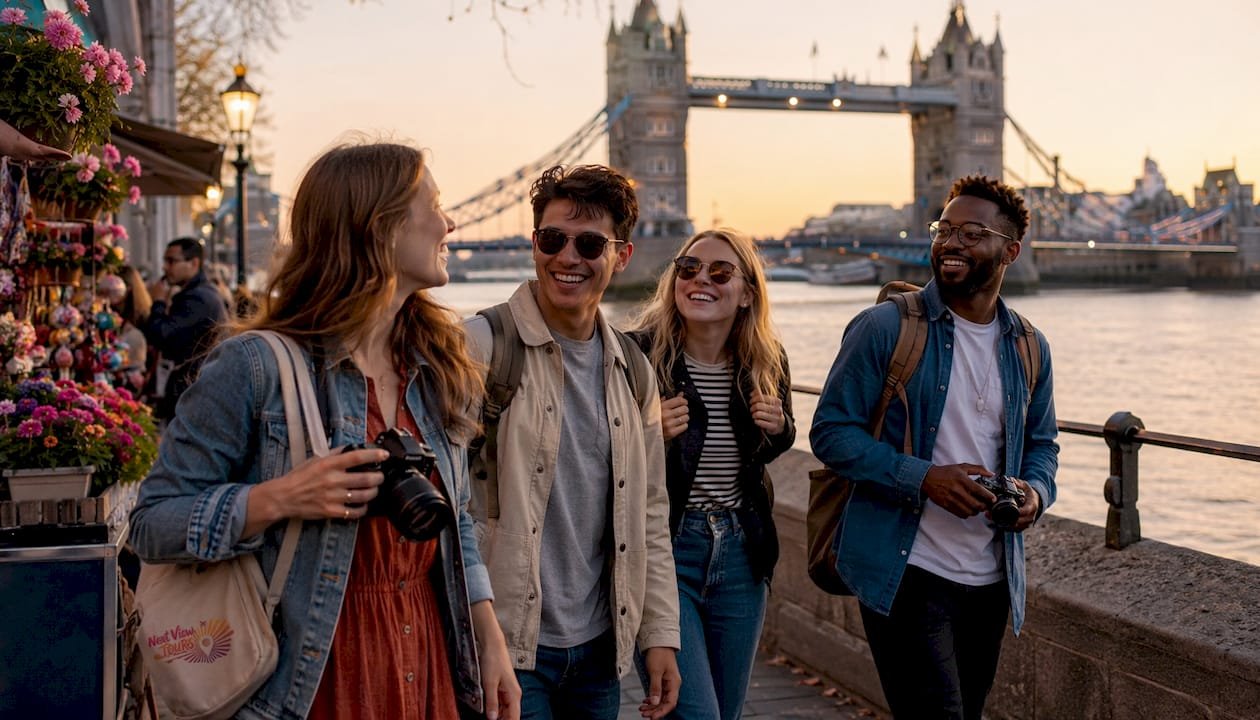
Morning: Arrive at Heathrow or Gatwick; check in near central London. Afternoon: Walk the South Bank, cross Tower Bridge, and take in views from the Tate Modern terrace. Day 2: Westminster Abbey and the Churchill War Rooms in the morning, Borough Market for lunch, National Gallery in the afternoon. Day 3: Half-day at the British Museum, then an afternoon train to Paris via Eurostar (approximately 2 hours 15 minutes, St. Pancras to Gare du Nord).
Days 4–5 (Paris, 2 nights)
Morning: Musée d’Orsay timed entry (book at least two weeks ahead). Afternoon: Walk from Saint-Germain-des-Prés to the Eiffel Tower. Day 5: Louvre in the morning (timed entry required), afternoon in Le Marais, evening Thalys or Intercités train to Amsterdam (approximately 3 hours 30 minutes).
Days 6–7 (Amsterdam, 2 nights)
Day 6: Anne Frank House (timed entry essential, book weeks in advance), Jordaan neighborhood, canal boat tour. Day 7: Rijksmuseum morning, afternoon free for the Albert Cuyp Market or a day trip to Haarlem. Depart from Amsterdam Schiphol.
Estimated intercity travel: London to Paris ~2 hr 15 min by Eurostar; Paris to Amsterdam ~3 hr 30 min by Thalys. Both rail links are city-center to city-center, with no airport transfers needed.
Best for: First-time visitors to Europe, travelers who want maximum name recognition in a single week.
Classic Italy triangle: Rome–Florence–Venice
Days 1–3 (Rome, 3 nights)
Day 1: Arrive at Fiumicino (FCO), afternoon at the Colosseum and Roman Forum (timed entry required). Day 2: Vatican Museums and St. Peter’s Basilica in the morning (book skip-the-line entry), Trastevere in the evening. Day 3: Borghese Gallery (strict timed entry, book weeks ahead), afternoon at Piazza Navona, then board the Frecciarossa to Florence (approximately 1 hour 30 minutes).
Days 4–5 (Florence, 2 nights)
Day 4: Uffizi Gallery (timed entry), Ponte Vecchio, Oltrarno neighborhood. Day 5: Accademia Gallery for Michelangelo’s David, afternoon at the Boboli Gardens, evening Frecciarossa to Venice (approximately 2 hours).
Days 6–7 (Venice, 2 nights)
Day 6: Doge’s Palace and St. Mark’s Basilica in the morning, gondola or traghetto ride, afternoon in Dorsoduro. Day 7: Rialto Market early morning, afternoon free, depart from Venice Marco Polo (VCE).
Best for: Food lovers, art and history enthusiasts, culinary experience travelers who want to pair world-class museums with regional cuisine.
Central Europe trio: Vienna–Budapest–Prague
Days 1–3 (Vienna, 3 nights)
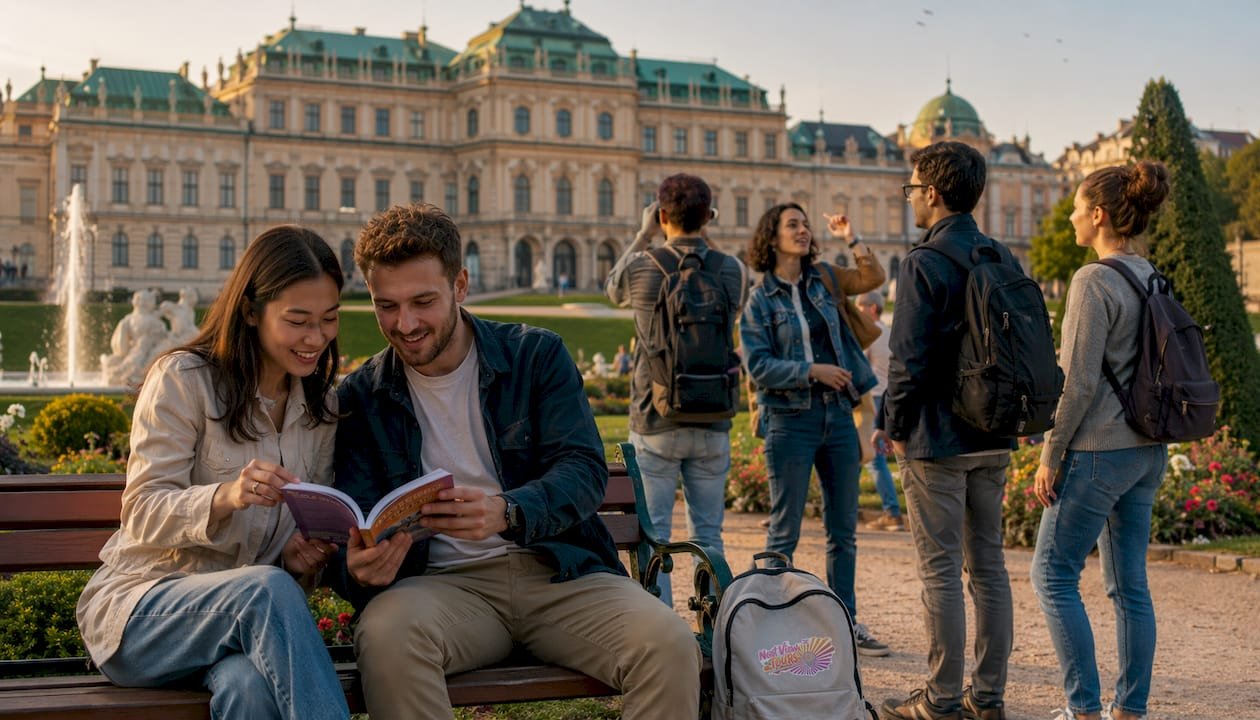
Day 1: Arrive at Vienna International (VIE), Belvedere Palace and its Klimt collection in the afternoon. Day 2: Kunsthistorisches Museum, Naschmarkt, evening at a Viennese coffee house. Day 3: Schönbrunn Palace in the morning, then a train to Budapest (approximately 2 hours 30 minutes).
Days 4–5 (Budapest, 2 nights)
Day 4: Fisherman’s Bastion and Matthias Church on the Buda side, thermal bath visit (Széchenyi or Gellért) in the afternoon. Day 5: Hungarian Parliament tour, Great Market Hall, evening Danube cruise, then an overnight or early-morning train to Prague.
Days 6–7 (Prague, 2 nights)
Day 6: Prague Castle and St. Vitus Cathedral in the morning, Charles Bridge and Old Town Square in the afternoon. Day 7: Josefov (Jewish Quarter), afternoon free, depart from Václav Havel Airport (PRG).
Best for: Travelers who want grand imperial architecture and a lower daily cost than Western Europe, and anyone who appreciates a slower, more contemplative pace.
Belgian sampler: Brussels–Bruges–Amsterdam
This route suits travelers who want culinary travel woven into their itinerary. Brussels offers world-class chocolate and beer culture; Bruges delivers medieval canals and lace workshops; Amsterdam closes with museums and the Jordaan. Intercity trains run frequently and take under two hours between each stop, making this the most relaxed pacing of the four routes.
Best for: Food and culture enthusiasts, couples, and travelers who prefer depth over distance.
How does a packaged 7-day tour actually work?
A well-structured packaged tour converts what would otherwise be a multi-tab booking project into a single reservation with predictable on-the-ground support. The logistics value is real: operators handle hotel changes, intercity transfers, and guided entries so you spend your time experiencing cities rather than managing them.
What’s typically included
Most operator-style packages cover the following:
- Centrally located hotels (usually 3-star or 4-star, chosen for walkability)
- Daily breakfast at the hotel
- All intercity transfers by coach or high-speed rail
- At least one guided city walking tour or museum entry per destination
- Airport or station transfers on arrival and departure days
- A local guide or tour manager throughout
What’s usually excluded
- International airfare (you book your own transatlantic flights)
- Seat reservations on high-speed trains (sometimes charged separately)
- Most lunches and dinners beyond breakfast
- Local city tourism taxes (paid directly at hotels, typically €1–€5 per person per night)
- Gratuities for guides and drivers
- Personal travel insurance
| Category | Typically Included | Typically Excluded |
|---|---|---|
| Accommodation | Centrally located hotel, daily breakfast | Room upgrades, minibar, laundry |
| Transport | Intercity rail or coach, arrival/departure transfers | International flights, seat reservations |
| Guided experiences | One guided tour or entry per city | Additional museum entries, optional excursions |
| Meals | Breakfast daily | Most lunches, dinners, alcoholic beverages |
| Fees | Tour manager support throughout | City tourism taxes, tips, travel insurance |
Group size shapes the experience considerably. Small-group tours (typically 8–16 people) allow more flexibility at each stop and easier access to smaller restaurants and venues. Larger coach groups (20–40 people) often move on a tighter schedule but tend to cost less per person. Nextviewtours offers both group and private tour formats, so you can choose the pace that suits your travel style.
Pro Tip: Operators often use a single central base for two-night stays rather than moving hotels every night. This approach cuts luggage-handling friction and gives you a genuine feel for each city rather than a rushed check-in and check-out cycle.
When operators list “guided entries,” they typically cover at least one guided museum or walking tour per city. Always verify which attractions require pre-booked timed tickets that may not be part of the package, particularly the Vatican Museums, the Anne Frank House, and the Uffizi Gallery.
What does a 7-day Europe trip actually cost?
Price varies widely depending on hotel category, group size, and whether you choose a private guide. The table below gives realistic per-person ranges for U.S. travelers in USD, excluding international airfare.
| Tier | Estimated Cost Per Person (USD) | What Drives the Price |
|---|---|---|
| Group budget package | — | Shared coach, 3-star hotels, breakfast only |
| Mid-range group package | — | Rail travel, 4-star hotels, some guided entries |
| Private / custom tour | — | Private guide, 4–5 star hotels, flexible pace |
A balanced mid-range budget for a self-planned week in Europe often breaks down roughly as: accommodation 40%, transport 20%, food 25%, and activities 15%. Packaged tours bundle the first two categories, which simplifies daily spending considerably.
Smart ways to reduce your costs
- Book open-jaw flights. Flying into London and out of Amsterdam (or into Rome and out of Venice) eliminates a full day of backtracking and often costs no more than a round-trip.
- Travel in shoulder season. April through May and September through October offer lower hotel rates, shorter museum queues, and more pleasant temperatures than July and August.
- Book high-speed rail early. Eurostar, Frecciarossa, and Thalys tickets are significantly cheaper when purchased six to twelve weeks ahead. Book peak-season hotels three to six months in advance; shoulder-season bookings allow more flexibility.
- Choose centrally located hotels. A mid-range hotel within walking distance of major sights saves both taxi costs and time.
A note on currency for U.S. travelers
Most of continental Europe uses the euro (€); the UK uses the pound sterling (£). Always pay in the local currency when given the option at a card terminal. Paying in USD through a dynamic currency conversion service typically adds a 3–7% markup. Use a no-foreign-transaction-fee credit card (Charles Schwab, Chase Sapphire, or Capital One Venture are popular choices among U.S. travelers) and withdraw cash from bank ATMs rather than airport exchange counters.
How do you pick the right itinerary and tour operator?
The right route is the one that matches your travel pace, not the one with the most cities. A well-paced one-week itinerary balances culture, food, and manageable travel windows rather than trying to maximize city count.
Decision checklist
Work through these before you commit to a route or operator:
- Travel pace: Do you want two full days per city, or are you comfortable with one-night stops? Avoid two consecutive one-night stays; they create packing fatigue without meaningful sightseeing time.
- Arrival and departure airports: Can you use open-jaw routing to avoid backtracking?
- Transport modes included: Rail or coach? High-speed or regional trains?
- Hotel location: Are hotels within walking distance of the main sights, or will you need daily taxis?
- Group size: Small group (8–16) or larger coach group (20–40)?
- Cancellation policy: Is there a penalty-free window? What happens if a train or connection is disrupted?
Questions to ask any tour operator
- What is the exact list of inclusions and exclusions for this package?
- Which specific hotels are used, and how far are they from the city center?
- Are high-speed train seat reservations included, or charged separately?
- What is the maximum group size on this departure?
- Who is the local guide in each city, and what are their credentials?
- What is your cancellation and force-majeure policy?
- How is luggage handled between cities?
- Is there a single-supplement charge for solo travelers?
- What emergency support is available if I miss a connection?
- Are timed museum entries pre-booked, or do I arrange them myself?
Red flags to watch for
- Vague inclusion lists that say “some meals” or “select transfers” without specifics
- No named local guide or guide credentials listed
- Unusually low per-person prices with no explanation of what has been removed
- Cancellation policies that offer no refund within 60 days of departure
- No emergency contact number or 24-hour support line listed
Booking timeline: For peak-season departures (June through August), book your tour package and international flights at least four to six months ahead. Book high-speed rail and timed museum entries as soon as your dates are confirmed. Shoulder-season travelers (April–May, September–October) have more flexibility, but popular routes still sell out.
A full day-by-day 7-day sample itinerary you can book or copy
This example follows the London–Paris–Amsterdam route, presented as a Nextviewtours-style package. It uses the 3/2/2 night rhythm recommended for minimizing transit fatigue while maximizing time in each city.
Day 1: Arrive in London
Arrive at Heathrow or Gatwick. Nextviewtours includes an airport transfer to your centrally located hotel near Covent Garden or South Bank. Afternoon: a guided two-hour walking tour of Westminster, covering Parliament Square, Westminster Bridge, and the Embankment. Evening: free to explore Borough Market or the South Bank.
Day 2: London in depth
Morning: British Museum (timed entry pre-booked by Nextviewtours). Afternoon: National Gallery and Trafalgar Square, then a walk through Soho to Carnaby Street. Evening: optional West End theater (not included; book independently at least four weeks ahead).
Pro Tip: The British Museum is free, but timed entry slots fill quickly in summer. Nextviewtours pre-books these as part of the guided entry package, saving you the early-morning queue scramble.
Day 3: London to Paris
Morning: Tower of London guided tour (included). Early afternoon: Eurostar from St. Pancras International to Paris Gare du Nord, approximately 2 hours 15 minutes. Nextviewtours arranges seat reservations on the Eurostar. Afternoon arrival in Paris; hotel check-in near the Marais or Saint-Germain. Evening: walk to Notre-Dame Cathedral and Île de la Cité.
Day 4: Paris landmarks
Morning: Musée d’Orsay (timed entry pre-booked). Afternoon: Eiffel Tower visit (timed entry required; book at least three weeks ahead for summit access). Evening: guided walk through Le Marais, including Place des Vosges.
Day 5: Paris to Amsterdam
Morning: Louvre (timed entry, pre-booked; allow three hours minimum). Afternoon: Thalys train from Paris Gare du Nord to Amsterdam Centraal, approximately 3 hours 30 minutes. Nextviewtours includes seat reservations. Evening: arrive in Amsterdam, hotel check-in near the Jordaan or Museum Quarter, canal-side dinner (not included).
Day 6: Amsterdam culture
Morning: Anne Frank House (timed entry essential; Nextviewtours pre-books these, as walk-up entry is not available). Afternoon: Rijksmuseum guided tour (included). Evening: optional canal boat cruise (not included; available as an add-on through Nextviewtours).
Day 7: Amsterdam and departure
Morning: Albert Cuyp Market or a short day trip to Haarlem (30 minutes by regional train). Midday: hotel checkout, transfer to Amsterdam Schiphol for departure. Nextviewtours includes the final airport transfer.
Total included in this Nextviewtours example: 6 nights accommodation (3 London, 2 Paris, 2 Amsterdam), daily breakfast, all intercity rail with seat reservations, airport transfers on Day 1 and Day 7, and guided entries at the British Museum, Tower of London, Musée d’Orsay, Louvre, Anne Frank House, and Rijksmuseum.
Key Takeaways
A focused Europe 7 day tour built around two or three cities in one region, connected by high-speed rail, consistently delivers more rewarding travel than an ambitious multi-country sprint.
| Point | Details |
|---|---|
| Stick to one region | Choose 2–3 cities in a single corridor to minimize transit time and maximize sightseeing. |
| Prioritize rail for short legs | High-speed trains under four hours are faster door-to-door than flying once airport buffers are counted. |
| Use open-jaw flights | Fly into your first city and out of your last to eliminate backtracking and save a full travel day. |
| Book early for peak season | Secure your tour package and international flights 4–6 months ahead; book timed museum entries immediately after. |
| Nextviewtours for managed logistics | Nextviewtours offers group and private 7-day packages across Central and Western Europe, with pre-booked transfers, hotels, and guided entries. |
Why a curated tour often beats a DIY scramble for first-time visitors
The conventional travel wisdom says DIY is always cheaper and more authentic. For a two-week trip with flexible dates, that can be true. For a seven-day multi-city itinerary, the math shifts. Every hour spent troubleshooting a missed connection or hunting for a hotel near the city center is an hour not spent at the Uffizi or on a canal boat in Amsterdam. The logistics overhead on a short trip is disproportionately high relative to the total time available.
What packaged tours actually sell is not the itinerary itself. Any competent traveler can build a London–Paris–Amsterdam route in an afternoon. What they sell is the guarantee that the Eurostar seat is reserved, the hotel is where the map says it is, and someone answers the phone at 11 PM when the train is delayed. For a first-time visitor to Europe, that guarantee is worth a meaningful premium over the DIY alternative.
That said, a packaged tour is not the right answer for everyone. Slow travelers who want to spend four days in a single neighborhood, or specialists chasing a particular culinary or architectural interest, often get more from a private or customized tour that lets them set the pace. Nextviewtours supports both approaches: standard group departures for travelers who want structure, and fully customizable private itineraries for those who want the logistics handled without the fixed schedule.
Nextviewtours’ 7-day packages make Europe genuinely manageable
Seven days in Europe sounds like plenty until you realize how much time disappears into transfers, check-ins, and figuring out which train platform you need. Nextviewtours solves that friction directly. Their multi-day Europe packages cover Central and Western Europe routes departing from Vienna, Prague, Budapest, Salzburg, and beyond, with pre-arranged hotels, intercity rail, guided entries, and airport transfers built into a single booking.

Group departures keep costs accessible, while private tour options let you adjust the hotel category, add a private guide, change the night split, or swap a city entirely. Couples, families, and solo travelers all have dedicated formats. If you want to customize further, the Nextviewtours team can build a bespoke seven-day itinerary around your specific interests, whether that’s art, food, architecture, or adventure.
Browse the full range of trip types and check availability for your travel dates at nextviewtours.com/trip-types.
Useful sources for planning your trip
A short list of vetted resources to help you go deeper on trains, itineraries, and booking logistics:
- The Trainline: The most practical starting point for checking rail times, booking Eurostar, Frecciarossa, and Thalys tickets, and comparing fares across European routes. Book high-speed seats here as early as possible for the best prices.
- Europe Diaries — 7-Day Itinerary: A detailed first-timer’s guide to the London–Paris–Amsterdam sequence, with practical timing notes and neighborhood recommendations.
- Vacation Planner Blog — 7-Day Europe Trip: Useful for travelers who want to use an AI planner to draft a custom itinerary brief before handing it to a booking agent or operator.
- Julia Something — 1 Week Europe Itinerary: Practical booking-window guidance and pacing advice from a well-traveled independent blogger.
- Nextviewtours — Trip Types: The recommended starting point for browsing and booking Nextviewtours’ group and private 7-day Europe packages. Check availability, compare formats, and contact the team for a custom quote.
- Nextviewtours — 7-Day Europe Itinerary Overview: Nextviewtours’ own route guide, covering the top one-week itinerary options and what each includes.


Comments are closed