

 Uncategorized
Europe transforms its borders in 2025 with sweeping digital changes affecting millions of travelers. Starting October 12, the Entry and Exit System launches across 29 Schengen countries, mandating biometric scans for every visitor. Without proper preparation covering documents, health protocols, and packing essentials, you risk delays or denied entry. This comprehensive checklist ensures you navigate new regulations smoothly and enjoy hassle-free European adventures throughout 2025.
Table of Contents
- How To Choose The Right Travel Checklist For Europe 2025
- Essential Travel Documents & Regulatory Updates
- Health, Safety, And Travel Insurance For Europe 2025
- Packing Essentials For European Travel 2025
- Traveler Preparation And Safety Tips
- Comparison Of Key Travel Authorization Systems
- Situational Recommendations: Tailoring Your Checklist
- Summary Comparison Table And Final Recommendations
- Plan The Perfect European Trip With Next View Tours
- Frequently Asked Questions
Key Takeaways
| Point | Details |
|---|---|
| New Biometric System | EES requires fingerprints and facial scans at 29 Schengen borders starting October 2025 |
| ETIAS Authorization | Electronic travel permit launches late 2026 for visa-exempt travelers with €20 fee |
| Passport Rules | Must be valid 3-6 months beyond departure with minimum 2 blank pages |
| Health Coverage | Travel insurance covering COVID-19, medical emergencies, and cancellations strongly recommended |
| Essential Gear | Universal EU/UK adapters, portable chargers, and season-appropriate clothing required |
How to Choose the Right Travel Checklist for Europe 2025
Building an effective Europe travel checklist for 2025 requires understanding regulatory shifts that fundamentally change border processes. The Entry and Exit System represents the most significant border technology update in decades, affecting how you enter and exit Schengen countries. Your checklist must address these digital requirements alongside traditional travel preparations.
Start by verifying passport validity extends 3-6 months beyond your departure date. Many travelers discover expired documents too late, forcing costly last-minute renewals. Check whether your nationality requires visas for Schengen or non-Schengen European countries you plan to visit. Some nationalities enjoy visa-exempt status while others need advance applications.
Health requirements vary dramatically across European regions. Southern and eastern destinations may recommend vaccinations for Hepatitis A or tick-borne encephalitis. Your multi-day trip organization guide should integrate health protocols with itinerary planning to ensure comprehensive coverage.
Travel insurance becomes non-negotiable in 2025. Policies must explicitly cover COVID-19 related disruptions, medical emergencies, trip cancellations, and theft. Basic coverage leaves gaps that could cost thousands if emergencies arise abroad.
Pro Tip: Create a digital folder on your smartphone containing scanned copies of every important document. This backup saves hours if physical documents are lost or stolen during your trip.
Tailor your packing list to match your specific itinerary. Winter trips demand insulated layers and waterproof gear, while summer adventures require sun protection and breathable fabrics. Consider trip duration when selecting luggage size and packing quantities.
Essential Travel Documents & Regulatory Updates
Starting October 12, 2025, U.S. citizens entering the Schengen Area must go through the Entry and Exit System (EES), collecting biometric data digitally. Border agents will capture your fingerprints, facial image, passport details, and entry/exit dates. This automated system replaces manual passport stamping at 29 Schengen country borders.
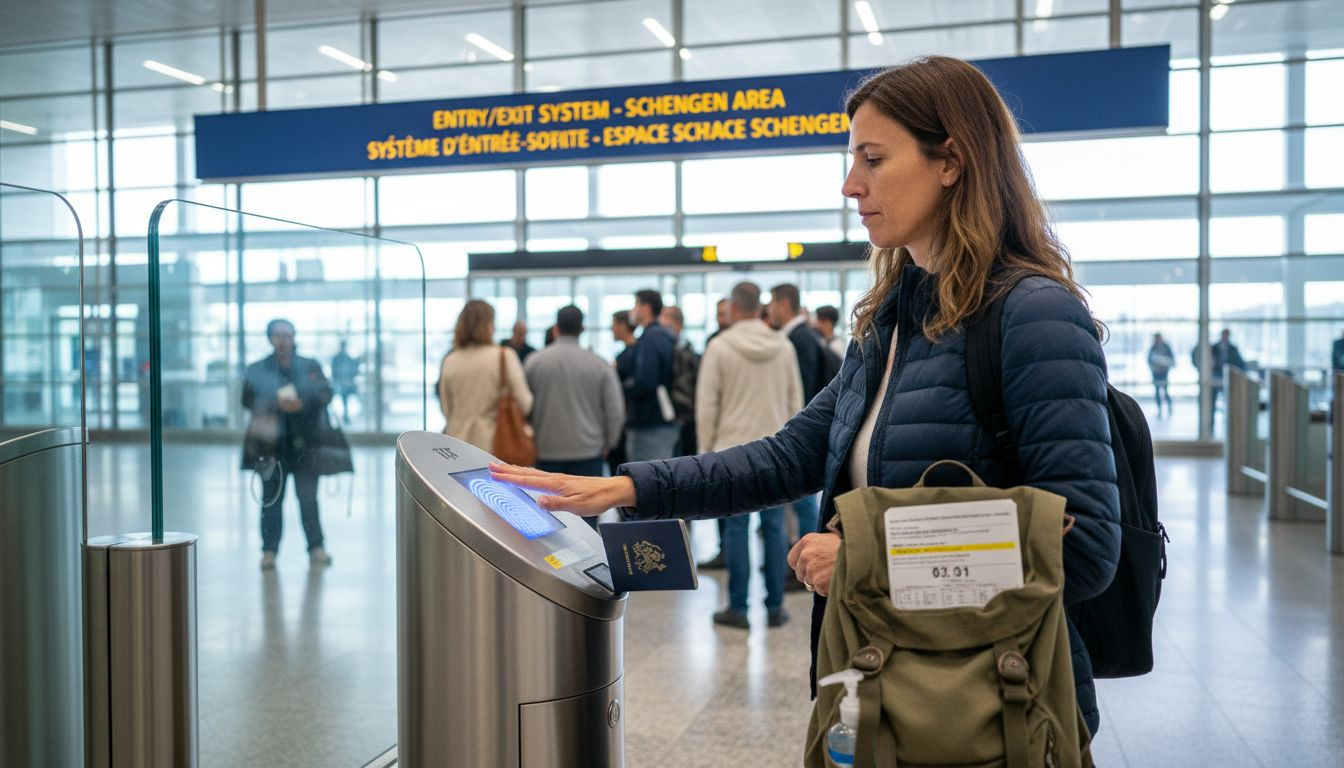
The EES registration occurs once per three years or until passport expiration. First-time registrants should expect slightly longer processing at border control. Self-service kiosks will handle biometric collection at major airports, while smaller crossings may use officer-assisted stations.
Passport validity rules remain strict. Your passport must be valid for at least three months beyond your planned departure date from Europe. Most countries additionally require two blank pages for entry and exit stamps despite digital systems. Renew passports showing wear or damage that could cause scanner issues.
ETIAS will launch in Q4 2026 with a €20 application fee for visa-exempt travelers, valid 3 years or until passport expiry. This electronic authorization works similarly to the U.S. ESTA system. You must apply online before traveling, answering security and health questions. Approval typically takes minutes but can require up to 30 days in complex cases.
Pro Tip: Apply for ETIAS at least one month before your departure date. While most applications process instantly, security checks occasionally trigger manual reviews requiring additional documentation.
Visa requirements differ by nationality and destination. EU citizens travel freely within Schengen countries without additional permits. Non-EU travelers should consult their destination’s embassy for specific visa requirements. Some nationalities need Schengen visas while others qualify for visa-exempt entry with ETIAS.
Minors traveling alone or with one parent need additional documentation. Many countries require notarized consent letters from absent parents. Review your comprehensive travel document checklist to ensure proper authorization for children.
Health, Safety, and Travel Insurance for Europe 2025
Travel insurance covering COVID-19, medical emergencies, trip cancellations, and theft is highly recommended for Europe in 2025. Standard policies often exclude pandemic-related disruptions, leaving travelers vulnerable to costly cancellations or medical bills. Verify your policy explicitly covers coronavirus complications before purchasing.
Vaccination recommendations vary by European region. Southern and eastern destinations may suggest Hepatitis A vaccines due to food and water exposure risks. Tick-borne encephalitis vaccines protect against serious illness in forested areas of Austria, Czech Republic, and Slovakia. Rabies vaccination makes sense if you plan rural or wildlife activities.
Routine immunizations deserve attention before international travel. Confirm your measles, mumps, rubella, diphtheria, and tetanus boosters remain current. Many European countries experienced measles outbreaks in recent years, making MMR vaccination particularly important.
Pack a basic health kit for minor emergencies. Include pain relievers, antihistamines, antidiarrheal medication, bandages, and any prescription medicines you regularly take. Carry prescriptions in original containers with pharmacy labels to avoid customs issues.
Pro Tip: Photograph your prescription labels and save images in your phone’s secure folder. This backup helps pharmacists abroad understand your medications if bottles are lost.
Keep emergency contacts readily accessible. Program local emergency numbers for each country you visit into your phone. The European emergency number 112 works across all EU countries. Save your country’s embassy contact information and your insurance company’s international assistance hotline.
Store physical copies of insurance cards, vaccination records, and emergency contacts in a waterproof document holder. Digital backups ensure access if physical documents become damaged or lost. For detailed health and insurance recommendations, review comprehensive travel preparation guides specific to European destinations.
Packing Essentials for European Travel 2025
Universal travel adapters compatible with EU and UK plugs, including USB-C and USB, are essential. European outlets use Type C, E, and F plugs while the UK requires Type G. Multi-region adapters handle all variations without carrying separate converters. Models with integrated USB ports let you charge phones and tablets without additional plugs.
Portable chargers with integral cords prevent dead devices during long sightseeing days. Choose power banks with at least 10,000mAh capacity for multiple phone charges. Built-in Lightning and USB-C cables eliminate forgotten charging cables. Airlines permit power banks in carry-on luggage but prohibit them in checked bags.
Comfortable crossbody bags with wide straps distribute weight evenly during walking tours. Durable water-resistant material protects valuables from rain and spills. Anti-theft features like slash-proof fabric and locking zippers deter pickpockets in crowded tourist areas.
Seasonal clothing requires careful planning. Spring and fall demand layering options as temperatures fluctuate throughout the day. Pack lightweight jackets, long-sleeve shirts, and versatile pants suitable for various weather. Summer travelers need breathable fabrics, sun hats, and sunscreen. Winter visitors should review winter packing tips for Europe for insulated coat and boot recommendations.
Pro Tip: Roll clothes instead of folding to maximize luggage space and minimize wrinkles. Place heavier items near luggage wheels for better balance when rolling.
Health and hygiene items include reusable face masks for crowded spaces, hand sanitizer, basic medications, and any prescription drugs. European pharmacies require prescriptions for many over-the-counter U.S. medications, making advance preparation crucial.
Comfortable walking shoes prove indispensable for European cobblestone streets. Break in new shoes weeks before departure to prevent blisters. Pack blister prevention supplies just in case. For trusted packing essentials guide, consult experienced travel resources with tested recommendations.
Traveler Preparation and Safety Tips
Keep digital and paper copies of travel documents, and minors require official travel authorization documents depending on destination. Scan passports, visas, insurance cards, and booking confirmations into cloud storage accessible from any device. Email copies to yourself and trusted family members as additional backup.
Physical photocopies belong in separate luggage from originals. If your wallet or bag is stolen, copies expedite replacement document processes at embassies. Store one set with travel companions for redundancy.
Legal authorizations for minors traveling alone or with one parent vary by country. Many European nations require notarized consent letters from absent parents. Include contact information for both parents and photocopies of their identification. Some countries demand translated versions in their official language.
Stay informed through embassy travel advisories for your destinations. Sign up for Smart Traveler Enrollment Program (STEP) to receive security updates and facilitate emergency assistance. Advisories alert you to civil unrest, natural disasters, or heightened crime risks.
Pro Tip: Screenshot important confirmation numbers and addresses before traveling. Hotel check-ins, rental car pickups, and tour meeting points become easily accessible without internet connectivity.
Smartphone photos provide quick document references. Photograph passport identification pages, credit cards (front and back), and driver’s licenses. If cards are stolen, photos help you report correct account numbers and contact financial institutions promptly.
Manage medications carefully with labeled original containers and written prescriptions. Carry enough medication for your entire trip plus extra days for unexpected delays. Some countries restrict certain medications legal elsewhere, requiring advance research. For official travel safety and document guidelines, consult government resources before departure.
Comparison of Key Travel Authorization Systems
The Entry and Exit System requires biometric data collection at Schengen borders starting October 2025. Unlike traditional passport stamps, EES captures fingerprints and facial images digitally, storing information for three years. This automated system tracks visitor compliance with 90-day Schengen stay limits more accurately than manual methods.
ETIAS represents pre-travel authorization launching late 2026 with a €20 fee. Visa-exempt travelers complete online applications before departure, similar to advance screening. Authorization remains valid three years or until passport expiration, whichever comes first. The system screens security and health risks before travelers board flights.
| System | Implementation | Cost | Validity | Purpose |
|---|---|---|---|---|
| EES | October 2025 | Free | 3 years | Biometric border control |
| ETIAS | Q4 2026 | €20 | 3 years or passport expiry | Pre-travel security screening |
| Traditional Visa | Currently active | €80+ | Trip specific | Extended stay authorization |
| No Authorization | Pre-2025 | Free | Per entry | Simple passport stamping |
ETIAS differs significantly from traditional Schengen visas. Applications process online in minutes versus weeks for visa appointments. The €20 fee costs substantially less than €80+ visa fees. ETIAS permits multiple entries during its validity period while single-entry visas require new applications.
Pro Tip: ETIAS and EES work together but serve different functions. You need ETIAS approval before traveling, then complete EES biometric registration at the border upon arrival.
Comparison with U.S. ESTA and Canada eTA reveals similar electronic authorization models. All three systems require advance online applications with small fees. ESTA costs $21, eTA charges CAD $7, and ETIAS sets €20. Processing times and validity periods align closely across systems.
Security benefits include enhanced visitor tracking and improved risk assessment before arrival. Authorities identify security threats earlier in travel processes. Time costs remain minimal for most travelers as automated systems process applications quickly. Border delays may increase initially as staff and travelers adapt to new procedures.
Situational Recommendations: Tailoring Your Checklist
-
Short-term tourists visiting Europe for one to two weeks should prioritize passport validity verification and travel insurance with COVID-19 coverage. Pack light with carry-on luggage only to avoid baggage fees and claim delays. Focus on versatile clothing items suitable for multiple occasions.
-
Long-term stays exceeding 90 days require visa applications well in advance. Secure comprehensive health insurance covering extended periods. Pack layered clothing for seasonal transitions. Arrange accommodation with kitchen access to reduce dining costs over extended periods.
-
Family travelers must obtain travel authorizations for all minors with notarized consent letters if applicable. Pack extensive health and safety kits including children’s medications and first aid supplies. Choose accommodations with family-friendly amenities. Review trip type guides for Europe 2025 for age-appropriate activities.
-
Winter and adventure travelers need insulated waterproof gear rated for expected temperatures. Verify travel insurance covers planned adventure activities like skiing or mountaineering. Some policies exclude high-risk sports without additional riders. Pack specialized equipment or research reliable rental options at destinations.
-
Nationality-specific requirements vary significantly based on passport origin. U.S., Canadian, and Australian citizens qualify for visa-exempt entry with ETIAS from 2026. Other nationalities may need traditional Schengen visas regardless of ETIAS. Consult your destination country’s embassy for precise requirements.
-
Business travelers should carry invitation letters from European hosts and proof of business purpose. Some countries require specific business visas even for short meetings. Pack professional attire and reliable technology for remote work capabilities.
-
Multi-country itineraries demand careful route planning to minimize border crossings and maximize time in each destination. Research whether countries belong to Schengen zone or require separate entry procedures. For multi-day trip planning resources, explore comprehensive organizational guides.
Summary Comparison Table and Final Recommendations
| Category | Essential Items | Key Deadlines | Special Notes |
|---|---|---|---|
| Documents | Passport valid 6+ months, ETIAS authorization, travel insurance, visa if required | ETIAS applications open Q4 2026; EES starts Oct 12, 2025 | Keep digital and physical copies |
| Health | Vaccinations, prescription medications, COVID-19 coverage, basic first aid kit | Complete vaccinations 4-6 weeks before departure | Region-specific vaccine recommendations |
| Packing | Universal adapter, portable charger, comfortable shoes, weather-appropriate clothing | Purchase adapters and chargers 2 weeks early for testing | Break in walking shoes before travel |
| Safety | Emergency contacts, embassy information, photocopies of documents, backup payment methods | Register with STEP before departure | Store copies separately from originals |
Major 2025 deadlines center on the October 12 Entry and Exit System launch affecting all Schengen entries. This biometric system becomes mandatory immediately, so expect initial processing delays as systems stabilize. ETIAS authorization opens for applications in late 2026, requiring advance planning before that year’s European trips.
Checklist highlights for different scenarios ensure targeted preparation. Weekend city breaks need minimal packing but comprehensive insurance. Multi-week adventures across countries demand extensive planning including visa timing, seasonal gear, and transportation logistics. Family groups require additional documentation layers for minors.
Pro Tip: Create a master checklist document three months before departure. Update weekly as you complete tasks like renewing passports, booking insurance, and purchasing gear. This methodical approach prevents last-minute stress.
Final actionable tips include setting calendar reminders for critical deadlines. Apply for ETIAS immediately when applications open if traveling in 2026. Schedule passport renewals six months ahead if expiration dates fall close to travel windows. Purchase travel insurance within days of booking flights to maximize coverage periods.
Resource links provide next steps for official information. Government travel sites offer authoritative guidance on entry requirements. Travel communities share real experiences navigating new systems. Tour operators provide expert planning assistance for complex itineraries.
Plan the Perfect European Trip with Next View Tours
Navigating 2025’s new European travel requirements becomes simpler with expert guidance. Next View Tours specializes in customized European experiences that handle logistics while you enjoy adventures. Our team stays current on regulatory changes, ensuring your documents and authorizations align with latest requirements.
We offer various trip types from day excursions to multi-week adventures across Central Europe. Our customized European tours adapt to your interests, whether exploring Vienna’s imperial history, hiking Austrian Alps, or discovering Czech castles. Family groups, couples, and solo travelers find tailored itineraries matching their pace and preferences. Let our multi-day trip organization expertise transform your 2025 European dreams into seamless reality.
Frequently Asked Questions
What is the EU Entry and Exit System (EES) and how does it affect me?
EES collects biometric data at Schengen borders for security and immigration management beginning Oct 12, 2025. The system captures your fingerprints, facial image, and passport details digitally, replacing manual stamping. All non-EU travelers entering 29 Schengen countries must register, with data stored for three years. First-time registration takes slightly longer at border control, so allow extra time during initial European entry. For official EES info, consult government travel resources.
When will the ETIAS travel authorization be required?
ETIAS will launch in Q4 2026 with a €20 fee, required for visa-exempt travelers to Schengen countries. The authorization applies to short stays up to 90 days within 180 days for tourism or business. Once approved, ETIAS remains valid three years or until passport expiration. You must apply online before traveling, with most applications processing within minutes. For complete ETIAS 2026 authorization details, review official program information.
How can I ensure my passport meets 2025 European travel requirements?
Passports must be valid 3-6 months beyond departure with at least two blank pages for stamping. Check your expiration date immediately when planning European travel. Many countries enforce the six-month rule strictly, denying entry even if you have technical validity. Blank pages remain necessary despite digital systems for various entry and exit stamps. Renew passports showing physical damage that might cause scanner issues at automated border kiosks. Review passport validity rules for destination-specific requirements.
Do I need different vaccines for different European regions?
Vaccination recommendations vary by European region and planned activities. Southern and eastern Europe may suggest Hepatitis A vaccines due to food and water risks. Tick-borne encephalitis vaccination protects against serious illness in forested areas of Austria, Germany, and eastern countries. Rabies vaccines make sense for rural travel or wildlife encounters. Routine immunizations including measles, mumps, rubella, and tetanus boosters should remain current before any international travel. Consult travel medicine specialists six to eight weeks before departure for personalized recommendations based on your specific itinerary.


Comments are closed