

 Uncategorized
Planning a multi-day trip across Europe should be exciting, but poor organization turns adventure into chaos. Missed connections, forgotten documents, budget overruns, and exhaustion from overpacked itineraries drain the joy from travel. This guide provides practical strategies for planning, packing, budgeting, pacing, and safety that give you control over every aspect of your journey. You’ll learn to reduce stress, save money, and maximize enjoyment through proven organizational steps.
Table of Contents
- Prerequisites: What You Need Before You Start Organizing
- Step 1: Planning a Multi-Day Trip Itinerary
- Step 2: Efficient Packing Strategies For Multi-Day Trips
- Step 3: Budgeting Multi-Day Trips
- Step 4: Balancing Sightseeing And Rest Days
- Step 5: Leveraging Digital Tools To Streamline Organization
- Step 6: Safety And Health Considerations For Multi-Day Travel
- Common Mistakes And How To Fix Them
- Expected Results And Success Metrics
- Enhance Your Multi-Day Trips With Next View Tours
- FAQ
Key Takeaways
| Point | Details |
|---|---|
| Pre-trip preparation | Gather documents, select digital tools, and set budget 3 to 6 months ahead |
| Strategic itinerary | Plan with buffer days to handle delays and maintain flexibility |
| Smart packing | Use packing cubes and checklists to prevent overpacking and forgotten essentials |
| Budget allocation | Reserve 40% to 50% for lodging and transport, plus 10% to 15% emergency funds |
| Rest scheduling | Include downtime between activities to prevent burnout and sustain energy |
Prerequisites: What You Need Before You Start Organizing
Before diving into detailed planning, establish your foundation. Confirm your travel dates first. Fixed dates let you lock in prices and availability for accommodations and transport. Choose your destination countries next, researching visa requirements and local regulations that might affect your plans.
Set a realistic budget estimate early. This constraint guides every decision from lodging class to activity selection. Gather essential travel documents including passports, visas, travel insurance, and vaccination records. Check expiration dates now, not the week before departure.
Select reliable digital tools for organization:
- Itinerary planners like Google Trips or TripIt consolidate bookings and send reminders
- Budgeting apps track daily expenses in real time
- Cloud storage for document copies accessible offline
- Spreadsheet templates for comparing accommodation and transport costs
- Weather apps for packing decisions
Prepare an adaptable packing checklist template based on trip length and seasonal weather patterns. Customize this template for each destination on your itinerary. Check local weather forecasts two weeks before departure and adjust your list accordingly. This preparation takes two to three hours but prevents costly mistakes and travel day panic.
Step 1: Planning a Multi-Day Trip Itinerary
Start planning your Europe tour three to six months before departure. Booking accommodations and transport 3 to 6 months ahead reduces costs by up to 20%. Early action secures better rates and preferred locations before they sell out.
Follow these steps to build your itinerary:
- List must-see destinations and group them geographically to minimize travel time between stops
- Allocate realistic time per location based on attraction density and personal interests
- Insert buffer days every four to five travel days for rest or unexpected delays
- Pre-book accommodations in city centers or near transport hubs for convenience
- Reserve key transport tickets including trains and flights with flexible cancellation when possible
Create a master spreadsheet tracking all bookings with confirmation numbers, addresses, and contact information. Share this document with travel companions and keep both digital and printed copies accessible.
Include contingency plans for common disruptions:
- Alternative transport routes if primary connections fail
- Backup accommodation options if original bookings fall through
- Indoor activities for bad weather days
- Contact information for local embassies and emergency services
Follow the multi-day trip organization guide principles: prioritize flexibility over rigid scheduling. Leave gaps between activities for spontaneous discoveries and rest. Your itinerary should serve you, not enslave you to unrealistic timelines.
Step 2: Efficient Packing Strategies for Multi-Day Trips
Packing cubes transform chaotic suitcases into organized systems. Sort clothes by day, type, or outfit to reduce clutter and cut packing time by half. You’ll access items without unpacking everything at each stop.
Develop comprehensive checklists customized to trip duration and weather forecasts. Break lists into categories:
- Clothing: base layers, mid layers, outerwear, footwear
- Documents: passports, insurance cards, booking confirmations, emergency contacts
- Electronics: chargers, adapters, power banks, headphones
- Toiletries: medications, first aid supplies, personal care items
- Accessories: bags, locks, travel pillows, reusable water bottles
Include versatile, climate-appropriate layering to adapt to changing European weather. Pack clothing that works for multiple occasions and can be mixed easily. Choose quick-dry fabrics that wash in sinks and dry overnight.
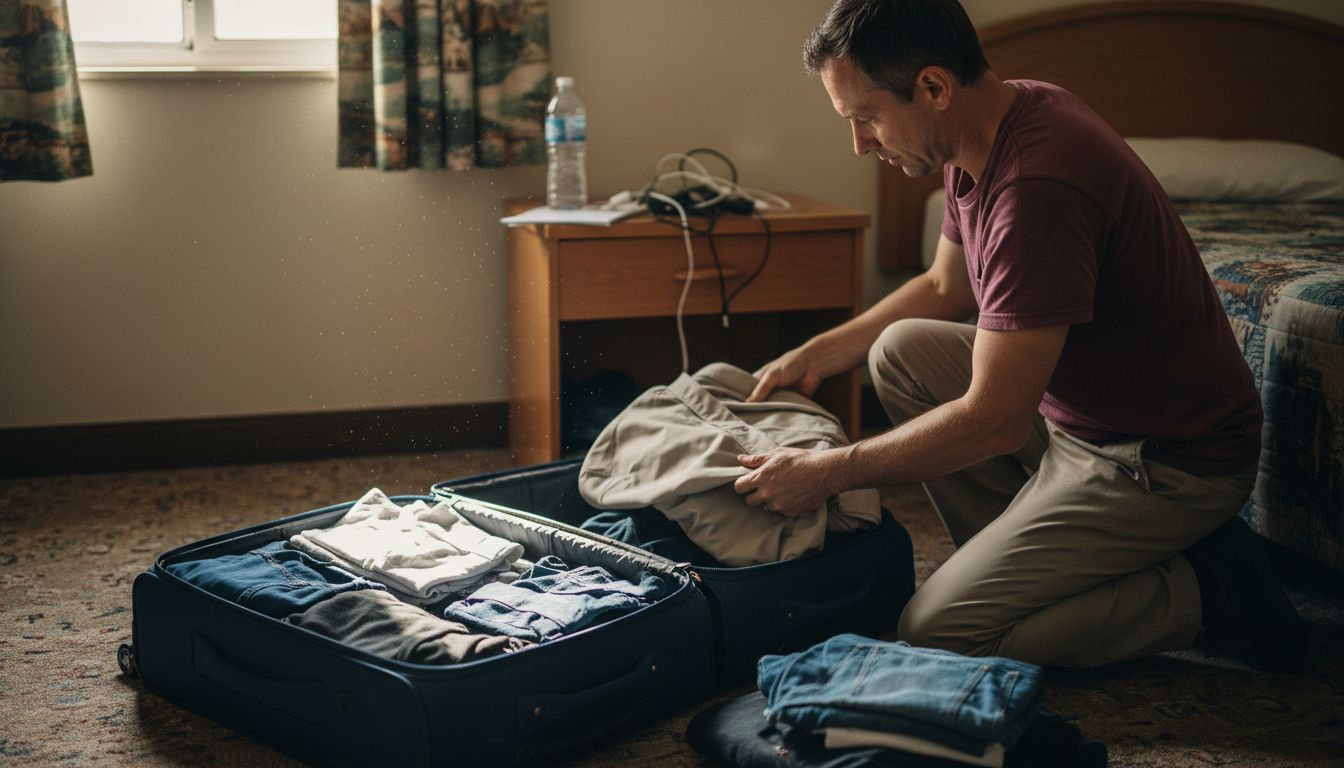
Keep essential documents in both physical and secure digital folders. Store physical copies in waterproof pouches distributed across bags. Upload scans to encrypted cloud storage accessible without internet through offline-enabled apps.
Pro Tip: Lay out everything you think you need, then remove 20%. You’ll still have more than enough and avoid excess baggage fees.
Avoid overpacking by cross-checking against itinerary activities. If your trip focuses on cities, skip hiking boots. If you’re staying in one country, reduce clothing quantities since you can do laundry mid-trip. Weight your packed bag before leaving home; if you struggle to lift it, you packed too much.
Step 3: Budgeting Multi-Day Trips
Divide your budget thoughtfully across essential categories. Allocate 40% to 50% of budget to accommodation and transport and reserve 10% to 15% contingency for emergencies. The remaining 35% to 50% covers food, activities, shopping, and miscellaneous expenses.
Research local cost averages for meals and attractions before traveling. Use the Europe travel budgeting guide to understand regional price variations. Western Europe costs more than Eastern Europe; adjust expectations accordingly.
| Category | Budget Percentage | Daily Estimate (Mid-Range) |
|---|---|---|
| Accommodation | 25% to 30% | €60 to €100 |
| Transport | 15% to 20% | €30 to €50 |
| Food | 20% to 25% | €40 to €60 |
| Activities | 10% to 15% | €20 to €40 |
| Emergency Fund | 10% to 15% | Reserve separately |
| Shopping/Misc | 5% to 10% | €10 to €25 |
Set aside emergency funds separately to cover unexpected expenses like medical care, transport changes, or lost items. Don’t touch this buffer unless genuinely necessary.
Track expenses daily using budgeting apps for real-time awareness. Log every purchase immediately while details are fresh. Review spending each evening to identify patterns and adjust behavior before overspending becomes severe.
Compare transport options systematically:
- Check train prices first for routes under 300 kilometers
- Compare budget airline fares including baggage fees
- Consider overnight buses or trains to save accommodation costs
- Book transport during off-peak hours for lower prices
- Purchase rail passes only if frequent travel justifies the cost
Book activities directly through operators when possible to avoid third-party markups. Many museums and attractions offer free entry on specific days; research these opportunities during itinerary planning.
Step 4: Balancing Sightseeing and Rest Days
Schedule full or half rest days between major sightseeing to recharge. Including buffer or rest days can reduce traveler burnout by up to 60%. Pushing through fatigue diminishes enjoyment and creates negative memories of otherwise beautiful locations.
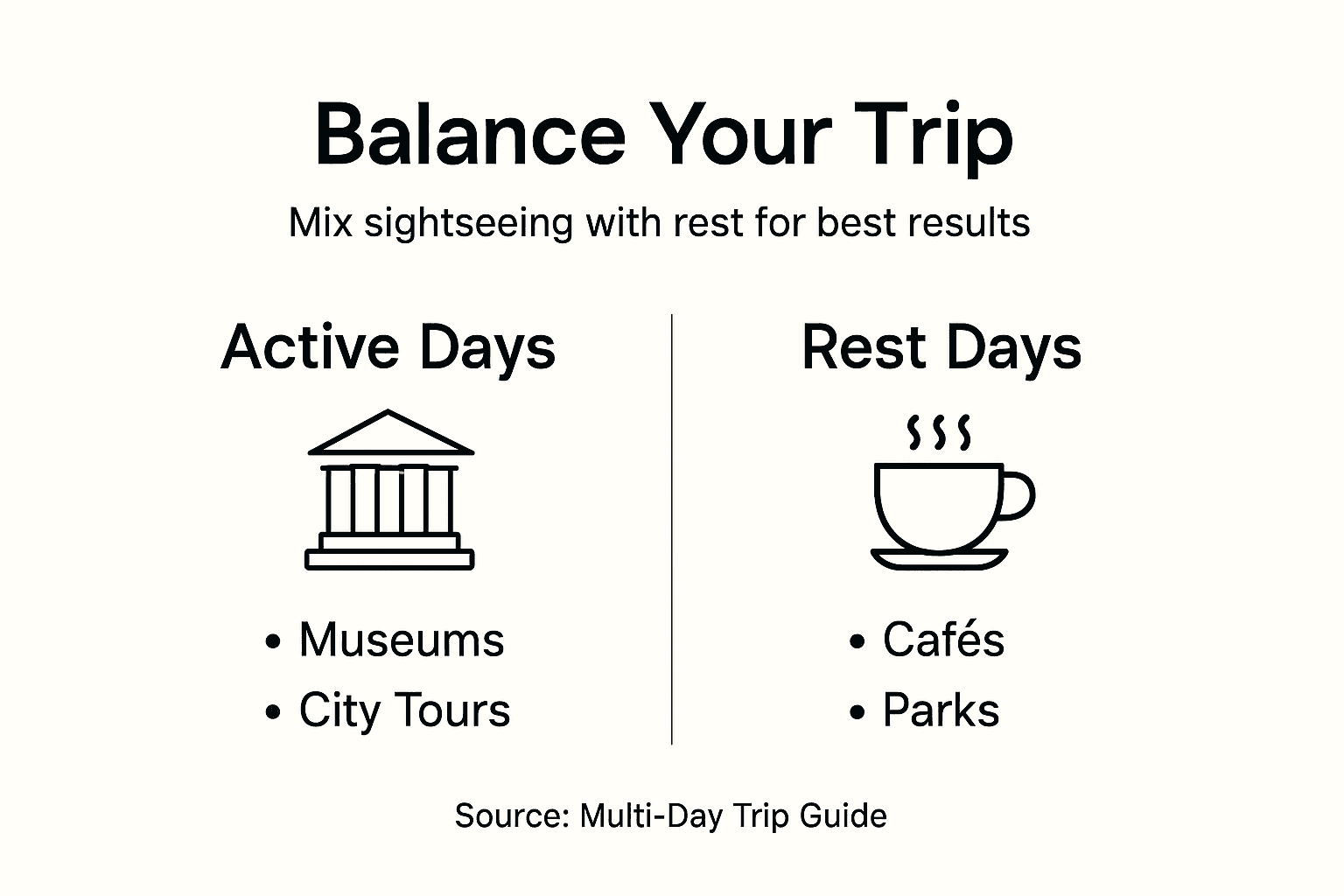
Incorporate low-energy leisure activities like local cafés or parks on lighter days. Wander neighborhoods without agendas, sit in public squares, or enjoy slow meals. These moments often become favorite travel memories.
Monitor fatigue signals and adjust plans as needed to maintain health. If you wake exhausted, skip that museum and sleep in. Your body signals when it needs recovery; ignoring these warnings leads to illness that ruins trips.
Pro Tip: For every three high-intensity days, schedule one low-intensity day. High-intensity means multiple attractions, long walks, or complex logistics. Low-intensity means staying in one neighborhood or taking a day trip with minimal planning.
Avoid overly tight itineraries to prevent stress and hurried experiences. Rushing through attractions to check boxes off lists creates anxiety rather than enjoyment. If you’re constantly watching the clock, your schedule is too packed.
Prioritize quality over quantity by selecting meaningful activities:
- Choose two to three major attractions per day maximum
- Allow time to actually experience places, not just photograph them
- Accept that you won’t see everything; that’s fine
- Remember that rest is productive, not wasteful
- Build in time for spontaneous discoveries and local interactions
Balance structured and unstructured time. Over-planning every hour removes joy and flexibility. Under-planning leads to wasted time and missed opportunities. Aim for planned mornings with flexible afternoons, or vice versa based on your energy patterns.
Step 5: Leveraging Digital Tools to Streamline Organization
Use itinerary planners like Google Trips or TripIt to consolidate plans and reminders. These apps import booking confirmations automatically from email, creating a unified timeline. You’ll access all details in one place without searching through dozens of emails.
Maintain both digital travel organization tools and physical folders for travel documents accessible offline and online. Digital copies protect against loss or theft. Physical copies work when devices die or internet disappears.
Track all bookings in a single app or spreadsheet to prevent oversight. Include:
- Confirmation numbers and booking reference codes
- Check-in and check-out times
- Addresses with GPS coordinates
- Contact phone numbers and emails
- Cancellation policies and deadlines
- Total costs and payment methods used
Set up alerts for transport departures and important deadlines. Configure notifications for 24 hours and two hours before flights, trains, or buses. Add calendar reminders for accommodation check-ins, tour start times, and visa expiration dates.
Share itineraries with travel companions for smooth coordination and communication. Use collaborative documents everyone can edit in real time. When plans change, one person updates the master document and everyone stays informed.
Explore specialized travel itinerary apps and travel document management apps that offer features like offline maps, currency converters, and translation tools. Download essential information before traveling to access it without internet connectivity.
Step 6: Safety and Health Considerations for Multi-Day Travel
Prepare a safety checklist covering emergency contacts, embassy information, and local healthcare providers. Research hospitals and clinics along your route before departure. Save emergency numbers including local equivalents of 911 in your phone.
Purchase comprehensive travel and health insurance before departure. Standard health insurance rarely covers international incidents. Travel insurance should include medical evacuation, trip cancellation, lost luggage, and emergency assistance services.
Stay updated with regional travel advisories and alerts. Check government travel websites weekly during the month before your trip and daily once traveling. Political situations, weather emergencies, and health outbreaks change rapidly.
Pack a basic first aid kit and ensure personal medications are sufficient and accessible:
- Pain relievers and fever reducers
- Antihistamines for allergies
- Anti-diarrheal medication and rehydration salts
- Bandages, antiseptic wipes, and antibiotic ointment
- Prescription medications in original containers with extra supply
- Copies of prescriptions with generic drug names
If available, register with your embassy’s traveler notification service for emergency support. Many countries offer systems that alert registered travelers about safety incidents and provide evacuation assistance during crises.
Travelers using safety checklists and insurance report 50% fewer travel disruptions.
Follow CDC safe travel guidelines for health precautions specific to your destinations. Check vaccination requirements and recommendations. Some countries require proof of specific vaccinations for entry.
Common Mistakes and How to Fix Them
Overpacking leads to slowed progress and forgotten essentials buried in cluttered bags. Fix this by using tailored checklists and packing cubes. Lay everything out visually before packing to identify redundancies. If you haven’t worn something on three previous trips, leave it home this time.
Underestimating travel times causes missed connections and rushed experiences. Fix this by adding buffer times of 30 to 60 minutes between activities and verifying schedules the day before travel. European trains run punctually, but delays happen. Traffic, strikes, and weather disrupt plans.
Neglecting rest days causes fatigue that compounds over multi-day trips. Fix this by scheduling downtime in your itinerary from the start, not as an afterthought. Treat rest days as essential appointments, not optional activities you’ll skip if something better appears.
Ignoring weather forecasts results in inadequate packing and uncomfortable experiences. Fix this by researching seasonal patterns during planning and checking forecasts again two weeks before departure. Europe’s weather varies dramatically; Mediterranean summers differ vastly from Scandinavian summers.
Poor document organization creates stress at borders, hotels, and attractions:
- Create a dedicated travel document folder both physical and digital
- Store physical documents in waterproof pouches inside multiple bags
- Upload scans to cloud storage with offline access enabled
- Print essential documents as backup even if you prefer digital
- Keep emergency contacts list in wallet separate from other documents
Failing to notify banks about travel leads to frozen cards when fraud detection systems flag foreign transactions. Call your bank and credit card companies before leaving. Provide exact dates and countries you’ll visit.
Expected Results and Success Metrics
Aim for at least 80% adherence to planned itinerary as a sign of good scheduling. Some deviation is normal and even desirable for spontaneous opportunities. Constant major changes indicate poor initial planning or unrealistic expectations.
Expect a 50% reduction in travel disruptions through contingency planning and preparation. Disruptions still occur, but their impact decreases dramatically when you’ve prepared alternatives and maintained flexibility.
| Success Metric | Target Range | Measurement Method |
|---|---|---|
| Itinerary adherence | 75% to 85% | Track completed vs. planned activities |
| Budget accuracy | Within 10% of estimate | Compare actual spending to budget |
| Disruption frequency | 2 or fewer major issues | Count significant plan changes |
| Stress level | Low to moderate | Self-assessment daily |
| Energy maintenance | Consistent throughout | Rate daily energy levels |
Target up to 20% cost savings by early bookings and budgeting discipline. Early booking discounts, advance purchase rates, and strategic timing reduce costs significantly. Daily expense tracking prevents budget creep that adds up over weeks.
Maintain reported travel-related stress below 10% using safety and pacing strategies. Some stress is inevitable when navigating unfamiliar places, but overwhelming anxiety indicates poor preparation or overscheduling.
Achieve balanced activity and rest for sustained energy and enhanced trip enjoyment. If you return home needing a vacation from your vacation, your pacing failed. Successful trips leave you refreshed despite physical exertion.
Enhance Your Multi-Day Trips with Next View Tours
Next View Tours simplifies multi-day trip planning across Europe with expert support and comprehensive resources. Their team provides tailored itinerary advice and booking assistance that reduces stress while optimizing your budget. Whether you need help organizing complex logistics or want to explore new destinations confidently, their multi-day trip organization guide offers proven frameworks.
Explore various trip types from adventure excursions to cultural tours, family trips to couple getaways across Vienna, Prague, Budapest, and beyond. Their digital resources complement your planning efforts with local expertise you can’t find in generic guides. Learn how to choose adventure trips that match your experience level and interests. Take control of your European travel experience with professional support that transforms complex planning into manageable steps.
FAQ
What is the best timeline to start planning a multi-day trip in Europe?
Start detailed planning and bookings three to six months in advance for best prices and availability. Early planning secures preferred accommodations and transport while maintaining flexibility for adjustments. Last-minute bookings cost significantly more and offer fewer choices.
How can I avoid overpacking for multi-day trips?
Use packing cubes and customize checklists based on trip duration and weather forecasts. Cross-check your packing list against planned activities to eliminate unnecessary items. Lay everything out before packing and remove 20% of what you initially selected.
What digital tools are recommended for organizing trip details?
Itinerary planners like Google Trips and TripIt help consolidate bookings and send departure reminders automatically. Budgeting apps enable daily expense tracking to maintain financial control. Use cloud storage with offline access for document copies and shared itineraries with travel companions.
How important are rest days on a multi-day trip?
Including rest days reduces burnout significantly and maintains traveler energy throughout longer journeys. Balanced itineraries with scheduled downtime enhance overall satisfaction and create space for spontaneous discoveries. Push through fatigue and you’ll diminish enjoyment of otherwise memorable experiences.
What are essential safety tips for multi-day European travel?
Prepare comprehensive safety checklists with emergency contacts, embassy information, and local healthcare provider details. Purchase travel insurance covering medical emergencies, evacuation, and trip disruptions before departure. Stay informed on regional advisories through government websites and register with your embassy’s traveler notification service. Follow CDC safe travel guidelines for destination-specific health precautions and vaccination requirements.


Comments are closed