
 Uncategorized
If you have two days, base yourself in Starý Smokovec, ride the funicular to Hrebienok, and add a lake walk at Štrbské Pleso. If you have four days, you can pair one serious hike (Rysy or the Popradské Pleso circuit) with a cable-car day to Lomnický štít and a cultural stop in Poprad. If you have a full week, you can move hut to hut across the range and never backtrack.
The right length depends on your legs and your patience for logistics, not just your calendar. A short trip means picking the two or three highlights that reward the least travel time. A longer trip means using the Tatra Electric Railway and the cable cars as connective tissue between resorts, so each day starts where the last one ended.
- 2 days: Štrbské Pleso lake circuit, Hrebienok cable car, one moderate valley walk.
- 4 days: one big hike, one cable-car peak day, one lake day, one town/rest day.
- 7 days: hut-to-hut traverse linking Zelené Pleso, Skalnaté Pleso, Popradské Pleso, and Štrbské Pleso, with room for Rysy or Kriván.
Key Takeaways
A High Tatras itinerary works best when it’s built around transit logistics first and hiking ambition second, since the TEŽ and cable-car schedules dictate what’s realistically possible each day.
| Point | Details |
|---|---|
| Match length to fitness | Choose 2 days for highlights, 4 days for a balanced mix, 7 days for a hut-to-hut traverse. |
| Hike mid-June to September | Higher trails close outside this window, and huts may not be fully staffed. |
| Use TEŽ for point-to-point routes | Start a hike at one resort and finish at another instead of backtracking. |
| Book Lomnický štít early | Reserve cable-car slots two to three days ahead in high season for morning visibility. |
| Check Mountain Rescue status daily | Confirm HZS trail conditions each morning before setting out. |
| Consider a guided trip for logistics | Nextviewtours builds customizable multi-day Slovakia trips with transfers and hut booking handled for you. |
Table of Contents
- When Is the Best Time for a High Tatras Itinerary?
- How Do You Get to the High Tatras and Move Between Trailheads?
- Which Town Should You Base Your High Tatras Trip In?
- Which High Tatras Itinerary Length Fits Your Trip?
- The Compact 2-Day High Tatras Itinerary
- The Balanced 4-Day High Tatras Itinerary
- The Weeklong 7-Day High Tatras Itinerary
- What Are the Best Day Hikes and Sights in the High Tatras?
- How Do You Book Cable Cars and Time the TEŽ Right?
- How Do You Stay Safe While Hiking the High Tatras?
- What Should You Pack for a High Tatras Hike?
- When Should You Book a Guided High Tatras Tour?
- What Cultural and Historical Sites Pair Well With Tatras Hiking?
- Where Should You Eat in the High Tatras?
- How Often Do Cable Cars and TEŽ Run in the Off-Season?
- Frequently Asked Questions
- Sources
When Is the Best Time for a High Tatras Itinerary?
Mid-June through September is the window when hiking trails are generally accessible, as many higher-elevation trails are closed through the colder months and many mountain huts don’t fully open until the snow clears, according to Frommer’s High Tatras guide. Outside that stretch, you’re choosing between snow hazard and closed infrastructure, not just cooler weather.
- Late May to mid-June: lingering snow on saddles and ridgelines; lower valley trails (Popradské Pleso, Štrbské Pleso) are usually fine.
- July and August: full services, open huts, and the busiest cable cars and trails of the year.
- September to early October: cooler air, thinner crowds, and often the clearest visibility for peak views.
- Winter (mid-December to mid-March): ski season takes over; most high-elevation hiking routes are shut.
Conditions shift fast with elevation even in midsummer, and a warm morning in Poprad tells you nothing about wind on a saddle at 2,000 meters. Make checking the Mountain Rescue Service status a daily habit, not a one-time pre-trip task.
How Do You Get to the High Tatras and Move Between Trailheads?
Poprad–Tatry is the easiest gateway, reachable by direct train from Bratislava (roughly four hours) or by a short domestic flight, and driving from Bratislava takes about three to four hours depending on traffic. Once you’re in the mountains, the Tatra Electric Railway (TEŽ) becomes your main tool for stitching together a point-to-point itinerary instead of doubling back on foot or by car.
The TEŽ links Štrbské Pleso, Starý Smokovec, and Tatranská Lomnica along the base of the range, which means you can start a hike at one resort and finish at another without a return leg. The catch: service can thin out significantly outside peak morning and afternoon hours, and schedules require some planning around gaps rather than assuming a train every ten minutes.
A car helps if you’re arriving with gear or want flexibility for day trips to Slovak Paradise National Park, but it turns into dead weight once you’re actually hiking. Trailhead parking is limited and often metered, and you’ll pay for a spot you’re not using while you’re on the mountain.
- Buy TEŽ tickets at station kiosks or onboard; no need to book far ahead outside major holidays.
- Short taxi hops make sense for the “last mile” between a TEŽ stop and a trailhead.
- Budget extra time on local trains, which stop frequently and run slower than you’d expect from the short distances involved.
Pro Tip: Download the TEŽ stop map and check the next day’s timetable the night before. Many trailheads sit five to twenty minutes on foot from the nearest station, and missing the connection by five minutes can cost you an hour of daylight.
Which Town Should You Base Your High Tatras Trip In?
Štrbské Pleso suits travelers who want lake scenery and resort comfort right outside the door. Starý Smokovec suits anyone who wants the most central hub with reliable TEŽ access in both directions. Tatranská Lomnica suits hikers chasing the cable car to Lomnický štít and the trail network around Skalnaté Pleso. The three bases sit along the same TEŽ line, with Starý Smokovec about a moderate distance east of Štrbské Pleso and Tatranská Lomnica further east beyond that, according to Tripbase’s High Tatras overview.
- Štrbské Pleso: best for lake access and quieter luxury stays; typical transit to Starý Smokovec runs about 20 to 30 minutes by TEŽ; nearby highlights include the Popradské Pleso trail and Symbolic Cemetery.
- Starý Smokovec: best for transport connectivity and general amenities; sits at the midpoint of the TEŽ line; nearby highlights include the Hrebienok funicular and Studený potok gorge trail.
- Tatranská Lomnica: best for cable-car access to Lomnický štít and Skalnaté Pleso; slightly quieter town center; ideal if peak views are your priority.
Mountain huts (chatas) require advance reservation in July and August, especially on holiday weekends, while resort hotels in all three towns tend to have more same-week availability. Free parking varies by property, so confirm it before booking if you’re driving in from Bratislava or Poprad.
Which High Tatras Itinerary Length Fits Your Trip?
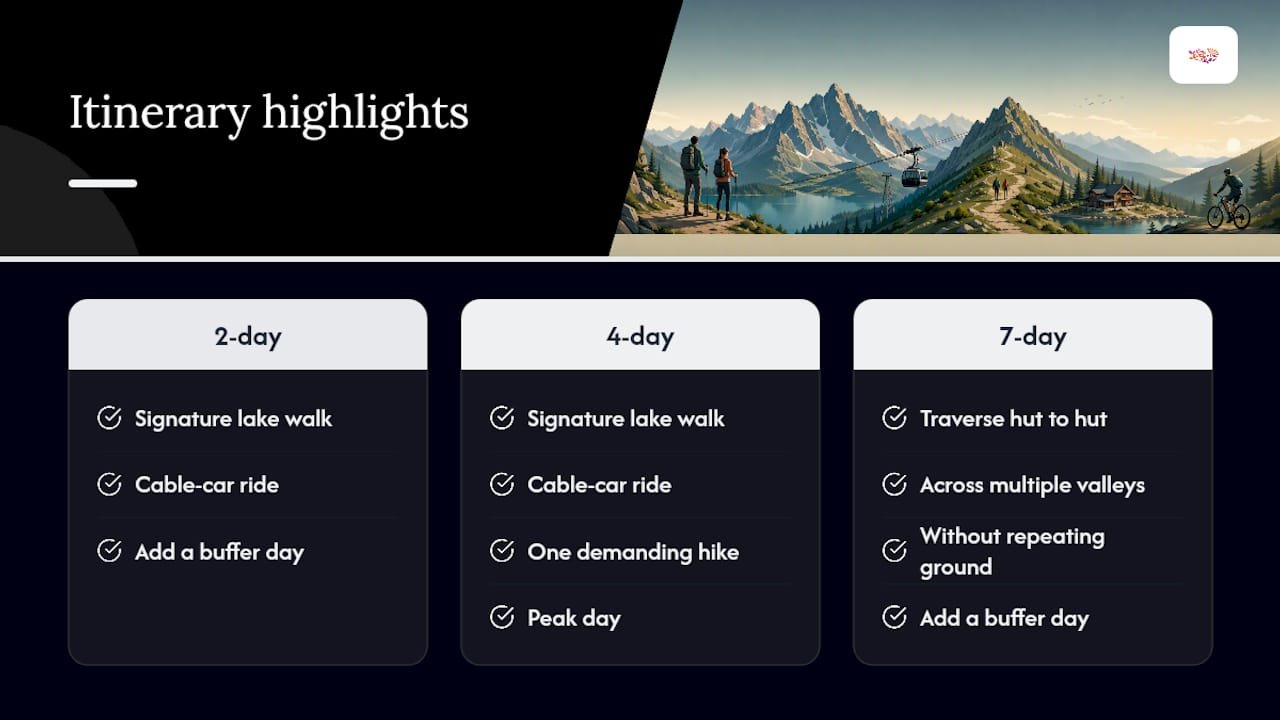
Two days covers the signature lake walk and a cable-car ride. Four days adds one demanding hike, a peak day, and a rest day in town. Seven days lets you traverse hut to hut across multiple valleys without repeating ground.
Add a buffer day if you’re traveling in late May, September, or on a holiday weekend, since weather delays and cable-car schedule changes hit those windows hardest.
The Compact 2-Day High Tatras Itinerary
This plan suits a short-stop sightseer connecting the Tatras to a wider Slovakia or Central Europe trip, delivering the two highlights that reward the least travel effort.
- Morning: Arrive via Poprad–Tatry, take the TEŽ to Štrbské Pleso, and walk the lakeshore loop (about 45 minutes, easy, flat).
- Midday: Ride the TEŽ to Tatranská Lomnica and catch the cable car up to Skalnaté Pleso; from there, a short trail loop around the tarn takes 30 to 45 minutes with minimal elevation gain.
- Afternoon: Return by cable car and TEŽ to your base; if energy allows, add the short valley walk from Starý Smokovec toward Studený potok.
Day 2:
- Take the TEŽ or a short taxi to the Popradské Pleso trailhead near Štrbské Pleso.
- Hike to Popradské Pleso and back: roughly 2 to 2.5 hours round trip, moderate effort, about 200 meters of elevation gain.
- Fitter hikers can extend toward the lower Rysy approach for valley views, adding 1.5 to 2 hours, without attempting the full summit.
- Head back to Poprad in the late afternoon with buffer time for train connections.
Book your Skalnaté Pleso cable-car slot for the morning if visibility matters to you, since afternoon cloud buildup is common even in clear summer weather.
The Balanced 4-Day High Tatras Itinerary
This plan works for the traveler who wants one real hiking achievement alongside cable-car views and a slower cultural day, without overloading the legs.
- Day 1 (Arrival + Štrbské Pleso): Settle into Starý Smokovec or Štrbské Pleso, walk the lake loop, and scout the Popradské Pleso trailhead for tomorrow.
- Day 2 (Big hike day): Full-day route to Popradské Pleso and up toward the Rysy approach trail, roughly 6 to 7 hours round trip for a solid but non-summit version, with significant elevation gain best suited to hikers with prior mountain experience. Less experienced hikers can cap the day at Popradské Pleso and the surrounding ridge views instead, keeping the outing to about 3 hours.
- Day 3 (Cable-car peak day): Take the TEŽ to Tatranská Lomnica and ride the cable car to Lomnický štít, one of the range’s highest accessible points; combine with a walk around Skalnaté Pleso below. Because Lomnický štít tickets sell out fast in high season, book this slot two to three days ahead, and target a first-morning departure for clearer skies and lighter crowds.
- Day 4 (Town and culture day): Spend the morning in Poprad exploring the old town and Spiš region history, or take a short excursion toward Slovak Paradise National Park for canyon trails and ladders if you want one more active outing before departure.
If weather closes in on your planned hiking day, swap it with the town day and use the extra flexibility; low cloud makes both the Rysy approach and Lomnický štít pointless for views. Lower-fitness travelers should treat Day 2 as optional and add a second lake walk (Zelené Pleso from Tatranská Lomnica) instead.
The Weeklong 7-Day High Tatras Itinerary
A full week lets you move through the range hut to hut, using the TEŽ and cable cars to avoid retracing your steps, and closes with the classic lake circuit at the western end of the range.
- Day 1: Arrive in Poprad, transfer to Tatranská Lomnica, settle in, and take an easy afternoon walk near town.
- Day 2: Cable car or hike to Skalnaté Pleso, then continue on foot toward Zelené Pleso; a demanding but manageable day, around 5 to 6 hours with meaningful elevation change.
- Day 3: From Zelené Pleso, hike toward Terýho chata, one of the higher mountain huts in the range, staying overnight if you’ve reserved a bunk ahead of time.
- Day 4: Continue from Terýho chata toward Zbojnícka chata, a rugged high-route day best attempted only in stable weather and good visibility.
- Day 5: Descend toward Popradské Pleso, rejoining the TEŽ network; this is a natural rest-adjacent day with easier terrain.
- Day 6: Attempt Rysy or Kriván depending on fitness and weather; Rysy finishes on a summit shared with Poland, while Kriván is the more iconic pyramid peak visible from across the range.
- Day 7: Finish at Štrbské Pleso with the lakeshore loop and a relaxed departure toward Poprad.
This staging mirrors the hut-to-hut format documented by Voices of Travel, which runs Poprad through Zelené Pleso, Skalnaté Pleso, Terýho chata, Zbojnícka chata, Popradské Pleso, and Štrbské Pleso as a five-day core you can stretch to seven with rest days. Reserve mountain huts well ahead for July and August, and expect mixed dorm rooms unless you book a private room early. Build one flexible rest day into the middle of the week; if a storm rolls through on Day 4, you’ll want a spare day rather than skipping the Zbojnícka chata leg entirely.
What Are the Best Day Hikes and Sights in the High Tatras?
Rysy is the range’s most famous summit push, accessible from the Slovak side but finishing on a Polish peak, and it demands a full day with real elevation gain, best started from Popradské Pleso. Kriván is the iconic pyramid visible from nearly everywhere in the western Tatras, a demanding full-day round trip best tackled from Štrbské Pleso. Lomnický štít is reached by cable car rather than on foot for most visitors, and the summit views justify the advance booking EarthTrekkers recommends.
- Skalnaté Pleso: short, easy tarn walk reachable by cable car from Tatranská Lomnica; good for families or a half-day outing.
- Popradské Pleso: moderate 2 to 3 hour round trip from Štrbské Pleso; the most accessible “real hike” in the range.
- Štrbské Pleso lakeshore: flat, easy, under an hour; the best option for a first afternoon or a rest day.
- Zelené Pleso: a demanding but rewarding hike from Tatranská Lomnica, best combined with a hut overnight.
Gerlachovský štít, the highest peak in the entire Tatra range, is legally off-limits without a certified mountain guide, so don’t plan it as a self-guided day hike. Most other routes above the tree line are manageable independently if you’re fit and the weather holds, but treat any route touching Poland’s side of the border ridge (like the Rysy summit) as requiring extra time for passport-free but still official border-zone awareness.
How Do You Book Cable Cars and Time the TEŽ Right?
Book Lomnický štít and other high-demand cable-car slots a few days ahead during high season, since hourly capacity is limited and clear-sky days sell out fast. The TEŽ works well for point-to-point hikes between the three main resorts, but service can be sparse outside peak commuting hours, so don’t assume a train is waiting whenever you finish a trail.
- Buy cable-car tickets online in advance during July and August; walk-up tickets work fine in shoulder season.
- Expect wait times at ticket windows during midday peaks; arrive early if you haven’t booked online.
- Cable cars generally run from morning until early evening, with hours trimmed in shoulder season and winter.
Pro Tip: Target the first cable-car departure of the day for Lomnický štít. Morning slots sell out because they offer the clearest visibility before afternoon cloud builds over the ridgeline, a pattern seasoned Tatras hikers plan around.
How Do You Stay Safe While Hiking the High Tatras?
Treat the High Tatras as a serious mountain environment, not a scenic backdrop, and check the Mountain Rescue Service (Horská záchranná služba) trail status every morning before you leave. Conditions on an “easy” trail can shift within hours once weather rolls in above 2,000 meters.
- Match your route to your actual fitness level, not your itinerary’s ambition.
- Confirm mobile coverage is limited above the tree line and know the nearest hut’s opening hours in case you need shelter.
- Save Slovakia’s emergency mountain rescue number before you set out each day.
- Hire a certified guide for Gerlachovský štít, any technical scrambling, or hikes attempted in shoulder season or winter conditions.
Pro Tip: Carry a physical trail map even if you’re using GPS, and always know the nearest TEŽ stop for a fast descent if weather or fatigue forces a change of plan.
What Should You Pack for a High Tatras Hike?
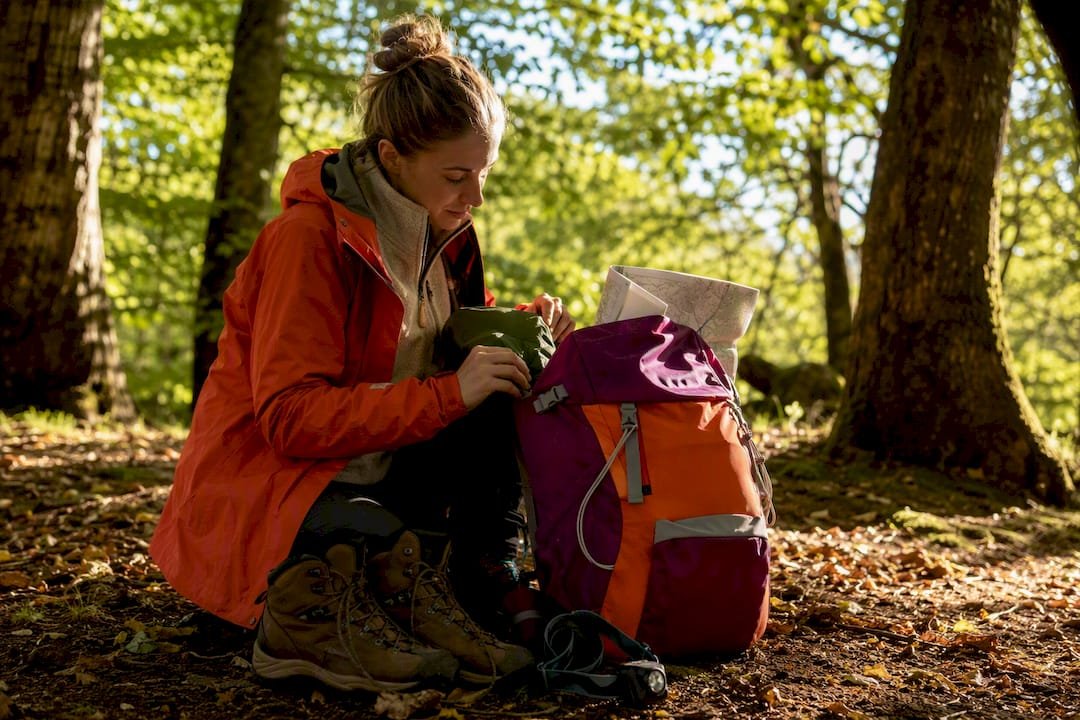
Pack layered clothing, broken-in hiking boots, a rain shell, a headlamp, a paper map, snacks, and cash for hut purchases, since not every mountain hut accepts cards. Keep your daypack light on cable-car days and reserve your full overnight kit for hut-to-hut legs of the trip.
Huts and mountain restaurants sell simple hot meals and drinks, but selection thins out the higher you climb, so carry extra snacks on any ridge day where you won’t pass a hut until late afternoon.
When Should You Book a Guided High Tatras Tour?
A guided multi-day tour saves real time on logistics, hut reservations, and transfers, and it adds local trail knowledge that’s hard to replicate on a first visit. That combination makes it a strong option for first-time Tatras hikers or groups without a dedicated route planner.
- Transfers between Poprad, your base town, and trailheads.
- Hut or hotel bookings handled in advance, including peak-season reservations.
- A guide who can read weather and adjust the route on the fly.
- Route planning that sequences hikes to avoid backtracking.
Nextviewtours builds customizable multi-day trips across Slovakia and neighboring countries for travelers who’d rather hike than manage timetables.
What Cultural and Historical Sites Pair Well With Tatras Hiking?
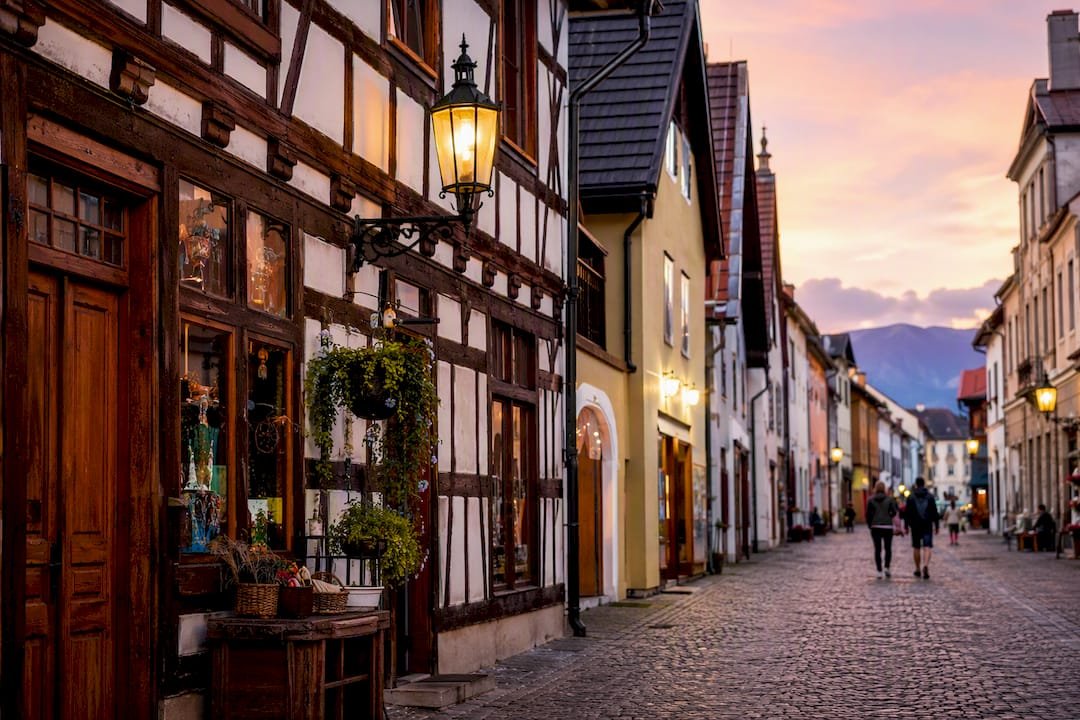
Poprad anchors the region’s history and makes an easy addition to any itinerary that includes a rest day. The town’s Spiš region roots run deep, and a short walk through its old town gives your legs a break between hiking days. Wooden churches and folk architecture scattered through nearby villages reflect centuries of highland Slovak and Goral culture, distinct from the lowland traditions further south.
The Tatra National Park visitor centers near Starý Smokovec and Tatranská Lomnica offer context on the range’s geology and wildlife, useful if you want to understand what you’re looking at on the trail rather than just photographing it. Several villages along the base of the range preserve traditional timber houses and small chapels worth a slow walk if you’re based nearby for more than a couple of nights.
For travelers with an extra day, Slovak Paradise National Park sits within reach and offers a completely different hiking experience: narrow gorges, ladders, and chained passages through waterfalls rather than open alpine ridgelines. It pairs naturally with a High Tatras trip because the terrain contrast makes both places feel more distinct, and it’s a reasonable day trip from Poprad if you’ve built in a flexible day. Combining a Tatras hiking itinerary with a broader look at Slovakia’s cultural and historical draws rounds out a trip that would otherwise be all summits and lakes.
Where Should You Eat in the High Tatras?
Mountain huts (chatas) serve simple, hearty meals built for hikers: goulash, dumplings, soup, and hot tea, often with limited menus that shrink further the higher the hut sits. Don’t expect variety on a ridge day. Expect calories.
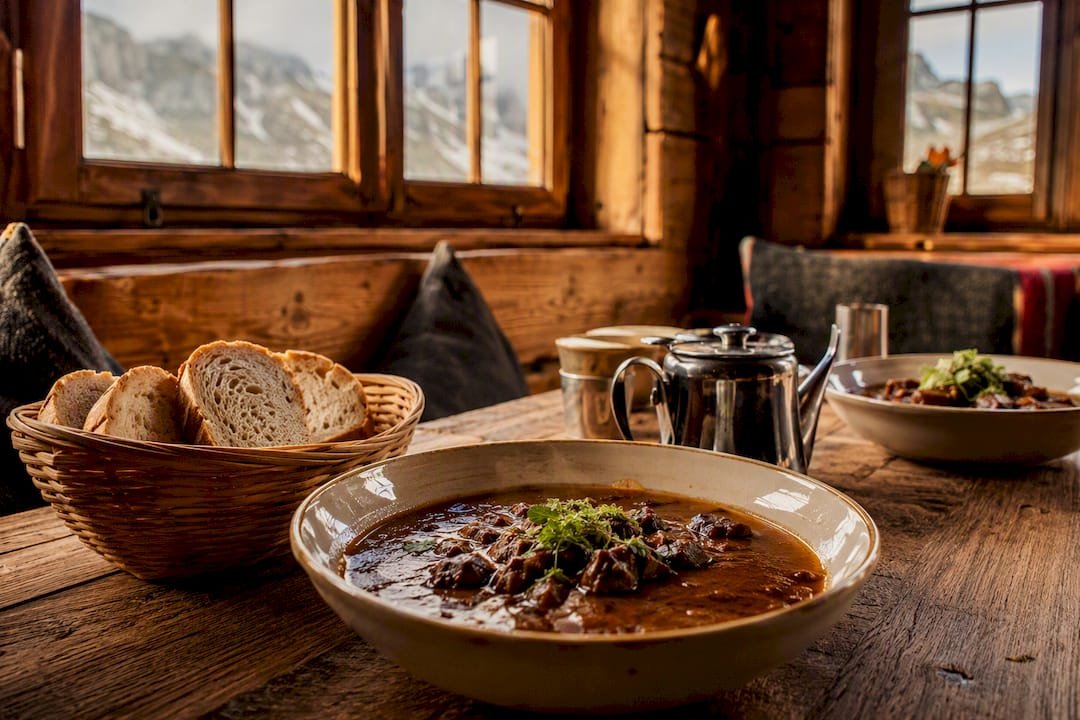
Down in the resort towns, Starý Smokovec and Tatranská Lomnica both have a reasonable spread of restaurants ranging from traditional Slovak taverns to more modern cafes, while Štrbské Pleso leans toward hotel dining given its resort character. Bryndzové halušky, the potato dumpling dish with sheep cheese, shows up on nearly every menu in the region and is worth trying at least once regardless of how many hiking calories you’re replacing.
Poprad offers the widest dining range if you want something beyond typical mountain-town fare, from bakeries and casual lunch spots to sit-down restaurants suited to an evening after a long transit day. Grocery stores in the main towns are useful for stocking up on trail snacks before a hut-to-hut leg, since prices at high-elevation huts run noticeably higher than in town, a fair trade given everything has to be carried or cabled up.
How Often Do Cable Cars and TEŽ Run in the Off-Season?
Both the TEŽ and the region’s cable cars trim their schedules considerably outside the June through September window, and travelers planning a shoulder-season or holiday trip need to build in extra buffer time. Off-peak hours on the TEŽ can mean waits that stretch well beyond what you’d experience in July, since frequency drops outside the busiest travel windows.
Winter shifts the entire transport picture toward ski season demand: cable cars serving ski areas run on ski-lift schedules rather than hiking-tourist schedules, and several high-elevation lifts and trails simply close for the season. Holiday weekends throughout the year, even in shoulder season, can bring unpredictable crowding or reduced service if operators run maintenance windows around lower-demand weekdays.
The safest approach is to treat every printed or online schedule as a starting point rather than a guarantee, particularly if you’re traveling in May, late September, or over a public holiday. Check the current TEŽ and cable-car operating pages the same week you travel, not months in advance, since seasonal timetables shift from year to year based on maintenance schedules and snow conditions.
A Publisher’s Note on Planning a High Tatras Trip
Good Tatras itineraries fail for one reason more than any other: travelers underestimate transit time between hikes and overestimate their own pace on unfamiliar terrain. Prioritizing safety checks and realistic transfer windows over cramming in one more peak makes the difference between a trip you remember fondly and one you remember as a scramble.
How Nextviewtours Makes a High Tatras Trip Easier
Nextviewtours is the alternative to piecing together trains, cable-car bookings, and hut reservations on your own for a High Tatras trip. Instead of juggling TEŽ timetables and hoping a Lomnický štít slot is still open, you get a route built around your fitness level and timeline before you ever land in Slovakia.

Nextviewtours’ multi-day trip options include itinerary customization matched to your hiking ability, certified local guides who know current trail and weather conditions, and support booking transfers and mountain huts before peak-season slots disappear. If you’d rather spend your planning time picking which peaks you want to see instead of decoding train schedules, check available trip types and start mapping your Slovakia dates.
Frequently Asked Questions
How many days do you need for a High Tatras itinerary?
Two days covers the essential highlights, but three or more days let you combine hiking with town visits or a side trip to Slovak Paradise National Park without rushing.
What is the best base for a High Tatras trip?
Štrbské Pleso suits lake-focused stays, Starý Smokovec offers the most central transit access, and Tatranská Lomnica gives the easiest cable-car access to Lomnický štít.
Do you need a guide to hike Rysy or Kriván?
No, both are hikeable independently by fit travelers in good weather, but Gerlachovský štít requires a certified guide by law.
How far ahead should you book the Lomnický štít cable car?
Two to three days ahead during high season, targeting a morning slot for the clearest visibility and thinner crowds.
Is the Tatra Electric Railway reliable for planning hikes?
It’s reliable for connecting the three main resorts, but service outside peak hours can be infrequent, so check the schedule the night before each hiking day.
Sources
Confirming schedules and trail status directly from official and specialist sources keeps your itinerary realistic instead of aspirational.
- The High Tatras Travel Guide — Frommer’s
- Hiking the High Tatras of Slovakia — EarthTrekkers
- Tatry
- Hiking safety in Slovakia — WorldNomads
- High Tatras Slovakia — Tripbase


Comments are closed