
 Adventure Tours
Choosing the perfect nature destination in Europe for your group or family trip can feel overwhelming. With hundreds of stunning landscapes ranging from rugged Scottish highlands to tranquil Slovenian valleys, how do you select the spot that matches your adventure level, accessibility needs, and sustainability values? This guide cuts through the confusion with clear selection criteria and profiles of Europe’s most compelling natural destinations, helping you make confident decisions for unforgettable nature experiences.
Table of Contents
- How To Choose The Best Nature Destination In Europe
- Isle Of Skye, Scotland: Rugged Adventure And Hiking Paradise
- Western Norway Fjords: Ultimate Fjord Scenery And Water Activities
- Madeira, Portugal: Subtropical Forests And UNESCO World Heritage Trails
- Comparison Of Top Nature Destinations In Europe
- Situational Recommendations: Choosing The Right Destination For Your Trip
- Plan Your Perfect European Nature Trip With Next View Tours
Key Takeaways
| Point | Details |
|---|---|
| Clear criteria simplify destination selection | Evaluate biodiversity, accessibility, sustainability, and group suitability to match your needs. |
| Europe offers diverse landscapes | From Scotland’s rugged peaks to Norway’s fjords, options suit every adventure style. |
| Balance accessibility with experience | Cable cars and developed trails help families, while remote paths challenge seasoned hikers. |
| Seasonality shapes trip success | Mild climates enable year round visits, while alpine destinations peak in specific months. |
| Comparative data guides decisions | Side by side evaluations reveal which destinations excel for your specific trip type. |
How to Choose the Best Nature Destination in Europe
Selecting the right nature destination requires evaluating several key factors that directly impact your group’s experience. Start with biodiversity and landscape uniqueness, as rich ecosystems and distinctive terrain create memorable encounters with wildlife and stunning photography opportunities. A destination’s variety of habitats, from coastal cliffs to alpine meadows, determines the range of nature experiences available.
Accessibility matters enormously for groups and families. Evaluate transport infrastructure, trail difficulty levels, and facilities like cable cars or shuttle services. Destinations with well maintained paths and visitor centers accommodate mixed ability groups more easily than remote wilderness areas requiring advanced skills. Check the nature tour selection guide for detailed accessibility comparisons.
Sustainability and overtourism risk deserve serious consideration. Popular spots can suffer from crowding that diminishes nature experiences and harms fragile ecosystems. Research visitor density data and choose destinations implementing conservation measures. Lesser known alternatives often provide equally spectacular landscapes without the crowds.
Seasonality impacts activity availability and comfort dramatically. Alpine hiking peaks in summer, while subtropical forests offer year round access. Weather patterns affect everything from trail conditions to wildlife visibility. Budget and logistics also play crucial roles, as remote destinations typically cost more to reach and require more planning time.
Follow this decision framework:
- Define your group’s physical ability level and preferred activities
- Set your sustainability priorities and overtourism tolerance
- Match destinations to your travel season and budget
- Verify current accessibility and booking requirements
Pro tip: Check recent overtourism reports and trail condition updates within two weeks of booking, as conditions change rapidly due to weather events and policy shifts.
Isle of Skye, Scotland: Rugged Adventure and Hiking Paradise
Isle of Skye stands as Scotland’s premier destination for adventurous groups seeking dramatic mountain landscapes and challenging trails. The island’s geology creates a playground of jagged peaks, coastal cliffs, and hidden valleys that reward experienced hikers with world class scenery. Over 117 km of established hiking trails wind through terrain ranging from coastal walks to demanding mountain ascents.
The iconic Skye Trail traverses the island’s length, linking remote bothies and showcasing the full spectrum of landscapes. Shorter routes like the Quiraing Loop and Old Man of Storr provide accessible day hikes with spectacular views. Rock formations shaped by ancient volcanic activity create unique photo opportunities at every turn.
Accessibility requires planning, as the island’s remote location means longer travel times from major cities. Regular bus services connect main villages, but having a vehicle provides flexibility for trailhead access. Local guide services offer expertise for groups wanting professional support on technical routes. Weather changes rapidly, so proper gear and contingency plans are essential.
Skye suits experienced hikers and adventure groups comfortable with variable conditions and moderate physical demands. Families with older children who enjoy hiking can tackle easier routes, but the destination shines brightest for those seeking genuine wilderness challenge. Explore adventure trip examples to see how Skye fits into multi destination itineraries.
Key features for adventure seekers:
- Dramatic Cuillin mountain range with technical scrambles
- Coastal cliffs exceeding 300 meters offering seabird watching
- Wild camping opportunities in designated areas
- Local distilleries and cultural sites for rest days
Pro tip: Plan for three weather scenarios in a single day by carrying layered clothing and waterproofs, even during summer months when conditions shift within hours.
Western Norway Fjords: Ultimate Fjord Scenery and Water Activities
Western Norway’s fjord network delivers some of Europe’s most awe inspiring natural architecture. Fjords extending up to 204 km carve between snow capped peaks that plunge directly into calm, deep waters. This unique geography creates perfect conditions for water based nature activities that appeal to families and groups seeking gentler adventures than mountain hiking.
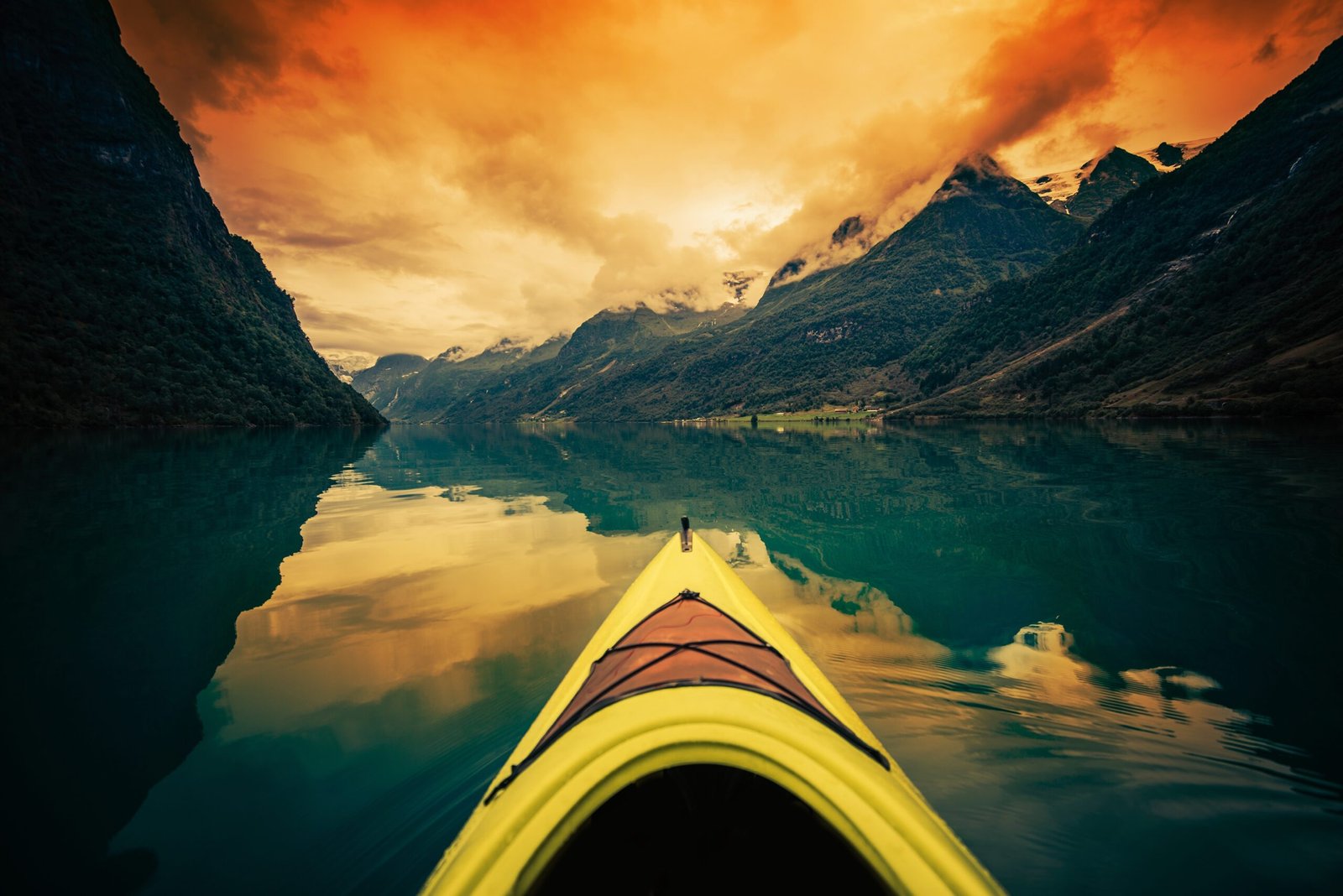
Kayaking allows intimate exploration of fjord arms and hidden coves inaccessible by larger vessels. The sheltered waters remain remarkably calm, making paddling suitable even for beginners under guided supervision. Sailing tours ranging from half day excursions to multi day voyages showcase the fjords’ scale and grandeur. Scenic cruises provide comfortable options for groups preferring relaxation over physical exertion.
Accessibility shines as a major advantage, with excellent transport infrastructure connecting fjord towns. Ferries and express boats link communities, while well maintained roads follow fjord shores. Bergen serves as the main gateway, offering international flights and train connections. Established tour operators provide equipment and expertise for all activity levels.
The destination suits families with young children, couples seeking romantic scenery, and groups mixing active pursuits with cultural experiences. Summer brings long daylight hours and warmest temperatures, while spring and autumn offer fewer crowds and dramatic light. Winter transforms the landscape with snow but limits some activities. Book ahead for peak season to secure spots for family friendly Norway fjords trips.
Top water based activities in order of popularity:
- Guided kayak tours exploring narrow fjord branches
- Scenic fjord cruises with onboard dining
- Sailing expeditions with overnight stays
- Stand up paddleboarding in sheltered bays
- Fishing excursions for cod and other species
Pro tip: Reserve guided tours three months ahead for July and August visits, as group spots fill quickly during peak season when cruise ships also visit popular fjords.
Madeira, Portugal: Subtropical Forests and UNESCO World Heritage Trails
Madeira presents a rare subtropical nature destination in Europe, offering year round mild weather and remarkable biodiversity. The island’s crown jewel, the Laurisilva forest, earned UNESCO World Heritage status for its 15,000 hectares of ancient laurel trees that once covered much of southern Europe. This ecological treasure creates a lush green backdrop for an extensive trail network.
The levada system, originally built for irrigation, now provides over 2,150 km of hiking trails following water channels through forests, valleys, and coastal areas. Trail difficulty ranges from flat, paved paths suitable for strollers to narrow routes requiring sure footing. Cable cars at multiple locations extend reach for those with mobility limitations, accessing high altitude trails without arduous climbs.
Year round temperatures between 17°C and 25°C eliminate seasonal restrictions that plague alpine destinations. Rainfall occurs mainly in winter but rarely disrupts activities for extended periods. This climate stability makes Madeira ideal for last minute bookings when weather elsewhere proves uncertain. Well developed tourist infrastructure includes excellent accommodation options, restaurants, and medical facilities.
The destination excels for families with varied ages and fitness levels, retirees seeking comfortable nature access, and groups wanting reliable weather. Botanical gardens and cultural attractions provide alternatives for non hiking days. Learn more about suitable family tours in Madeira options.
Accessibility advantages:
- Cable cars reach mountain trails from Funchal and Monte
- Paved levada walks accommodate wheelchairs in sections
- Short transfer times from airport to all regions
- English widely spoken in tourist areas
Pro tip: Match levada trails to your group’s least mobile member by checking recent condition reports, as some narrow sections have steep drop offs requiring steady balance and confidence.
Comparison of Top Nature Destinations in Europe
Comparing destinations side by side reveals crucial differences that should guide your selection. This table synthesizes key data points affecting group travel decisions, from landscape features to practical logistics. Fjord lengths and trail networks vary significantly, impacting the activities available and time needed for meaningful exploration.
| Destination | Biodiversity/Landscapes | Accessibility | Sustainability Score | Overtourism Risk | Best Seasons | Group Suitability |
|---|---|---|---|---|---|---|
| Isle of Skye | Rugged mountains, coastal cliffs | Moderate (remote access) | High (low impact) | Low to Moderate | May to September | Adventure groups, experienced hikers |
| Western Norway Fjords | Fjords to 204 km, snow peaks | High (excellent transport) | High (managed tourism) | Moderate | June to August | Families, water activity lovers |
| Madeira | Subtropical forest, levada trails | Very High (cable cars, paved paths) | High (conservation focus) | Moderate | Year round | Families, mixed abilities |
| Soča Valley | Emerald river, alpine valleys | Moderate (mountain roads) | Very High (pristine) | Very Low | May to October | Eco conscious, tranquility seekers |
| Trentino Alto Adige | Dolomite peaks, alpine meadows | High (ski infrastructure) | High (protected parks) | Moderate to High | June to September | Hikers, mountain enthusiasts |
Key trade offs emerge when examining accessibility versus wilderness authenticity. Madeira and Norway provide infrastructure supporting comfortable group travel, while Skye and Soča Valley offer more remote, untouched experiences requiring greater self sufficiency. Overtourism risk correlates with accessibility, as easier access attracts larger visitor numbers.
Cost differences reflect these factors. Remote destinations like Skye require more expensive transport but offer lower accommodation costs. Popular spots command premium prices during peak season but provide more tour operator competition. Infrastructure quality affects daily expenses, with well developed areas offering budget options alongside luxury choices.
Destinations excel in specific criteria:
- Best for families: Madeira (accessibility), Norway (varied activities)
- Best for adventure: Isle of Skye (challenging terrain), Trentino (alpine climbing)
- Best for sustainability: Soča Valley (low visitor impact), Skye (wilderness preservation)
- Best for accessibility: Madeira (cable cars), Norway (transport network)
- Best value: Madeira (year round), Skye (low season rates)
Seasonal timing dramatically affects experience quality. Alpine destinations face snow closures limiting hiking to four or five months. Coastal areas extend seasons but encounter stronger winds in shoulder periods. Subtropical Madeira provides consistency but still sees rain variation between months. Review the selecting nature tours in Europe guide for seasonal planning details.
Situational Recommendations: Choosing the Right Destination for Your Trip
Matching your group’s profile to the right destination ensures satisfaction and safety. Family friendly nature trips benefit from Madeira’s moderate trails and stable weather, while adventurous hikers thrive on Isle of Skye’s challenges. Understanding these alignments prevents mismatched expectations that lead to disappointing experiences.
Families with young children or elderly members should prioritize Madeira or Western Norway. Cable car access and gentle levada walks accommodate strollers and wheelchairs in many areas. Norway’s fjord cruises provide nature immersion without physical demands. Both destinations offer medical facilities and English speaking services that ease concerns for parents and caregivers. Explore family friendly trips Europe for detailed itineraries.
Adventure seeking groups wanting physical challenge belong on Isle of Skye or in Trentino Alto Adige. Skye’s rugged terrain and unpredictable weather test skills and resilience, creating bonding experiences for capable hikers. Technical scrambles and multi day treks reward those with proper preparation. Check adventure trips Europe for skill level requirements.
Water activity enthusiasts should focus on Western Norway’s fjords or consider coastal sections of other destinations. Kayaking, sailing, and cruising provide alternatives to hiking that still deliver spectacular nature encounters. These activities suit groups with mixed fitness levels, as boats accommodate varying participation levels.
Eco conscious travelers prioritizing sustainability and solitude find ideal conditions in Soča Valley or off season visits to Skye. Low visitor density protects ecosystems and enables genuine wilderness connection. These destinations reward those willing to accept basic facilities and self guided exploration. Review eco conscious nature tours for responsible travel practices.
Quick situational matching guide:
- First time nature travelers: Madeira or Norway (infrastructure support)
- Budget conscious groups: Skye or Soča Valley (lower costs)
- Photography focused: Norway or Trentino (dramatic landscapes)
- Multi generational families: Madeira (varied difficulty options)
- Solo adventure seekers: Skye or Soča (wilderness immersion)
Timing your trip around group logistics matters as much as destination choice. School holidays and work schedules often dictate travel windows, so select destinations with favorable conditions during your available dates. Madeira’s year round accessibility provides maximum flexibility, while alpine areas require summer visits unless winter sports are your goal.
Plan Your Perfect European Nature Trip with Next View Tours
Transforming these destination insights into a seamless travel experience requires expert planning and local knowledge. Next View Tours specializes in customized nature and adventure trips across Europe, organizing everything from daily excursions to multi day expeditions. Whether you envision family friendly levada walks in Madeira, challenging Skye hikes, or peaceful fjord cruises, tailored itineraries match your group’s interests and abilities.
Explore diverse trip types ranging from private family tours to large group adventures, all designed around Europe’s most compelling natural landscapes. Our group tours guide explains options for organized departures, while our expertise in how to organize adventure tours ensures multi day trips run smoothly with proper logistics, accommodations, and activity coordination.
Next View Tours delivers expertly crafted nature experiences across Europe, handling complex logistics so groups can focus on creating memories in spectacular natural settings.
FAQ
What are the most accessible European nature destinations for families?
Madeira tops the accessibility list with cable cars reaching mountain trails and gentle levada walks accommodating wheelchairs in sections. Year round mild weather eliminates seasonal planning stress. Western Norway fjords also excel through excellent transport networks and cruises requiring minimal physical effort, though activities involve more moderate demands than Madeira’s easiest trails. Both destinations provide English speaking services and medical facilities families appreciate. Check family friendly trips Europe for detailed accessibility comparisons.
How can I avoid overtourism while enjoying Europe’s top nature spots?
Choose lesser known destinations like Soča Valley in Slovenia, where visitor density remains very low despite spectacular emerald river scenery and pristine alpine valleys. Schedule visits during shoulder seasons when even popular spots see reduced crowds. Research overtourism scores before booking, as destinations implement visitor limits and reservation systems. Early morning starts at popular viewpoints beat tour bus arrivals. Follow eco travel tips for responsible practices minimizing your impact.
When is the best season to visit Madeira and Trentino Alto Adige for hiking?
Madeira supports hiking year round thanks to subtropical climate maintaining temperatures between 17°C and 25°C across all months. Winter brings more rain but rarely disrupts plans for consecutive days. Trentino Alto Adige’s hiking season concentrates from late May through early October when snow clears from high altitude trails. July and August offer warmest conditions but attract peak crowds, while June and September provide excellent weather with fewer visitors. Reference summer trip timing for seasonal activity calendars.
What makes Isle of Skye suitable for adventure groups specifically?
Skye delivers genuine wilderness challenge through rugged terrain, unpredictable weather, and remote locations testing group skills and resilience. Over 117 km of trails range from coastal walks to technical scrambles requiring route finding and scrambling ability. The island’s isolation creates self sufficiency requirements that bond adventure focused groups. Variable conditions demand proper gear and contingency planning, skills adventure travelers value for authentic experiences rather than viewing as obstacles.
How do I balance sustainability concerns with visiting popular nature destinations?
Prioritize destinations implementing active conservation measures and visitor management systems. Support local businesses and guides who employ sustainable practices rather than large international operators. Travel during off peak periods to distribute visitor impact across more months. Choose accommodations with environmental certifications and use public transport where available. Stick to marked trails, pack out all waste, and respect wildlife viewing distances. Your destination choice itself matters most, as visiting lower impact areas like Soča Valley over heavily touristed alternatives makes the biggest difference.


Comments are closed