
 Uncategorized
TL;DR:
- Experiential travel involves active participation and cultural immersion rather than passive sightseeing.
- Authentic experiences are led by locals, involve community benefit, and focus on personal connection.
- Slowing down and choosing meaningful, community-based activities creates more transformative travel moments.
Most travelers return from Europe with photos of the Eiffel Tower or the Colosseum, yet feel strangely empty afterward. You saw the famous sites, you checked the boxes, but something was missing. That feeling points to a real gap between traditional sightseeing and what travel can truly offer. Experiential travel fills that gap by placing you inside the culture rather than standing outside it with a camera. This guide breaks down what experiential travel actually means, how it works across Europe’s most compelling regions, and how you can design a journey that leaves you genuinely changed rather than just tired.
Table of Contents
- What is experiential travel?
- Types of experiential travel in Europe
- How to choose authentic and meaningful experiences
- Common pitfalls and how to avoid them
- Designing your own experiential journey
- A new era of European travel: Why personal connection matters most
- Ready to craft your own experiential adventure?
- Frequently asked questions
Key Takeaways
| Point | Details |
|---|---|
| Immersion over sightseeing | Meaningful travel comes from active cultural involvement, not just visiting sites. |
| Choose authentic activities | Seek local-led, small-group, and community-based experiences for maximum impact. |
| Avoid common pitfalls | Superficial or crowded activities risk missing the true spirit of experiential travel. |
| Personal connection trumps quantity | A single authentic experience can be more valuable than rushing through multiple attractions. |
| Plan with purpose | Customize journeys to reflect your interests and support thoughtful, sustainable tourism. |
What is experiential travel?
Experiential travel is not simply about doing more activities. It is a fundamentally different approach to how you engage with a destination. Instead of moving through a checklist of famous landmarks, you participate actively in the local rhythms of daily life. You cook, hike, create, listen, and connect. The experience is the destination.
At its heart, experiential travel rests on three core principles: participation, sensory engagement, and personal transformation. You are not watching a culture perform for tourists. You are joining in on something that exists with or without your visit. That distinction matters enormously.
“The most memorable travel moments come not from what you see, but from what you do, who you meet, and how a place changes your understanding of the world.”
According to experiential travel research, the main types of experiential travel include:
- Culinary experiences: Hands-on cooking classes, guided market tours, farm visits, and meals shared with local families
- Adventure experiences: Hiking with knowledgeable local guides, kayaking through rural waterways, or cycling through wine country
- Cultural experiences: Participating in traditional workshops, attending local festivals, learning folk crafts from artisans
- Community-based experiences: Homestays, volunteer projects, and language exchanges with residents
Each of these formats prioritizes your active involvement. The goal is not to observe but to absorb. You explore tour experience types across Europe and notice that the most transformative options share one quality: they are designed around local knowledge, not tourist convenience.
Pro Tip: When researching trips, ask whether the experience can exist without tourists. If the answer is yes, it is likely authentic. If the experience was built specifically for outside visitors, approach it with more scrutiny.
Types of experiential travel in Europe
Europe offers an extraordinary canvas for every experiential travel format. The continent’s cultural diversity means that within a few hours of travel, you can shift from Alpine hiking culture to Mediterranean culinary traditions to Celtic festival traditions. Here are some of the most powerful examples:
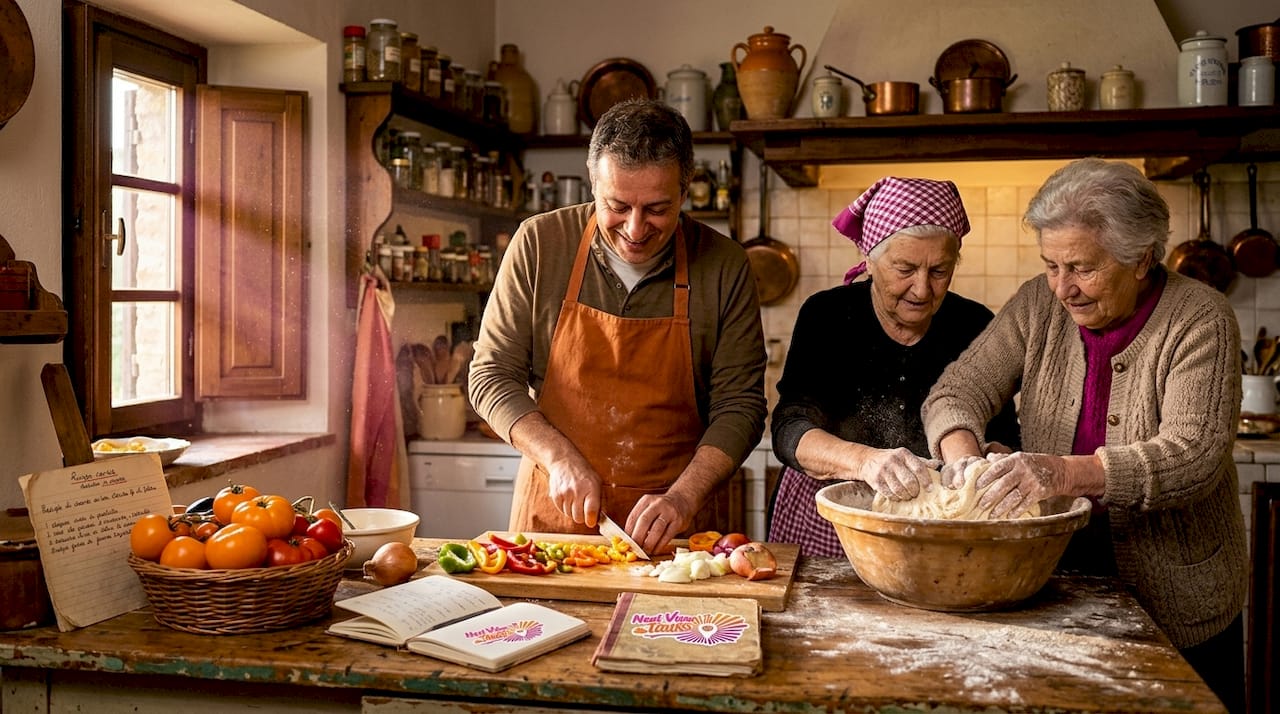
- Culinary travel in Tuscany: Cooking alongside a Florentine family using recipes passed down for generations creates a personal connection no restaurant can replicate. You learn about seasonal ingredients, regional pride, and the social importance of food in Italian culture.
- Adventure travel in the Austrian Alps: Hiking with a local guide who knows every trail, every hidden viewpoint, and the ecological history of the land gives you layers of meaning that a solo hike cannot.
- Cultural immersion in the Basque Country: Participating in a traditional Basque village festival, where music, sport, and food are woven into community identity, places you inside a living cultural tradition rather than a museum exhibit.
- Community-based travel in rural Greece: Staying with a local family, helping with olive harvesting, and sharing evening conversations over simple meals builds a sense of genuine belonging.
- Craft workshops in Prague or Vienna: Glassblowing, traditional ceramics, or bookbinding classes led by practicing artisans connect you directly to centuries of European craft heritage.
The contrast between traditional tourism and experiential travel becomes very clear when you compare them side by side:
| Trip Theme | Traditional Tourism | Experiential Travel |
|---|---|---|
| Culinary | Restaurant dining, food hall visits | Cooking class with a local family, market tour |
| Nature | Bus tour through national parks | Guided hike with a local naturalist |
| Culture | Museum visits, audio guides | Festival participation, craft workshops |
| History | Monument photos, guidebook facts | Walking tour led by a local historian |
| Community | Hotel stay in tourist district | Homestay or village guesthouse |
You can customize private tours across Europe to blend several of these formats into one cohesive journey. The key is intentional design, not just adding activities to an itinerary.
According to leading travel education resources, experiential travel categories such as culinary, adventure, cultural, and community-based travel consistently produce higher satisfaction and stronger long-term memories compared to passive sightseeing.
How to choose authentic and meaningful experiences
With experiential travel growing in popularity, not every provider delivers on its promise. Some operators use the language of immersion while delivering polished, tourist-friendly performances that look authentic but feel hollow. Knowing how to evaluate options protects your time, money, and emotional investment.
Here are the most reliable markers of genuine experiential travel:
- Local leadership: Experiences led by people who live in the community, not professional entertainers hired from outside
- Small group sizes: Intimate settings with fewer than twelve participants allow for genuine interaction and personalized conversation
- Real community integration: The activity should benefit or involve local residents in a meaningful way, not just provide a backdrop for tourist photos
- Transparency about practices: Authentic operators openly explain where revenue goes and how they support local communities
- Flexibility and personalization: Rigid, scripted tours rarely reflect authentic local life; genuine experiences adapt to the moment
Experiential travel risks becoming superficial when authenticity is not the driving force. Overtourism is a direct consequence of poorly designed immersive experiences that concentrate too many visitors in sensitive communities or ecosystems.
Local-led European experiences such as cooking with families, rural hiking, and village stays consistently provide deeper cultural insight while avoiding the commodification that undermines meaning.
When you assess a potential experience, ask three simple questions. First, who designed this experience and for whom? Second, does money flow back to the local community? Third, will I be participating or merely watching? If the answers satisfy you, book with confidence.
Pro Tip: Search for experiences that have been running for several years with repeat local participation. Longevity and community continuity are strong indicators of authentic cultural engagement, not just clever marketing.
You can also explore immersive travel trends across Europe to understand which regions and formats are gaining recognition for responsible, meaningful design. Pairing this research with private tour customization gives you both flexibility and quality assurance.
Common pitfalls and how to avoid them
Even experienced travelers fall into patterns that undermine the experiential ideal. Awareness is your best tool for avoiding these traps before they compromise your journey.
Overtourism and crowd dynamics represent the most significant structural risk. When large numbers of travelers seek the same “authentic” experiences simultaneously, the authenticity erodes. Venice’s canal tours, Santorini’s sunset spots, and certain Airbnb-hosted cooking classes in major cities have all been affected by this paradox.
Here are the pitfalls to watch for most carefully:
- Following mass itineraries: Booking the same experiences featured in every travel influencer’s content almost guarantees a crowded, performative version of the real thing
- Ignoring seasonal rhythms: Local festivals and rural traditions have natural timing; forcing visits outside those windows produces tourist simulations rather than genuine events
- Treating culture as a commodity: Photographing sacred ceremonies without permission, or haggling aggressively over artisan prices, signals disrespect that damages community trust
- Choosing convenience over connection: The easiest, most convenient option is rarely the most meaningful; authentic experiences often require a little more effort to find and arrange
- Skipping preparation: Arriving in a community without basic knowledge of its history or customs limits your ability to engage genuinely and shows a lack of respect
Sustainable European travel practices have moved from a niche concern to a mainstream expectation. Travelers who prioritize low-impact, community-supportive choices are setting a new standard for what responsible tourism looks like in 2026.
A key insight worth internalizing: Guided tours that embrace current trends in responsible travel show consistently stronger traveler satisfaction scores and generate more positive community relationships than budget operators focused on volume.
The simplest way to avoid pitfalls is to slow down. Fewer destinations, longer stays, and more intentional engagement always produce richer results than trying to cover every highlight on a continental sweep.
Designing your own experiential journey
Planning an experiential trip requires a different kind of preparation than booking a standard vacation. You are not just selecting hotels and checking flight prices. You are curating a series of meaningful encounters.
Here is a sample one-day experiential itinerary in the Austrian region, built around genuine engagement:
- Morning: Join a local farmer for a guided walk through alpine meadows, learning about traditional herb cultivation and land management practices passed down over generations
- Late morning: Participate in a hands-on cheese-making session at a family dairy, learning the relationship between pasture, season, and flavor
- Afternoon: Sit with a retired glassblower in their workshop and try the craft yourself, even at a beginner level
- Early evening: Share a meal with your host family, listening to stories about the region’s history and asking questions you genuinely want answered
- Evening: Attend a small local music performance, not a tourist show, but a regular community event where you happen to be a welcome guest
| Planning Element | Key Question to Ask | Why It Matters |
|---|---|---|
| Region selection | Is this place known for living traditions? | Ensures cultural depth exists |
| Operator vetting | Who leads the experience locally? | Guarantees authentic engagement |
| Group size | Will I have room for real conversation? | Affects connection quality |
| Duration | Is this long enough to build rapport? | Short visits rarely go deep |
| Flexibility | Can the experience adapt to the moment? | Reflects genuine rather than scripted engagement |
According to research on European local travel, prioritizing local-led experiences like family cooking sessions and rural hikes consistently helps travelers bypass tourist traps and gain genuinely immersive cultural insights.
Pro Tip: Build one completely unplanned morning into every experiential trip. Walk without a destination, sit in a local café, and let the day offer what it will. Some of the most memorable moments in travel come from this kind of open availability.
You can begin designing your journey now by working with a team that understands how to customize private tours for individual interests, whether culinary, adventure, cultural, or community-focused.

A new era of European travel: Why personal connection matters most
Most travel guides, even good ones, focus on the logistics of experiential travel. They list the best cooking schools in Bologna or the top hiking routes in Slovenia. That information is useful, but it misses the deeper truth about what makes travel genuinely transformative.
The real value of experiential travel is not the activity itself. It is the relationship that forms around the activity. When you cook beside an Italian grandmother, the pasta is almost beside the point. What changes you is the conversation, the laughter over a mistake, the moment she shows you how her mother held the knife. That is where memory forms and where your understanding of another human life expands.
We have worked with travelers across Europe and watched this pattern hold consistently. The people who return from trips most energized and most changed are not the ones who visited the most sites. They are the ones who made one genuine connection in each place they visited.
This means mindset matters as much as itinerary. Travelers who arrive with curiosity rather than a checklist, with patience rather than efficiency, consistently report deeper satisfaction. They are also the travelers who get invited back. Locals recognize genuine interest. It is not something you can perform convincingly for long.
The types of tour experiences we believe in most are the ones designed with this relational quality at their center. Not experiences built for convenience, but experiences built for connection. That is a harder thing to design and a harder thing to sell, but it is the only kind that truly lasts.
Ready to craft your own experiential adventure?
Inspiration is the beginning, but expert guidance makes the difference between a good trip and an extraordinary one.

At Next View Tours, we specialize in curating European adventures that prioritize genuine cultural immersion over surface-level sightseeing. Whether you are drawn to culinary traditions, alpine adventures, historic festivals, or community-based experiences, our team can match your interests to the right destination, guide, and format. Explore our customized tours guide to see how personalization works in practice. Browse our full range of trip types across Europe, or go deeper with our multi-day European adventures built specifically for immersive, meaningful travel. Your next meaningful journey starts here.
Frequently asked questions
What is the core difference between experiential and traditional travel?
Experiential travel centers on active cultural involvement such as cooking classes, workshops, and community stays, while traditional travel typically means visiting famous sites as a passive observer.
Are experiential travel experiences safe for solo travelers?
Yes, particularly when you select local-led, small-group options from reputable operators, as these formats provide structure, community, and knowledgeable guidance throughout your experience.
How can I ensure my experience is authentic and not just a tourist trap?
Look for experiences led by community members rather than outside entertainers, and check whether the activity has genuine local participation, as superficial experiential travel often lacks real cultural exchange and community benefit.
What is one quick way to start planning an experiential trip to Europe?
Pick a single interest, whether cooking, wildlife, folk music, or artisan crafts, and search specifically for local-led workshops or guided tours in that category rather than starting with a destination and filling it with activities.
Recommended
- 7 Engaging Educational Tour Ideas Europe for Students – Next View Tours
- Tour Experience Types – How They Shape Your European Adventure – Next View Tours
- What Is an Adventure Tour – Real Experiences, Lasting Impact – Next View Tours
- How to Book Adventure Tours for Custom European Experiences – Next View Tours
- 5 unieke Wadden ervaringen op Ameland voor elk type reiziger
- Adevăratul Castel al lui Dracula – o călătorie între legende și realitate – Viziteaza castelul Dracula Transfagarasan


Comments are closed