 Uncategorized
TL;DR:
- Nature tours provide immersive, educational experiences centered on natural landscapes and wildlife.
- Responsible tourism emphasizes ethical practices, conservation, and minimizing environmental impact.
- Guided tours enhance understanding, support local economies, and contribute to habitat preservation.
Nature-based tourism is reshaping how we connect with the planet, and the numbers are striking. Protected landscapes around the world receive 8 billion visits per year, yet most travelers barely scratch the surface of what those environments offer. A nature tour changes that entirely. It transforms a walk through a forest or a morning beside a wetland into something genuinely educational, emotionally resonant, and ecologically meaningful. In this guide, we cover everything you need to know: what a nature tour actually is, the types available across Europe, the real benefits, the ethical responsibilities, and how to make the most of your experience.
Table of Contents
- What is a nature tour? Core definition and features
- Types of nature tours and popular experiences in Europe
- Benefits of guided nature tours: Education, enrichment, and impact
- Risks and ethics: How to ensure your nature tour makes a positive impact
- The real impact of nature tours: Lessons from behind the scenes
- Discover the best nature tours for your next European adventure
- Frequently asked questions
Key Takeaways
| Point | Details |
|---|---|
| Nature tours defined | Guided experiences in natural settings, focusing on ecological education and immersion. |
| Wide range of options | Europe offers diverse nature tours, from birdwatching to mountain adventures, for all interests and fitness levels. |
| Impact matters | Tourism in protected areas supports local economies but requires careful planning to avoid harm to wildlife and habitats. |
| Ethics are essential | Responsible behavior and choosing ethical operators make nature tours rewarding for both you and the environment. |
What is a nature tour? Core definition and features
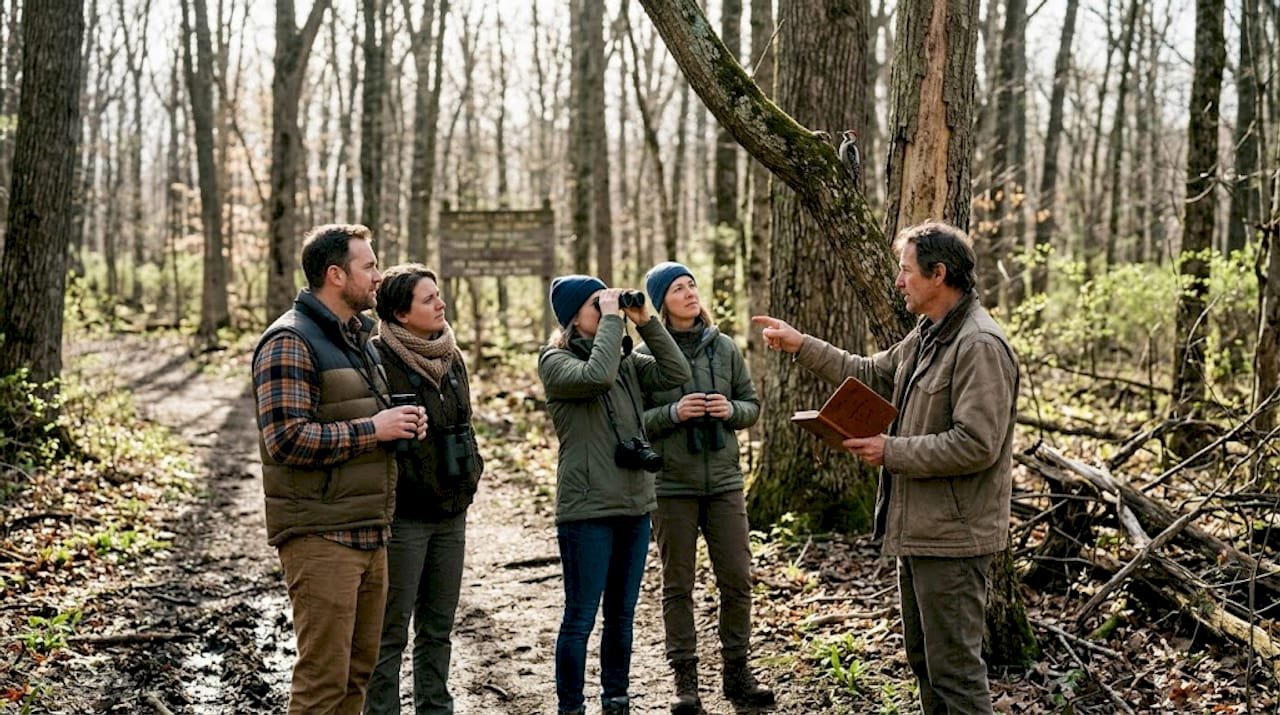
A nature tour is a guided travel experience centered on natural landscapes, wildlife, and ecosystems. Unlike standard city sightseeing or cultural itineraries, a nature tour places the natural world at the center of every moment. Your focus shifts from monuments and museums to meadows, migration patterns, and mountain ridgelines.
The defining features of a genuine nature tour include:
- Expert-led guidance: A knowledgeable guide interprets what you see, from bird calls to geological formations, adding layers of meaning that self-exploration rarely achieves.
- Immersive environments: Think ancient forests, coastal marshes, alpine meadows, river deltas, and volcanic landscapes.
- Educational depth: You don’t just observe. You learn the relationships between species, the history of a habitat, and the forces that shaped the landscape.
- Conservation values: Responsible operators incorporate low-impact practices, contribute to local conservation funds, and educate travelers on protecting the spaces they visit.
- Small group dynamics: Most quality nature tours limit group sizes to reduce disturbance and create a more personal, attentive experience.
What separates a nature tour from what is a guided tour in the traditional sense is intention. A city tour informs. A nature tour transforms. You leave with not just photographs but a new understanding of how living systems work and why they matter.
“Nature tours enrich via education and immersion but need strict ethics to avoid negative impacts.”
Environments explored range widely. You might spend a morning tracking wolves through Carpathian lowlands, an afternoon identifying orchids in Mediterranean scrubland, or a full day learning to read tidal patterns along the Atlantic coast. Each setting demands a different pace, vocabulary, and sensory awareness. That variety is exactly what makes eco travel across Europe so endlessly rewarding for curious outdoor travelers.
The key distinction worth keeping in mind: a nature tour is not a hike with company. It is a structured experience designed to connect you meaningfully with a living landscape.
Types of nature tours and popular experiences in Europe
Europe holds extraordinary ecological diversity, from boreal forests in Scandinavia to sun-baked Mediterranean lagoons. The continent’s nature tour offerings reflect that variety, spanning everything from intense wilderness expeditions to gentle half-day birdwatching walks.
Here’s how the most popular tour types compare:
| Tour type | Intensity level | Group size | Key focus |
|---|---|---|---|
| Birdwatching tour | Low to moderate | 4 to 12 | Species identification, habitat ecology |
| Alpine hiking tour | Moderate to high | 6 to 15 | Geology, flora, physical challenge |
| Wetland safari | Low | 4 to 10 | Wildlife observation, conservation |
| Geological tour | Low to moderate | 6 to 14 | Rock formations, landscape history |
| Forest immersion | Low | 4 to 10 | Biodiversity, mindfulness, ecology |
Some of the most compelling regional experiences include:
- Białowieża Forest, Poland: One of Europe’s last primeval forests, home to European bison. Birdwatchers in Białowieża spend significantly more on tours than other visitors, reflecting the premium placed on genuine wilderness access.
- The Alps: Spanning Austria, Switzerland, and beyond, alpine tours combine dramatic geology, rare wildflowers, and panoramic elevation.
- Camargue, France: A Mediterranean wetland teeming with flamingos, wild horses, and migratory species, ideal for low-intensity wildlife observation.
- Danube Delta, Romania: One of Europe’s most biodiverse river systems, best explored by boat with a local naturalist guide.
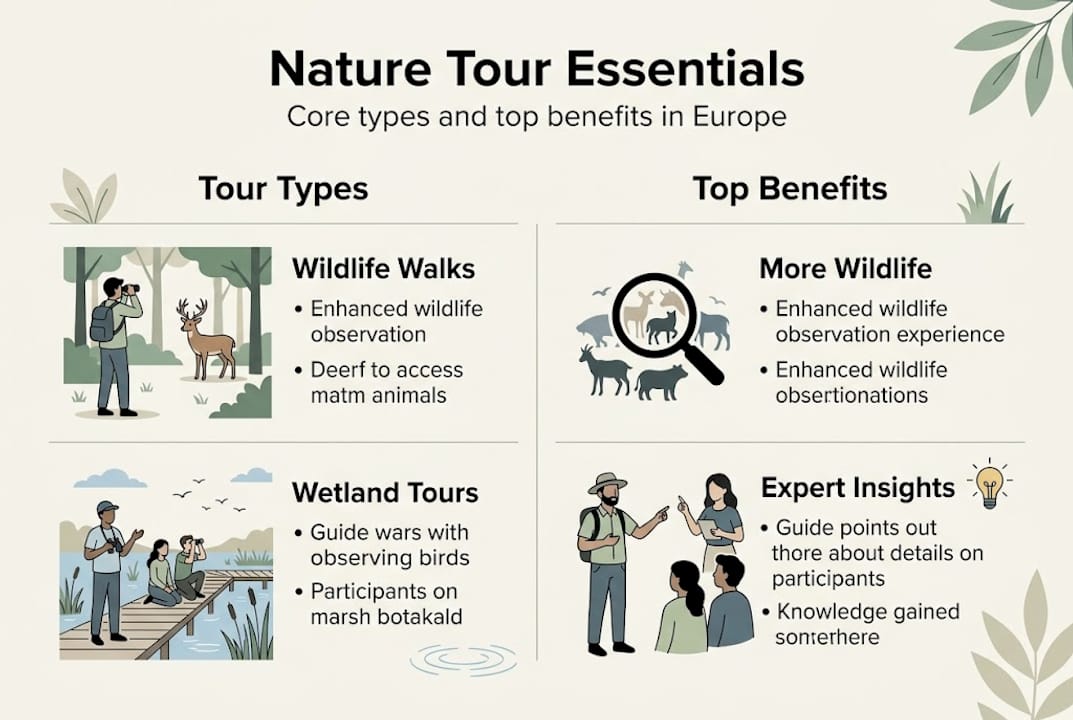
Guided tours consistently outperform self-guided experiences in terms of knowledge gained and wildlife encountered. A skilled guide knows where the eagle nests, which trail reveals the most wildflower diversity, and when to stay silent.
Pro Tip: When selecting European nature tours, ask operators specifically about guide qualifications and group size limits. These two factors predict tour quality more reliably than price alone.
Benefits of guided nature tours: Education, enrichment, and impact
Guided nature tours deliver value well beyond the experience itself. The benefits ripple outward to local economies, conservation programs, and the traveler’s own personal growth.
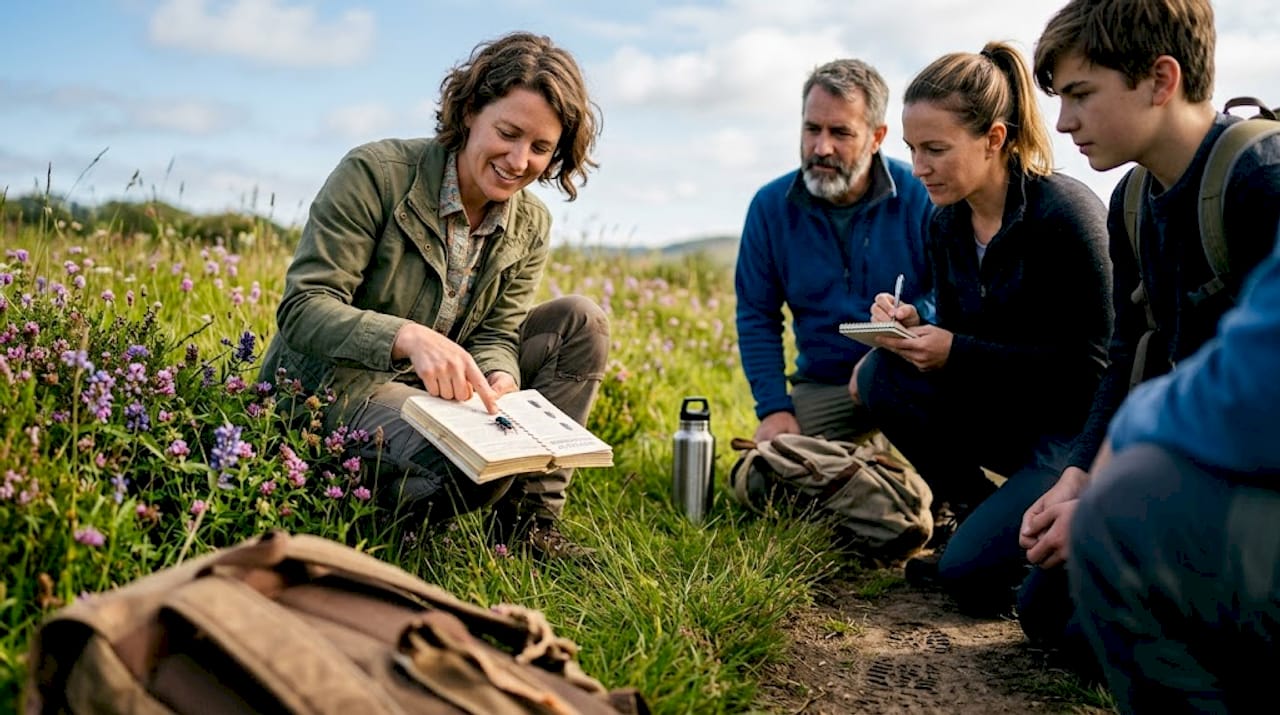
Here’s what expert-led nature tours bring to each stakeholder:
| Stakeholder | Key benefit |
|---|---|
| Traveler | Deeper understanding, richer experience, stronger nature connection |
| Local community | Income from tourism spending, employment for local guides |
| Conservation efforts | Park fees, reduced pressure from unchecked visitor behavior |
| Wildlife and habitat | Lower disturbance through guided, structured access |
For you as a traveler, the enrichment is immediate. A guide doesn’t just name a bird. They explain its migration route, its role in the food web, and why its population is changing. That context turns a fleeting sighting into a memorable story. Research confirms that protected areas in Europe attract disproportionate tourism and higher spending, directly benefiting local communities who depend on those landscapes.
The numbered steps below reflect how the value builds during a well-run guided tour:
- Arrival orientation: Your guide sets the ecological scene, giving you the vocabulary and context to understand what you’ll encounter.
- Active observation: You learn to identify species, read animal behavior, and interpret landscape features in real time.
- Guided discussion: Questions are welcomed, making the experience interactive rather than passive.
- Conservation dialogue: Guides explain current threats to the habitat and how visitor fees contribute to management.
- Post-tour reflection: Many operators offer wrap-up discussions or resource materials to deepen what you’ve learned.
Pro Tip: Opt for benefits of group tours with certified naturalist guides rather than generalist tour leaders. The difference in ecological knowledge and storytelling ability is enormous. You can also explore nature trips with less impact to plan experiences that give back to the landscapes you visit.
Risks and ethics: How to ensure your nature tour makes a positive impact
Every thriving ecosystem carries a paradox when it comes to tourism. The more beautiful and accessible a natural area becomes, the more visitors it attracts. And more visitors, without proper management, can erode the very qualities that made it special.
“Over-tourism and close wildlife encounters can harm delicate environments and stress animals.”
This is the conservation paradox every responsible traveler needs to understand. Popularity brings economic benefits but also ecological risks if visitor behavior isn’t guided carefully.
Ethical essentials for nature tour travelers:
- Respect wildlife distance: Never approach animals closer than your guide recommends. Stress responses in wildlife can disrupt feeding, nesting, and migration.
- Stay on marked paths: Vegetation off-trail takes years to recover from foot traffic. Even a single step into sensitive habitat can cause lasting damage.
- Follow group size rules: Smaller groups cause less noise disturbance and ecosystem disruption. Be cautious of operators who advertise large group experiences in sensitive areas.
- Leave no trace: Carry out everything you carry in. This includes food wrappers, sunscreen-contaminated water, and even sound pollution from loud conversations.
- Ask your operator the hard questions: Do they have an eco-certification? Do they employ local guides? Do they contribute to conservation funds?
Choosing responsible operators is the single most effective action you can take. Look for affiliations with recognized bodies like Leave No Trace, the Global Sustainable Tourism Council, or national park partnerships. When you explore lower-impact nature trips, you choose experiences that protect the landscapes you’re visiting rather than quietly degrading them.
The ethical traveler isn’t just a passive participant. You are part of the conservation equation every time you book, behave, and advocate for responsible practices.
The real impact of nature tours: Lessons from behind the scenes
Here’s something most nature tour marketing won’t tell you: the quality of your experience, and the ecological integrity of the place you visit, depends more on traveler behavior than on any destination attribute.
We’ve seen it repeatedly. A stunning wetland ecosystem can be observed quietly and leave behind no trace. Or that same wetland can be photographed aggressively, with visitors ignoring boundaries and chasing birds for a closer shot. The landscape doesn’t change. The behavior does.
What expert guides genuinely wish every traveler knew is this: curiosity and restraint are not opposites. They work together. The traveler who pauses, listens, and waits almost always sees more than the one who rushes forward. And that patience directly reduces the stress placed on wildlife and fragile habitats.
Guide empowerment matters, too. When operators give guides the authority to redirect groups, stop approaches, or end an encounter early, everyone benefits including the traveler. Trust your guide’s judgment even when it feels limiting. That limitation is the experience working as it should.
For in-depth eco travel insight that goes beyond standard trip planning, seek operators who invest in guide training and make conservation education a central part of every tour, not an afterthought.
Discover the best nature tours for your next European adventure
Ready to move from reading about nature tours to actually experiencing one? We’ve designed our offerings with exactly this balance in mind: genuine ecological access, expert interpretation, and responsible practices that protect the places you visit.
At Next View Tours, you’ll find top European adventure trips that go deep into the continent’s most captivating natural landscapes. Whether you’re drawn to birdwatching in ancient forests, hiking through alpine terrain, or exploring river ecosystems by boat, our all trip types page gives you a full picture of what’s available. Not sure where to start? Our practical resource on choosing adventure trips walks you through every consideration, from fitness level to ecological interest, so you find the experience that fits you perfectly.
Frequently asked questions
What makes a nature tour different from a typical sightseeing trip?
Nature tours focus on guided experiences in natural landscapes, with expert-led education and conservation at their core, rather than built attractions or cultural monuments.
Can nature tours really help protect the environment?
Yes. Responsible nature tours channel visitor spending directly into park management and local livelihoods, and protected area tourism has been shown to support conservation infrastructure across rural Europe.
Are there risks to wildlife from nature tours?
Over-tourism without capacity limits harms ecosystems and stresses animals, making ethical guidelines and trained guides essential for any nature tour.
How do I choose a responsible nature tour operator?
Look for small-group operators committed to ethical practices, local guides, and recognized eco-certifications such as those from the Global Sustainable Tourism Council.
What are the most popular nature tours in Europe right now?
Birdwatching in Poland’s Białowieża Forest, where specialist visitors spend significantly more, hiking the Alps, and Mediterranean wetland expeditions top the list for dedicated nature lovers in 2026.


Comments are closed