
 City Tour
Most travelers are surprised to learn that Vienna rivals any American or European city for cultural impact and quality of life. This city has shaped history for centuries, blending imperial grandeur with modern creativity and innovation. With its legendary music scene, stunning architecture, and world-class museums, Vienna stands out as a destination where past and future meet. Discover how this Austrian capital continues to set global standards in the arts, urban design, and everyday living.
Table of Contents
- Vienna’s Identity and Global Influence
- Imperial History and Famous Landmarks
- Arts, Music, and Contemporary Culture
- Viennese Cuisine and Culinary Delights
- Seasonal Events and Best Times to Visit
- Vienna Versus Other European Cities
Key Takeaways
| Point | Details |
|---|---|
| Cultural Hub | Vienna seamlessly blends historical legacy with modern innovation, making it a central cultural powerhouse. |
| Architectural Grandeur | The city’s imperial architecture reflects its rich history and continues to attract global visitors. |
| Vibrant Artistic Scene | Vienna fosters a dynamic artistic landscape that honors tradition while embracing contemporary creativity. |
| Exceptional Quality of Life | Consistently ranked among the most livable cities, Vienna offers robust social infrastructure and sustainable urban development. |
Vienna’s Identity and Global Influence
Vienna stands as a transformative global city where cultural legacy and modern innovation converge seamlessly. Beyond its picturesque streets and imperial architecture, the Austrian capital represents a profound intersection of historical significance and contemporary dynamism. Through centuries of intellectual, artistic, and social evolution, Vienna has consistently redefined itself as a global cultural powerhouse.
The city’s global influence emerges from multiple dimensions of excellence. Vienna has been a crucible of intellectual movements, hosting groundbreaking thinkers like Sigmund Freud, Gustav Klimt, and Arnold Schoenberg who fundamentally reshaped global perspectives in psychology, art, and music. Jewish history in Vienna particularly illustrates this cosmopolitan narrative, showcasing how diverse cultural contributions shaped the city’s intellectual landscape. Its musical heritage remains unparalleled, with Vienna birthing classical music traditions that continue to inspire global audiences through legendary composers like Mozart and Beethoven.
Modern Vienna seamlessly blends historical gravitas with contemporary innovation. The city consistently ranks among the most livable global metropolises, distinguished by exceptional quality of life, robust social infrastructure, and forward-thinking urban design. Its commitment to sustainability, technological advancement, and cultural preservation makes Vienna a model for 21st-century urban development. From world-class museums to cutting-edge scientific research institutions, Vienna demonstrates an extraordinary capacity to honor its rich past while actively creating its future.
Imperial History and Famous Landmarks
Vienna’s imperial legacy represents a breathtaking narrative of architectural grandeur and historical significance that continues to captivate visitors from around the world. The Habsburg Empire transformed the city into a stunning showcase of architectural and cultural magnificence, leaving an indelible mark on European history. Magnificent palaces, sprawling museums, and ornate buildings stand as living testaments to centuries of imperial power and artistic achievement.
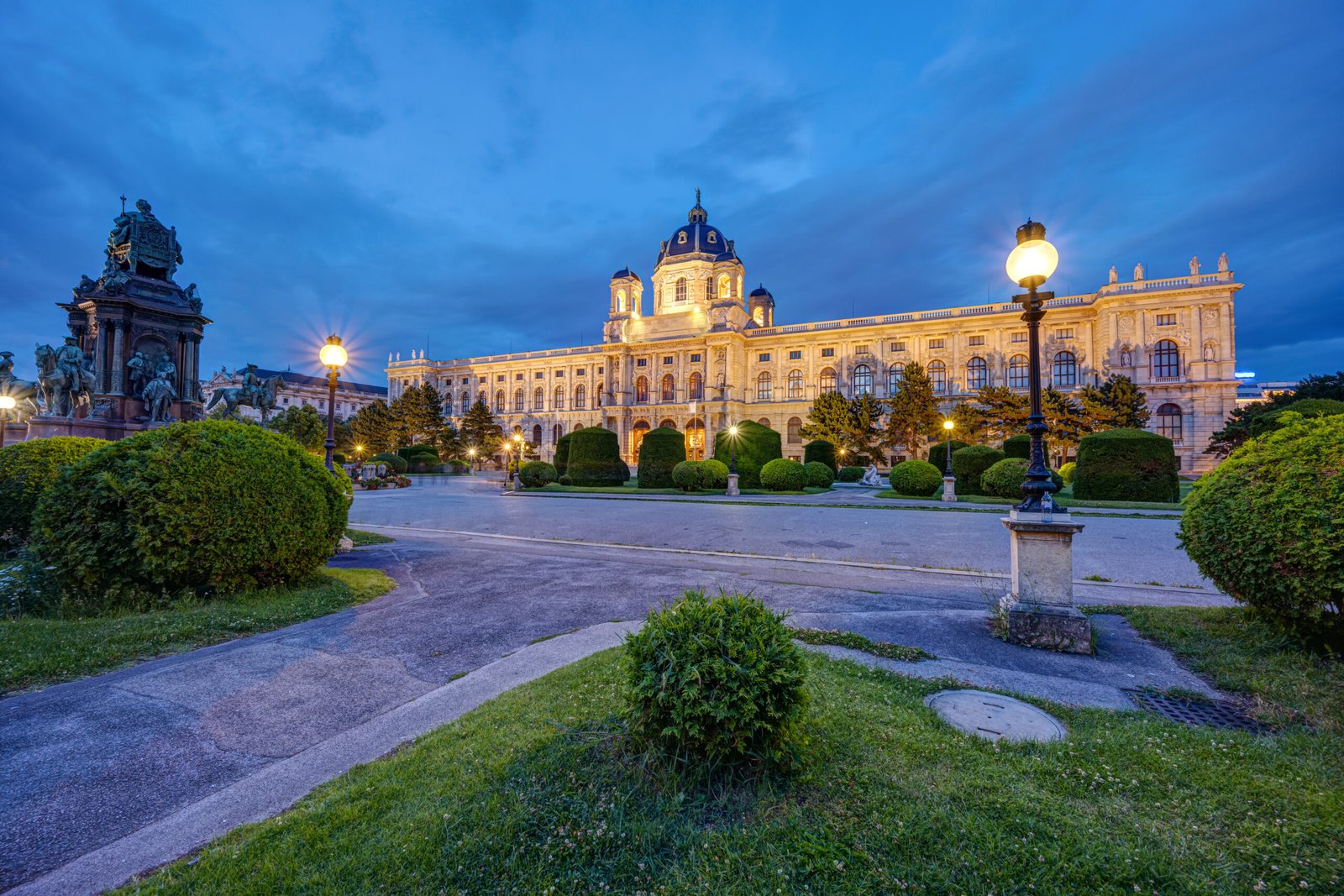
The city’s most remarkable imperial landmarks offer extraordinary windows into Austria’s royal past. The Kunsthistorisches Museum, established in 1891, houses the Habsburg dynasty’s extensive art collection and serves as a profound repository of cultural heritage. Visitors can explore stunning collections that reflect the imperial family’s sophisticated taste and global influence. Equally fascinating, Hermesvilla, built by Emperor Franz Joseph I for Empress Elisabeth, provides intimate insights into the personal lives of the Habsburg monarchs, revealing the complex emotional landscapes behind imperial facades.
Beyond individual buildings, Vienna’s imperial architecture tells a comprehensive story of artistic and political transformation. The city’s historic center, a UNESCO World Heritage Site, showcases an unparalleled blend of baroque, neoclassical, and art nouveau styles. Iconic structures like the Hofburg Palace, Schönbrunn Palace, and the Vienna State Opera demonstrate how imperial ambitions translated into architectural brilliance. These landmarks are not mere historical artifacts but living spaces that continue to shape Vienna’s cultural identity, attracting millions of visitors who seek to understand the city’s rich and complex imperial narrative.
Arts, Music, and Contemporary Culture
Vienna’s artistic landscape represents a remarkable fusion of historical brilliance and contemporary innovation, creating a vibrant cultural ecosystem that continues to inspire global audiences. The city has long been recognized as a global epicenter of artistic expression, where classical traditions seamlessly intertwine with cutting-edge creative movements. From classical music to visual arts, Vienna maintains its reputation as a transformative cultural powerhouse that consistently pushes artistic boundaries.

The Kunsthistorisches Museum embodies this dynamic cultural spirit, not merely preserving historical art but actively engaging with contemporary artistic movements. By hosting modern exhibitions alongside its extensive historical collections, the museum represents Vienna’s commitment to artistic dialogue across different eras. The city’s musical heritage remains particularly extraordinary, with Vienna’s contemporary cultural institutions continuing to celebrate its legendary classical music traditions while simultaneously embracing innovative contemporary performances.
Contemporary Viennese culture extends far beyond traditional art forms, reflecting a sophisticated urban landscape that values creativity, intellectual discourse, and social innovation. The city’s numerous museums, performance spaces, and cultural centers function as dynamic platforms for artistic experimentation and cross-cultural dialogue. From avant-garde theater productions to electronic music festivals, Vienna demonstrates an extraordinary ability to honor its rich artistic legacy while continuously reinventing itself. Young artists, musicians, and performers are drawn to the city’s supportive ecosystem, which provides both historical inspiration and modern creative infrastructure, ensuring that Vienna remains a global cultural destination of remarkable depth and complexity.
Viennese Cuisine and Culinary Delights
Viennese cuisine represents a remarkable culinary journey that blends historical traditions with sophisticated gastronomic artistry. The city’s food culture is a delectable reflection of its multicultural heritage, offering visitors an extraordinary opportunity to explore flavors that have been carefully refined over centuries. From elegant coffee houses to traditional restaurants, Vienna’s culinary landscape is a testament to the city’s commitment to preserving and evolving its gastronomic identity.
The diversity of Viennese cuisine is truly extraordinary, featuring an impressive array of iconic dishes that showcase Central European culinary traditions. Wiener Schnitzel, a crispy breaded veal cutlet, stands as a national culinary symbol, while delicate pastries like Sachertorte demonstrate the city’s unparalleled baking expertise. Demel Café, a legendary institution, perfectly embodies Vienna’s rich culinary heritage, offering visitors a taste of authentic Austrian sweet traditions that have been meticulously preserved for generations.
Modern Viennese dining extends far beyond traditional recipes, embracing contemporary culinary innovations while maintaining deep respect for historical techniques. The city’s restaurants and cafés represent a dynamic culinary ecosystem where classic Austrian recipes coexist with international influences. Young chefs are reinterpreting traditional dishes, creating innovative experiences that honor Vienna’s gastronomic roots while appealing to global palates. Street food markets, gourmet restaurants, and historic coffee houses provide diverse dining experiences, ensuring that every visitor can discover a unique and memorable culinary adventure in this extraordinary city.
Seasonal Events and Best Times to Visit
Vienna’s seasonal calendar offers travelers an extraordinary array of experiences that transform the city throughout the year, making each season a unique opportunity for exploration and cultural immersion. While Vienna maintains its enchanting atmosphere year-round, certain periods reveal particularly compelling aspects of the city’s vibrant character. Visitors can strategically plan their trips to coincide with iconic events that showcase the city’s rich cultural tapestry and dynamic urban life.
Winter emerges as a magical season, highlighted by the city’s legendary Christmas markets and festive celebrations. The Vienna Opera Ball in February represents a pinnacle of cultural sophistication, drawing international guests to experience one of the most prestigious social events in Europe. Spring brings the Vienna Festival, transforming the city into a magnificent stage for performing arts, while summer offers the spectacular Donauinselfest, one of Europe’s largest free open-air music festivals that attracts hundreds of thousands of music enthusiasts from around the world.
Each season in Vienna offers distinct advantages for travelers. Autumn provides mild temperatures and fewer tourists, ideal for exploring museums and enjoying outdoor cafés. Summer delivers long, warm days perfect for outdoor concerts and riverside activities. Winter enchants with its snow-covered landscapes and romantic holiday atmosphere, while spring bursts with cultural events and blooming gardens. Regardless of when you visit, Vienna promises a rich, immersive experience that captures the essence of European elegance and cultural dynamism.
Vienna Versus Other European Cities
Vienna’s distinctive character sets it apart from other European capitals, offering a unique blend of historical grandeur and contemporary innovation that transcends typical urban experiences. While cities like Paris, London, and Rome boast their own remarkable histories, Vienna distinguishes itself through an extraordinary synthesis of imperial heritage and modern cosmopolitan energy. The city’s approach to cultural preservation and urban development creates a dynamic environment that feels both timeless and thoroughly modern.
Compared to neighboring European destinations like Budapest and Zurich, Vienna offers a more nuanced urban experience. Its quality of life consistently ranks among the highest globally, with exceptional public infrastructure, world-class cultural institutions, and a remarkable balance between historical preservation and contemporary innovation. Where other European cities might feel fragmented between their historical and modern identities, Vienna creates a seamless narrative that celebrates its complex cultural evolution.
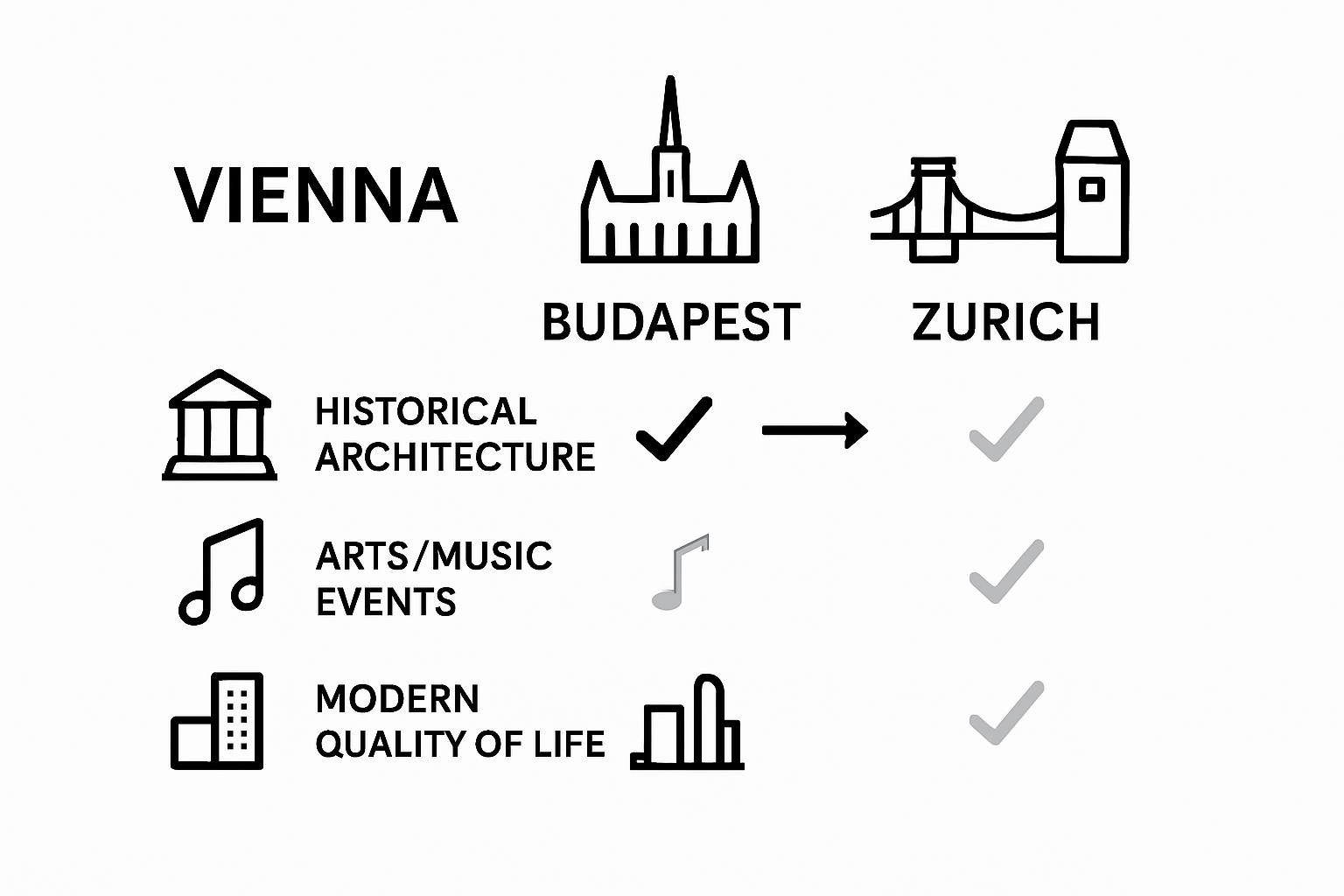
The city’s unique positioning becomes particularly evident when examining its social and cultural dimensions. Vienna combines the intellectual depth of German-speaking cultures with the artistic sophistication of Central European traditions, creating a cosmopolitan environment unmatched by many other European capitals. Its commitment to social welfare, cultural accessibility, and urban livability distinguishes it from more tourism-driven metropolitan areas. Visitors experience not just a destination, but a holistic urban ecosystem that prioritizes human experience, artistic expression, and social harmony in ways that set Vienna distinctly apart from its European counterparts.
Discover Vienna’s Timeless Charm with Tailored Tours
Experiencing Vienna’s rich blend of imperial history, vibrant arts scene, and modern culture can be overwhelming without the right guidance. Many travelers struggle to fully appreciate the city’s layered identity and hidden gems. Whether you want to immerse yourself in the grandeur of palaces, savor authentic Viennese cuisine, or dive into the contemporary music scene, Next View Tours offers personalized solutions designed to meet your unique travel goals.
Explore Vienna like a local with our expertly crafted City Tour options that highlight the best of its culture and history. For those seeking adventure beyond the city limits, check out our dynamic Adventure Tours. Don’t miss the chance to transform your visit into an unforgettable journey with customized itineraries tailored to your interests. Visit Next View Tours now to start planning your perfect Viennese experience and capture the essence of this extraordinary European capital today.
Frequently Asked Questions
What makes Vienna a cultural powerhouse?
Vienna stands out as a cultural powerhouse due to its rich artistic heritage, iconic musical traditions, and historical significance. The city has been home to legendary figures like Mozart and Freud, influencing global perspectives in music, psychology, and art.
What are the main historical landmarks to visit in Vienna?
Some of the main historical landmarks in Vienna include the Hofburg Palace, Schönbrunn Palace, and the Kunsthistorisches Museum, each showcasing the city’s imperial past and architectural brilliance.
How does Vienna compare to other European capitals?
Vienna uniquely blends historical grandeur with modern innovation, making it distinct from other European capitals. The city’s high quality of life, artistic sophistication, and commitment to cultural preservation create a dynamic urban experience that sets it apart.
What culinary experiences should I not miss in Vienna?
When visiting Vienna, you shouldn’t miss trying iconic dishes like Wiener Schnitzel and Sachertorte, as well as enjoying the city’s historic coffee house culture, which reflects its rich culinary heritage.


Comments are closed