
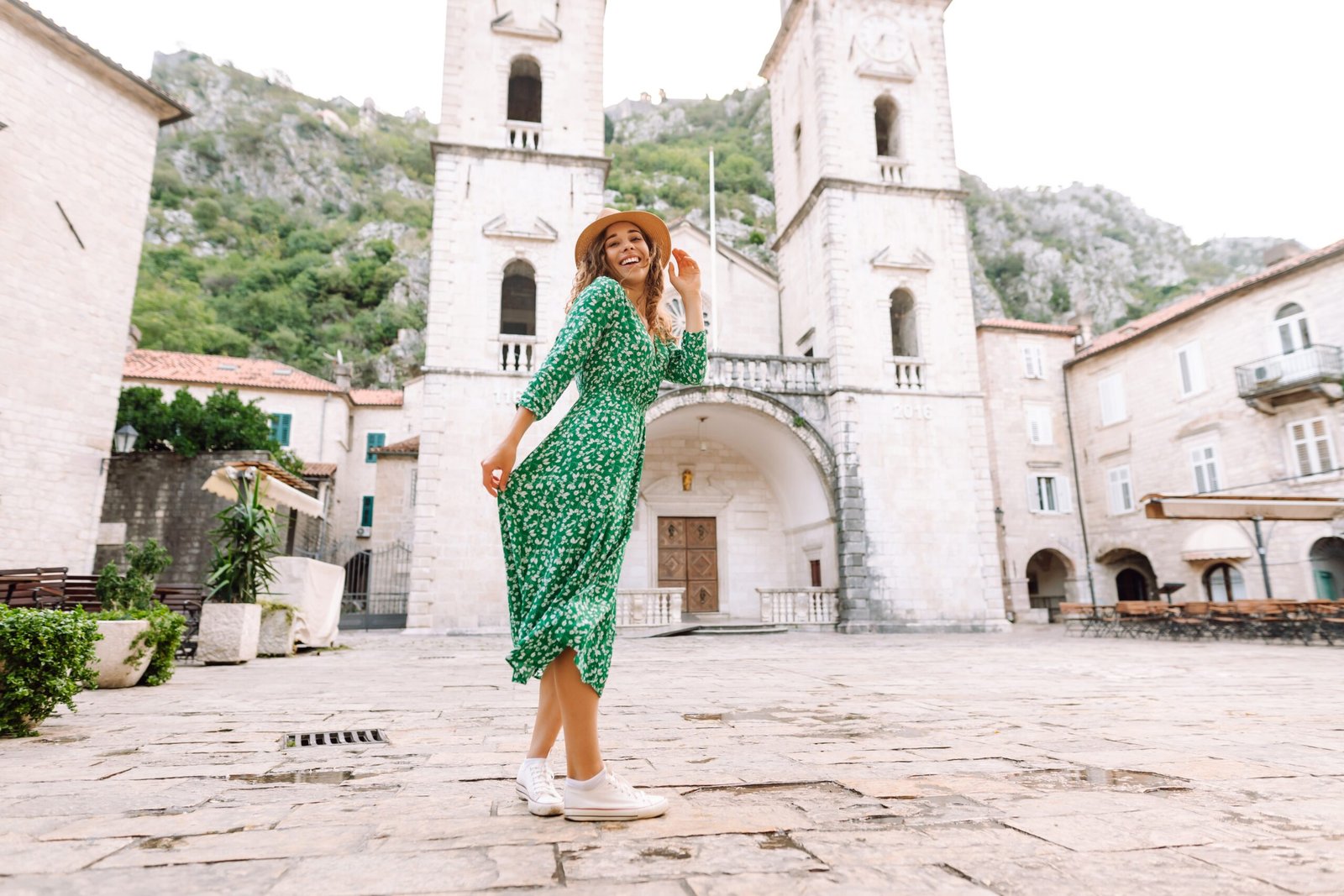
 City Tour
Trying to experience true European culture can feel overwhelming when every destination seems packed with the same tourist traps. You want more than a postcard or a hurried photo—you want real stories, flavors, and traditions that make each place unforgettable. Finding those genuine moments takes more than following the crowds or skimming guidebooks.
This list gathers proven ways to immerse yourself in local life and history, straight from trusted resources like The National Park Service and The Office of Cultural Heritage. You will unlock paths to authentic experiences that bring you closer to Europe’s living traditions, beautiful architecture, and vibrant communities. Get ready to discover actionable tips that help you connect deeply with every place you visit.
Table of Contents
- Explore Historic Castles And Palaces
- Join Local Food And Wine Tastings
- Attend Traditional Folk Festivals
- Take Guided Art And Architecture Tours
- Experience Authentic Village Life
- Enjoy Classical Music Performances
- Learn Regional Crafts And Workshops
Quick Summary
| Takeaway | Explanation |
|---|---|
| 1. Explore Historic Castles for Cultural Insight | Discover centuries of history and architectural mastery by visiting historic castles and palaces throughout Europe. |
| 2. Engage in Local Food Tastings | Participate in food and wine tastings to understand regional culinary traditions and support local communities. |
| 3. Attend Folk Festivals for Authentic Experiences | Experience vibrant cultural expressions by attending traditional folk festivals that reflect local identities and histories. |
| 4. Join Guided Art and Architecture Tours | Gain deep insights into art and architecture through guided tours that reveal the stories behind significant sites. |
| 5. Immerse in Authentic Village Life | Learn about rural traditions and community dynamics by engaging with villagers and their daily practices. |
1. Explore Historic Castles and Palaces
Europe’s castles and palaces are living museums of history that transport travelers beyond typical tourist experiences. These magnificent structures offer more than stunning architecture they provide immersive windows into centuries of cultural evolution, political intrigue, and royal legacies.
Historic castles represent far more than architectural marvels. They are profound storytellers of European civilization, reflecting complex narratives of power, conflict, and artistic expression. The cultural heritage research reveals these sites are carefully preserved to help visitors understand their profound historical significance.
When exploring these remarkable sites, travelers can expect extraordinary experiences:
- Witness architectural masterpieces spanning medieval to baroque periods
- Learn about royal dynasties and their complex political landscapes
- Explore meticulously preserved interiors showcasing period-specific art and decor
- Understand strategic military design through fortress architecture
- Connect with local historical narratives through expert guided tours
European castles are not just stone structures – they are living repositories of human stories waiting to be discovered.
Many European destinations offer exceptional castle experiences. The Prague Castle Walking Tour provides an exceptional opportunity to explore one of the most significant historical complexes in Central Europe. Similarly, the Buda Castle in Hungary represents another remarkable destination for cultural enthusiasts.
Cultural immersion happens when travelers move beyond surface-level observations and engage deeply with historical contexts. This means listening to expert guides, studying architectural details, and imagining the lives of those who walked these halls centuries ago.
Pro tip: Book guided tours with local historians to gain deeper insights into castle histories and architectural significance.
2. Join Local Food and Wine Tastings
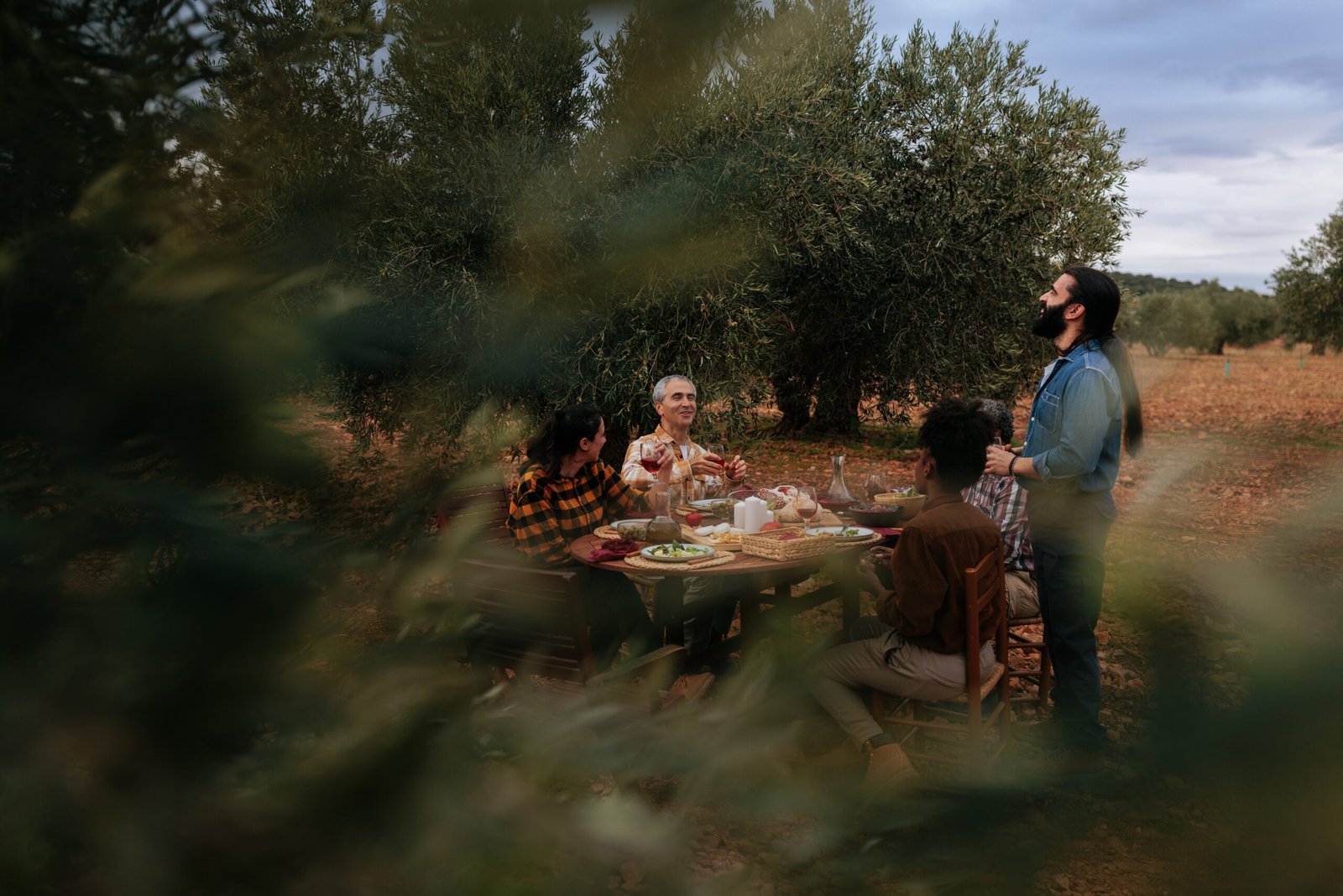
Culinary exploration represents one of the most authentic ways to understand a destination’s cultural heart. Food and wine tastings offer travelers an intimate journey through regional traditions, flavors, and culinary heritage that transcend typical tourist experiences.
These gastronomic adventures allow you to connect directly with local communities through their most fundamental expression of culture: cuisine. Local food systems demonstrate how culinary traditions reflect broader social and economic landscapes.
Key benefits of joining food and wine tastings include:
- Discover authentic regional recipes passed through generations
- Learn about agricultural traditions and local ingredient sourcing
- Understand cultural narratives through culinary practices
- Support local economies by engaging with small producers
- Experience sensory storytelling through flavor profiles
Food is the universal language that connects people across cultural boundaries.
European destinations offer remarkable culinary experiences. The Vienna Wachau Valley Wine Tasting provides an exceptional opportunity to explore Austrian wine traditions while enjoying stunning landscape views.
Cultural immersion happens when travelers approach food not just as sustenance but as a living, evolving narrative of human experience. This means engaging with local producers, asking questions, and experiencing dishes in their authentic contexts.
Pro tip: Schedule food tours during local harvest seasons to experience the most vibrant and fresh regional culinary traditions.
3. Attend Traditional Folk Festivals
Traditional folk festivals represent living museums of cultural heritage where travelers can experience the vibrant heart of European communities. These extraordinary events offer more than entertainment they are profound windows into regional identities and historical traditions.
Living cultural traditions showcase how communities preserve and celebrate their unique social histories through music, dance, costumes, and shared experiences. Folk festivals are dynamic expressions of collective memory and ongoing cultural evolution.
Why attend traditional folk festivals?
- Witness authentic cultural performances
- Interact with local community members
- Learn traditional dance and music styles
- Understand historical social practices
- Support preservation of cultural heritage
Traditional festivals are living conversations between past and present.
European folk festivals vary widely from region to region. Some feature elaborate costumes, while others focus on specific cultural practices like harvest celebrations or historical commemorations. The diversity reflects the rich tapestry of European cultural landscapes.
Cultural immersion happens when travelers move beyond passive observation and engage authentically with local traditions. This means participating in dances, trying traditional foods, and listening to community stories.
Pro tip: Research festival dates in advance and pack appropriate clothing that allows comfortable movement and respects local cultural traditions.
4. Take Guided Art and Architecture Tours
Guided art and architecture tours transform passive sightseeing into immersive cultural experiences that reveal the profound stories behind Europe’s most extraordinary architectural masterpieces. These expertly curated journeys connect travelers directly with the artistic and historical narratives embedded in each building and artwork.
Guided tours of cultural heritage sites offer unparalleled insights into the complex layers of artistic expression and architectural innovation across European cities. Expert guides decode the symbolism architectural design and historical context that casual observers might miss.
Key advantages of art and architecture tours include:
- Gain deep historical understanding
- Learn from professional art historians
- Discover hidden architectural details
- Understand cultural and artistic movements
- Experience curated storytelling experiences
Architecture is frozen music. Every building tells a story waiting to be heard.
European destinations like Prague offer remarkable architectural experiences. The Prague Art Nouveau Walking Tour provides an exceptional opportunity to explore unique architectural styles and their historical significance.
Cultural immersion happens when travelers move beyond visual observation and engage intellectually with artistic contexts. This means asking questions understanding symbolic meanings and connecting architectural styles to broader social histories.
Pro tip: Book tours during shoulder seasons for smaller groups and more personalized interactions with expert guides.
5. Experience Authentic Village Life
Authentic village experiences offer travelers a profound window into the cultural heart of European communities far beyond typical tourist attractions. These immersive encounters reveal the rich tapestry of rural traditions that have sustained communities for generations.
Cultural anthropology research emphasizes the importance of direct community engagement to understand local social structures and daily practices. By stepping into village life travelers can witness living cultural heritage that remains largely invisible to casual observers.
Key benefits of experiencing authentic village life include:
- Understand traditional community dynamics
- Learn traditional crafting techniques
- Participate in local agricultural practices
- Discover regional culinary traditions
- Connect with multi generational family networks
Authentic travel happens when you listen more than you speak.
European countries like Romania Poland and Greece offer exceptional opportunities for village experiences where travelers can immerse themselves in centuries old cultural practices that remain vibrant and meaningful.
Cultural immersion happens when travelers approach local communities with genuine curiosity respect and a willingness to learn. This means participating in daily activities engaging in conversations and observing local customs without judgment.
Pro tip: Learn a few basic phrases in the local language and approach village interactions with humility and genuine interest.
6. Enjoy Classical Music Performances
Classical music performances represent a transcendent cultural experience that connects travelers directly to centuries of artistic expression and emotional storytelling. These extraordinary concerts offer far more than entertainment they are living windows into European musical heritage.
Music education research demonstrates that experiencing classical performances supports cognitive development and deepens cultural understanding. Each performance reveals intricate layers of historical and emotional complexity that transform passive listening into an intellectual journey.
Key benefits of attending classical music performances include:
- Discover profound musical traditions
- Experience world renowned orchestras
- Understand complex musical compositions
- Explore emotional storytelling through music
- Connect with centuries of artistic expression
Music speaks what cannot be expressed yet what is longed to be heard.
European cities like Vienna Austria and Prague Czech Republic offer exceptional opportunities for classical music experiences with venues ranging from historic concert halls to intimate chamber music settings.
Cultural immersion happens when travelers approach musical performances with curiosity and openness. This means understanding the historical context appreciating the musicians technical skills and allowing the music to communicate its deeper narrative.
Pro tip: Research concert venues in advance and consider attending pre concert lectures to enhance your understanding of the musical composition.
7. Learn Regional Crafts and Workshops
Regional craft workshops offer travelers a unique opportunity to dive deep into Europe’s rich artisanal traditions far beyond typical tourist experiences. These immersive learning encounters transform cultural appreciation from passive observation to active participation.
Cultural heritage preservation workshops provide travelers with hands-on experiences that connect them directly to generations of artistic knowledge. By learning traditional crafts travelers become active participants in maintaining living cultural traditions.
Key benefits of participating in regional craft workshops include:
- Preserve traditional artisan skills
- Create unique personal souvenirs
- Understand regional cultural narratives
- Support local artisan communities
- Develop personal creative skills
Every handcrafted object tells a story of human creativity and cultural resilience.
European countries like Portugal Spain and Greece offer exceptional opportunities for craft workshops ranging from ceramics and weaving to woodcarving and traditional textile production.
Cultural immersion happens when travelers approach craft learning with genuine curiosity and respect for the artistic traditions. This means listening to artisan stories understanding technique nuances and appreciating the cultural significance of each craft.
Pro tip: Research workshops in advance and bring a small notebook to document techniques and personal reflections during the experience.
Below is a comprehensive table summarizing the main topics and recommendations discussed throughout the article, focusing on immersive cultural experiences across Europe.
| Category | Activities and Features | Benefits and Insights | Pro Tips |
|---|---|---|---|
| Historic Castles and Palaces | Explore architectural masterpieces, learn about royal dynasties, and delve into historical narratives. | Gain understanding of European politics, culture, and artistic advancements. | Book guided tours to enhance your knowledge of the history and significance of these sites. |
| Local Food and Wine Tastings | Engage in culinary traditions by sampling local dishes and drinks reflective of regional flavors and histories. | Deepen cultural appreciation and support local economies. | Attend tastings during harvest seasons for the freshest experiences. |
| Traditional Folk Festivals | Participate in authentic celebrations showcasing regional music, dance, and costumes. | Build connections with historical narratives and community stories. | Research festival schedules and consider the local dress etiquette. |
| Art and Architecture Tours | Take guided walks through significant cultural monuments to uncover hidden details and historical contexts. | Develop an enriched perspective on artistic movements and architectural innovations. | Visit during off-peak seasons for a personalized experience. |
| Authentic Village Life | Immerse yourself in traditional lifestyles, such as agriculture, crafts, and culinary practices. | Understand rural traditions and the dynamics of local communities. | Engage with respect and learn local phrases to connect authentically. |
| Classical Music Performances | Attend concerts in historic venues to appreciate the legacy of European musical artistry. | Experience intellectual and emotional engagement through live performances. | Research the significance of the compositions for a deeper appreciation. |
| Regional Craft Workshops | Learn to create traditional artisan products such as ceramics, weaving, and woodcarving. | Preserve cultural techniques while developing a personal connection to the crafts. | Document experiences for lasting memories and skill recollection. |
Experience Europe Like Never Before with Next View Tours
Travelers eager to dive into Europe’s rich cultural tapestry often face challenges finding authentic experiences that go beyond typical sightseeing. This article highlights key ways to immerse yourself, from exploring historic castles to savoring local food and joining folk festivals. The real goal is to connect deeply with the history, art, and living traditions that shape each destination. At Next View Tours, we understand this desire for meaningful cultural discovery and provide tailored excursions that bring these experiences to life.
Whether you want to walk through iconic city landmarks or venture into hidden cultural gems, our City Tour and Adventure Tours categories offer curated options designed to fulfill your quest for authentic engagement. Don’t settle for ordinary travel when you can explore Europe’s essence through expertly guided tours and immersive day trips.

Start your journey today with Next View Tours to unlock Europe’s most captivating cultural experiences. Book now and transform your travel into a story worth telling.
Frequently Asked Questions
What are the top cultural experiences to try in Europe?
The top cultural experiences in Europe include exploring historic castles and palaces, joining local food and wine tastings, attending traditional folk festivals, taking guided art and architecture tours, experiencing authentic village life, enjoying classical music performances, and learning regional crafts in workshops. Consider trying at least two or three of these experiences to fully immerse yourself in the local culture during your trip.
How can I enhance my experience at a historic castle or palace?
To enhance your experience at a historic castle or palace, book guided tours led by local historians. This will allow you to gain deeper insights into the history and architectural significance of the site, which can transform your visit into a rich educational experience.
What should I expect from a traditional folk festival in Europe?
At a traditional folk festival, you can expect to witness authentic cultural performances, interact with local community members, and learn traditional dance and music styles. Participate actively by trying foods and engaging in dances to enrich your understanding of the community’s heritage.
How do I prepare for a food and wine tasting experience?
Prepare for a food and wine tasting experience by researching the specific regional dishes and wine varieties you might encounter. Engage with local producers by asking about sourcing and traditional recipes, which can greatly enhance your culinary adventure.
What are the benefits of taking an art and architecture tour?
Taking an art and architecture tour allows you to gain a deep understanding of historical contexts and artistic movements behind buildings and artworks. Ask questions during the tour to uncover hidden details and appreciate the narratives that shaped the regions you visit.
How can I make the most of my workshop experience in a regional craft?
To make the most of your workshop experience, approach it with curiosity and respect for the craft. Engage actively by practicing techniques and asking the artisan questions about their work, which can help you create a unique souvenir that reflects local traditions.
Recommended
- Why Explore Eastern Europe: Unique Culture and Nature – Next View Tours
- 7 Engaging Educational Tour Ideas Europe for Students – Next View Tours
- Tour Experience Types – How They Shape Your European Adventure – Next View Tours
- 7 Essential Summer Trip Options Europe Travelers Should Know – Next View Tours


Comments are closed