
 Uncategorized
TL;DR:
- Cultural tourism involves deep engagement with a community’s beliefs, traditions, and history beyond just sightseeing. It encompasses tangible and intangible experiences like festivals, crafts, food, and authentic local interactions that support preservation and economy. Genuine cultural tourism relies on meaningful human connection, responsible practices, and personalized experiences that transform perspectives and foster understanding.
Most people assume cultural tourism means standing in front of a famous monument, snapping a photo, and moving on. That assumption misses almost everything. What is cultural tourism, really? It is the practice of traveling to engage deeply with the beliefs, traditions, history, art, and living practices of another community. It is the difference between seeing a city and actually understanding it. This guide covers the definition, types, real-world examples, significance, and practical ways you can pursue cultural tourism that genuinely transforms how you see the world.
Table of Contents
- Key takeaways
- What is cultural tourism today
- Types of cultural tourism experiences
- The significance and benefits of cultural tourism
- How to engage in cultural tourism authentically
- Current trends shaping cultural tourism
- My honest take on what cultural tourism actually requires
- Experience cultural tourism with Nextviewtours
- FAQ
Key takeaways
| Point | Details |
|---|---|
| Beyond sightseeing | Cultural tourism means engaging with tangible and intangible culture, not just visiting monuments. |
| Broad and diverse | It spans festivals, food, crafts, storytelling, architecture, and living community traditions. |
| Economically and socially vital | Cultural tourism supports local economies and helps preserve heritage for future generations. |
| Local guides matter | Hiring knowledgeable local guides turns a surface visit into a genuinely meaningful experience. |
| Sustainability is growing | Psychological identity and responsible travel practices are reshaping how cultural tourism develops. |
What is cultural tourism today
The definition of cultural tourism has evolved considerably. The UN Tourism organization describes it as travel motivated by a desire to experience the tangible and intangible cultural products of a destination. That includes arts, architecture, history, culinary heritage, and living traditions passed through generations.
What makes this definition powerful is its scope. Tangible culture refers to physical places and objects: cathedrals, ancient ruins, painted frescoes, historic neighborhoods, craft objects. Intangible culture refers to what you cannot touch but can absolutely feel: rituals, oral storytelling, traditional music, seasonal celebrations, and social customs. A cultural tourism experience can live in either category, or both at once.
Here is a useful way to think about it: when you join a guided walking tour of Vienna’s Ringstrasse to learn about Austro-Hungarian imperial architecture, you are engaging with tangible culture. When you attend an evening of traditional Austrian folk music in a rural village and the host explains its origins over dinner, you have stepped into intangible culture. Both are cultural tourism. Both are worth your time.
It is worth recognizing that cultural tourism represents roughly 40% of global tourism activity as of late 2024. That scale reflects something real: travelers increasingly want experiences with substance, not just scenery.
Key elements covered under the cultural tours definition today include:
- Heritage and architecture: Historic buildings, ruins, museums, and preserved districts
- Arts and performance: Theater, opera, folk music, visual arts, and crafts
- Gastronomy: Regional cuisines, food markets, cooking traditions, and wine cultures
- Festivals and ceremonies: Seasonal celebrations, religious observances, and communal rituals
- Living traditions: Artisan workshops, storytelling sessions, and community-based practices
Pro Tip: When you research a destination, look beyond the top ten sightseeing spots. Search specifically for local festivals or artisan markets happening during your visit. These events often provide more authentic cultural access than any ticketed attraction.
Types of cultural tourism experiences
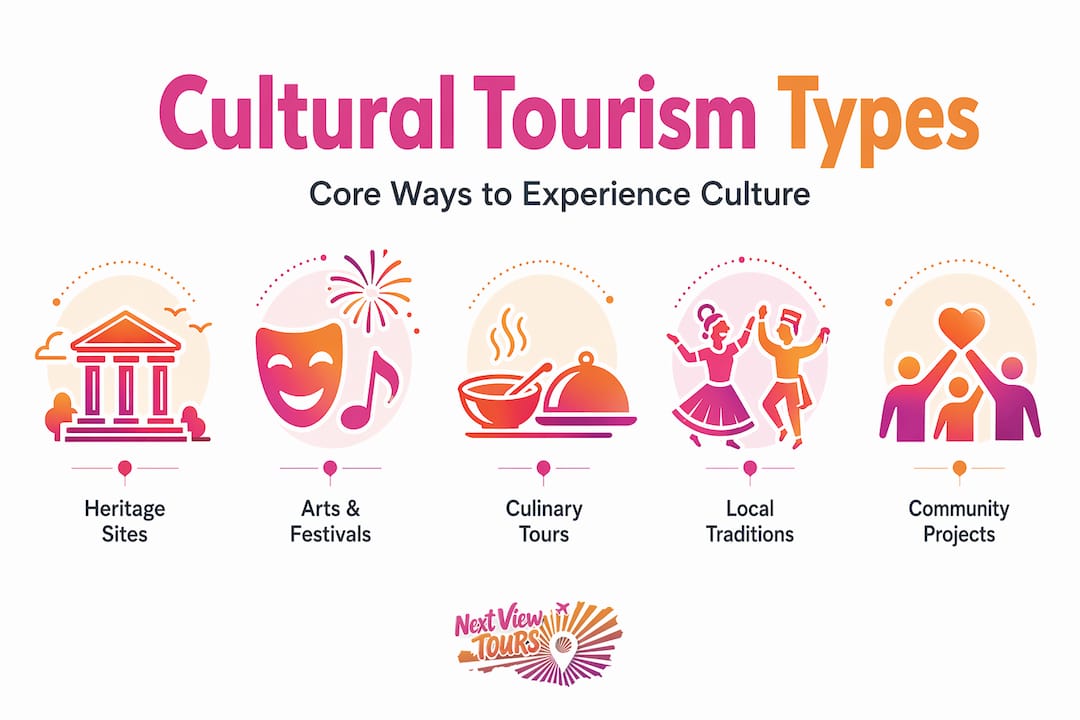
Understanding the diversity within cultural tourism helps you choose experiences that match what you are genuinely curious about. Recent reviews from 2025 show cultural tourism diversifying rapidly, expanding well beyond its elite Grand Tour origins into rural heritage, gastronomy, creative industries, and indigenous cultural experiences.
Here is a comparison of the most common types travelers encounter:
| Type | Core Focus | Example Experience |
|---|---|---|
| Heritage tourism | Historic sites, monuments, and architecture | Touring Prague’s Old Town with a historian guide |
| Culinary tourism | Regional food, drink, and cooking traditions | A traditional Hungarian cooking class in Budapest |
| Festival tourism | Seasonal celebrations and cultural ceremonies | Attending Vienna’s Fasching carnival season |
| Indigenous cultural tourism | Native traditions, art, and community stories | Learning traditional Slovakian folk craft from a local artisan |
| Creative tourism | Hands-on arts, crafts, and performance participation | Joining a ceramics workshop in Salzburg |
| Rural heritage tourism | Village life, agrarian traditions, and landscapes | A guided walk through Hallstatt’s salt mining history |
Beyond categories, what separates meaningful cultural tourism from ordinary travel is the quality of engagement. Attending a flamenco show at a tourist theater is entertainment. Learning the history and regional variations of flamenco from a performer whose family has practiced it for generations is cultural tourism. The difference lies in authentic local engagement and the depth of human connection.
Traveler motivations also vary considerably. Some are driven by intellectual curiosity about history. Others seek the sensory pleasure of local food or music. Many want to connect across cultures in ways that reshape their own perspectives. The type of cultural tourism you pursue depends entirely on what you are searching for.
The significance and benefits of cultural tourism
Cultural tourism matters well beyond the personal satisfaction of travelers. Its significance ripples through local economies, heritage preservation, and cross-cultural understanding at a global scale.
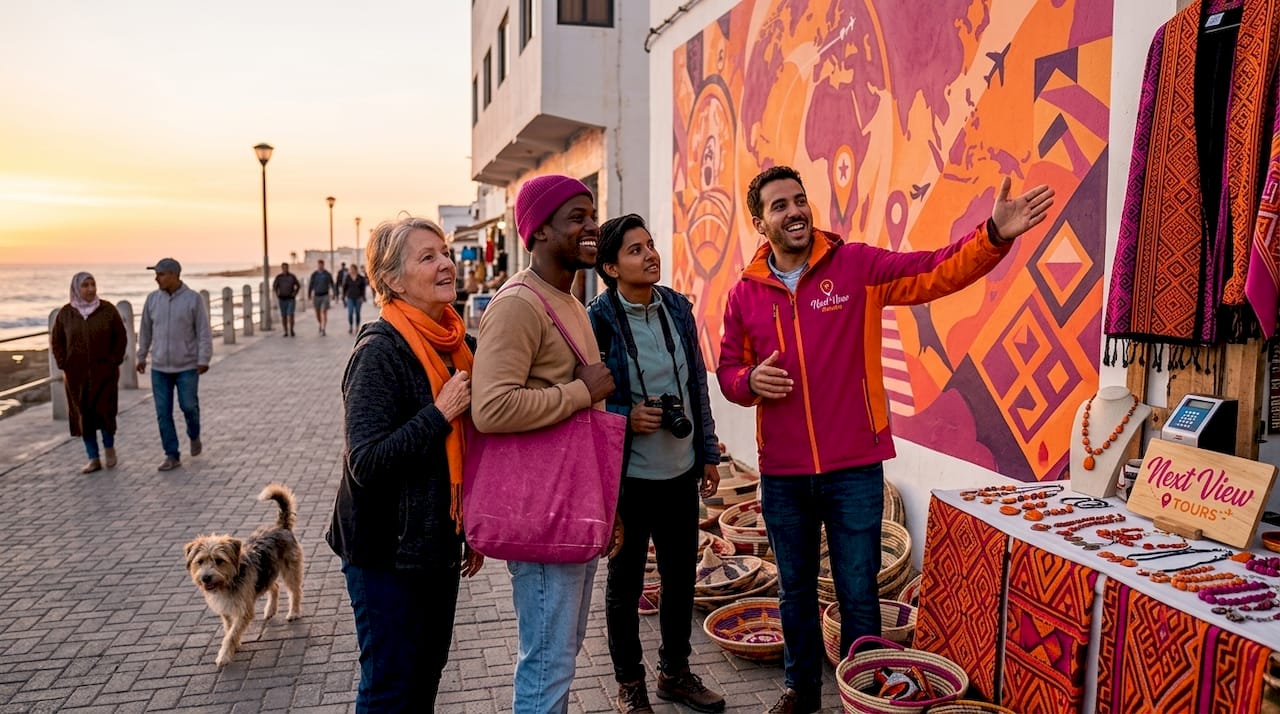
The economic argument is concrete. When you pay a local guide, stay at a family-run guesthouse, buy a handmade ceramic directly from the artisan who created it, or eat at a neighborhood restaurant instead of a chain, your spending stays in the community. Cultural tourism contributes directly to economic support for local communities while helping sustain the very traditions that make destinations worth visiting.
Cultural preservation is equally important. Communities are far more likely to maintain festivals, crafts, oral traditions, and historic buildings when those elements generate economic value and attract respectful visitors. Cultural tourism creates a living reason to preserve culture rather than letting it fade.
For you as a traveler, the benefits are deeply personal. Spending time in another culture builds empathy, challenges assumptions, and expands your understanding of how other people organize meaning in their lives. Research consistently shows that cultural exchange positively affects both traveler satisfaction and sustainable destination development.
“Responsible cultural tourism requires moving beyond mass souvenir shopping and toward supporting local economies through authentic, community-based experiences.” — cultural tourism experts
The emerging emphasis on sustainability also matters. Responsible cultural tourism asks travelers to be thoughtful guests. That means respecting sacred sites, avoiding exploitative performances staged purely for tourist consumption, and prioritizing experiences where local people share their culture on their own terms.
Pro Tip: Before your trip, research whether your planned cultural experiences are community-led or commercially produced for mass tourism. The difference is usually visible in who is running the experience and whether local people are participants or performers.
How to engage in cultural tourism authentically
Understanding the concept is one thing. Doing it well requires a few deliberate choices. Here is how to make your cultural travel genuinely meaningful:
-
Choose local guides with contextual expertise. A knowledgeable local guide does not just point at buildings. They tell you why this street was significant during wartime occupation, why the color of that door signals a family’s profession, and what the neighborhood smelled like on festival days. Local guides provide the kind of social and historical context that no audio tour app can replicate.
-
Attend community events, not just tourist attractions. City-sponsored festivals, neighborhood markets, religious celebrations open to respectful visitors, and local theater productions offer access to living culture. These experiences often cost little or nothing and deliver far more authenticity than ticketed tourist spectacles.
-
Support locally-owned businesses throughout your trip. Stay at family-run guesthouses, eat at neighborhood restaurants recommended by your guide, and buy crafts directly from makers. Your spending choices either reinforce cultural preservation or drain value away from it.
-
Seek intangible cultural experiences. Look for immersive cultural activities like traditional cooking lessons, storytelling evenings, craft workshops, and music sessions where you participate rather than observe. These experiences create lasting memories and genuine understanding.
-
Approach every interaction with curiosity and respect. Ask questions. Learn a few words in the local language. Observe customs before joining them. Responsible cultural tourism is as much about your attitude as your itinerary.
-
Travel with expert guided tours led by people who know their region deeply. A well-matched guide transforms an afternoon into a lesson, a story, and an experience you carry with you long after you leave.
Current trends shaping cultural tourism
Cultural tourism is not static. Several forces are reshaping how travelers experience culture and how destinations respond to that demand.
| Trend | What It Means for Travelers | Why It Matters |
|---|---|---|
| Psychological identity as a driver | Travelers seek experiences that reinforce or expand their sense of self | Cultural resources and exchange strongly predict sustainable tourism development |
| Democratization of access | Cultural tourism is no longer only for wealthy, long-haul travelers | Rural heritage and creative niches open new entry points |
| Sustainability and community-led development | Policy and investment increasingly favor community-driven cultural programs | Supports long-term preservation of cultural sites |
| Digital influence and social discovery | Social media surfaces hidden cultural experiences to global audiences | Increases accessibility and awareness of niche cultural events |
| Creative and rural cultural tourism growth | Hands-on, off-the-beaten-path experiences now attract mainstream travelers | Reduces pressure on over-touristed heritage sites |
One finding worth highlighting: a 2026 study confirmed that tourist psychological identity is a measurable driver of sustainable cultural tourism growth, with cultural resources scoring a significant positive effect (β = 0.51) on destination sustainability. In plain terms, travelers who feel a personal connection to the culture they are experiencing are more likely to return, spend locally, and contribute positively to the destination.
The emerging trends in European travel reflect this shift clearly. Travelers are moving away from checklist tourism toward experiences that feel personal, contextual, and memorable. Cultural tourism sits at the center of that movement.
My honest take on what cultural tourism actually requires
In my experience working with travelers across Europe, the biggest gap is not knowledge. It is expectation. Most people arrive wanting cultural connection but book experiences designed for volume. They visit the famous palace, they photograph the famous square, and they leave having seen the destination rather than felt it.
What I have learned is this: cultural tourism lives or dies on the quality of human connection. The best experiences I have seen happen in small moments. A guide stopping in front of an unremarkable side street to explain what happened there during the war. A local baker handing you something warm and explaining what the recipe means to her family. A craftsman showing you the tool his grandfather used. None of those moments appear in standard itineraries.
I also think the word “authentic” gets abused. Not every staged folk performance is inauthentic, and not every local experience is genuine just because it lacks tourists. What you are looking for is honest exchange. You bring real curiosity. The community shares real knowledge. That transaction is what cultural immersion actually produces. The experience changes both parties, even if only slightly.
The uncomfortable truth about how to promote cultural tourism well: it cannot be promoted effectively through generic highlight reels. It spreads through people who had a real experience telling others about it. If you want that kind of travel, design your trips to make those moments possible, rather than filling every hour with scheduled sights.
— Next
Experience cultural tourism with Nextviewtours

Nextviewtours designs European travel experiences with cultural depth at the center. Whether you want to walk through the imperial history of Vienna, discover the folk traditions of rural Austria, or explore the medieval layers of Prague and Budapest, every trip is built around genuine engagement rather than surface-level sightseeing.
The customised tours Nextviewtours offers are specifically designed for travelers who want their itinerary to reflect their own cultural interests, not a generic highlight package. Private tours give you direct access to expert local guides who provide the contextual knowledge that transforms a visit into an experience. You can explore the full range of trip types available to find the format that fits your travel style, whether that is a private cultural day trip from Vienna or a multi-day journey across Central Europe. For those who want a fully personal experience, private tours across Europe offer an ideal way to go deeper into the culture you care about most.
FAQ
What is the simplest definition of cultural tourism?
Cultural tourism is travel motivated by the desire to engage with the history, arts, traditions, and living culture of another community, going beyond sightseeing to include authentic interaction and meaningful exchange.
What are some examples of cultural tourism?
Cultural tourism examples include attending a local festival, joining a traditional cooking class, walking a historic neighborhood with a local guide, visiting artisan workshops, and participating in community storytelling or craft sessions.
Why is cultural tourism significant?
Cultural tourism supports local economies, helps preserve heritage and traditions, and builds empathy and cross-cultural understanding in travelers. It creates a direct link between visitor experience and community benefit.
How can I practice cultural tourism responsibly?
Choose local guides, stay at family-run accommodations, buy crafts directly from makers, attend community events, and seek experiences where local people share their culture on their own terms rather than commercially staged performances.
How is cultural tourism different from regular tourism?
Regular tourism often prioritizes famous sights and convenience, while cultural tourism prioritizes depth of engagement with local people, traditions, and history. The goal shifts from seeing a place to genuinely understanding it.


Comments are closed