
 Uncategorized
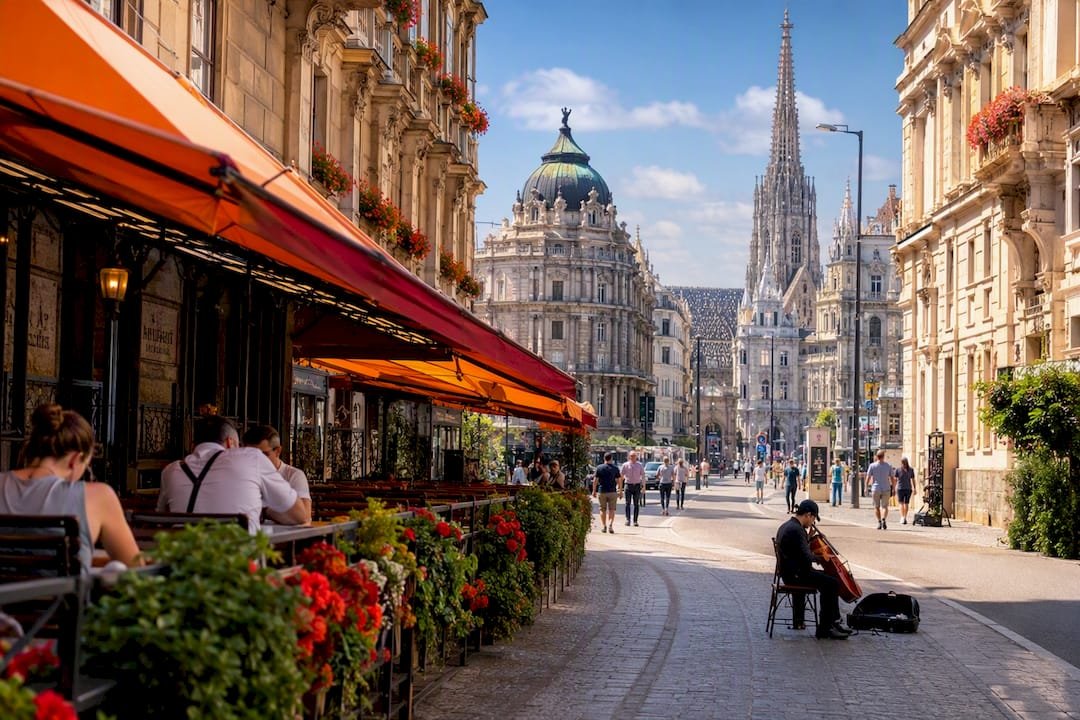
Three days is the number to build your trip around, and most first-time visitors who try to do it in two come home wishing they’d stayed longer. That said, a single layover day can still cover Vienna’s greatest hits, and five to seven days let you add the Wachau Valley or Bratislava without cutting anything from the imperial core. The right length depends on whether you’re passing through, settling in for a proper visit, or building Vienna into a longer European swing. This guide breaks down exactly what each option gets you.
TL;DR:
- Spending three days in Vienna allows visitors to see the imperial core, visit one major palace interior, and enjoy a museum without rushing.
- A one-day visit typically covers only the historic center and key sights, suitable for layovers or quick passes through the city.
- Extending to four or five days enables adding a day trip, such as to Wachau or Bratislava, ideal for families or those seeking a relaxed pace.
- For short visits, guided tours can streamline logistics, offer skip-the-line access, and maximize limited time.
- Booking attractions and transport in advance, especially during peak season, helps avoid long lines and ensure a smooth trip.
Table of Contents
- How many days should you spend in Vienna?
- What does a sample Vienna itinerary look like?
- How should trip type change your day count?
- Which day trips are worth adding to your itinerary?
- What are the practical logistics for planning your trip?
- When does a guided tour beat doing it yourself?
- What do experienced Vienna travelers wish they’d known?
- Ready to Book Your Vienna Days?
- Where can you confirm current hours and tickets?
- Sources
How many days should you spend in Vienna?
The honest answer changes with what you’re actually trying to see, but the trade-offs are consistent enough to map out clearly. Vienna rewards a slower pace than most capital cities. Its best experiences (the coffee-house culture, the Ringstrasse architecture, the quiet grandeur of the Belvedere gardens) don’t compress well into a checklist sprint.
One day works if Vienna is a layover or a quick stop between Salzburg and Budapest. You’ll walk the historic center, see St. Stephen’s Cathedral from outside and in, and get a taste of the Ringstrasse’s palaces and government buildings without going deep into any single site. Add the Prater’s giant Ferris wheel if you have an extra hour and want a classic photo. What you’ll miss: any real museum time, a palace interior, and the slower pleasures that make Vienna worth returning to.
Two days lets you add one major interior, either Schönbrunn Palace or the Hofburg’s Sisi Museum, plus one art museum. It’s workable, but tight. You’ll be moving on a schedule, and the Reddit travel community consistently reports that two-day visitors feel rushed by the second afternoon, especially once they realize how much walking the inner districts require.
Three days is where Vienna clicks into place, and it’s the length vienna.info’s own three-day program is built around. This gives you the full imperial core (Hofburg, Stephansdom, the Ringstrasse), one major palace with a proper interior tour, one significant museum like the Belvedere, and enough breathing room for the Naschmarkt and an actual sit-down coffee-house hour instead of a rushed one. Multiple independent planning guides land on the same three-day recommendation as the practical floor for a satisfying first visit.
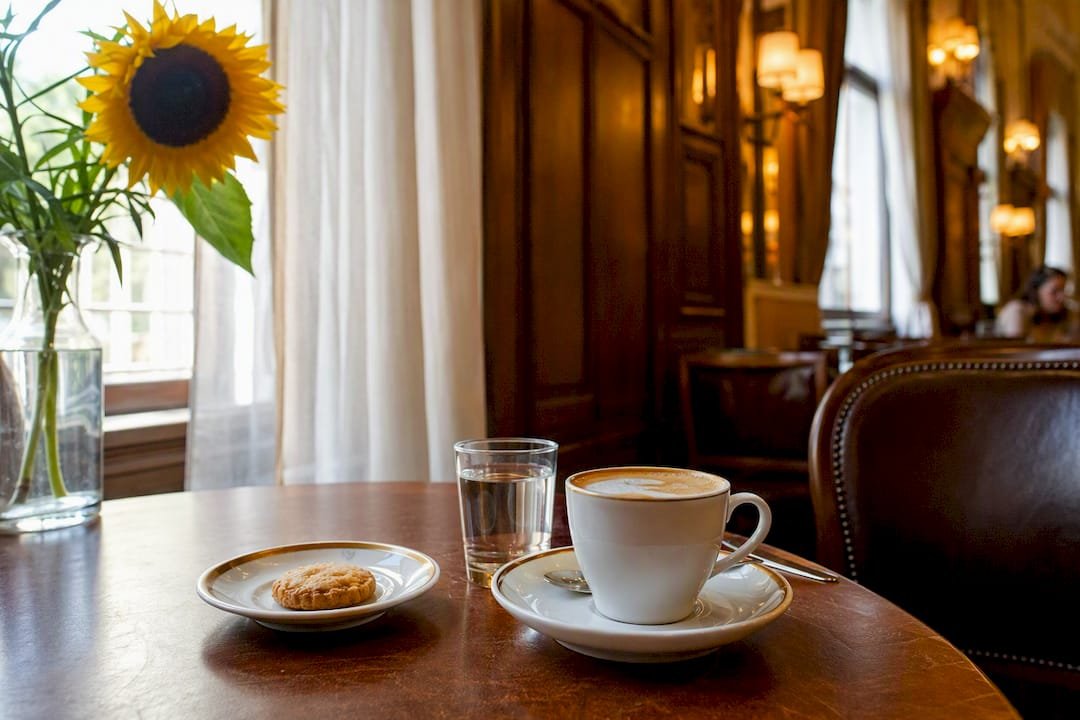
Four to five days opens the door to a day trip, typically the Wachau Valley or Bratislava, without sacrificing anything from the three-day core. This is also the sweet spot for families, since it builds in slack for slower mornings and tired kids without wrecking the schedule. Guides that break down trip length by traveler type consistently point to this range as the most flexible option.
Seven or more days turns Vienna into a base rather than a stop. You get room for niche museums (the Museum of Applied Arts, the Sigmund Freud Museum), neighborhood wandering in Josefstadt or Neubau, and multiple day trips instead of just one. Some travelers use this window to combine Vienna with Salzburg or Budapest as a home-base circuit.
- 1 day: Highlights only, no interiors, good for layovers
- 2 days: One palace interior plus one museum, tight pacing
- 3 days: Full imperial core, one museum, Naschmarkt, coffee-house time
- 4 to 5 days: Everything above plus one day trip and family-friendly slack
- 7+ days: Multiple day trips, niche museums, neighborhood exploration
What does a sample Vienna itinerary look like?
Numbers are useful for planning, but a real itinerary shows you how the hours actually fill up. Here’s how each length plays out on the ground.
The 1-day plan. If you’re flying into Vienna International Airport, the fastest route into the city is the City Airport Train (CAT), which runs nonstop to Wien Mitte in about 16 minutes, or the Railjet/S-Bahn combo if you’re watching your budget. Start at Stephansdom by mid-morning, climb or skip the tower depending on your schedule, then walk the Graben and Kohlmarkt toward the Hofburg for an exterior look at the Imperial Palace. Grab lunch near Michaelerplatz, then walk the Ringstrasse past the State Opera and Parliament building before finishing at a classic coffee house. If you have an extra hour, the Prater Ferris wheel makes a good sunset stop.
The 2-day plan.
- Day one: Historic center walk, Stephansdom interior, Hofburg exterior and Michaelerplatz, State Opera building, dinner in the first district.
- Day two: Schönbrunn Palace Grand Tour in the morning (book ahead), Belvedere or the Kunsthistorisches Museum in the afternoon, evening free for a concert or another coffee house.
The 3-day plan.
- Day one: Imperial core (Hofburg interior, Sisi Museum, Stephansdom), Graben and Kohlmarkt shopping streets, evening at the State Opera or a chamber concert.
- Day two: Schönbrunn Palace Grand Tour, gardens, Gloriette viewpoint, and the zoo if traveling with kids.
- Day three: Belvedere Palace to see Klimt’s The Kiss, Naschmarkt for lunch, a slow coffee-house afternoon to close out the trip.
Pro Tip: Book Schönbrunn’s Grand Tour and any concert or opera tickets online before you land. Walk-up lines for the palace can run one to two hours during peak season, and popular evening concerts sell out days in advance.
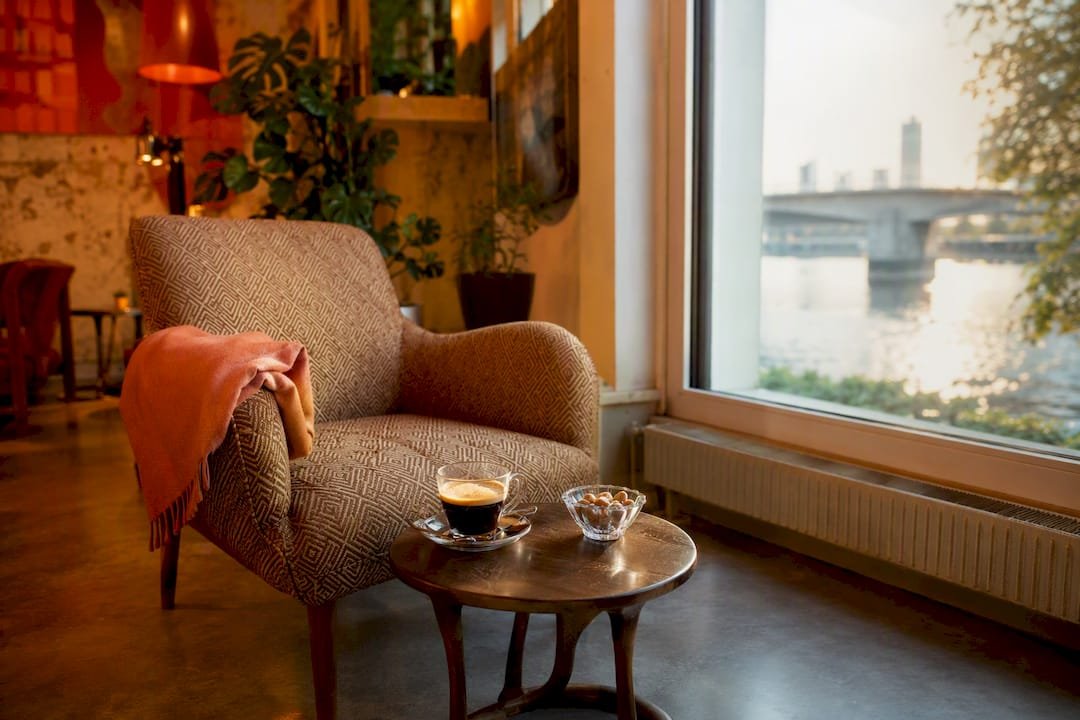
For coffee-house time, skip the most photographed spots if you’re short on hours. Locals point to reliable, less-crowded alternatives like Café Museum as a way to get the real experience without losing half an afternoon to a line.
How should trip type change your day count?
Not every traveler needs the same three days. Your priorities should set the number before you set the itinerary.
- First-time visitors: Three days hits the essentials without wasted motion. It’s the minimum that lets you see the imperial core, one museum, and still have downtime, matching what Vienna’s own tourism board recommends for a satisfying first visit.
- Families with kids: Plan on four to five days. Schönbrunn’s zoo alone deserves a half-day, and young kids slow down palace tours and museum visits considerably. Building slack into the schedule beats forcing a toddler through a rushed Belvedere visit.
- Music and culture travelers: Add at least one extra day beyond the standard three to properly cover the Kunsthistorisches Museum, the MAK, or a second concert. Vienna’s opera and classical music scene rewards travelers who don’t treat it as a single box to check.
- Business travelers and short-stay visitors: One to two days works if you route tightly. Stick to the inner districts on foot, use the U-Bahn for anything beyond walking distance, and pick one interior (Hofburg or a quick Schönbrunn visit) rather than trying for both.
Which day trips are worth adding to your itinerary?
Day trips are the main reason travelers extend a three-day Vienna visit into four, five, or more nights. Each one changes the math differently.
- Bratislava: About one hour by train each way, making it an easy half-day or full-day addition. Works well as a fourth or fifth day without disrupting your Vienna core plans.
- Wachau Valley: A full-day river and wine-region excursion best done between April and October, when boat cruises and vineyard visits are running. This one usually justifies adding a full extra night rather than swapping out a Vienna day.
- Vienna Woods and Heuriger wine taverns: A half-day or evening option close enough to the city that it can slot into an existing day rather than requiring a new one.
If you’re deciding whether to add a night or swap a museum day for a day trip, the rule of thumb is simple: swap only if the day trip is short enough to return by early evening. Anything requiring a full day, like the Wachau Valley, earns its own night on the calendar.
What are the practical logistics for planning your trip?
Vienna’s public transport system is one of the easiest in Europe to use, which helps regardless of how many days you’ve allotted. The U-Bahn covers the city in five lines, and a 72-hour transport ticket is a standard option for anyone staying three days or more. The Vienna Welcome Card bundles transit with discounted entry to major attractions and is worth pricing out if you’re staying three or more nights, since the tourism board specifically recommends it as a money-saver for stays in that range.
From the airport, your main options are the City Airport Train, the Railjet regional trains, or the S-Bahn, with the S-Bahn being the cheapest and slowest of the three.
Vienna sees its lightest crowds and mildest weather in April, May, September, and October — the shoulder seasons that most planning guides point to for a first visit, since summer brings both heat and heavier tourist traffic to Schönbrunn and the inner city.
- Book ahead: Schönbrunn’s Grand Tour and Belvedere tickets in high season; concerts and opera performances can sell out entirely.
- Budget: Economy travelers can expect lower daily costs sticking to museums and public transit, while comfortable travelers spending on guided tours, concerts, and sit-down dining will land higher.
- Timing: Start mornings early to beat the tour-bus crowds at Schönbrunn and Stephansdom.
- Downtime: Treat coffee-house hours as scheduled rest, not a rushed stop between sights.
If you’re also booking accommodations around your day count, general weekend-stay booking strategies apply just as well to a longer Vienna trip: book early, compare cancellation terms, and match your neighborhood choice to how much walking you’re willing to do each morning.
When does a guided tour beat doing it yourself?
If you’ve only got one or two full days, a guided day trip solves the logistics problem before it becomes a problem. Skip-the-line entry, transit already arranged, and a guide who knows which coffee house won’t eat your afternoon. That’s the whole appeal when your time is compressed.
- 1 to 2 days: A guided day trip covers the imperial core efficiently and adds context you’d miss self-guiding.
- 2 to 3 days: A private tour focused on your specific interests (art, history, architecture) makes better use of limited hours than a generic walking tour.
- 5+ days: Multi-day options let you combine Vienna with Wachau, Bratislava, or Salzburg without re-planning transit each morning.
Next View Tours’ step-by-step Vienna day trip guide walks through exactly how this works for first-time visitors short on time.
What do experienced Vienna travelers wish they’d known?
The most common regret we hear isn’t about missing a sight. It’s about packing too much into a single day and never experiencing the slower side of the city that makes Vienna worth visiting in the first place. Travelers who rush Schönbrunn in the morning and the Belvedere by afternoon often skip the one thing locals would tell them to prioritize: an unhurried hour at a coffee house with nothing scheduled after it.
Our advice for any trip of three days or longer is to build in one unplanned afternoon. Don’t fill it. Let it become a second coffee stop, a wrong turn down a side street, or an extra hour at whichever museum surprised you. Vienna gives back more to travelers who leave room for it to surprise them than to those who treat it like a checklist.
— Next
Ready to Book Your Vienna Days?
Once you know your number, the next step is deciding how much of the planning you want to do yourself. Next View Tours is the option that removes the transit-and-ticket puzzle entirely: instead of booking Schönbrunn slots, mapping U-Bahn routes, and hoping the Wachau boat schedule lines up with your dates, a guided day trip or private tour handles that groundwork for you.

Our Trip Types page breaks down which format fits which visit length: day trips for travelers working with one or two days, private tours for those who want two or three days built entirely around their own interests, and multi-day options for anyone extending past five days into the Wachau Valley or beyond. If you’ve already settled on Vienna plus a day trip, our Vienna day trips page lists current departures and routes. Pick your dates and see what’s running this season.
Where can you confirm current hours and tickets?
- Vienna’s official tourism site for sample itineraries and visitor guidance.
- Austrian National Library for State Hall hours and ticketing.
- Vienna Welcome Card for transit passes and attraction discounts.
Sources
- Vienna in three days – vienna.info
- Discover Vienna: How much time do you really need? – Vienna Welcome Card
- How Many Days in Vienna? A 2026 Planning Guide by Trip Length | Euro Landmarks
- Austrian National Library — State Hall


Comments are closed