
 City Tour
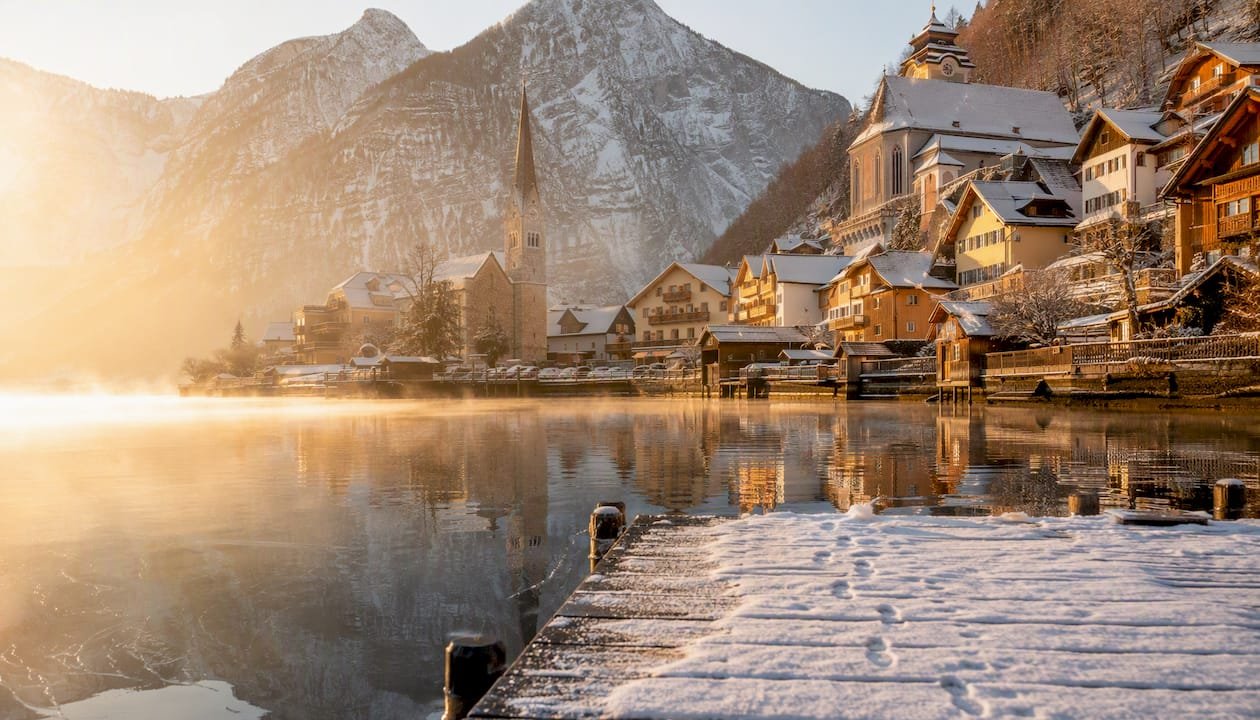
Hallstatt in winter is absolutely worth visiting, and the single most important planning tip is this: check current closures before you book anything else. The Salzwelten funicular and Skywalk remain closed through June 2026 for reconstruction, which reshapes every itinerary built around those viewpoints. Once you account for that, what remains is one of Europe’s most quietly spectacular winter scenes: a 16th-century lakeside village framed by the Dachstein Alps, dusted with snow on its best days, and blessedly calm compared to its summer self.
This destination rewards photographers, couples, and slow-pace travelers most. If you need packed activity lists and guaranteed sunshine, winter here will test your patience. But if you want mist rising off a frozen lake at 7:30 AM with almost no one else on the cobblestones, Hallstatt in winter delivers something genuinely rare.
Key Takeaways
Hallstatt in winter is best experienced with an overnight stay, early-morning photo timing, and a clear plan for the 2026 Skywalk closure.
| Point | Details |
|---|---|
| Check closures first | The Salzwelten funicular and Skywalk are closed through June 2026; plan alternatives like Altaussee or Obertraun. |
| Best months for quiet and snow | January and February offer the lowest crowds and the highest snow probability, though snow at 508 m is not guaranteed. |
| Stay overnight | Arriving before 9 AM or after 4 PM gives you the village without day-tripper crowds; one night minimum is recommended. |
| Pack for real cold | Expect highs near 28.8°F (-1.8°C) and lows near 16.2°F (-8.8°C); waterproof traction boots and layers are non-negotiable. |
| Nextviewtours for low-stress access | Nextviewtours operates guided and private winter day trips from Vienna, handling winter driving and logistics for you. |
Table of Contents
- Where exactly is Hallstatt, and how do you get oriented?
- Which winter months give you the best Hallstatt experience?
- How do you actually get to Hallstatt in winter?
- Should you stay overnight or visit as a day trip?
- What is the weather really like, and what should you pack?
- What can you actually do in Hallstatt in winter?
- Sample winter itineraries you can use right now
- What does a winter visit to Hallstatt actually cost?
- How do you avoid crowds and get the best winter photos?
- Staying safe during a winter visit to Hallstatt
- Why a guided winter trip to Hallstatt is worth considering
- The quiet truth about Hallstatt in winter
- Plan your Hallstatt winter trip with Nextviewtours
- Sources
Where exactly is Hallstatt, and how do you get oriented?
Hallstatt sits in the Salzkammergut lake district of Upper Austria, roughly 280 kilometers west of Vienna and 75 kilometers southeast of Salzburg. The village hugs the western shore of Lake Hallstatt at an altitude of about 508 meters, with the Dachstein massif rising sharply behind it. That altitude matters for weather planning: it is low enough that snow at lake level is not guaranteed every winter, yet high enough that temperatures regularly drop below freezing.
Nearest international airports and typical surface travel times:
- Vienna International Airport (VIE): approximately 3 hours by car or train to Hallstatt; the most common gateway for U.S. travelers flying into Central Europe.
- Salzburg Airport (SZG): approximately 1.5 hours by car; the closest major airport and the easiest hub for a self-drive or guided day trip.
- Munich Airport (MUC): approximately 2.5 hours by car; a strong option if you are routing through Germany.
Arrival options at a glance:
- Train + ferry: Take an ÖBB train to Hallstatt Bahnhof station, which sits on the opposite shore of the lake. A short ferry crosses year-round, though winter schedules run less frequently than summer, so confirm times before you travel.
- Self-drive: The most flexible option, but winter road conditions in the Salzkammergut require winter tires and careful driving on mountain passes.
- Guided day trip: Operators like Nextviewtours run Hallstatt day trips from Vienna with door-to-door transfers, removing the timetable stress entirely.
Which winter months give you the best Hallstatt experience?
The short answer: January and February for photography and quiet; early December for the Advent market atmosphere. Each window has a distinct character, and your goal should determine which you choose.
| Month | Crowd Level | Snow Chance | Key Atmosphere | Best For |
|---|---|---|---|---|
| Early December | Moderate | Low–Medium | Advent market, festive lights | Couples, festive travelers |
| Late December | High | Medium | Holiday rush, school breaks | Festive but busy |
| January | Low | Highest | Serene, crisp alpine light | Photographers, slow travelers |
| February | Low–Moderate | High | Quiet streets, winter scenery | Photography, couples |
Hallstatt’s Advent market typically runs through the first three weekends of December, drawing visitors from across Austria and Germany. The atmosphere is genuinely warm and charming, with candlelit stalls along the lakefront. The trade-off is that late December through New Year’s brings the highest winter crowds, rivaling some summer weekends.
January and February are the coldest months, but climate data confirms they also carry the highest probability of snowfall. Snow at 508 meters is irregular and can melt within a day, so even in these months you should plan for crisp, snowless alpine light as a realistic alternative to the postcard image. That said, a fresh snowfall in January turns the village into something genuinely otherworldly.
How do you actually get to Hallstatt in winter?
Getting to Hallstatt takes planning in any season. In winter, the stakes are higher because road conditions, ferry schedules, and parking all add variables that can derail a tight day-trip timeline.
Train and ferry
The standard rail route involves an ÖBB train to Hallstatt Bahnhof, followed by a short ferry ride across the lake to the village. The ferry runs year-round, but winter timetables are reduced. Missing the last ferry back is a real risk if you are not watching the clock. Check the ÖBB timetable and the ferry schedule together before you leave your hotel.
Sample Vienna to Hallstatt day-trip timing:
| Leg | Departure | Arrival | Notes |
|---|---|---|---|
| Vienna Hauptbahnhof → Attnang-Puchheim | 7:00 AM | ~9:00 AM | ÖBB Railjet or regional |
| Attnang-Puchheim → Hallstatt Bahnhof | ~9:10 AM | ~10:30 AM | Regional train |
| Ferry to village | around 10:45 AM | about 10:45 AM | Confirm winter schedule |
| Return ferry + train to Vienna | ~4:00 PM | ~7:30 PM | Allow buffer for last ferry |
Driving
Driving gives you flexibility on timing and luggage, but winter tires are legally required on Austrian mountain roads in winter conditions. The drive from Salzburg takes roughly 1.5 hours under normal conditions; from Vienna, allow 3 hours. Parking inside Hallstatt is extremely limited. Most visitors park at the P1 lot on the edge of town and walk in, or use the shuttle from the larger P3 lot. In peak Advent weekends, even these lots fill early.
Guided day trips
For travelers uncomfortable with alpine winter driving or tight train timetables, a guided transfer is the most stress-free option. Nextviewtours operates Hallstatt day trips from Vienna with experienced drivers who know winter road conditions and local logistics, letting you focus entirely on the experience rather than the schedule.
Should you stay overnight or visit as a day trip?
Staying overnight in Hallstatt during winter is the single best upgrade you can make to your trip. The village empties dramatically after the last day-trip buses leave, and the early morning hours before 9 AM offer a version of Hallstatt that most visitors never see: quiet cobblestones, mist on the lake, and light that photographers spend entire careers chasing.
Two days gives you breathing room for photography, a relaxed museum visit, and a short side trip to Obertraun or Altaussee. One full day is workable but leaves little margin for weather delays or spontaneous exploration.
Recommended places to stay
Seehotel Gruner Baum is one of Hallstatt’s most storied lakeside properties, with rooms that look directly across the water toward the Dachstein. In winter, the combination of a warm, wood-paneled interior and that lake view creates an atmosphere that feels genuinely restorative after a cold morning of walking. Book well ahead for Advent weekends.
Heritage Hotel offers a central location within the Old Town, putting you steps from the main square and the church. Its position means you can be at the lakefront viewpoint before sunrise without a long walk in the dark, which matters when temperatures are near or below freezing.
If Hallstatt itself is fully booked during holiday periods, Obertraun, just 4 kilometers away on the opposite shore, is a practical and quieter alternative with its own access to the Dachstein area.
What is the weather really like, and what should you pack?
Hallstatt winters are cold, damp, and short on daylight. Average highs sit around -1.8°C (28.8°F) and average lows drop to approximately -8.8°C (16.2°F), with wind chill making exposed lakefront areas feel sharper still. Daylight runs roughly 8–9 hours in December and January, which compresses your photography windows considerably.
Snow at lake level is irregular despite the altitude. January and February give you the best odds, but you should mentally prepare for a snowless visit and plan compositions that work with bare stone, dark water, and alpine peaks instead.
Winter packing checklist:
- Waterproof boots with aggressive traction (cobblestones and harbor boardwalks ice over)
- Thermal base layers, mid-layer fleece, and a wind-blocking outer shell
- Insulated gloves and a warm hat (the lakefront wind is relentless)
- Hand warmers for extended outdoor photography sessions
- Microspikes or ice cleats if you plan to walk uphill paths
- Small daypack with a waterproof cover
- Cash in euros (small vendors and some cafés do not accept cards)
- Camera cold-weather essentials: spare batteries, lens cloth, silica gel packets
Pro Tip: When moving from cold outdoor air into a warm café or hotel lobby, keep your camera in your bag for 10–15 minutes before opening it. The temperature differential causes condensation inside the lens and on the sensor. A slow warm-up prevents moisture damage and saves you from foggy shots right when the light is best.
What can you actually do in Hallstatt in winter?
Winter narrows the activity list, but what remains is high quality. Here is what is open, what is closed, and how long to budget for each.
Lakefront walk and the postcard viewpoint
The classic viewpoint above the village, accessible via a short uphill path, is Hallstatt’s most photographed angle. Budget 20–30 minutes for the walk up and the view. The path can be icy; wear traction footwear. Free to access, open year-round.
Old Town wandering
The medieval market square, the narrow lanes between painted houses, and the harbor boardwalk are the soul of Hallstatt. Allow 1–2 hours to walk slowly, stop at a café, and absorb the scale of the place. Most of this is free.
Hallstatt Museum
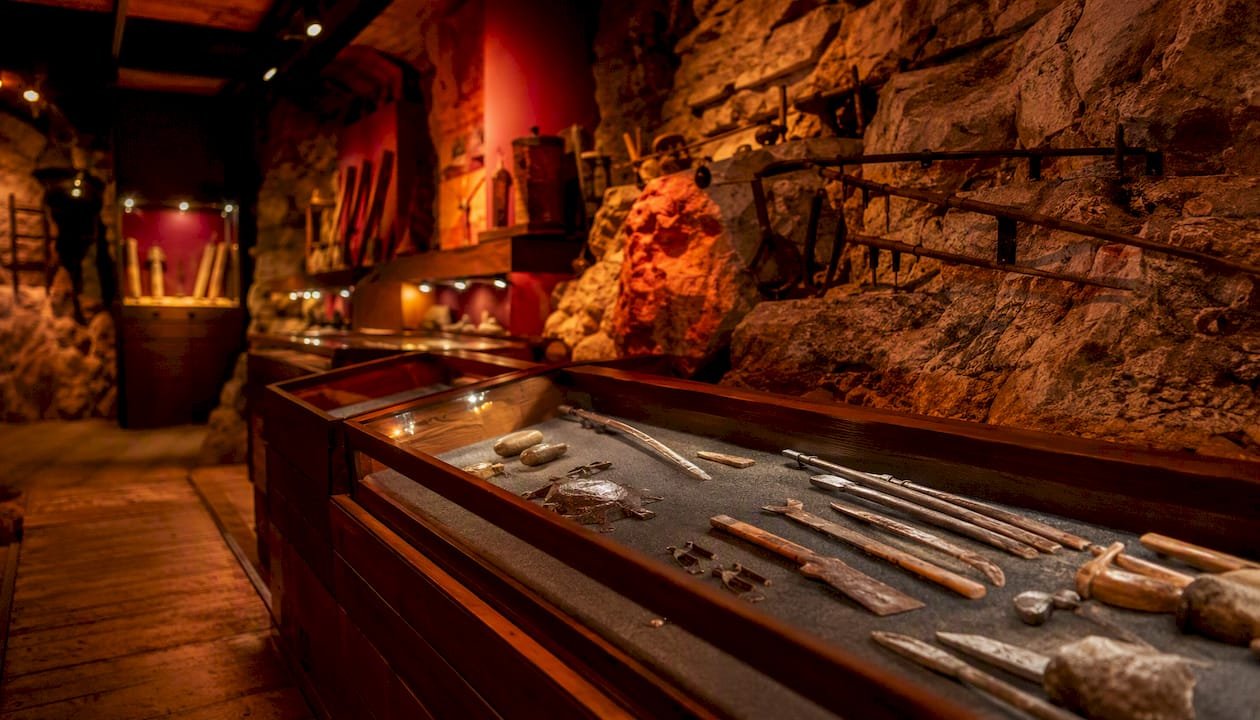
One of the best indoor options on a cold or wet day, the museum covers the region’s extraordinary salt-mining heritage going back thousands of years, including the Celtic Hallstatt culture that gave an entire archaeological era its name. Budget 1.5–2 hours. Check current opening hours before visiting, as winter hours may be reduced.
St. Michael’s Chapel and the Bone House (Ossuary)
The 12th-century chapel and its famous ossuary, where decorated skulls are displayed in a centuries-old tradition, are among the most singular sights in Austria. The ossuary is small but unforgettable. Budget 30 minutes; a small entry fee applies.
Salzwelten Hallstatt (salt mine) and Skywalk
Both are closed through June 2026 for reconstruction. Do not build your itinerary around either. The practical alternatives are a shuttle to Altaussee Salt Mine or a visit to Obertraun’s Five Fingers viewpoint and nearby Dachstein trails, though the latter requires appropriate winter footwear and awareness of trail conditions.
Dachstein area (Obertraun)
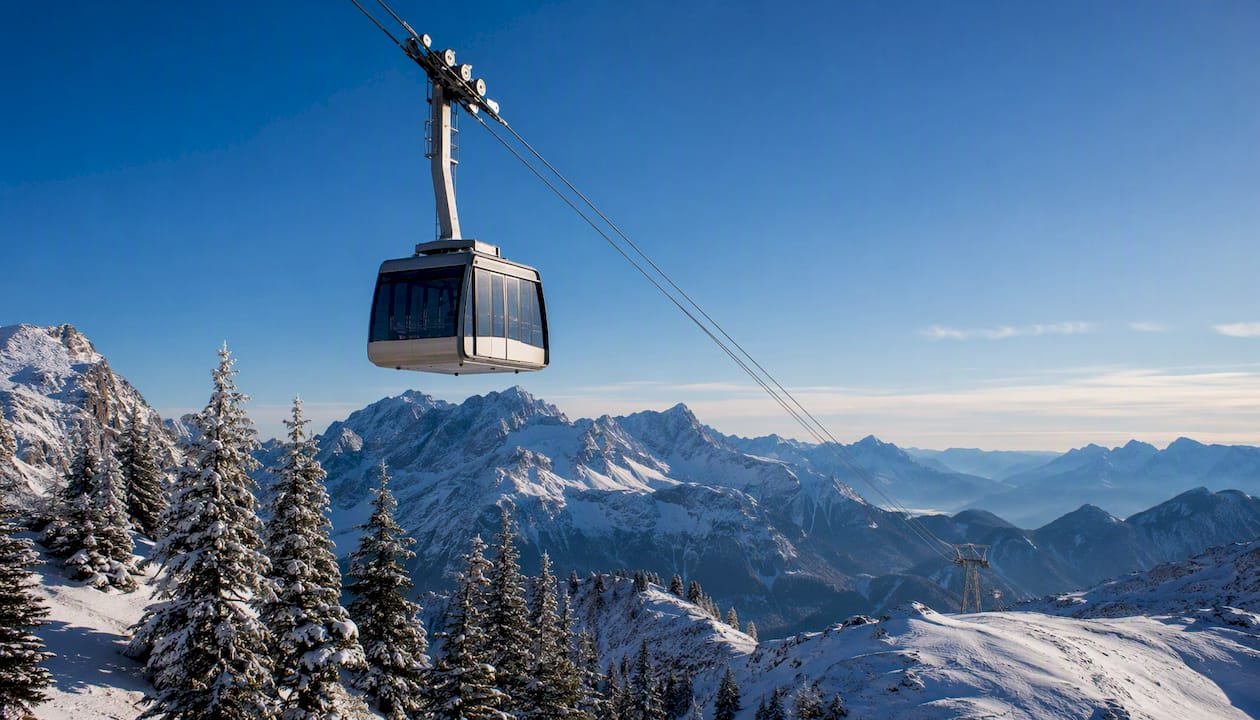
The Dachstein cable car and glacier, accessible from Obertraun, offers a genuine high-alpine winter experience when conditions allow. Check operating status before you go, as weather closures are common. This is the best substitute for the Skywalk if you want elevated views.
Indoor warmth: cafés and bakeries
Hallstatt has a handful of cafés clustered around the market square. On a cold afternoon, settling in with a Melange (Austrian coffee with milk foam) and a slice of Apfelstrudel is not a consolation prize. It is the point.
Sample winter itineraries you can use right now
Half-day plan (afternoon arrival)
- Arrive by ferry around 1:00 PM after the morning tour-group rush.
- Walk the harbor boardwalk and market square (45 minutes).
- Visit St. Michael’s Chapel and the Ossuary (30 minutes).
- Climb to the postcard viewpoint for late-afternoon light (30 minutes up, 20 minutes shooting).
- Warm up at a lakefront café before the return ferry (45 minutes).
- Catch the ferry back to Hallstatt Bahnhof by 5:00 PM.
Full-day plan (train + ferry arrival)
- Arrive by ferry around 10:45 AM after the earliest practical train connection from Salzburg or Vienna.
- Head immediately to the postcard viewpoint before midday crowds build (45 minutes).
- Visit the Hallstatt Museum (1.5 hours).
- Lunch at a market-square café (45 minutes).
- Walk the Old Town lanes and the harbor (1 hour).
- Visit St. Michael’s Chapel and Ossuary (30 minutes).
- Return to the viewpoint for late-afternoon golden hour if daylight allows (30 minutes).
- Catch the return ferry by 4:30 PM to make evening train connections.
Two-day plan (overnight stay)
Day 1:
- Arrive by mid-afternoon; check in to Seehotel Gruner Baum or Heritage Hotel.
- Walk the Old Town at dusk when the village lights come on (1 hour).
- Dinner at a lakeside restaurant.
Day 2:
- Wake before sunrise and walk to the postcard viewpoint for blue-hour photography (arrive by 7:00 AM).
- Return for breakfast at your hotel.
- Visit the Hallstatt Museum (1.5 hours).
- Afternoon day trip to Obertraun for Dachstein cable car or Five Fingers viewpoint (2–3 hours; check conditions).
- Return to Hallstatt for a final lakefront walk before departure.
For travelers coming from Vienna, Nextviewtours offers a guided Hallstatt day trip that handles all transport logistics, freeing you to focus on the experience.
What does a winter visit to Hallstatt actually cost?
Winter is generally the most affordable season to visit Hallstatt. Hotels drop their rates significantly outside the Advent market period, and the village has no entry fee.
| Item | Typical Cost Range (EUR) | Notes |
|---|---|---|
| Train Vienna → Hallstatt Bahnhof (round trip) | approximately €40 | ÖBB; varies by booking time |
| Ferry (one way) | ~€3 | Confirm current rate locally |
| Hallstatt Museum entry | ~€10–€12 | Check winter hours |
| St. Michael’s Ossuary entry | ~€2 | Small fee |
| Café meal (lunch or coffee + pastry) | about €10 | Cash often preferred |
| Midrange hotel (per night, off-peak winter) | about €80 | Higher during Advent |
| Parking (P1 lot, per day) | ~€10–€15 | Limited spots; arrive early |
| Guided day trip from Vienna (per person) | about €60 | Varies by operator and group size |
Parking and accessibility notes: Hallstatt’s streets are steep, narrow, and often icy in winter. The village is not well-suited to reduced-mobility travelers without planning. The harbor boardwalk is relatively flat, but the path to the postcard viewpoint involves an uphill climb on uneven stone. The ferry is the most accessible way to arrive. Carry cash in euros; not every café or small vendor accepts cards, and ATMs in the village are limited.
How do you avoid crowds and get the best winter photos?
Even in winter, Hallstatt draws day-tripper buses, particularly on weekends and during Advent. The crowd pattern is predictable: buses arrive between 10 AM and 11 AM and leave by 4 PM. That window is your cue to be somewhere else or to have already finished your best shots.
Arriving before 9 AM or after 4 PM gives you the village largely to yourself. Weekdays in January and February are the quietest of all. If you are staying overnight, the blue hour before sunrise is the single most rewarding time to be at the lakefront, with still water, soft light, and zero crowds.
Prime winter viewpoints:
- The postcard viewpoint (above the village, short uphill path): the classic angle showing the church spire, painted houses, and lake. Best in early morning or late afternoon.
- The harbor boardwalk: low-angle shots of the village reflected in the lake; works beautifully in flat winter light.
- Market square: tight architectural shots of the painted facades; good in overcast light when shadows are soft.
- Skywalk area: currently inaccessible due to the 2026 closure; the Dachstein cable car at Obertraun is the alternative for elevated views.
For photo inspiration and a visual sense of what winter Hallstatt looks like at its best, Nextviewtours has a Hallstatt winter photo gallery worth browsing before you go.
Photography checklist:
- Tripod (essential for blue-hour and low-light lake shots)
- Spare batteries (cold drains them fast; keep one inside your jacket)
- Lens cloth and silica gel packets
- Remote shutter release for long exposures
- Wide-angle lens for the postcard viewpoint; a short telephoto for compressing the village against the mountain backdrop
Pro Tip: The “snowy postcard” image is increasingly a matter of timing and luck at lake level. Plan compositions that work without snow: the dark water, stone facades, and mountain peaks create a moody, dramatic palette that is arguably more interesting than the obvious white-blanket shot. Shoot in RAW and push the shadows in post to bring out detail in the mountain faces.
Staying safe during a winter visit to Hallstatt
Winter in the Austrian Alps is genuinely beautiful and genuinely demanding. A few practical precautions make the difference between a smooth trip and a stressful one.
On the roads:
- Winter tires are legally required in Austria when roads are icy or snow-covered; rental cars should come equipped, but confirm before you drive off the lot.
- Alpine roads narrow quickly and can be icy in shaded sections even when the main highway is clear. Allow 20–30% more travel time than your GPS suggests.
- If you are not comfortable with mountain winter driving, public transport or a guided transfer is the smarter choice.
On foot:
- The harbor boardwalk and shaded stone steps ice over quickly after overnight freezes. Traction footwear is not optional.
- Use handrails on the uphill paths; they exist for a reason.
- The path to the postcard viewpoint can be slippery; microspikes are worth carrying if you plan to be out before the morning sun hits the stone.
Health and logistics:
- Hypothermia risk is real when wind chill drops temperatures well below the air temperature. Dress in layers and have a warm indoor option planned for every 90 minutes of outdoor time.
- Purchase travel insurance that covers trip cancellation and medical evacuation before you leave the U.S. Alpine medical evacuations are expensive.
- Check the Hallstatt tourist office and local transport pages for real-time updates on closures, road conditions, and ferry schedules before you travel.
Pro Tip: Download the ÖBB app and the Austrian road conditions app (ASFINAG) before you leave home. Both work offline for basic timetable and route data, which matters in areas with patchy cell coverage.
Why a guided winter trip to Hallstatt is worth considering
Winter adds complexity to Hallstatt logistics that a warm-season visit simply does not have: icy roads, reduced ferry schedules, shorter daylight windows, and the 2026 Skywalk closure that requires itinerary adjustments most first-time visitors will not anticipate. A guided or private day trip removes most of those variables at once.
Nextviewtours operates winter tours to Hallstatt from Vienna with drivers experienced in alpine winter conditions. Their guides know which viewpoints are accessible, which ferry times to target, and how to structure a day so you are at the postcard viewpoint before the buses arrive and back at the ferry with time to spare.
When a guided trip makes the most sense:
- You are not comfortable driving on icy alpine roads or navigating Austrian train connections.
- You want to maximize photography time without spending mental energy on logistics.
- You are traveling as a couple or small group and want a private, flexible schedule.
- You are visiting during Advent, when parking is near-impossible and train connections are crowded.
- You want insider timing advice on crowd windows and viewpoint access.
When DIY works fine:
- You are comfortable with European train travel and have confirmed the ferry schedule.
- You are staying overnight in Hallstatt and have the luxury of early-morning and late-evening access.
- You have winter driving experience and a car with proper tires.
For a full picture of Hallstatt tour options and how to structure your visit, Nextviewtours has detailed route and experience guides on their site.
The quiet truth about Hallstatt in winter
Winter Hallstatt is not the village you see in the Instagram posts with perfect snow and golden light. Most mornings, it is gray, cold, and still. The lake is dark. The streets are wet. And it is, without question, one of the most beautiful places in Europe.
What makes it work is the pace. You are not rushing between attractions or competing for a spot at the viewpoint. You are walking slowly, stopping when something catches your eye, warming up with coffee when the cold gets into your fingers. The Ossuary, which most summer visitors rush through in ten minutes, becomes genuinely moving when you have the space to stand there and think. The museum, which summer crowds treat as a rest stop, reveals a civilization that was mining salt here 7,000 years ago.
My honest advice: book at least one night. Wake up before the light. Walk to the lake before anyone else is out. That hour, before the first ferry brings the day-trippers across, is what Hallstatt in winter is actually about.
Plan your Hallstatt winter trip with Nextviewtours
Hallstatt in winter rewards travelers who arrive prepared, and the biggest preparation advantage is having someone else handle the logistics. Nextviewtours runs guided and private winter tours to Hallstatt from Vienna, with experienced drivers, flexible itineraries, and built-in knowledge of current closures and seasonal conditions.

Whether you want a full-day group trip or a customized private transfer timed around your photography goals, Nextviewtours builds the schedule around the winter light windows and crowd patterns that matter most. Advent dates fill quickly, so reserve your spot early. Browse available Hallstatt winter trip options and lock in your dates before the best slots go.
Sources
Before you travel, verify real-time details directly with these sources:
- Hallstatt in Winter (2026): Conditions, Closures, Photo Ideas & Safety Hallstatt Winter Guide (2026): Weather Conditions, Closures & Photo Ideas
- Hallstatt in Winter: Things to do in Hallstatt and Full Winter Guide
- Hallstatt Austria Weather: Best Time to Visit 2026
- 17 Things to Do in Hallstatt in Winter – OhThePlacesWeSee


Comments are closed