 Uncategorized
TL;DR:
- Soft adventure travel dominates Europe’s tourism market by offering low-risk, immersive experiences focused on nature and culture. It appeals to a broad demographic, including families, couples, and older travelers, seeking wellness and authentic connections rather than physical challenge. Planning involves choosing destinations, activity levels, and eco-friendly operators to create personalized, meaningful European outdoor journeys.
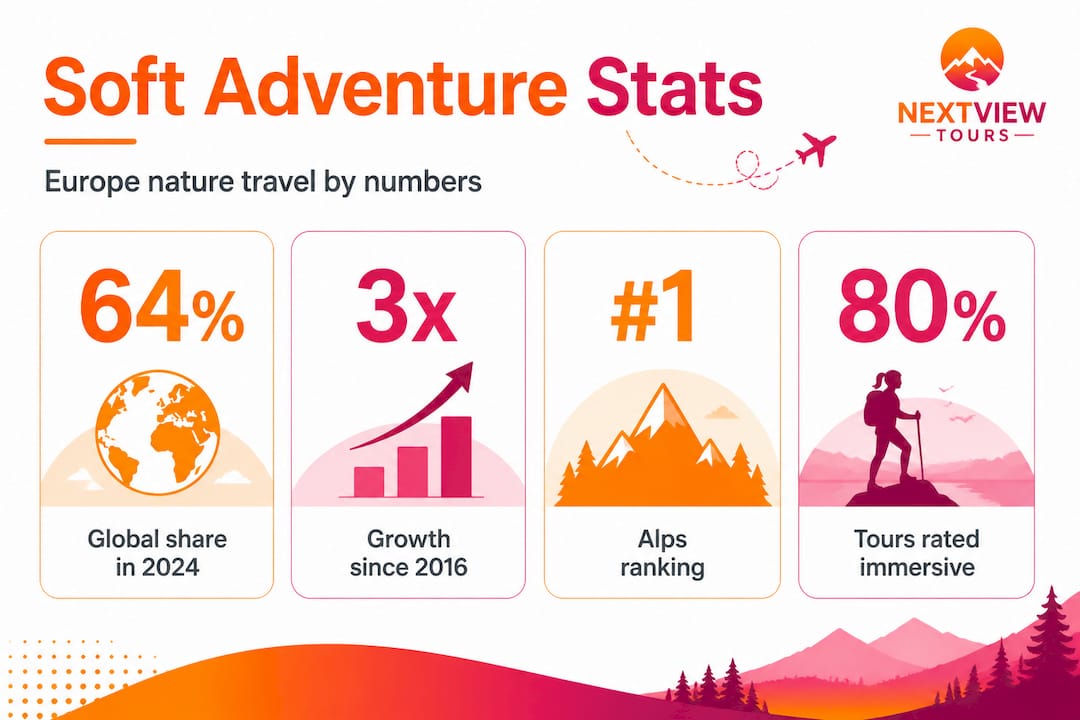
Most people picture extreme sports or survival challenges when they hear “adventure travel.” That image is outdated and, frankly, misleading. Soft adventure dominates globally at 64.2% of the adventure tourism market in 2024, meaning the majority of adventure travelers worldwide are choosing low-risk, nature-rich, deeply immersive experiences over adrenaline highs. If you have been waiting for a sign that Europe’s forests, valleys, and alpine trails are meant for you, this is it. This guide will show you exactly what soft adventure tourism is, where to find its best expressions across Europe, and how to plan a trip that genuinely stays with you.
Table of Contents
- What is soft adventure tourism?
- Top soft adventure activities in Europe
- Who chooses soft adventure travel and why?
- How to choose and plan your perfect European soft adventure
- What most guides miss about soft adventure travel
- Ready to discover Europe’s best soft adventure tours?
- Frequently asked questions
Key Takeaways
| Point | Details |
|---|---|
| Soft adventure defined | Soft adventure tourism means immersive, low-risk, nature-based travel that emphasizes comfort, sustainability, and local culture. |
| Most popular activities | Top activities in Europe include hiking, cycling (especially e-bikes), multi-activity tours, and culinary nature trails. |
| Wide appeal | Soft adventure is accessible to travelers of all ages, including families and experienced adventurers wanting comfort and authenticity. |
| Customizable trips | Travelers can choose guided, self-guided, or bespoke itineraries to fit their fitness, interests, and comfort level. |
| Planning essentials | Choosing the right region, activity mix, and sustainable, expert-led operator ensures a memorable, low-stress European adventure. |
What is soft adventure tourism?
Now that we see soft adventure tourism’s popularity, it is important to understand exactly what sets it apart and why it appeals to modern travelers.
Soft adventure tourism refers to outdoor travel experiences that carry low physical risk and are built around accessibility, comfort, and genuine connection with nature and local culture. Think guided forest hikes, cycling through vineyard country, paddling a calm river at sunrise, or joining a mountain forager for a culinary walk. The goal is immersion, not survival.
This sits in direct contrast to “hard” adventure tourism, which demands significant physical fitness, specialized skills, and a high tolerance for risk. Hard adventure covers things like technical rock climbing, white-water rafting through Class V rapids, high-altitude mountaineering, or heli-skiing on remote glaciers. These experiences are extraordinary, but they exclude the vast majority of travelers.
The 2026 Adventure Travel Trends report makes this clear: soft adventure is the largest participant segment precisely because of its accessibility. It also places sustainability, wellness integration, and cultural exchange at the center of the experience rather than treating them as optional extras.
Key characteristics of soft adventure tourism:
- Low to moderate physical demand with no specialized training required
- Guided or self-guided formats, with logistics managed for you
- Comfortable accommodations ranging from mountain lodges to boutique guesthouses
- Focus on nature immersion, local food, wellness, and cultural connection
- Minimal environmental impact, often with certified eco-operators
Here is a quick side-by-side comparison to make the distinction easy:
| Factor | Soft adventure | Hard adventure |
|---|---|---|
| Risk level | Low | High |
| Physical demand | Moderate | Intense |
| Specialist skills needed | No | Often yes |
| Logistics | Pre-planned, managed | Self-organized or specialist |
| Accommodation | Comfortable to mid-range | Basic or exposed |
| Example activities | Hiking, e-biking, kayaking | Mountaineering, Class V rafting |
| Primary appeal | Immersion, wellness, culture | Adrenaline, challenge |
“Soft adventure is no longer a watered-down alternative to ‘real’ adventure. It is its own distinct genre of travel, defined by intentional connection with place, people, and nature.”
You can explore the full range of tour experience types in Europe to get a clearer sense of which format fits your travel style. And if you are still deciding on the right accommodation options for soft adventures, there is a wide spectrum available across European destinations.
Top soft adventure activities in Europe
Understanding the difference is just the start. Knowing what soft adventure actually looks like across Europe turns theory into possibility.
Europe is one of the world’s most varied soft adventure playgrounds. The continent offers everything from sun-baked coastal trails in Croatia to pine-scented forests in Finland, and from vineyard cycling routes in Alsace to glacier-view hikes in Switzerland. The variety is staggering, and the infrastructure for guided outdoor experiences is excellent throughout.
According to market research on adventure tourism potential, the most popular soft adventure activities in Europe right now include:
- Hiking and trekking: The single most popular soft adventure activity. Trails range from easy valley walks to multi-day hut-to-hut routes in the Alps or Dolomites.
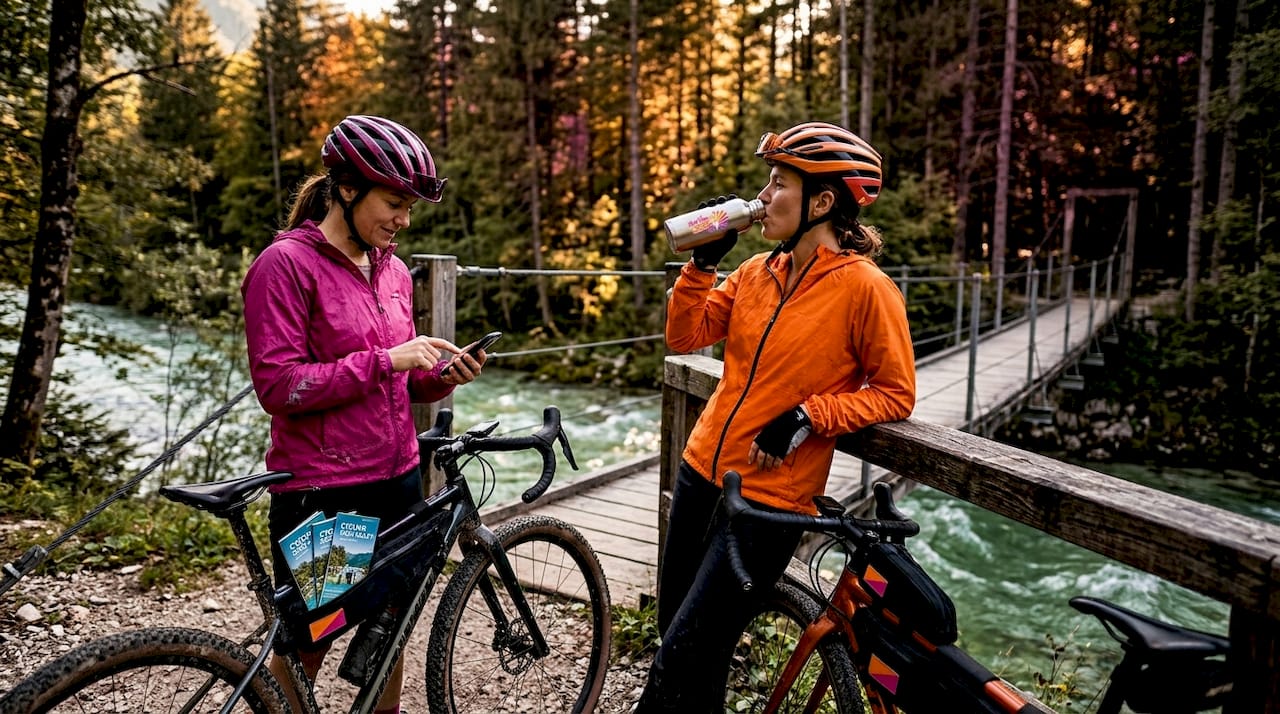
- E-biking: Electric bikes have transformed cycling tourism in Europe by making hilly and mountainous terrain fully accessible. You get the beauty without the brutal climbs.
- Culinary and gastronomy nature tours: Combining outdoor walking with foraging, farm visits, and local food experiences. Particularly strong in Slovenia, France, and the Basque Country.
- Kayaking and canoeing: Calm-water paddling on rivers, lakes, or coastal inlets offers a peaceful, low-skill way to explore landscapes from the water.
- Multi-activity packages: These combine several activities into one trip, often over multiple days. Classic examples include bike-kayak routes through Slovenia’s Soča Valley or hike-bike-raft itineraries through Andorra’s Pyrenees.
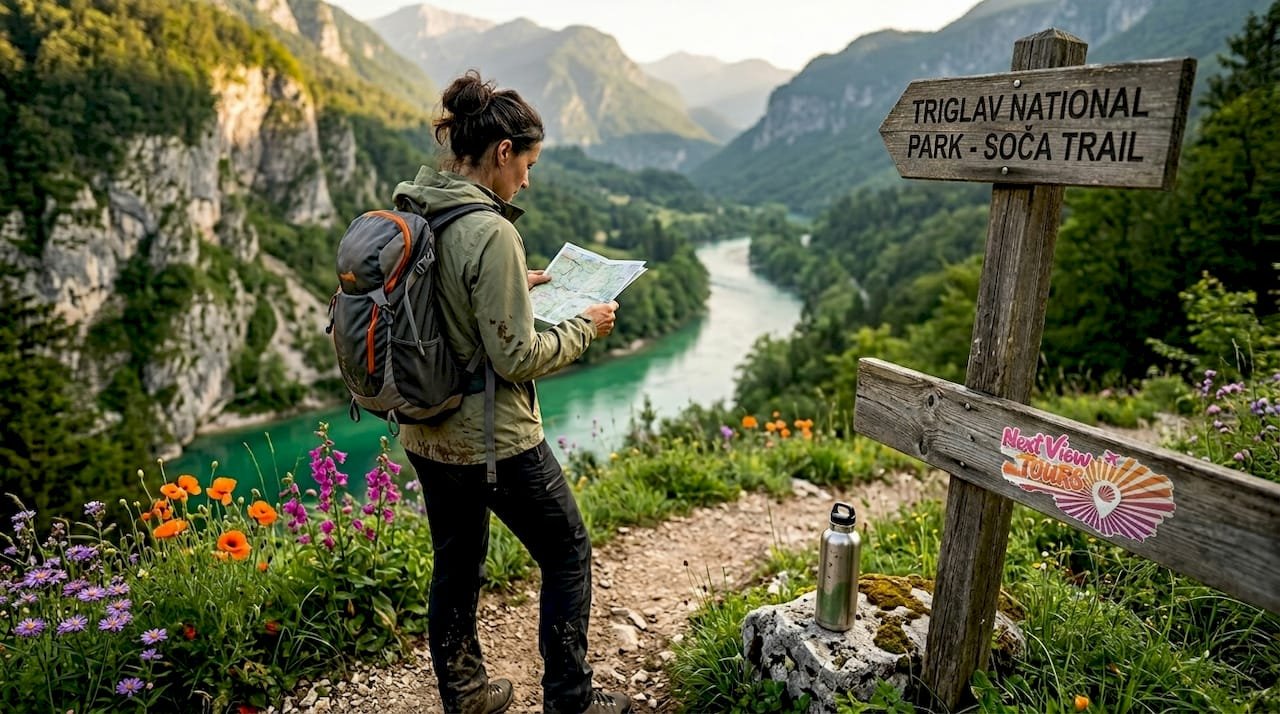
The Soča Valley in Slovenia is one of Europe’s best model destinations for soft adventure. The valley’s emerald river, dramatic karst gorges, and rich World War I history make it perfect for combining natural wonder with cultural storytelling. Andorra’s Pyrenees offer another outstanding multi-activity environment where short distances between mountains, valleys, and traditional villages allow you to experience three or four activities in a single day.
| Activity | Top European locations | Style | Typical duration |
|---|---|---|---|
| Hiking/trekking | Alps, Dolomites, Tatras | Guided or self-guided | Half-day to multi-day |
| E-biking | Loire Valley, Tyrol, Slovenia | Guided or self-guided | 1 to 5 days |
| Culinary nature tour | Basque Country, Tuscany, Slovenia | Guided | Half-day to 2 days |
| Kayaking/canoeing | Soča Valley, Dalmatian coast, Ardèche | Guided | Half-day to 2 days |
| Multi-activity package | Andorra, Soča Valley, Austrian Alps | Guided | 2 to 7 days |
Soft adventures made up over 64% of global adventure tourism in 2024, which signals that this is not a niche trend but the mainstream direction of outdoor travel.
If the Alps appeal to you specifically, our Active Alps adventure offers a curated multi-activity experience, and the Zillertal Arena options are an excellent year-round choice for nature travelers. For something further afield, the Lapland soft adventures guide shows how even Arctic destinations fit beautifully into the soft adventure format.
Who chooses soft adventure travel and why?
Now that we know what activities exist, let us look at who is doing them and why soft adventure has become so mainstream.
The idea that outdoor adventure is only for young, fit, solo travelers is another myth worth discarding. Soft adventure tourism attracts one of the broadest traveler demographics in the industry. European adventure market data projects the market to reach USD 388.54 billion by 2031, fueled by strong demand from across several key groups.
Who is traveling this way?
- Millennials and Gen Z travelers seeking meaningful, shareable experiences over passive resort holidays
- Families with children who want outdoor engagement without exposing kids to high-risk activities
- Couples (representing 42.1% of soft adventure participants) looking for shared, romantic, and memorable experiences in nature
- Adults aged 30 to 50 (36.1% of participants), combining wellness with outdoor exploration during their most active earning and vacation years
- Seasoned travelers who have done the typical sightseeing circuits and now want depth, authenticity, and something that feels genuinely off the beaten path
Why are they choosing it?
The motivations go beyond just “I want some fresh air.” Soft adventure travelers are specifically drawn to:
- Genuine connection with natural environments, not just a view from a tour bus
- Reduced physical and logistical stress, knowing that safety and comfort are built in
- Wellness benefits of being in nature, including reduced cortisol levels and improved mental clarity
- Local cultural exchange, whether that means cooking with a Slovenian grandmother or learning about Alpine transhumance traditions
- Sustainable travel options that leave minimal footprint and support local economies
- Expert-led experiences that deliver real knowledge and context, not just directions
“Soft adventure is the largest participant segment due to accessibility, and it consistently ranks highest for traveler satisfaction when cultural and wellness elements are integrated into the experience.”
Pro Tip: When booking, look for operators with recognized eco-certification or membership in responsible tourism networks. Customizing your itinerary with a local guide, even partially, adds layers of cultural depth that standard group tours rarely provide.
You can learn more about current tourism trends in Europe to see how these motivations are shaping new types of offerings across the continent.
How to choose and plan your perfect European soft adventure
Next, discover how to actually plan your own unforgettable and comfortable soft adventure journey in Europe.
Planning a soft adventure trip does not need to be complicated. The format is designed for accessibility, meaning the process of choosing and booking is itself relatively low-stress compared to planning a technical mountaineering expedition. That said, a few smart decisions upfront will dramatically improve your experience.
Guided soft adventure experiences work best when logistics, comfortable stays, and activity levels are pre-planned, which frees you to focus entirely on the experience itself.
Here is a clear five-step process to follow:
-
Decide on region and season. The Alps and Dolomites are stunning from June through September. Slovenia’s Soča Valley peaks in late spring and early fall. Scandinavian soft adventures shine in summer for midnight sun experiences or winter for northern lights. Match your timing to what you want to see and feel.
-
Choose your activity level and comfort preferences. Be honest with yourself. A moderate hike with 400 meters of elevation gain is very different from a flat river kayak. Most tour operators list activity levels clearly. Pick what excites you without leaving you dreading the next morning.
-
Decide between self-guided and guided formats. Self-guided trips give you maximum flexibility and often cost less, but you handle your own navigation and logistics. Guided trips offer expert local knowledge, structured days, and safety support. Many travelers start with guided and transition to self-guided once they feel confident in a region.
-
Check for sustainable and eco-certified options. Look for operators certified by organizations like Green Destinations, Travelife, or national eco-tourism bodies. These certifications mean your travel dollars support local communities and environmental stewardship rather than undercutting them.
-
Book with a trusted, specialist operator. Generalist travel agencies rarely have the depth of knowledge or local partnerships that specialist adventure tour operators bring. A good operator will know exactly which trail is best in October, which river section is appropriate for first-timers, and which village restaurant will be the highlight of the whole trip.
Pro Tip: Multi-activity tours that combine hiking, cycling, culinary experiences, and nature immersion across several days offer the best value and the richest memories. You cover more ground with less planning stress, and the variety keeps energy levels high throughout.
Explore booking your adventure tour for a step-by-step walkthrough, or browse multi-day tour ideas for curated European itinerary inspiration across seasons and regions.
What most guides miss about soft adventure travel
Now that you know what to look for and how to plan, it is worth considering what actually makes a soft adventure worth remembering.
Most articles about soft adventure tourism list activities and destinations. Fewer stop to ask what makes one trip genuinely transformative and another merely pleasant. In our experience working with travelers across Europe, the difference rarely comes down to the trail itself or the kayak or the e-bike. It comes down to the moments that were not on the official program.
The 2026 Adventure Travel Trends report confirms this from a data perspective: the experiences rated most highly by soft adventure travelers consistently involve cultural exchange, wellness integration, and authentic local connection, not just mild physical activity in a scenic setting.
Here is what most guides overlook:
- Local food and wine as experience, not just fuel. A meal with a local farmer after a morning hike tells you more about a place than three museums. Seek out operators who build culinary experiences into the itinerary deliberately.
- Self-guided flexibility for deeper discovery. Sometimes the most memorable moments happen when you take a wrong turn and stumble on a village festival. Self-guided formats leave room for those accidents to happen.
- Certified sustainable operators as experience enhancers. Eco-certified guides and operators often have deeper relationships with local communities, which means you access experiences that standard tourists simply never see.
- Cultural storytelling woven into outdoor activity. The best soft adventure guides are part naturalist, part historian, part storyteller. When your guide explains why a particular alpine valley was a critical World War I front, the landscape transforms in front of you.
For seasoned travelers, we want to be honest: some activities labeled “soft adventure” will feel moderate at best. That is completely fine. The value is not in the physical challenge. It is in the Active Austrian Alps experiences that blend natural beauty with cultural depth in ways that feel both stimulating and restorative. The best trips we have seen consistently combine both outdoor movement and genuine human connection, and that combination is available to almost everyone.
Ready to discover Europe’s best soft adventure tours?
Inspired by what soft adventure tourism can offer? Next View Tours designs European outdoor experiences that go well beyond a standard itinerary.
Whether you want a curated sample multi-day adventure trip through the Alps, a private cycling tour through Slovenia, or a fully personalized journey built around your interests and pace, our team is here to help. We offer customized tours tailored to couples, families, groups, and solo travelers across Austria, the Czech Republic, Slovakia, Hungary, and beyond. Browse the full range of all trip types to find the format that fits you perfectly, and reach out anytime for a personalized consultation. The right trip is closer than you think.
Frequently asked questions
How is soft adventure tourism different from traditional adventure tourism?
Soft adventure tourism focuses on low-risk, accessible activities with pre-planned logistics and comfortable stays, prioritizing nature immersion and cultural experiences, while traditional adventure travel typically involves higher physical demands, greater risk, and specialist skills.
What are the best European destinations for soft adventure travel?
Slovenia’s Soča Valley, Andorra’s Pyrenees, and the Alpine regions stand out as leading multi-activity destinations, offering hiking, cycling, kayaking, and cultural experiences within stunning natural settings.
Is soft adventure travel suitable for families and older adults?
Yes, soft adventure activities are specifically designed for broad accessibility, including families with children and older adults, with flexible pacing, comfortable accommodations, and expert guidance built into most offerings.
Can I customize my soft adventure trip or must I join a group?
Both options are widely available. Self-guided and guided formats coexist across European operators, and many specialist providers offer fully customized private itineraries, allowing you to set the pace, route, and activity mix entirely on your own terms.


Comments are closed