
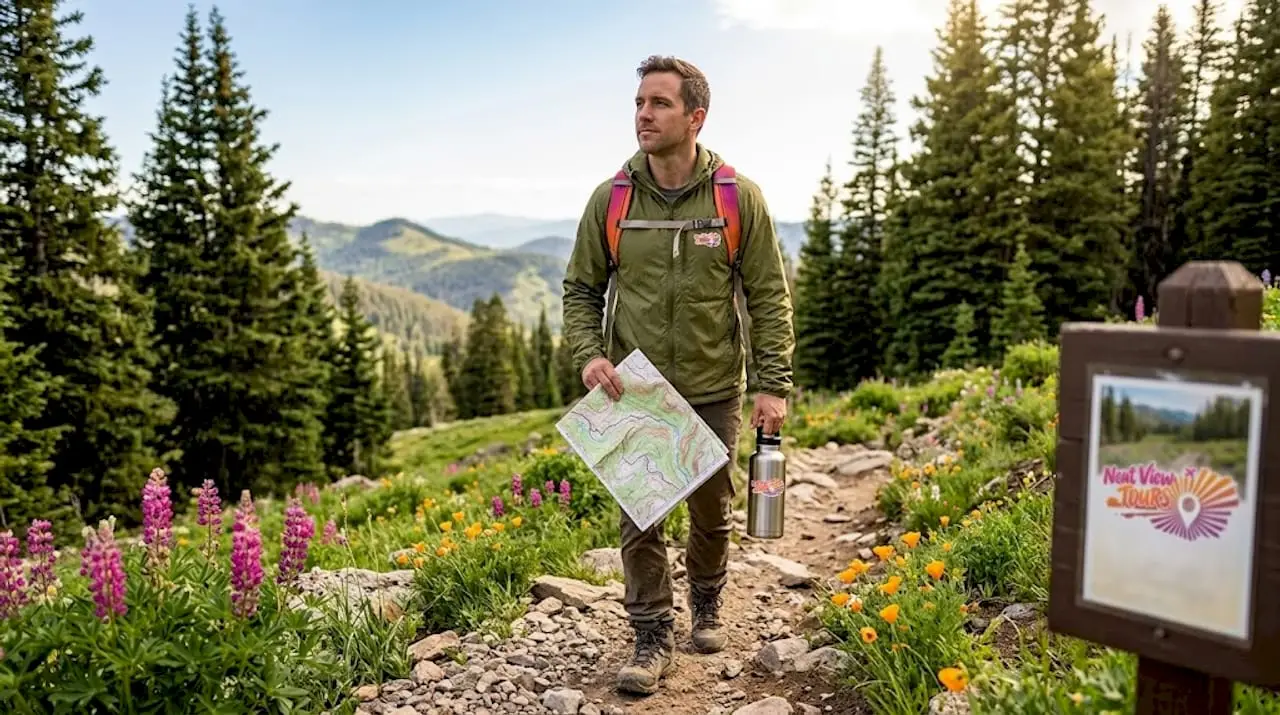
 Uncategorized
TL;DR:
- A purposeful nature trip involves deliberate contact with natural environments for recreation, observation, and exploration. Its benefits include enhanced mental well-being, physical health, and support for conservation efforts worldwide. Proper planning, destination choice, and engaging activities maximize the restorative and educational value of each outing.
Most people assume that any time spent outdoors counts as a nature trip. A walk through a city park, a picnic by a suburban pond, a drive through rolling countryside. But that assumption blurs a meaningful distinction. Understanding what is a nature trip, and what separates it from a casual outing, changes how you plan, what you experience, and how much genuine benefit you take home. This guide covers the definition, the types, the science-backed benefits, and exactly how to plan one that delivers on every front.
Table of Contents
- Key takeaways
- What is a nature trip, exactly?
- Types of nature trips you can take
- Why nature trips are worth your time and money
- Planning and preparing for a great nature trip
- My take on what makes a nature trip truly worthwhile
- Explore nature trips across Europe with Nextviewtours
- FAQ
Key takeaways
| Point | Details |
|---|---|
| Intent defines the trip | A nature trip requires deliberate motivation to experience and appreciate natural settings, not just incidental outdoor time. |
| Wide range of options | Nature trips span day hikes to multi-day wilderness tours, from wildlife watching to stargazing excursions. |
| Proven mental health boost | Perceived naturalness and bird diversity are measurable predictors of mental well-being during nature visits. |
| Economic and conservation impact | Nature-based tourism supports millions of jobs and directly funds protected area conservation globally. |
| Planning quality matters | Destination choice, packing strategy, and activity type all shape whether your trip is restorative or frustrating. |
What is a nature trip, exactly?
The term sounds obvious until you try to define it precisely. Oxford Learner’s Dictionaries defines “trip” as a short journey taken for pleasure or a specific purpose, and a “nature trail” as a path created so visitors can observe interesting plants and animals. Put those two ideas together and you get the clearest baseline definition: a nature trip is a short, purposeful journey focused on experiencing natural settings for recreation, observation, and direct exploration.
That definition carries one word that changes everything: purposeful. Not every drive through a national park qualifies. True nature tourism requires both a non-urban natural setting and the traveler’s deliberate intent to make direct contact with that environment. If you happen to pass a forest on the way to a business meeting, that is not a nature trip. If you specifically choose a forest trail to observe wildlife or breathe in old-growth air, that is.
Here is what that distinction looks like in practice:
- Nature trip: Booking a guided hike through a wildlife corridor with the goal of spotting birds and native plants
- Not a nature trip: Eating lunch at an outdoor café next to a decorative garden
- Nature trip: A family outing to a protected wetland to observe migrating waterfowl
- Not a nature trip: A road trip that happens to pass scenic countryside
The intent for direct contact with nature is what elevates an outdoor visit into genuine nature tourism. This matters because it shapes where you go, how long you stay, what you look for, and how deeply you benefit from the experience.
Types of nature trips you can take
Once you understand the definition, the sheer variety of nature trips becomes exciting rather than overwhelming. Nature trips range from short day outings to extended multi-day wilderness excursions, covering an enormous spectrum of activities, settings, and engagement styles.
The most useful way to think about types is along two axes: duration and depth of engagement.
-
Day nature walks and hikes. These are the most accessible entry point. A short day excursion to a forest reserve, a coastal path, or a mountain overlook gives you direct contact with natural environments without requiring overnight logistics. Perfect for families or first-timers.
-
Wildlife watching trips. Dedicated outings to observe animals in their natural habitat, from bird-watching in wetlands to marine wildlife cruises. These require some planning around migration seasons and viewing locations but reward patience with genuinely memorable encounters.
-
Stargazing excursions. A growing category, particularly in regions far from urban light pollution. Central Europe, with its dark-sky reserves in Slovakia and the Czech Republic, offers remarkable options that many visitors overlook.
-
Guided wilderness tours. Multi-day experiences led by expert naturalists. These go deep into protected areas, combining hiking with educational interpretation, and are the most immersive option available. They are also the most likely to leave a lasting shift in how you perceive the natural world.
-
Snorkeling and marine nature trips. Coastal and island destinations offer underwater nature experiences that rival anything on land. Direct contact with reef ecosystems is about as vivid as nature gets.
-
Family-friendly nature outings. Shorter, structured excursions designed for mixed ages, often combining light hiking with educational elements like tracking wildlife signs or identifying native plants.
The dividing line between passive and active engagement matters here. Viewing nature from a scenic overlook is pleasant. Engaging directly through activities like hiking, observing wildlife up close, or wading through a stream is what defines an authentic nature trip and maximizes the benefits.
Pro Tip: If you are planning your first multi-day nature trip, start with a guided option. Expert naturalists do not just point out wildlife. They give you a framework for reading landscapes that you carry on every future trip.
Why nature trips are worth your time and money
The case for nature trips is no longer just philosophical. Science and economics have both weighed in, and the data is compelling.
A 2025 study published in Nature found that perceived naturalness and bird diversity are significant predictors of mental well-being during recreational nature visits. More importantly, the study identified that increased human infrastructure in natural settings directly reduces these well-being benefits. That finding has real practical implications: a hike through a pristine forest delivers measurably more mental restoration than a walk through a nature-adjacent park hemmed in by roads and development.
“Mental well-being benefits from nature depend heavily on perceived naturalness and wildlife diversity, suggesting that trips favoring biodiverse and less impacted landscapes are most restorative.” — Nature journal, 2025
The physical benefits are well-documented too. Walking on varied natural terrain engages muscle groups that flat urban surfaces do not. Exposure to forest environments has been linked in multiple studies to reduced cortisol levels and lower blood pressure. You come back measurably different from a well-chosen nature trip, not just relaxed.
On the economic side, the numbers are striking. Nature-based tourism supports 371 million jobs worldwide and drives approximately 8 billion unique visits to protected natural areas each year. This is not a niche hobby. It is one of the world’s largest economic drivers, and a significant portion of those revenues flow directly into conservation funding and local livelihoods in the regions you visit.
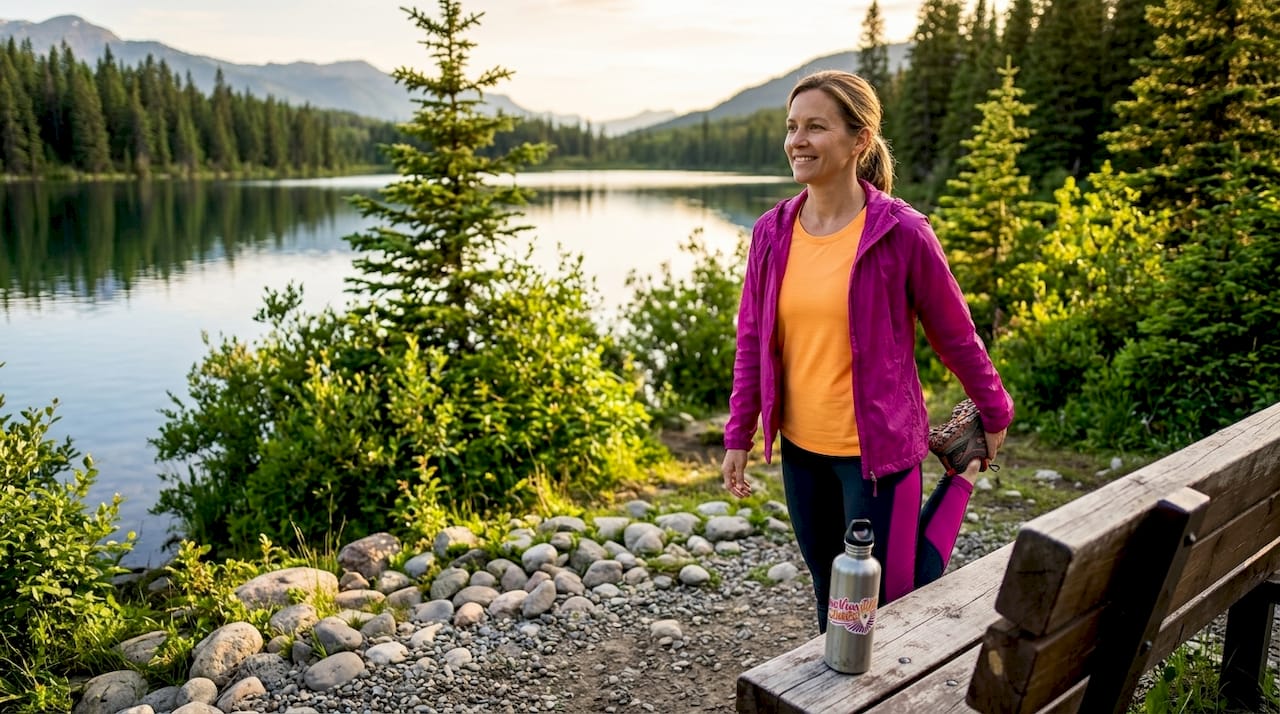
Understanding why nature trips contribute to luxury travel wellbeing gives travelers a fuller picture of the value they are getting. You are not just buying a pleasant day out. You are investing in your own mental health while contributing to the protection of the places you visit.
Planning and preparing for a great nature trip
Good intentions produce poor experiences without proper planning. Here is how to set yourself up for a trip that delivers everything a nature outing should.
Decide on duration first. A day trip or short excursion works well for nature walks, local wildlife watching, or guided half-day hikes. Multi-day trips open access to more remote and undisturbed environments, which the research clearly shows offer stronger well-being benefits. Be honest about your fitness level, budget, and how much logistical complexity you want to manage.
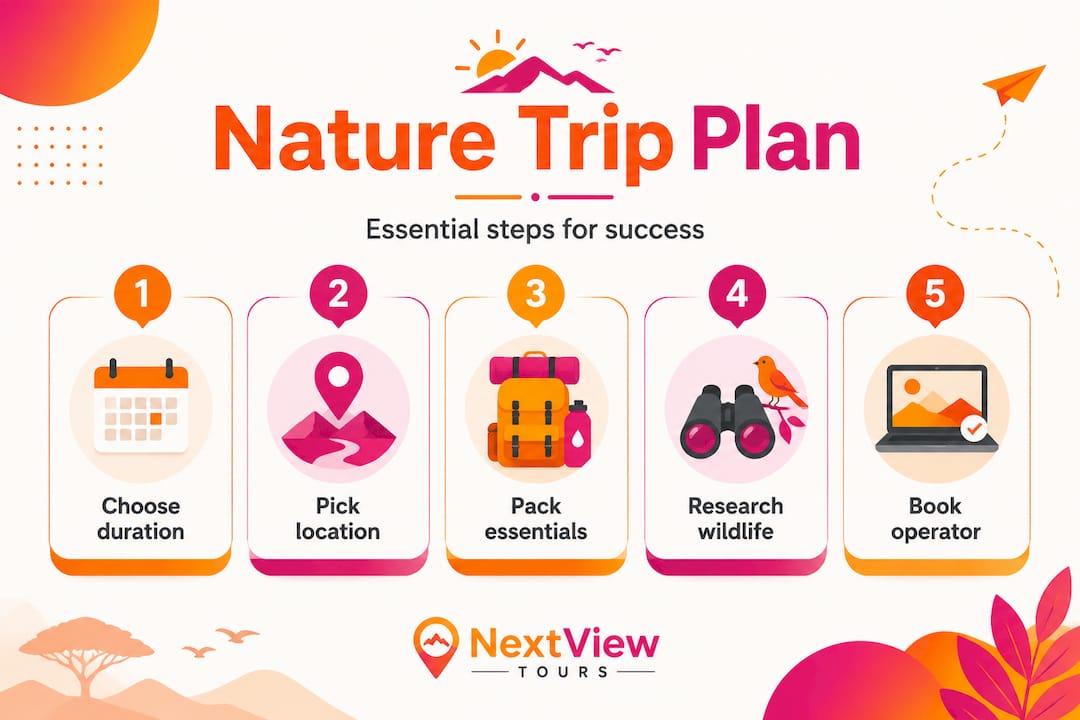
Choose destinations that maximize naturalness. Scientific guidance on maximizing well-being during nature visits points directly to selecting landscapes with high biodiversity and minimal human infrastructure. In Europe, this means favoring national parks, protected reserves, and areas away from heavy tourist development. Hallstatt, the Slovak Karst, Bohemian Switzerland National Park, and the Eastern Carpathians all offer the kind of immersive, biodiverse environments that make nature trips genuinely restorative. Practical guidance on selecting nature tours in Europe can help you match destination quality with your specific goals.
What to pack for a nature trip depends heavily on activity and environment, but these core items apply across most trip types:
- Layered, moisture-wicking clothing suited to changing weather
- Sturdy footwear appropriate for the terrain (trail shoes or hiking boots)
- Sufficient water and high-energy snacks, particularly for day hikes
- Navigation tools, whether a downloaded offline map or a paper trail guide
- Binoculars if wildlife watching is part of your plan
- Sun protection and insect repellent
- A small first aid kit and any personal medications
- A reusable bag for any waste you carry in
Choose responsible operators. This is where intent pays dividends beyond your own experience. Well-managed nature tourism generates real income for protected areas and local communities. When you book through operators who prioritize low-impact travel, your trip dollar actively supports the landscapes you are visiting.
Pro Tip: Research bird diversity at your destination before you go. High bird species counts are a reliable proxy for overall ecosystem health, and they predict how restorative your experience is likely to be. Apps like eBird show recent sightings at specific locations.
My take on what makes a nature trip truly worthwhile
I have seen a lot of people spend significant time and money on outdoor experiences and come back only mildly satisfied. Almost every time, the issue is not the destination. It is the mindset they brought to it.
Being outdoors is not the same as being present in nature. You can walk a stunning mountain trail while mentally rehearsing a work presentation and receive almost none of the benefits that the same walk could deliver. Intent and immersion are not soft concepts. They are the operating conditions that make a nature trip work.
The other pattern I keep observing is over-scheduling. People cram in five activities across two days, turning what should be a slow, absorptive experience into a checklist race. The single best thing you can do for any nature trip itinerary is cut one activity and replace it with unstructured time in a biodiverse spot. Sit. Listen. Watch. That is where the real value lives.
I also feel strongly about the responsibility side. When you choose a guided operator that employs local naturalists, stays on marked trails, and contributes to conservation programs, you are not just being ethical. You are getting a better trip. Local expertise opens doors that solo exploration cannot. The forests and mountains of Central Europe, for example, reveal entirely different layers of meaning when someone who has spent years there is guiding you through them.
Nature trips change perspectives. But only when you let them.
— Next
Explore nature trips across Europe with Nextviewtours

Nextviewtours offers a carefully curated range of nature and adventure trips across Europe, including day trips, multi-day excursions, guided wilderness tours, and family-friendly outings departing from Vienna, Salzburg, Hallstatt, Prague, Budapest, and beyond. Whether you are looking for a half-day wildlife walk or a fully immersive multi-day tour through protected natural reserves, Nextviewtours matches your pace and interests. You can explore the full range of available trip types to find the format that suits you best. For travelers who want something tailored to specific interests or group needs, Nextviewtours also offers personalized tour options built around your schedule and preferences. Every trip is designed to maximize your direct contact with nature while minimizing environmental impact.
FAQ
What is the basic definition of a nature trip?
A nature trip is a short, purposeful journey to a natural, non-urban setting with the specific intent to experience and appreciate landscapes, wildlife, or ecological environments directly. The traveler’s intent distinguishes it from incidental outdoor visits.
What activities are typical on a nature trip?
Common nature trip activities include hiking, wildlife watching, birdwatching, stargazing, snorkeling, guided wilderness tours, and nature walks. The key is direct engagement with the natural environment rather than passive observation from developed areas.
What should I pack for a nature trip?
Core packing essentials include layered clothing, sturdy footwear, sufficient water, snacks, navigation tools, binoculars for wildlife, sun protection, insect repellent, and a small first aid kit. Specific items vary depending on your destination and activities.
How do nature trips benefit mental health?
A 2025 study found that perceived naturalness and bird diversity are significant predictors of mental well-being during nature visits, while human infrastructure in natural settings reduces these benefits. Choosing biodiverse, less-developed destinations maximizes the restorative effect.
Are guided nature trips better than self-guided ones?
Guided nature trips, particularly in unfamiliar or biodiverse regions, offer access to local expertise that significantly deepens the experience. Expert naturalists help you read and understand landscapes in ways that solo exploration rarely matches, especially on a first visit to a new region.


Comments are closed