
 Uncategorized
Most travelers believe a great tour is all about the destination, the famous landmarks, or the itinerary packed with must-see sights. In reality, what transforms a tour from ordinary to extraordinary lies in the guide’s qualities, the depth of meaningful experiences, and the careful planning behind every moment. A truly memorable European tour depends on exceptional storytelling, local cultural knowledge, and activities designed to engage and connect travelers emotionally. This article unpacks the essential traits, experience dimensions, and strategies that define outstanding tours across Europe, helping you recognize and choose tours that deliver genuine value and lasting memories.
Table of Contents
- Key takeaways
- The essential qualities of exceptional tour guides
- How memorable tourism experiences shape a great tour
- The critical role of local cultural and historical knowledge
- Explore expert-guided tours with Next View Tours
- Frequently asked questions
Key Takeaways
| Point | Details |
|---|---|
| Guide traits matter | Exceptional tours rely on guides who are storytellers diplomats energizers planners problem solvers motivators and connectors to create immersive experiences. |
| Local knowledge matters | Deep knowledge of culture history and hidden gems enhances guide performance and traveler satisfaction. |
| Careful planning matters | Thoughtful scheduling from museum timing to meal breaks keeps groups on track and aligns with preferences. |
| Traveler advocacy | Satisfied travelers become advocates, boosting ratings, reviews and repeat bookings for guides and tour companies. |
The essential qualities of exceptional tour guides
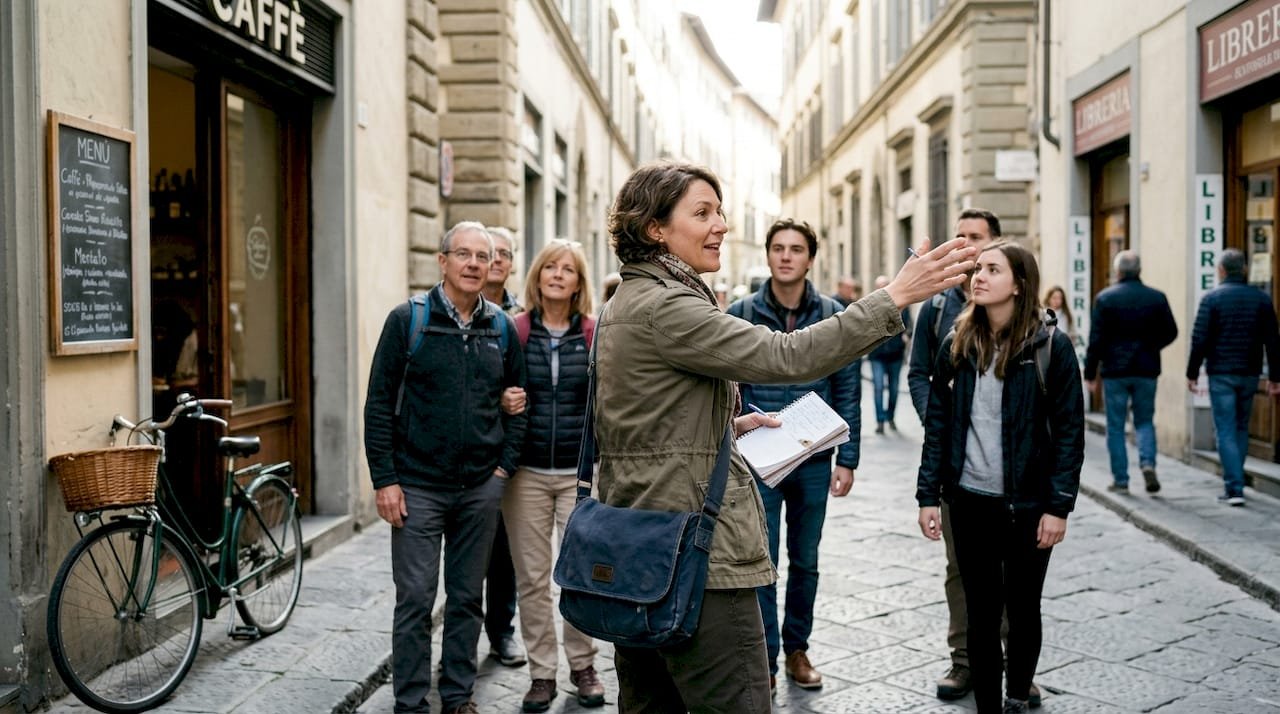
Exceptional tour guides are master storytellers, diplomats, energizers, planners, problem solvers, motivators, and connectors. These seven traits form the foundation of outstanding guiding, transforming standard sightseeing into immersive experiences. Storytelling breathes life into historical facts, turning dates and events into compelling narratives that travelers remember long after the tour ends. Diplomacy helps guides navigate diverse group dynamics, ensuring every traveler feels valued and included regardless of background or travel style.
Energy keeps groups engaged even during long walking tours or challenging weather conditions. Planning ensures smooth logistics, from timing museum entries to coordinating meal breaks that match group preferences. Problem-solving becomes crucial when unexpected situations arise, whether a sudden road closure or a traveler’s lost passport. Motivation inspires travelers to step outside comfort zones and fully embrace new experiences. Connection allows guides to read their audience, adjusting pace and content to match group energy and interest levels.
Beyond these seven traits, core qualities include excellent communication, in-depth knowledge, strong leadership, and adaptability. Communication extends beyond speaking clearly to include active listening, reading body language, and tailoring explanations to different learning styles. Knowledge encompasses not just historical facts but also practical information about local customs, current events, and hidden gems tourists might otherwise miss. Leadership manifests in confident decision-making and the ability to keep groups safe and organized without feeling authoritarian.
Adaptability proves essential in the dynamic environment of tourism. Weather changes, unexpected closures, or shifting group interests require guides to pivot seamlessly while maintaining tour quality. Understanding tour guides’ travel impact helps appreciate how these professionals shape entire travel experiences. The role tour guides play in Europe becomes particularly significant given the continent’s rich history and cultural diversity.
Pro Tip: The best guides continuously assess group dynamics and adjust their approach accordingly, sometimes slowing down for detailed explanations, other times picking up the pace to maintain energy and interest.
These combined qualities create a ripple effect throughout the tourism industry. Tours led by guides demonstrating these traits consistently earn higher ratings, generate more positive reviews, and drive repeat bookings. Travelers who experience exceptional guiding become advocates, recommending specific guides and tour companies to friends and family. This word-of-mouth marketing proves invaluable in an industry where trust and personal recommendations heavily influence booking decisions.
How memorable tourism experiences shape a great tour
Guiding styles positively affect memorable tourism experiences (MTE), satisfaction, and intention to recommend. MTE dimensions provide a framework for understanding what makes tours truly unforgettable. These dimensions classify the specific elements that transform ordinary activities into experiences travelers cherish and share for years. Tour operators and guides who deliberately design experiences around these dimensions create stronger emotional connections and higher satisfaction rates.
Hedonism represents the pleasure and enjoyment aspects of touring. This includes sensory delights like tasting local cuisine, feeling the sun on your face while cruising down the Danube, or hearing live traditional music in a historic square. Hedonistic experiences don’t require luxury; they simply need to engage the senses and create moments of genuine joy. A perfectly timed coffee break at a charming café can deliver as much hedonistic value as an expensive restaurant meal.

Novelty focuses on encountering new, unique experiences or perspectives that challenge existing knowledge or assumptions. This might involve visiting lesser-known sites that offer fresh insights into familiar history, participating in traditional crafts, or learning surprising facts about everyday life in another culture. Novelty creates the “I never knew that” moments that make tours feel educational without being academic. Memorable tourism experiences and revisit intentions demonstrate how these dimensions drive future travel behavior.
Involvement highlights active participation and engagement rather than passive observation. Interactive elements like cooking classes, hands-on workshops, or problem-solving activities during historical tours increase involvement. Even simple participation, such as asking travelers to spot architectural details or share their own stories, creates deeper engagement than purely lecture-style guiding. Physical involvement through walking, climbing towers, or navigating local markets also strengthens memory formation.
Meaningfulness reflects the emotional or cultural connections formed during tours. These connections might stem from personal heritage exploration, witnessing cultural traditions, or experiencing moments that resonate with personal values or interests. Meaningful experiences often emerge from authentic interactions with locals, understanding how historical events shaped present-day communities, or recognizing universal human experiences across cultures. These moments create lasting impact because they touch travelers emotionally and intellectually.
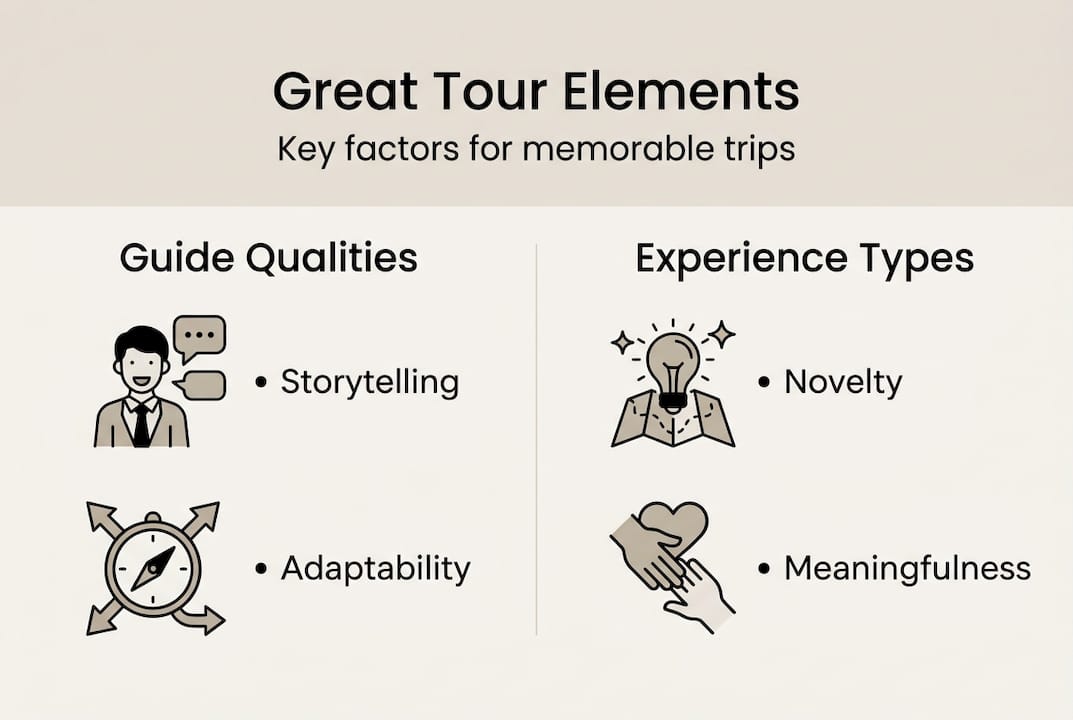
| MTE dimension | Key characteristics | Impact on satisfaction |
|---|---|---|
| Hedonism | Sensory pleasure, enjoyment, comfort | Creates positive emotional associations with the destination |
| Novelty | New perspectives, unique experiences, learning | Increases perceived value and memorability of the tour |
| Involvement | Active participation, engagement, interaction | Strengthens memory formation and personal connection |
| Meaningfulness | Emotional resonance, cultural connection, personal relevance | Drives recommendation likelihood and revisit intentions |
Pro Tip: Effective tour guides design activities and narratives that naturally incorporate multiple MTE dimensions, creating layered experiences that appeal to different traveler preferences and learning styles.
Staying current with guided tours trends in Europe for 2025 helps understand how tour operators increasingly prioritize these experience dimensions. Modern travelers seek more than photo opportunities; they want experiences that educate, engage, and create personal meaning. Tours that successfully deliver across all four MTE dimensions generate higher satisfaction scores and stronger word-of-mouth recommendations.
The critical role of local cultural and historical knowledge
Local cultural and historical knowledge is the top criterion for tour guide performance according to expert evaluations. This expertise forms the bedrock upon which all other guiding skills build. Without deep local knowledge, even the most charismatic guide struggles to create authentic, enriching experiences. This knowledge encompasses far more than memorized facts about monuments; it includes understanding cultural context, recognizing how historical events shaped current society, and knowing the stories that locals tell about their own heritage.
Authenticity emerges naturally when guides possess genuine local expertise. Travelers increasingly detect and reject superficial or generic information they could find online. Deep knowledge allows guides to share nuanced perspectives, lesser-known stories, and connections between past and present that transform how travelers perceive destinations. A guide who grew up in Vienna brings different insights than one who studied the city academically, and both offer value through their distinct knowledge bases.
Cultural knowledge extends beyond historical events to include contemporary customs, social norms, and daily life patterns. Understanding why locals behave certain ways, what current issues matter to communities, and how traditions evolve helps travelers connect with destinations as living places rather than museum exhibits. This knowledge prevents cultural misunderstandings and helps travelers navigate social situations respectfully and confidently.
Key cultural and historical knowledge areas every great guide should master:
- Regional historical narratives including lesser-known events that shaped local identity and current cultural attitudes
- Architectural styles and their historical context, enabling travelers to read buildings as historical documents
- Local customs, etiquette, and social norms that help travelers interact respectfully with residents
- Contemporary cultural issues and how they connect to historical patterns or events
- Authentic local perspectives on historical events, which often differ from mainstream tourist narratives
- Practical cultural knowledge like dining customs, tipping practices, and appropriate behavior in religious or cultural sites
| Knowledgeable guides | Less informed guides | Impact on tour quality |
|---|---|---|
| Share layered stories connecting past and present | Recite basic facts available in guidebooks | Travelers feel they gained unique insights versus information they could have found independently |
| Explain cultural context behind traditions and behaviors | Describe traditions without explaining significance | Travelers understand why customs matter, not just what they are |
| Answer unexpected questions with depth and accuracy | Deflect questions or provide vague responses | Travelers trust the guide’s expertise and feel comfortable asking questions |
| Point out subtle details and their historical importance | Focus only on obvious major landmarks | Travelers develop appreciation for nuanced observation and deeper exploration |
Understanding the importance of guided tours becomes clearer when comparing experiences with highly knowledgeable versus less informed guides. The difference manifests not just in information quantity but in the quality of traveler engagement and satisfaction. Knowledgeable guides create “aha” moments that shift how travelers see and understand places, while less informed guides may leave travelers feeling they could have learned as much from independent research.
This expertise also builds guide credibility, which increases traveler receptiveness to recommendations and suggestions. When travelers trust their guide’s knowledge, they’re more likely to try recommended restaurants, explore suggested neighborhoods, or return for additional tours. This trust transforms the guide-traveler relationship from transactional to advisory, significantly enhancing overall tour value.
Explore expert-guided tours with Next View Tours
Now that you understand what truly makes a tour exceptional, experiencing these principles firsthand becomes the natural next step. Next View Tours embodies these expert qualities across their diverse offerings throughout Europe. Their guides demonstrate the seven essential traits while delivering experiences designed around memorable tourism dimensions.
Exploring the various trip types from Next View Tours reveals options for every travel style and interest. Whether you prefer intimate day trips exploring hidden corners of Vienna or comprehensive multi-day adventures across multiple countries, their portfolio reflects careful planning and local expertise. Their customised tours take personalization further, allowing you to work directly with expert guides to design itineraries matching your specific interests and pace preferences.
For travelers seeking immersive experiences that combine adventure, culture, and expert guidance, their top multi-day trips across Europe showcase how thoughtful tour design creates memorable moments. These carefully crafted itineraries balance must-see landmarks with authentic local experiences, ensuring you return home with both photographs and meaningful stories.
Frequently asked questions
What distinguishes a great tour guide from an average one?
Great guides combine exceptional storytelling with deep local knowledge and genuine connection skills. They adapt seamlessly to group dynamics, solve problems creatively, and create experiences that engage travelers emotionally and intellectually. Average guides may know facts but struggle to bring them alive or adjust their approach to different traveler needs. The difference becomes apparent in how travelers feel during and remember the tour long after it ends.
How can travelers identify a quality guide when booking a tour?
Read reviews specifically mentioning guide names and their storytelling or knowledge qualities rather than generic positive comments. Look for tour companies that highlight guide qualifications, training, and local expertise in their marketing materials. Ask specific questions about guide backgrounds, language skills, and experience levels before booking. Quality tour operators proudly showcase their guides and provide detailed information about their expertise. Understanding the role of tour guides helps you ask better questions during the booking process.
Why does local knowledge matter so much in tour experiences?
Local cultural and historical knowledge creates authenticity and depth that travelers cannot replicate through independent research. Guides with genuine local expertise share nuanced perspectives, lesser-known stories, and connections between past and present that transform surface-level sightseeing into meaningful exploration. This knowledge also helps travelers navigate cultural differences respectfully and understand contemporary issues through historical context. Without deep local knowledge, tours risk feeling generic and forgettable.
What tips help travelers get the most out of a guided tour?
Arrive prepared with basic destination knowledge so you can ask deeper questions and engage meaningfully with the guide’s expertise. Communicate your interests and energy levels honestly so guides can adjust their approach accordingly. Ask questions throughout the tour rather than waiting until the end, as this creates dialogue and allows guides to tailor content to your curiosity. Stay present and engaged rather than constantly photographing, as memorable experiences come from genuine participation. Share feedback with guides and tour companies, as this helps them continuously improve and recognize exceptional performance.
How do memorable experiences influence tour satisfaction?
Memorable experiences combining fun, involvement, and meaning significantly increase satisfaction and likelihood to recommend or revisit destinations. Tours designed around hedonism, novelty, involvement, and meaningfulness dimensions create stronger emotional connections than those focused solely on sightseeing. These experiences shape how travelers remember destinations and influence their future travel decisions. Research consistently shows that memorable tourism experiences drive positive word-of-mouth recommendations and repeat bookings more effectively than any marketing campaign.
What should I look for in a local tour guide?
Prioritize guides with demonstrated local cultural and historical knowledge, as this expertise forms the foundation of quality guiding. Seek guides with strong communication skills who can explain complex topics clearly and adjust their style to different audiences. Look for evidence of adaptability and problem-solving abilities through review mentions of how guides handled unexpected situations. Review storytelling capabilities, as this skill transforms facts into engaging narratives that travelers remember. Finally, consider guides who show genuine passion for their region, as enthusiasm proves contagious and enhances overall tour enjoyment.
Recommended
- 7 Customised Tour Advantages Every Traveler Should Know – Next View Tours
- Top tips for private tours: plan your perfect European adventure – Next View Tours
- Customised Tours Explained: Complete Expert Guide – Next View Tours
- How to Customize Private Tours for Unique European Experiences – Next View Tours
- Role of Local Guides – Why Their Expertise Matters – Walking tours of oxford
- What is a tailored day trip: luxury travel guide 2026


Comments are closed