

 Uncategorized
TL;DR:
- An Austria itinerary involves planning routes through its cities and alpine regions to maximize experience. Traveling between destinations by train is efficient for cities, while driving offers flexibility in rural areas to explore villages and lakes. Focusing on two main bases like Vienna and Salzburg reduces travel fatigue and allows for deeper cultural immersion.
An Austria itinerary is a structured travel route through the country’s most rewarding cities, alpine regions, and cultural landmarks, tailored to your timeline and travel style. Austria rewards travelers who plan ahead. The country packs imperial palaces, baroque streetscapes, glacier-fed lakes, and world-class music into a compact geography that makes multi-city trips genuinely practical. Whether you have 7 days or 10, the right plan turns a good trip into an unforgettable one.
How many days should you spend in Austria?
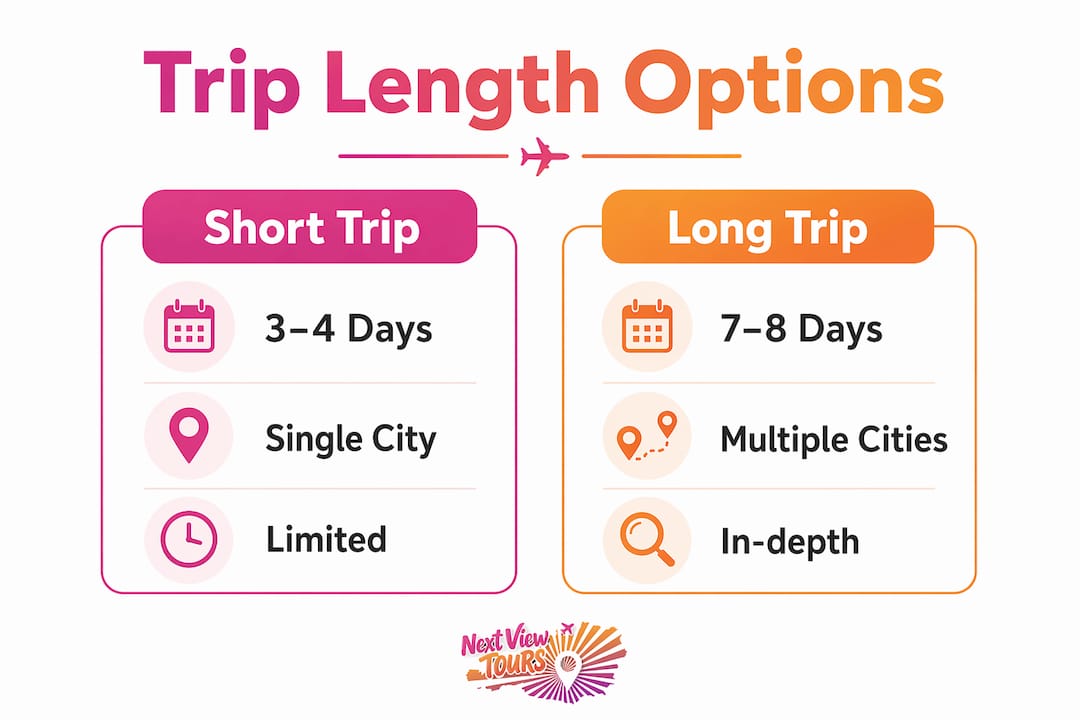
Optimal Austria trips range from quick 3-day city breaks to 10–14 day road trips covering cities and alpine regions. That range matters because Austria’s best experiences sit in two very different worlds: its grand imperial cities and its wild mountain landscapes.
3–4 days works only if you limit yourself to Vienna or Salzburg. You will see the highlights but miss the depth that makes Austria special.
7–8 days is the sweet spot for most first-time travelers. A 7-day Austria plan gives you enough time to base yourself in Vienna and Salzburg, take day trips to Hallstatt, and still enjoy a slow morning in a Viennese coffeehouse without feeling rushed.
10+ days opens up the alpine interior. You can add Innsbruck, the Salzkammergut lake region, and the Tyrol without compressing every day into a sprint. Deeper alpine exploration simply requires more time.
Budget matters too. A typical mid-range traveler spends roughly $130–$165 per day covering transport, entry fees, and meals. That estimate includes visits to major sites like Schönbrunn Palace and Hohensalzburg Fortress. Knowing your daily spend helps you decide whether a 7-day or 10-day trip fits your budget before you book anything.
| Trip length | Best for | Key trade-off |
|---|---|---|
| 3–4 days | Single-city focus | Misses alpine regions entirely |
| 7–8 days | Vienna + Salzburg + day trips | Tight but very achievable |
| 10–14 days | Full country coverage | Higher total cost |
What are the best ways to travel between major destinations?
Transport choice shapes your entire Austria travel itinerary more than most travelers expect. The two main options are train travel and driving, and each suits different parts of the country.
Austria’s train network is fast and reliable between major cities. Vienna to Salzburg takes roughly 2.5 hours by high-speed rail. Trains are comfortable, punctual, and easy to book in advance online. For city-to-city travel, the train is hard to beat.
Driving becomes the better choice once you leave the main rail corridors. A Vienna to Salzburg drive takes about 3.25 hours, but a car lets you stop at villages, viewpoints, and lake shores that trains simply skip. Public transport to places like Hallstatt requires coordinating trains, buses, and ferries, which adds complexity and time. Car rental reduces travel time by 20–30% in rural alpine regions. That saving adds up quickly over a 7 or 8 day trip.
One underused strategy: fly into Vienna and out of Salzburg or Munich rather than returning to your starting point. This multi-city flight approach saves several hours of backtracking and makes your final day feel like a continuation of the trip rather than a retreat.
Pro Tip: Book train tickets at least two weeks ahead for the Vienna to Salzburg route. Early booking cuts the standard fare significantly and guarantees a seat during peak summer months.
What are the top destinations and experiences to include?
The best Austria tour itinerary balances three layers: imperial cities, mountain landscapes, and authentic local culture. Each layer feeds a different kind of travel appetite.
Vienna: palaces, history, and coffeehouse culture
Vienna is the natural starting point for any Austria sightseeing itinerary. Schönbrunn Palace, the Belvedere, and the Ringstrasse boulevard give you the full sweep of Habsburg grandeur. The historic center, a UNESCO World Heritage Site, rewards slow walking. Vienna’s coffeehouse culture is as vital as any palace visit. Sitting in Café Central or Café Landtmann with a Melange and a slice of Sachertorte is not a tourist cliché. It is how Viennese life actually works. Plan at least two full days in Vienna, ideally three. Use Nextviewtours’ Vienna day trip guide to map your first day efficiently.
Salzburg and Hallstatt: baroque beauty and alpine scenery
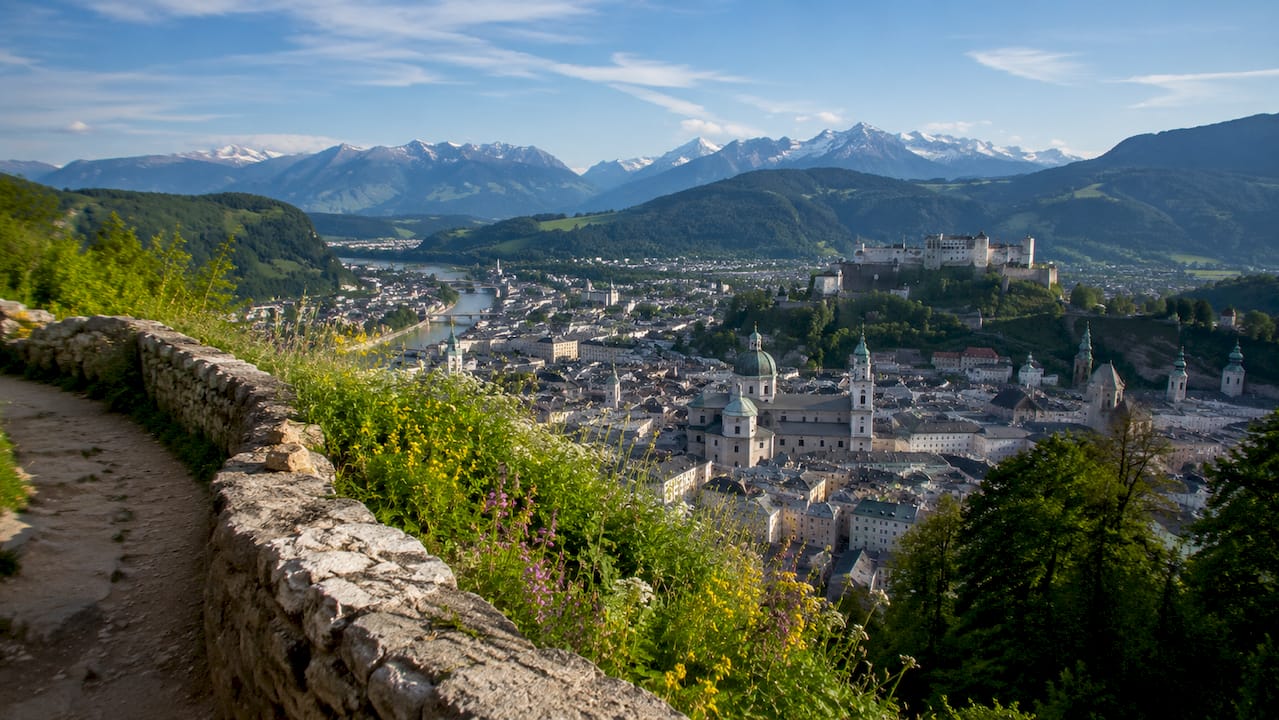
Salzburg rewards travelers who look beyond the Mozart connection. The baroque old town, Hohensalzburg Fortress, and the Mirabell Gardens form a compact but deeply satisfying circuit. Most travelers cover the core in two days. Hallstatt, just 90 minutes from Salzburg, is one of the most photographed villages in Europe. The lakeside setting against sheer cliffs is genuinely as dramatic as the pictures suggest. Visit early in the morning to beat the crowds. Nextviewtours offers a Hallstatt and Salzburg day trip from Vienna that covers both in a single well-paced day.
Innsbruck and Tyrol: alpine adventures
- Innsbruck sits in a valley surrounded by peaks you can reach by cable car in under 20 minutes from the city center.
- The Nordkette mountain range offers hiking in summer and skiing in winter from the same base.
- Traditional alpine hut lunches, called Hüttenjause, give you local cheese, cured meats, and bread with a view that no restaurant in the city can match.
- The Tyrol region is the best base for an Austria road trip itinerary through mountain passes and glacier viewpoints.
Pro Tip: Book the Nordkette cable car online the evening before your visit. Morning slots sell out fast in July and August, and the early light on the peaks is worth the early start.
When is the best time to visit Austria?
Timing your Austria travel guide around the seasons changes the trip dramatically. Each season offers something genuinely different, but not all seasons suit all travelers equally.
Visiting in september to early october gives you cooler hiking weather and noticeably fewer tourists at popular sites like Hallstatt. Crowd levels drop significantly compared to the summer peak, and the fall foliage in the alpine regions adds color that summer simply does not offer. Seasoned travelers consistently prefer this shoulder season for a more relaxed and enjoyable experience.
- June to August: Peak crowds, warmest weather, best for outdoor festivals and lake swimming. Book accommodation months in advance.
- September to October: Fewer tourists, comfortable hiking temperatures, harvest markets in villages. The best overall balance.
- November to February: Christmas markets in Vienna and Salzburg are world-class. Ski season in Tyrol runs from december through march.
- March to May: Quiet, affordable, and increasingly green. Some alpine roads and cable cars are still closed in early spring.
Winter trips deserve more credit than they typically get. Vienna’s Christmas markets rank among Europe’s finest, and Innsbruck’s ski infrastructure is genuinely world-class. If skiing is your priority, a winter Austria trip is not a compromise. It is the right choice.
How to personalize your Austria itinerary and avoid common mistakes
A well-planned Austria travel itinerary avoids the three most common traps: trying to see too much, changing hotels every night, and backtracking unnecessarily.
Base yourself in two cities. Basing in Vienna and Salzburg with day trips radiating outward reduces fatigue and improves your overall experience. Constant hotel changes eat time, energy, and money. Two bases for a 7–8 day trip is the right structure.
- Plan buffer days. Alpine weather changes fast. A buffer day in your schedule means a rainy afternoon in Hallstatt becomes a cozy café afternoon in Salzburg rather than a ruined plan.
- Book transport early. Train tickets, car rentals, and popular guided tours sell out weeks ahead in summer. Booking early also saves money.
- Use multi-city flights. Flying into Vienna and out of a different city eliminates the rookie mistake of spending your last travel day retracing your route.
- Eat where locals eat. Skip the tourist menus near major sights. Walk two streets back and look for places with handwritten daily specials. The food is better and cheaper.
- Time your visits. Schönbrunn Palace and Hallstatt are both at their best before 9:00 AM. Arriving early is the single most effective way to improve any popular site visit.
Pro Tip: Check the top day trips from Salzburg before you finalize your base city plan. Some day trips work better from Salzburg than from Vienna, and knowing this in advance saves you from unnecessary driving.
Slowing down and focusing on fewer destinations produces deeper cultural immersion and less travel fatigue. This is the single most consistent piece of advice from experienced Austria travelers, and it is almost universally ignored on a first trip.
Key Takeaways
A well-structured Austria itinerary built around two base cities, the right trip length, and smart transport choices delivers the best balance of culture, nature, and authentic experience.
| Point | Details |
|---|---|
| Choose the right trip length | Seven to eight days covers Vienna, Salzburg, and Hallstatt without rushing; 10+ days adds alpine depth. |
| Base in two cities | Vienna and Salzburg as hubs with day trips reduces fatigue and hotel changes significantly. |
| Drive in alpine regions | Car rental cuts rural travel time by 20–30% compared to coordinating trains, buses, and ferries. |
| Visit in shoulder season | September to early october offers cooler weather and noticeably fewer crowds at top sites. |
| Plan multi-city flights | Flying into Vienna and out of Salzburg or Munich eliminates costly and time-consuming backtracking. |
What I’ve learned from planning Austria trips over and over
The most common mistake I see travelers make in Austria is treating it like a checklist. They hit Schönbrunn, Hohensalzburg, and Hallstatt in three days and wonder why they feel exhausted rather than inspired. Austria is not a checklist country. It rewards the traveler who lingers.
My honest recommendation: cut one destination from your plan and spend the extra time somewhere you already love. If Vienna captivates you on day two, stay an extra day. The Belvedere’s upper gallery alone deserves two hours, not forty-five minutes. The same logic applies to Hallstatt. Most people arrive, take the famous lakeside photo, and leave within two hours. The village rewards a full afternoon and an early morning walk before the tour buses arrive.
On transport, I lean toward a hybrid approach. Train between Vienna and Salzburg, then rent a car from Salzburg for the alpine section. That combination gives you the speed and comfort of rail where it excels, and the freedom of a car where the train simply cannot take you. Renting a car offers clear advantages in scenic regions, but factor in mountain driving conditions if you are visiting in late autumn or early spring.
The seasonal question is simpler than most guides make it. If you want hiking and scenery, go in september. If you want Christmas magic, go in december. If you want skiing, go in january or february. Every other month is a compromise between those peaks. Pick the experience you want most and plan around it.
— Next
How Nextviewtours can help you plan your Austria trip
Austria’s depth of experience, from imperial Vienna to the alpine Tyrol, is exactly what Nextviewtours specializes in. Whether you want a private tour tailored to your pace, a group adventure with like-minded travelers, or a fully customized multi-day itinerary, Nextviewtours brings local expertise and flexible planning to every trip.
Nextviewtours offers private and customized tour options across Austria and Central Europe, with departures from Vienna, Salzburg, and beyond. You can explore the full range of trip types and formats to find the structure that fits your travel style and schedule. From day trips to multi-day adventures, the team builds itineraries around what you actually want to see.
FAQ
How many days is ideal for an Austria itinerary?
Seven to eight days is the recommended minimum for a balanced Austria trip covering Vienna, Salzburg, and Hallstatt. Ten or more days allows for deeper alpine exploration in Tyrol and the Salzkammergut region.
What is the best time of year to visit Austria?
September to early october is the best overall window, offering cooler hiking temperatures and significantly fewer crowds at popular sites like Hallstatt compared to the summer peak.
Is it better to drive or take the train in Austria?
Trains are ideal between major cities like Vienna and Salzburg. Driving is the better choice for alpine and lake regions, where car rental reduces travel time by 20–30% compared to coordinating public transport connections.
What are the must-see destinations in Austria?
Vienna, Salzburg, Hallstatt, and Innsbruck form the core of any Austria sightseeing itinerary. Each offers a distinct experience, from imperial palaces and baroque architecture to glacier-fed lakes and mountain cable cars.
How do I avoid backtracking on an Austria road trip itinerary?
Fly into Vienna and out of Salzburg or Munich rather than returning to your starting point. This multi-city flight strategy eliminates several hours of wasted travel time on your final day.


Comments are closed