 Uncategorized
TL;DR:
- Adventure tours are guided trips combining physical activity, natural environments, and cultural interactions to create memorable experiences. They range from soft adventures, suitable for beginners, to hard adventures that require advanced fitness and risk tolerance. Travelers should choose operators carefully, prepare physically, and assess their abilities to fully enjoy these engaging, responsible trips.
An adventure tour is a guided travel experience that combines physical activity, nature immersion, and cultural interaction to create something far more memorable than a standard vacation. Unlike passive sightseeing, adventure travel places you at the center of the experience. The Adventure Travel Trade Association defines the category by three core pillars: physical activity, natural environments, and cultural engagement. Adventure tourists spend an average of $3,000 per person on trips averaging eight days. That figure signals how seriously travelers invest in these experiences.
What is an adventure tour, and how does it differ from regular travel?
An adventure tour is a structured trip where physical participation and environmental engagement replace passive observation. You are not watching a destination from a bus window. You are hiking its ridgelines, paddling its rivers, or sharing meals with local families who call it home.
Adventure travel is simultaneously about physical activity, cultural immersion, and connection with natural environments. That three-part combination is what separates it from a beach resort stay or a city sightseeing package. The experience demands something from you, and that demand is exactly what makes it rewarding.
Adventure tourism is one of the fastest-growing segments in the global travel industry. The growth reflects a shift in traveler values: people want experiences that feel earned, not just consumed.
What are the different types of adventure tours?
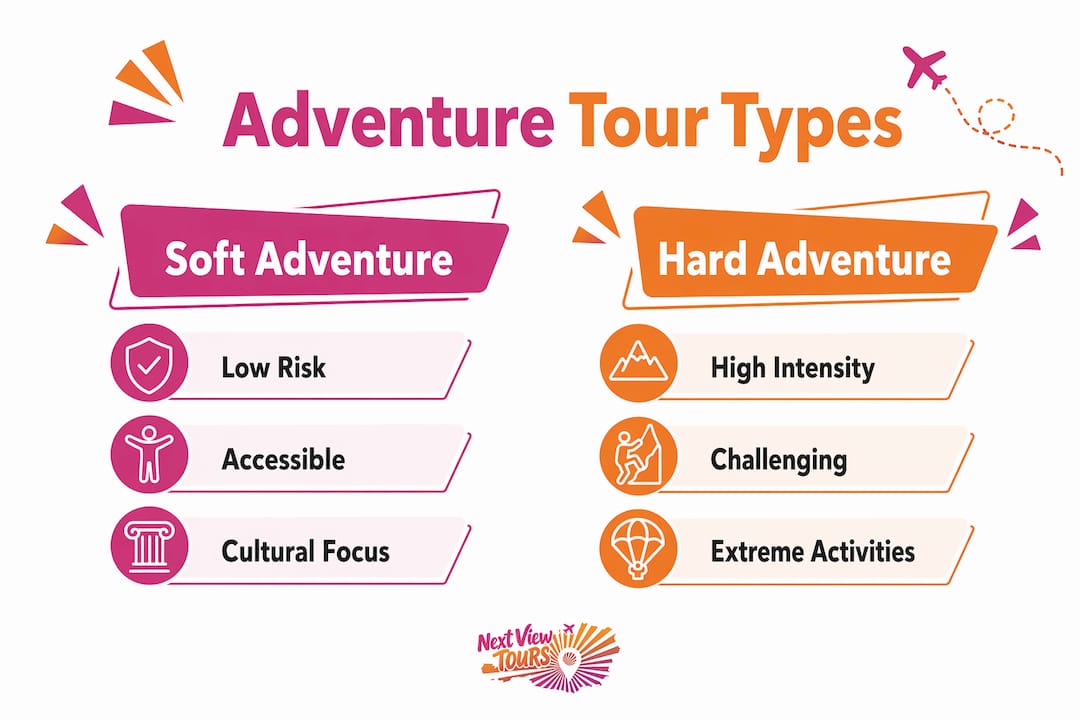
Adventure tours split cleanly into two categories: soft adventure and hard adventure. Understanding the difference saves you from booking a trip that is either too tame or too demanding.
Soft adventure tours
Soft adventure covers accessible physical activities that most travelers in reasonable health can complete without specialized training. Guided safari walks, horseback riding, and sea kayaking all fall into this category. A guided hike through the Austrian Alps with Nextviewtours, for example, qualifies as soft adventure. The physical effort is real, but the technical barrier is low.
Soft adventure packages typically range from $300 to $3,000 and run around seven days. That price range makes them accessible to first-time adventure travelers who want a genuine outdoor experience without committing to an expedition.
Hard adventure tours
Hard adventure involves high-intensity activities with measurable risk, including rock climbing, white-water rafting, mountaineering, and skydiving. These trips require advanced fitness, prior certification in some cases, and a genuine comfort with physical risk. Polar expeditions sit at the extreme end of this spectrum.
Hard adventure packages can cost between $2,500 and $9,000 or more. That premium reflects specialized guides, remote logistics, and safety infrastructure that these trips demand.
| Feature | Soft adventure | Hard adventure |
|---|---|---|
| Skill required | Minimal | Advanced or certified |
| Typical cost | $300–$3,000 | $2,500–$9,000+ |
| Physical demand | Moderate | High intensity |
| Risk level | Low to moderate | Moderate to high |
| Best for | Beginners and families | Experienced outdoor travelers |
- Wildlife safaris and guided nature walks suit travelers who want immersion without extreme exertion.
- Sea kayaking and horseback riding offer a physical challenge with a manageable learning curve.
- White-water rafting and mountaineering reward those with prior outdoor experience and strong fitness.
- Polar or high-altitude expeditions are reserved for travelers with specific certifications and serious preparation.
Pro Tip: If you are new to adventure travel, start with a soft adventure package in a destination you already find appealing. Familiarity with the region reduces decision fatigue and lets you focus on the physical experience.
What to expect on an adventure tour
Adventure tours run on a different clock than leisure vacations. Early starts are standard because most outdoor activities depend on favorable weather windows and avoiding midday heat or crowds. A 6:00 a.m. departure for a mountain hike is not unusual. That rhythm feels demanding at first, but most travelers adapt quickly and appreciate the quieter trails.
Here is what a typical multi-day adventure tour day looks like:
- Early morning activity. The main physical challenge of the day, whether hiking, paddling, or climbing, happens before midday.
- Midday rest and meals. Guides build in recovery time. Accommodation, transport, and meals are usually arranged by the operator.
- Afternoon cultural or nature engagement. A village visit, a wildlife spotting session, or a local cooking demonstration fills the slower part of the day.
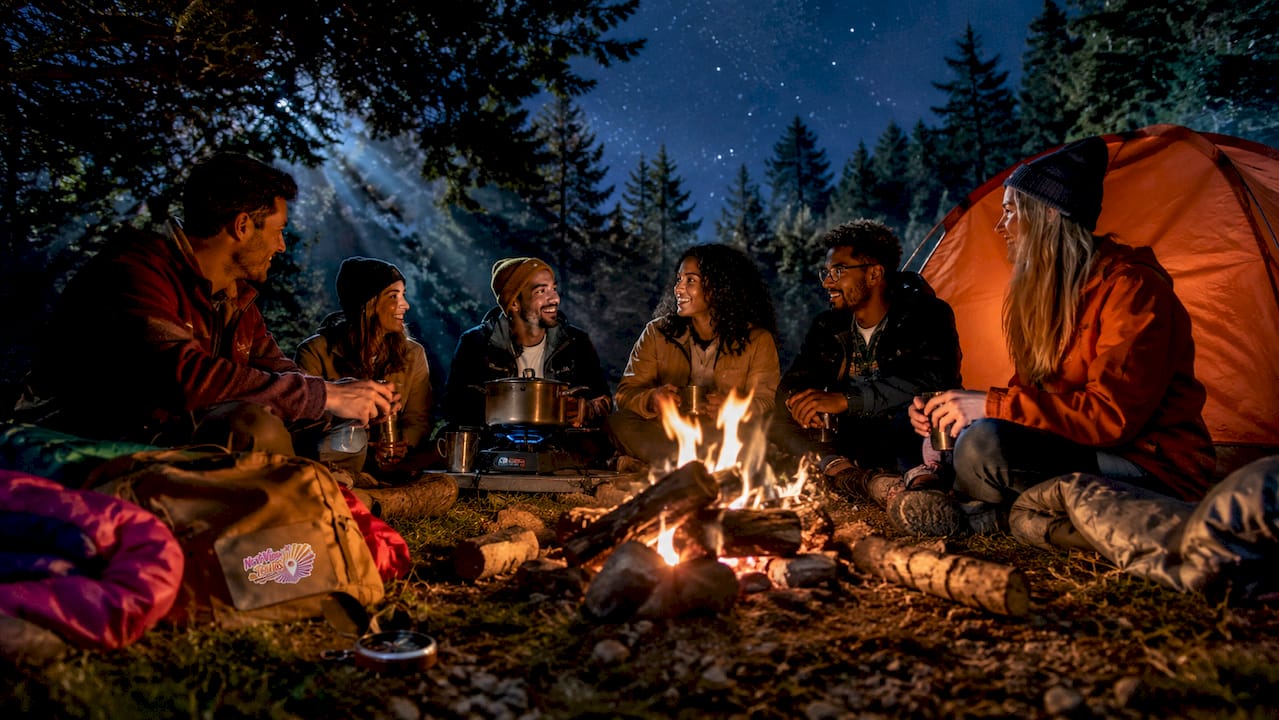
- Evening group debrief. Most tours include a social element where guides recap the next day and travelers share the experience.
- Early sleep. The schedule reinforces early nights, which most travelers find surprisingly restorative.
Multi-day adventure tours carry stricter cancellation policies and require larger deposits than standard trips. Remote lodging, specialized guides, and complex logistics must be booked far in advance. Read the cancellation terms carefully before you commit.
Standard travel insurance rarely covers injuries from mountaineering, rafting, or other high-risk activities. Purchase a policy that explicitly lists your planned activities as covered. This is not optional.
Pro Tip: Ask your operator for a sample daily itinerary before booking. A reputable provider will share this without hesitation, and it tells you exactly how demanding the pace will be.
What are the benefits of adventure tourism?
Adventure tourism transforms travelers from passive observers into active participants. That shift produces benefits that outlast the trip itself.
- Physical well-being. Multi-day hiking, paddling, and climbing build cardiovascular fitness and muscular endurance in ways a gym session rarely replicates.
- Mental health gains. Time in natural environments, combined with physical effort and social connection, reduces stress and improves mood. The effect is well-documented across outdoor recreation research.
- Authentic cultural connection. Sharing a meal in a rural Austrian village or learning a traditional craft from a local artisan creates memories that a museum visit cannot match.
- Economic contribution. Responsible adventure tourism channels spending directly into local communities, supporting guides, accommodation providers, and food suppliers in regions that need it.
- Environmental awareness. Spending time in fragile ecosystems builds a personal stake in their preservation. Travelers who have hiked a glacier or snorkeled a reef tend to care more about protecting them.
“Sustainability professionals advocate for adventure tours that responsibly engage communities and preserve fragile ecosystems, aligning with traveler values.” — Wigwam
Choosing operators who integrate local community benefits into their model makes your spending count twice. Some operators use tracking systems to show what percentage of visitor fees stays within the local economy. That transparency is a meaningful signal of a responsible provider.
How to choose the right adventure tour for your interests and abilities
Choosing well starts with an honest self-assessment. The wrong tour leaves you either bored or overwhelmed. The right one stretches you just enough to feel the reward.
- Assess your fitness level honestly. A tour rated for moderate fitness assumes you can walk 8–10 miles on uneven terrain without stopping. If that sounds ambitious, start with a shorter, lower-intensity option.
- Match the activity to your risk comfort. White-water rafting and rock climbing carry real physical risk. If uncertainty about safety would prevent you from enjoying the experience, choose a lower-risk activity first.
- Check operator transparency. A trustworthy operator publishes guide credentials, safety protocols, and group size limits. Vague answers to direct questions are a warning sign.
- Align budget and duration. A seven-day soft adventure in Central Europe costs far less than a two-week hard adventure in a remote region. Know your budget ceiling before you browse packages.
- Read recent traveler reviews. Focus on reviews that mention guide quality, logistics, and how the operator handled unexpected situations. Those details reveal operational competence more than highlight photos do.
Pro Tip: For planning multi-day trips, contact the operator directly and ask about the smallest and largest group sizes they run. Smaller groups almost always deliver a richer, more personal experience.
Nextviewtours offers guided adventure trips across Austria, the Czech Republic, Slovakia, Hungary, and beyond, with options designed for different fitness levels and group types. Their range covers both day trips and multi-day packages, making it straightforward to find a starting point that fits your schedule and ability.
For travelers interested in mountain trekking, understanding terrain difficulty and guide expertise before booking is the single most important preparation step.
Key takeaways
Adventure tours deliver the most value when you choose the right type, prepare honestly, and select a responsible operator.
| Point | Details |
|---|---|
| Core definition | Adventure tours combine physical activity, nature, and cultural engagement in one guided experience. |
| Soft vs. hard adventure | Soft tours cost $300–$3,000 and suit most travelers; hard tours cost $2,500–$9,000+ and require advanced fitness. |
| Daily structure | Expect early starts, guided activities, and structured rest periods rather than a flexible leisure schedule. |
| Insurance is non-negotiable | Standard policies exclude adventure injuries; buy a policy that explicitly covers your planned activities. |
| Operator quality matters | Choose providers who publish guide credentials, group size limits, and local community benefit data. |
Why adventure tours reward the travelers who take them seriously
Adventure tourism is one of those travel categories where the effort you bring in directly shapes the experience you take out. I have seen travelers arrive at a guided mountain hike expecting a leisurely stroll and leave with a genuine sense of accomplishment they did not expect. That gap between expectation and reality, when it goes in the right direction, is what makes these trips memorable.
The travelers who get the most from adventure tours are not necessarily the fittest or the most experienced. They are the ones who research their operator carefully, prepare physically for the specific demands of their chosen trip, and stay open to the unscripted moments that no itinerary can plan for. A conversation with a local guide at sunrise, a weather change that reroutes the day, a meal that was not on the schedule. Those moments define the experience.
My honest advice: do not choose an adventure tour based on the highlight reel. Choose it based on the daily structure, the operator’s track record, and whether the physical demands match where you actually are, not where you wish you were. A well-matched soft adventure in the Austrian Alps will leave you more satisfied than a hard adventure you were not ready for.
The role of local experiences in shaping meaningful travel cannot be overstated. Operators who build genuine community connections into their itineraries consistently produce the trips travelers talk about for years.
— Next
Nextviewtours adventure trips worth considering
Nextviewtours designs adventure packages across Europe for travelers at every level, from first-time outdoor explorers to seasoned multi-day trekkers.
Their trip types cover day trips, multi-day adventures, nature tours, and private or group options departing from Vienna, Salzburg, Prague, Budapest, and other European hubs. Whether you want a single-day alpine hike or a week-long cultural and outdoor combination across Central Europe, the range gives you a clear starting point. Each package lists physical requirements and group formats so you can match the trip to your actual fitness level before you book.
FAQ
What is an adventure tour in simple terms?
An adventure tour is a guided trip that combines physical activity, natural environments, and cultural interaction. It differs from standard tourism by making you an active participant rather than a passive observer.
Are adventure tours suitable for beginners?
Soft adventure tours, including guided hikes, wildlife safaris, and sea kayaking, are designed for travelers in reasonable health with no specialized skills. They are an ideal starting point for first-time adventure travelers.
How much does an adventure tour typically cost?
Soft adventure tours generally cost between $300 and $3,000. Hard adventure expeditions range from $2,500 to $9,000 or more, depending on destination, duration, and activity type.
Do I need special insurance for an adventure tour?
Standard travel insurance policies often exclude injuries from high-risk activities like mountaineering or rafting. Purchase a policy that explicitly covers your planned adventure activities before you travel.
What is the average length of an adventure tour?
Adventure tourists take trips averaging eight days. Multi-day tours require larger deposits and carry stricter cancellation terms due to the complexity of remote logistics and specialized staffing.


Comments are closed