 Uncategorized
TL;DR:
- Adventure tourism involves active participation in physical, cultural, and natural experiences, expanding beyond passive sightseeing. The sector is rapidly growing at an 18.6% annual rate, with soft adventure making up 65% of the market due to its accessibility and low risk. Responsible travelers support local communities by choosing small operators, local guides, and authentic experiences that promote cultural and environmental conservation.
Adventure tourism is defined by the Adventure Travel Trade Association (ATTA) as travel that combines at least two of three core elements: physical activity, a connection with natural environments, and immersive cultural experience. This definition separates adventure travel from passive sightseeing and resort vacations. The global adventure tourism market is growing at an 18.6% compound annual growth rate, driven by travelers who want to do more than observe. Whether you are scaling a mountain in Austria or cycling through the Czech countryside with Nextviewtours, the adventure tourism explanation starts with active, meaningful participation.
What is adventure tourism meaning and how is it defined?
Adventure tourism is travel built on active participation rather than passive observation. The ATTA’s three-element framework is the industry standard: physical activity, natural environment, and cultural immersion. A trip qualifies as adventure tourism when it includes at least two of these three elements. That definition is broader than most travelers expect, which is exactly why the sector has grown so fast.
The global market was valued at $464.3 billion in 2025 and is projected to reach $1.76 trillion by 2033. That growth signals a fundamental shift in how people think about travel. Travelers are no longer satisfied with looking at landmarks from a tour bus. They want to feel the terrain, meet the locals, and carry a story home.
The adventure travel definition also carries a practical implication for you as a traveler. You do not need to be an elite athlete to qualify. A guided kayaking trip through Slovakia’s rivers counts. A cultural trekking experience through the villages of Bohemia counts. The ATTA framework was designed to be inclusive, not exclusive.
What are the core elements and categories of adventure tourism?
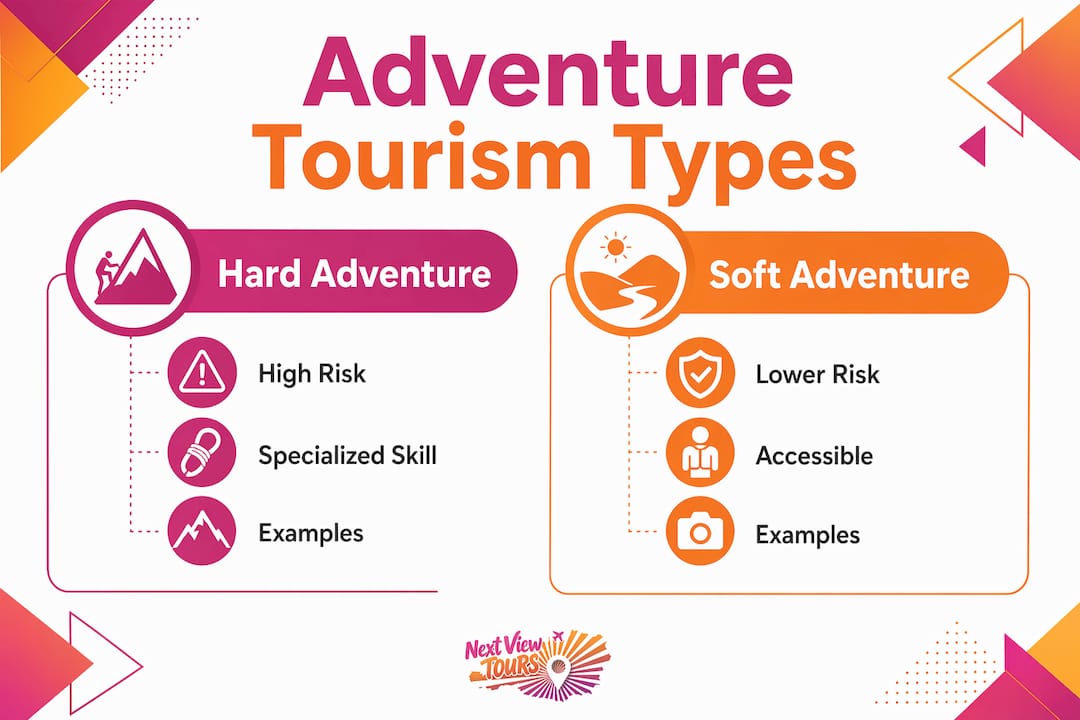
Adventure tourism splits into two broad categories: hard adventure and soft adventure. Understanding the difference helps you choose experiences that match your fitness level, risk tolerance, and travel goals.
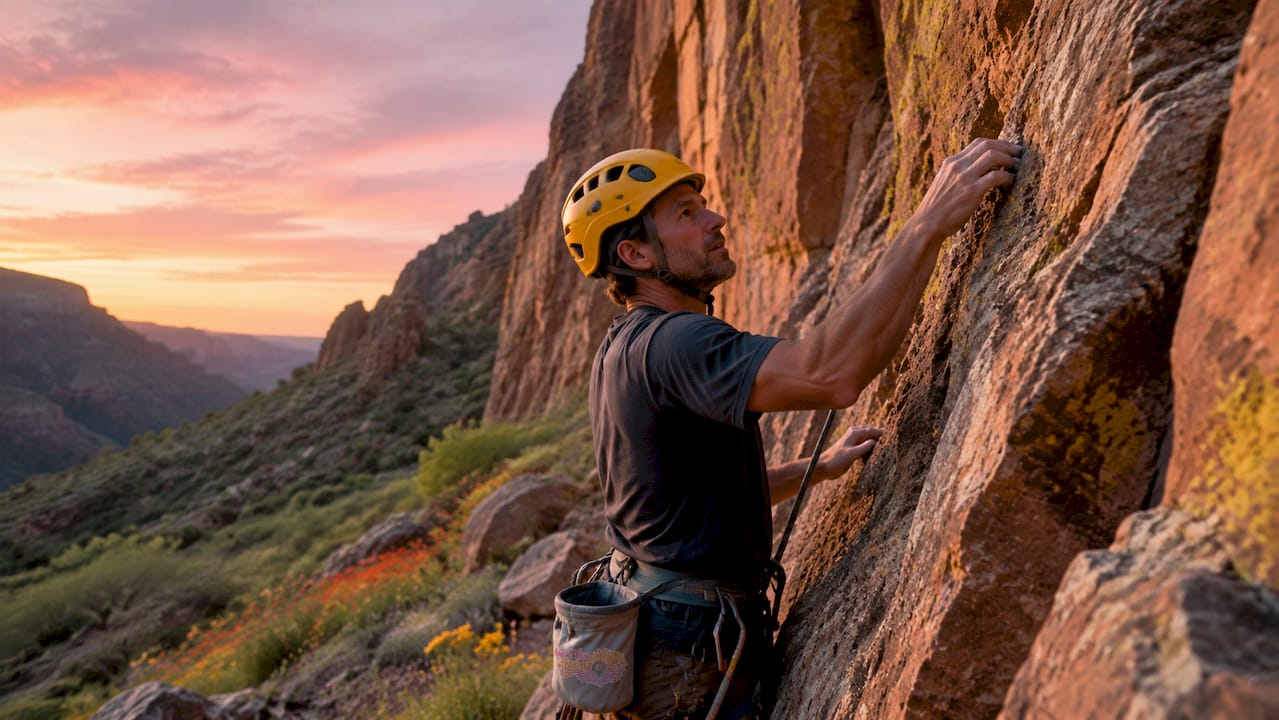
Hard adventure involves high-intensity activities that require specialized skills or training. Think mountaineering, white-water rafting at Class IV or V rapids, skydiving, and technical rock climbing. These activities carry real physical risk and demand preparation. They are not designed for first-time travelers with no prior training.
Soft adventure is the faster-growing and more accessible category. Soft adventure accounts for 65% of the market in 2025, and for good reason. Activities like guided wildlife hikes, cultural trekking, cycling, and kayaking require no specialized skills. They deliver genuine physical engagement and cultural connection without extreme risk.
| Category | Risk level | Skill required | Examples |
|---|---|---|---|
| Hard adventure | High | Specialized training needed | Mountaineering, skydiving, white-water rafting |
| Soft adventure | Low to moderate | No prior training needed | Hiking, cycling, kayaking, cultural trekking |
The hard adventure market is projected to grow at a CAGR of 17.5% through 2033. That growth reflects rising demand from experienced travelers seeking more intense challenges. Still, soft adventure remains the entry point for most people new to this style of travel.
Pro Tip: If you are new to adventure travel, start with a soft adventure experience that combines two of the ATTA’s three elements. A guided cultural hike, for example, covers both physical activity and cultural immersion without requiring any specialized gear or training.
How does adventure tourism differ from ecotourism and traditional tourism?
Adventure tourism, ecotourism, and traditional tourism are related but distinct. Confusing them leads to mismatched expectations and the wrong kind of trip.
Adventure tourism emphasizes active participation and physical challenge. You are the doer, not the observer. Ecotourism, by contrast, centers on conservation and environmental education. An ecotourism trip might involve visiting a protected forest to learn about its ecosystem. An adventure tourism trip in the same forest would involve trekking through it, crossing rivers, and engaging with local guides who share their cultural knowledge.
Traditional tourism is the most passive of the three. It typically means sightseeing, hotel stays, and organized bus tours. You see the Eiffel Tower. You photograph the Colosseum. You return to your hotel. There is nothing wrong with that approach, but it does not meet the ATTA’s definition of adventure travel.
Here is a clear breakdown of the key differences:
- Adventure tourism: Active movement, physical challenge, cultural and natural engagement
- Ecotourism: Conservation focus, environmental education, minimal physical intensity
- Traditional tourism: Passive observation, sightseeing, resort or hotel-based comfort
- Overlap zone: All three can include natural settings and cultural elements, but only adventure tourism requires active physical participation
The distinction matters when you are planning a trip. If you want to learn about a region’s ecology, ecotourism fits. If you want to move through that region and feel it physically, adventure tourism is the right frame. Nextviewtours builds its experiences around that active, immersive model, combining nature, culture, and movement across Central Europe.
What are popular examples of adventure tourism activities?
Common adventure tourism activities span a wide spectrum, from technically demanding to comfortably accessible. Knowing where specific activities fall helps you plan a trip that fits your current ability and desired challenge level.
Hard adventure examples
- Mountaineering: Summit attempts in the Alps or Tatras require technical climbing skills, altitude acclimatization, and proper gear.
- White-water rafting: Class IV and V rapids on rivers like the Salzach demand physical strength and the ability to follow rapid instructions under pressure.
- Skydiving: Tandem jumps are available to beginners, but solo skydiving requires certified training.
- Rock climbing: Multi-pitch routes in the Dolomites or the Bohemian Switzerland region require rope management and anchor-building skills.
Soft adventure examples
Soft adventure tourism includes hiking, wildlife viewing, cycling, kayaking, and cultural immersion. These activities do not require specialized skills or intense exertion. They are growing fastest among millennials and Gen Z travelers who want meaningful experiences without extreme physical risk.
- Guided wildlife hikes: Walking through national parks with a local naturalist who explains the ecosystem and local traditions
- Cultural trekking: Multi-day walks through villages in Slovakia or the Czech Republic, staying with local families
- Cycling tours: Self-guided or guided rides through the Wachau Valley or along the Danube, combining scenery with gentle physical activity
- Kayaking: Paddling through calm river sections in Austria or Hungary, often paired with stops at historic sites
Soft adventures are rising as a direct response to overtourism. Travelers are choosing less crowded, more authentic routes over the standard tourist circuit. That shift benefits both the traveler and the destination.
How can travelers engage with adventure tourism responsibly?
Responsible adventure travel means making choices that benefit local communities, protect natural environments, and keep you safe. These are not abstract ideals. They have measurable outcomes.
About 75% of expenditure on high-quality, small-group adventure trips stays directly in local destinations. That money supports community-led hospitality, local guides, and small family businesses rather than multinational hotel chains. Choosing a small-group operator is one of the most direct ways to make your travel spending count.
Preparation is equally important. For soft adventures, physical preparation is minimal, but you should still research the terrain, pack appropriate clothing, and understand the cultural norms of the communities you will visit. For hard adventures, proper training and certified guides are non-negotiable. Skipping either creates risk for you and burdens local rescue services.
Pro Tip: Before booking any adventure trip, check whether the operator uses local guides and sources food and accommodation locally. Those two factors alone determine whether your spending supports the destination or bypasses it entirely.
Here are four practical steps for responsible adventure travel:
- Choose local operators who employ guides from the destination community
- Research cultural immersion practices before you arrive so you engage respectfully
- Match the activity to your fitness level to avoid accidents that strain local emergency services
- Travel in small groups to reduce environmental impact and access more authentic experiences
Local experiences are the core of meaningful adventure travel. The most memorable trips are not the ones with the most extreme activities. They are the ones where you connected with a place and its people in a way that a standard tour could never replicate.
Key takeaways
Adventure tourism is defined by active participation across physical, natural, and cultural dimensions, making it the fastest-growing segment in global travel with a market projected to reach $1.76 trillion by 2033.
| Point | Details |
|---|---|
| ATTA definition | Adventure tourism requires at least two of three elements: physical activity, nature, and cultural immersion. |
| Soft vs. hard adventure | Soft adventure holds 65% market share and requires no specialized skills, making it accessible to most travelers. |
| Market growth | The sector grows at 18.6% CAGR, driven by demand for immersive, experience-led travel over passive sightseeing. |
| Local economic impact | About 75% of spending on small-group adventure trips stays in the local destination community. |
| Responsible travel | Choosing local operators and small-group formats maximizes both experience quality and community benefit. |
Why soft adventure changed how I think about this sector
The data on soft adventure’s 65% market share did not surprise me. What surprised me was how long the travel industry took to recognize it as a legitimate category rather than a watered-down version of “real” adventure.
For years, adventure tourism was marketed almost exclusively to extreme athletes and risk-seekers. That framing excluded the vast majority of curious, active travelers who wanted more than a beach chair but were not training for an Everest expedition. Soft adventure filled that gap honestly. A cycling tour through the Wachau Valley or a multi-day cultural trek through Slovakia delivers everything the ATTA definition requires. It just does so without the risk of a broken collarbone.
The more interesting shift is what soft adventure does to traveler mindset. When you move through a place physically, even at a moderate pace, you notice things that bus tourists never see. You stop at a village well because your legs need a rest. You end up in a conversation with a local farmer. That conversation becomes the story you tell for years. No itinerary planned it. The activity created the conditions for it.
Adventure tourism’s real value is not the adrenaline. It is the quality of attention it demands from you. You cannot scroll your phone while kayaking. You cannot ignore your surroundings while navigating a forest trail. That forced presence is what makes these experiences stick. The adventure trip meaning goes deeper than the activity itself.
— Next
Nextviewtours: curated adventure experiences across Europe
Nextviewtours designs trips that meet the ATTA’s adventure tourism standard across Central Europe, from Vienna and Salzburg to Prague, Budapest, and beyond.

Whether you are drawn to soft adventure like cycling the Danube or cultural trekking through Bohemia, or you want to plan a more demanding multi-day adventure trip, Nextviewtours builds experiences that combine physical activity, natural settings, and genuine cultural connection. Every tour uses local guides and local hospitality, which means your spending supports the communities you visit. If you are ready to move beyond sightseeing, explore what an adventure tour with Nextviewtours actually looks like.
FAQ
What is the adventure tourism meaning according to the ATTA?
Adventure tourism is defined by the Adventure Travel Trade Association as travel that includes at least two of three elements: physical activity, a connection with natural environments, and immersive cultural experience.
What are the main types of adventure tourism?
Adventure tourism divides into hard adventure, which involves high-risk, skill-intensive activities like mountaineering and white-water rafting, and soft adventure, which covers accessible activities like hiking, cycling, and kayaking.
How is adventure tourism different from ecotourism?
Adventure tourism requires active physical participation and movement through a destination, while ecotourism focuses on conservation education and environmental awareness with less emphasis on physical challenge.
What are some adventure tourism examples for beginners?
Soft adventure activities like guided wildlife hikes, cultural trekking, cycling tours, and kayaking are ideal starting points. They meet the ATTA definition without requiring specialized training or extreme fitness.
Why is adventure tourism important for local communities?
About 75% of spending on high-quality, small-group adventure trips stays directly in local destinations, supporting local guides, family-run accommodation, and community-led hospitality rather than large corporations.


Comments are closed