
 News & Tips
Many people assume Austria is just mountains and Mozart, but that overlooks the country’s true character. Over 30 million international visitors discovered Austria last year, drawn by its vibrant mix of old-world charm and modern culture. With hidden regions, unique traditions, and surprising diversity beyond the ski slopes, Austria rewards anyone who looks past stereotypes. This guide will help you understand what really makes travel in Austria special and clear up common myths before you go.
Table of Contents
- Understanding Austria Trip Basics and Misconceptions
- Key Destinations and Must-See Regions
- Visa Requirements and Entry Regulations for Tourists
- Transportation Options and Getting Around Austria
- Travel Costs, Safety, and Local Etiquette Tips
Key Takeaways
| Point | Details |
|---|---|
| Cultural Identity | Austria has a rich cultural heritage that distinguishes it from neighboring countries, reflecting diverse regional customs and modern innovations. |
| Travel Requirements | Most tourists can enter Austria visa-free for short stays; however, a valid passport, proof of accommodation, and sufficient funds are essential for entry. |
| Transportation | Austria’s efficient public transportation system, particularly its extensive train networks, greatly enhances travel convenience and access to various regions. |
| Safety and Etiquette | Austria is a safe destination with low crime rates; travelers should be mindful of social customs, punctuality, and local greetings to demonstrate respect. |
Understanding Austria Trip Basics and Misconceptions
Traveling to Austria is far more nuanced than many travelers initially assume. Austria is a stunning Central European nation that offers much more than alpine landscapes and classical music stereotypes. According to Britannica, the country represents a complex blend of historical richness and modern innovation that frequently surprises international visitors.
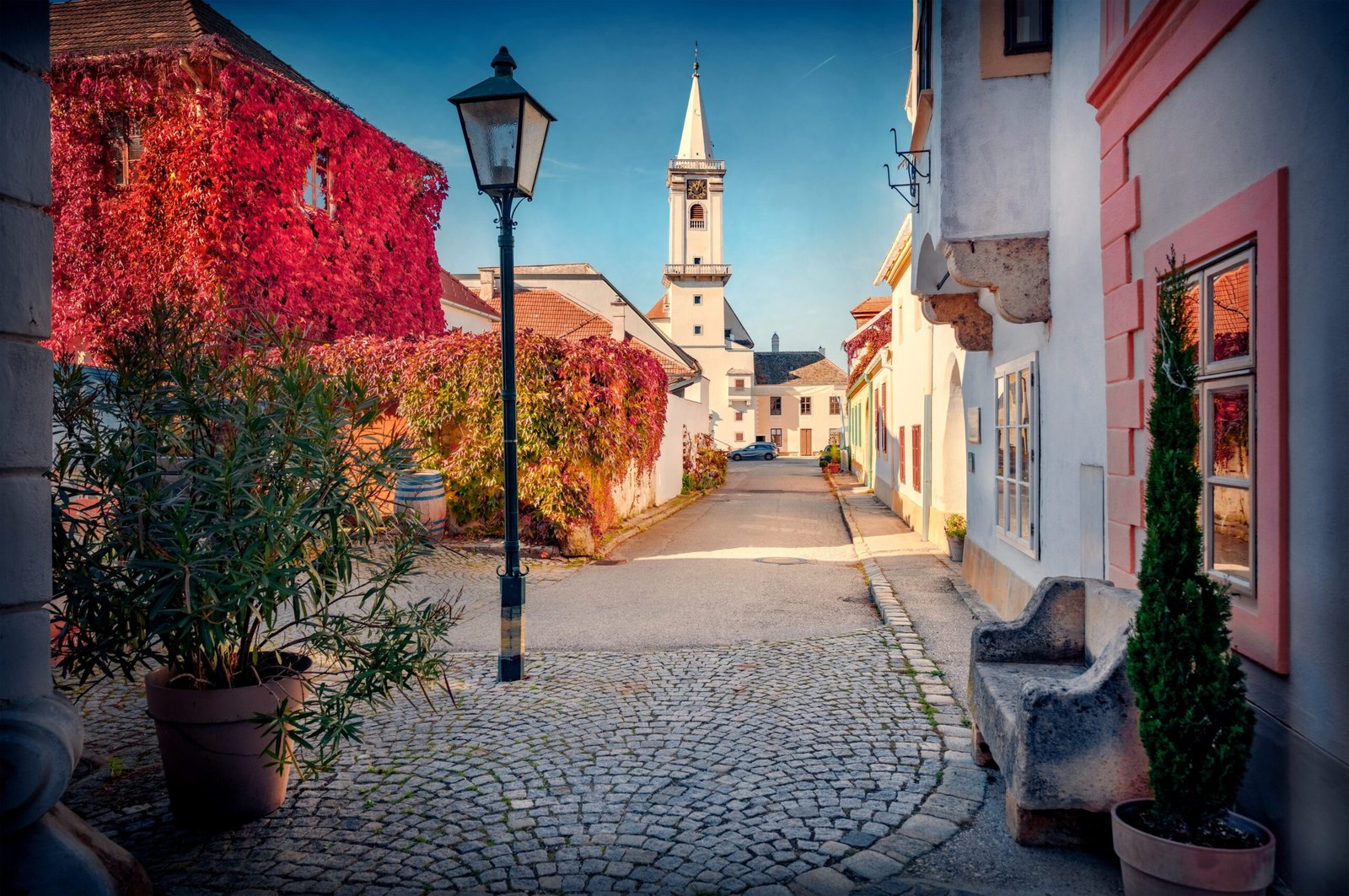
Common misconceptions about Austria often stem from limited cultural exposure. Many people mistakenly believe Austria is simply a smaller version of Germany or just a winter ski destination. In reality, Austria boasts a unique cultural identity with distinct traditions, languages, and social norms that set it apart from its neighboring countries. The nation’s geography encompasses far more than mountain ranges – from rolling vineyard landscapes in lower Austria to sophisticated urban centers like Vienna, the country offers remarkable diversity.
When planning an Austrian adventure, travelers should understand several key characteristics that make the destination unique:
- Cultural Complexity: Austria has a rich imperial history that significantly influences its contemporary social structures
- Linguistic Nuance: While German is the official language, regional dialects and variations are significant
- Regional Diversity: Each Austrian province (Bundesland) has distinct cultural traditions and local customs
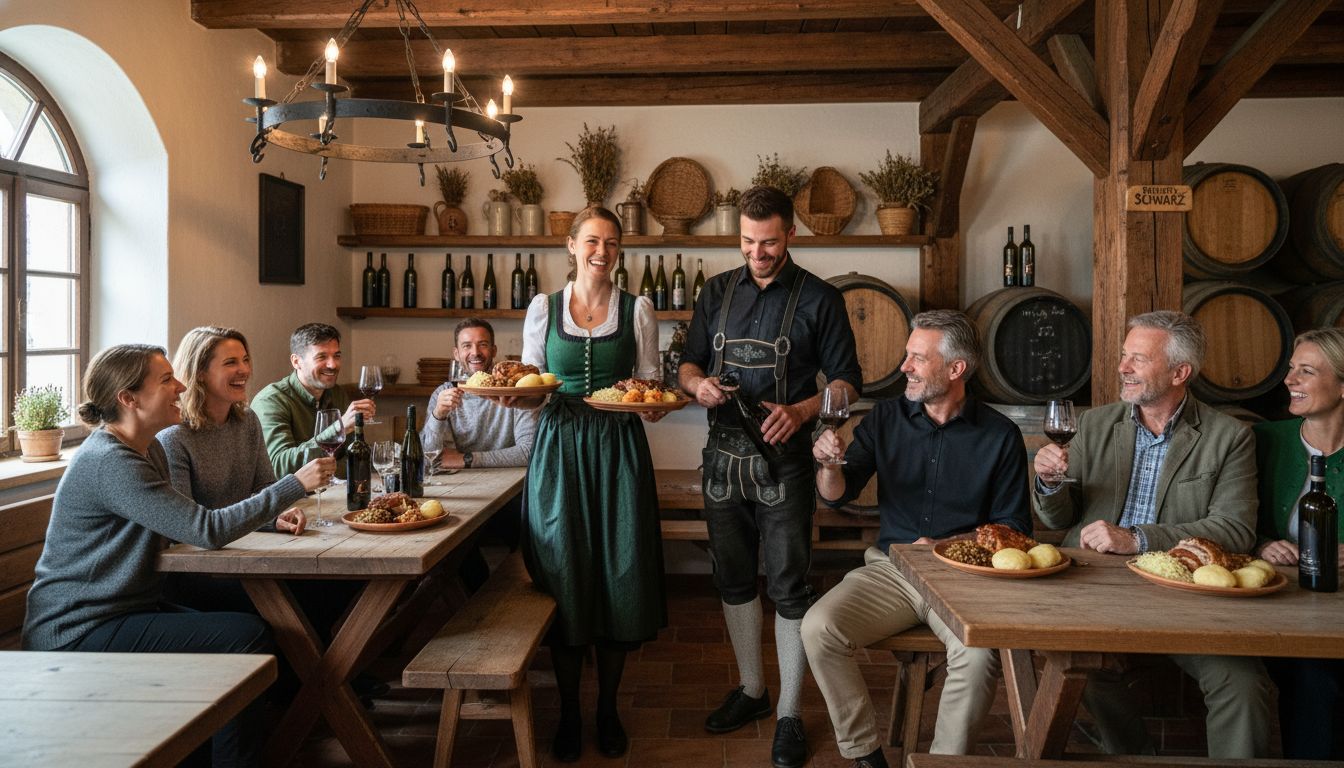
- Modern Progressive Society: Despite traditional appearances, Austria is a highly innovative and internationally connected nation
Navigating Austria requires an open mind and willingness to explore beyond surface-level assumptions. The country rewards curious travelers with deep cultural experiences, stunning landscapes, and a sophisticated approach to both tradition and modernity. Explore our European tours to discover the authentic essence of this remarkable destination.
Key Destinations and Must-See Regions
Austria offers travelers an extraordinary array of destinations that showcase its rich cultural heritage and stunning natural landscapes. UNESCO World Heritage Sites highlight the country’s most remarkable regions, presenting travelers with a comprehensive view of Austria’s most significant locations. From historic urban centers to breathtaking mountain landscapes, each region tells a unique story of Austrian culture and natural beauty.
According to the Austrian National Tourist Office, several key regions stand out as must-visit destinations for travelers. Vienna, the capital city, represents a perfect blend of imperial history and contemporary sophistication. The Salzburg region, birthplace of Mozart and backdrop to “The Sound of Music,” offers incredible musical heritage and baroque architecture. The Danube Valley provides picturesque landscapes with rolling vineyards and historic monasteries, while the Alpine regions promise world-class skiing and stunning mountain experiences.
Each Austrian region offers distinct characteristics that make them unique:
- Vienna: Imperial architecture, world-class museums, and cutting-edge contemporary culture
- Salzburg: Classical music heritage, baroque architecture, and mountain scenery
- Tyrol: Alpine landscapes, traditional mountain villages, and winter sports destinations
- Wachau Valley: UNESCO World Heritage site known for stunning river views and wine production
- Hallstatt: Picturesque mountain village with extraordinary lakeside views
For travelers seeking comprehensive exploration, the diversity of Austrian regions ensures an unforgettable journey.
From urban sophistication to mountain wilderness, explore our European tours to discover the multifaceted beauty of Austria’s most iconic destinations.
Visa Requirements and Entry Regulations for Tourists
Navigating Austria’s entry requirements can be complex, but understanding the fundamental visa regulations will help ensure a smooth travel experience. International travelers must pay close attention to specific entry regulations based on their citizenship, intended length of stay, and purpose of visit. Most European Union (EU) and Schengen Area countries have relatively straightforward entry processes, while travelers from other regions may need additional documentation.
Tourists from many countries, including the United States, Canada, Australia, and most European nations, can enter Austria for short-term visits without a visa for up to 90 days within a 180-day period. This applies to tourism, business meetings, and transit purposes. However, travelers must ensure their passport is valid for at least three months beyond their planned departure date and have sufficient funds to support their stay. Some key considerations for entry include:
- Passport Validity: Must be valid for at least three months beyond intended stay
- Proof of Accommodation: Hotel bookings or invitation letters may be required
- Return Ticket: Evidence of return or onward travel
- Travel Insurance: Recommended and sometimes mandatory
- Financial Means: Proof of sufficient funds for the duration of stay
For travelers requiring a Schengen Visa, the application process involves submitting detailed documentation, including travel itinerary, accommodation details, financial statements, and travel insurance. Processing times can vary, so it’s crucial to apply well in advance of your planned trip. Explore our European tours to get expert guidance on navigating these entry requirements and ensuring a hassle-free Austrian adventure.
Transportation Options and Getting Around Austria
Navigating Austria’s transportation system is remarkably efficient and offers travelers multiple convenient options for exploring the country. ÖBB (Austrian Federal Railways) provides an extensive network that connects major cities, small towns, and even remote alpine regions, making travel across Austria both seamless and enjoyable. The country’s public transportation infrastructure is known for its punctuality, comprehensive coverage, and user-friendly systems.
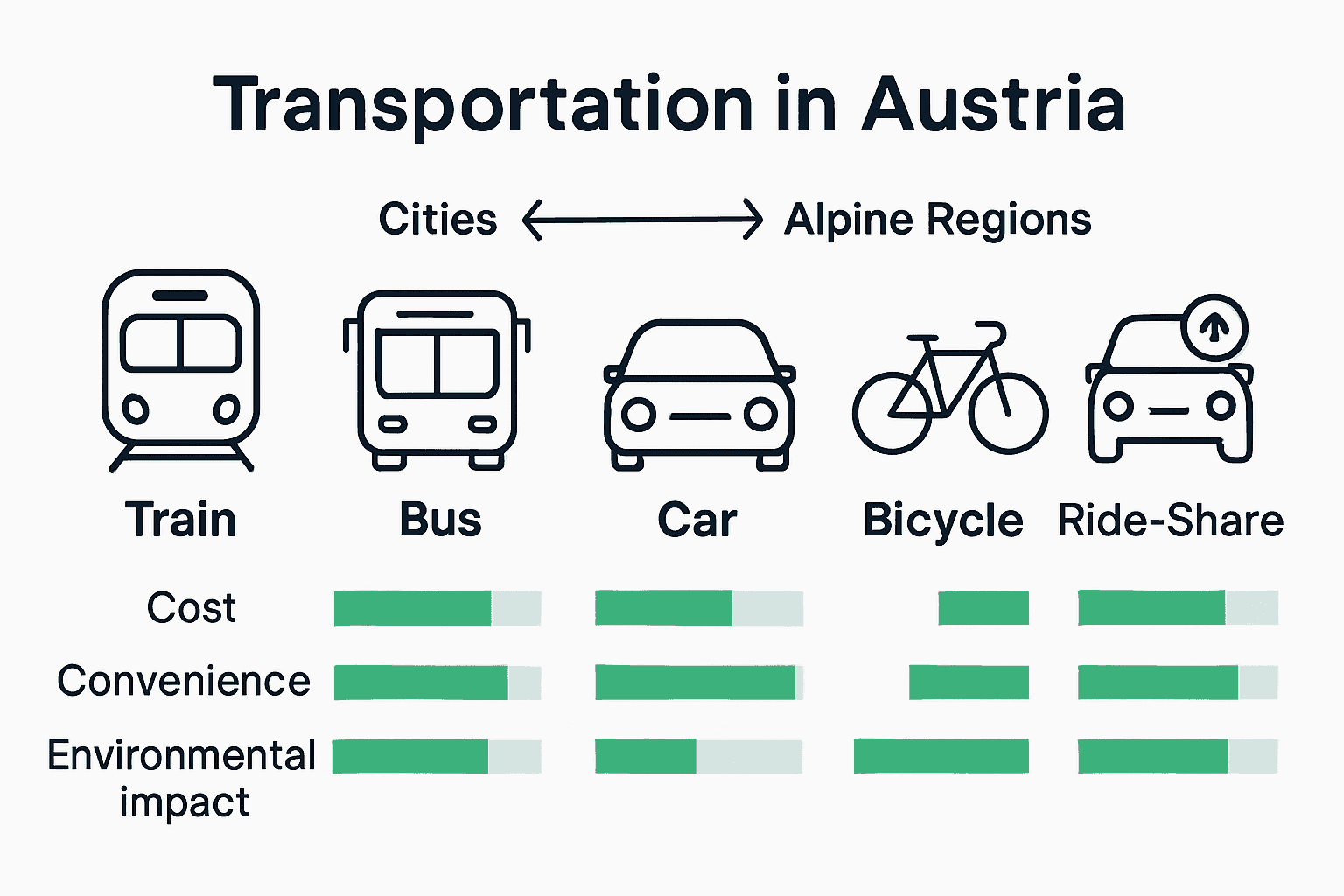
Train travel represents the backbone of Austrian transportation, with modern, comfortable trains connecting virtually every corner of the country. Regional and intercity trains offer stunning scenic routes through mountainous landscapes and picturesque valleys. For travelers, understanding the various transportation options can significantly enhance the Austrian travel experience. The primary transportation modes include:
- Train Networks: Comprehensive nationwide rail system with high-speed and regional connections
- Bus Services: Extensive regional and intercity bus routes
- Rental Cars: Ideal for exploring rural and alpine regions
- Bicycle Routes: Extensive cycling infrastructure in urban and rural areas
- Ride-Sharing: Popular and cost-effective transportation alternative
Urban centers like Vienna, Salzburg, and Innsbruck offer exceptional public transportation systems, including metros, trams, and buses that make city navigation incredibly convenient. For travelers seeking comprehensive exploration, discover our European tour options that can help you navigate Austria’s transportation landscape with expert guidance and local insights.
Travel Costs, Safety, and Local Etiquette Tips
Understanding the financial landscape and cultural nuances of Austria is crucial for a smooth and enjoyable travel experience. Numbeo provides insights into the cost of living, revealing that Austria is moderately expensive compared to other European destinations. Travelers should budget approximately €100-€250 per day, covering accommodation, meals, local transportation, and attractions.
According to the UK Government’s travel advice, Austria is generally a safe destination with low crime rates. However, travelers should remain aware of standard safety precautions and local cultural expectations. Austrian social etiquette emphasizes politeness, punctuality, and respect for personal space. Some critical cultural considerations include:
- Greeting Customs: Formal handshakes and using formal titles (Herr/Frau) are appreciated
- Punctuality: Being on time is considered a sign of respect
- Dress Code: Conservative and neat attire is expected in most settings
- Tipping: 10% is standard in restaurants and for service professionals
- Language Basics: Learning a few German phrases shows cultural respect
For budget-conscious travelers, consider money-saving strategies like purchasing city passes, using public transportation, and exploring free museum days. Explore our European tours to get expert guidance on navigating Austria’s cultural landscape while maintaining a comfortable budget.
Discover Austria with Confidence and Ease
Planning a trip to Austria can feel overwhelming when facing visa complexities, language nuances, and diverse regional cultures. This article highlights common travel challenges like understanding visa requirements, navigating transportation, and embracing local etiquette. You want a seamless experience that lets you enjoy Austria’s rich heritage, stunning landscapes, and unique traditions without stress.
Next View Tours specializes in turning these potential obstacles into effortless adventures. Whether you’re interested in day trips from Vienna, customized tours through Salzburg’s musical streets, or nature excursions in the Austrian Alps, we tailor experiences that address your needs. From expert guidance on visa entry to curated itineraries that immerse you in local culture and transportation tips, we handle every detail.
Ready to transform your Austria trip basics into unforgettable memories?
Unlock tailor-made tours now that combine convenience and authentic discovery.
Explore our diverse offerings and start planning your ideal Austrian journey today at Next View Tours. Dive into experiences crafted to keep you comfortable, informed, and inspired. Visit Next View Tours to learn more and book your seamless Austrian adventure.
Find the perfect trip that fits your style and schedule by checking out our options here Next View Tours. Your unforgettable Austria experience awaits.
Frequently Asked Questions
What are the key attractions to visit in Austria?
Austria offers a variety of attractions, including imperial architecture and world-class museums in Vienna, Mozart’s birthplace in Salzburg, stunning landscapes in the Danube Valley, and skiing opportunities in the Alpine regions.
What are the visa requirements for entering Austria?
Most travelers from EU countries and several other nations can enter Austria for short stays of up to 90 days without a visa. However, it’s essential to have a valid passport, proof of accommodation, a return ticket, and sufficient funds for your stay.
How does public transportation work in Austria?
Austria has an efficient public transportation system, primarily based on a comprehensive rail network. Trains connect major cities and rural areas, while urban centers feature metros, trams, and buses that facilitate easy navigation.
What cultural etiquette should I be aware of when visiting Austria?
Austrian culture values politeness and punctuality. Common etiquettes include greeting with a formal handshake, dressing conservatively, and tipping around 10% in restaurants. Learning a few basic German phrases can also show respect for local customs.


Comments are closed