
 Uncategorized
TL;DR:
- A comprehensive nature travel checklist incorporates the National Park Service’s 10 Essentials, layered clothing, and sustainable gear for safety and environmental responsibility. Proper preparation tailored to trip type and weather conditions ensures comfort and reduces risks during outdoor adventures. Prioritizing reusable items, climate-specific clothing, and considering transportation choices enhances the sustainability and enjoyment of every trip.
A nature travel checklist is a curated inventory of gear, clothing, and supplies every outdoor traveler must carry to stay safe, comfortable, and environmentally responsible on any wilderness trip. Whether you are planning a day hike through Austria’s Salzkammergut region, a multi-day backpacking route in the Czech Republic’s Bohemian Switzerland, or a camping weekend in Slovakia’s High Tatras, the right preparation separates a memorable experience from a dangerous one. The National Park Service’s 10 Essentials framework remains the gold standard for outdoor adventure packing lists, and this guide builds on that foundation with practical, sustainable additions for 2026.
1. Your nature travel checklist starts with the 10 Essentials
The 10 Essentials are the non-negotiable foundation of any outdoor adventure packing list. The National Park Service defines them as: navigation tools, illumination, sun protection, first aid, a knife, a fire starter, emergency shelter, extra food, extra water or filtration, and extra clothing layers. Every item on this list addresses a specific survival scenario, and skipping even one creates a gap in your safety net.
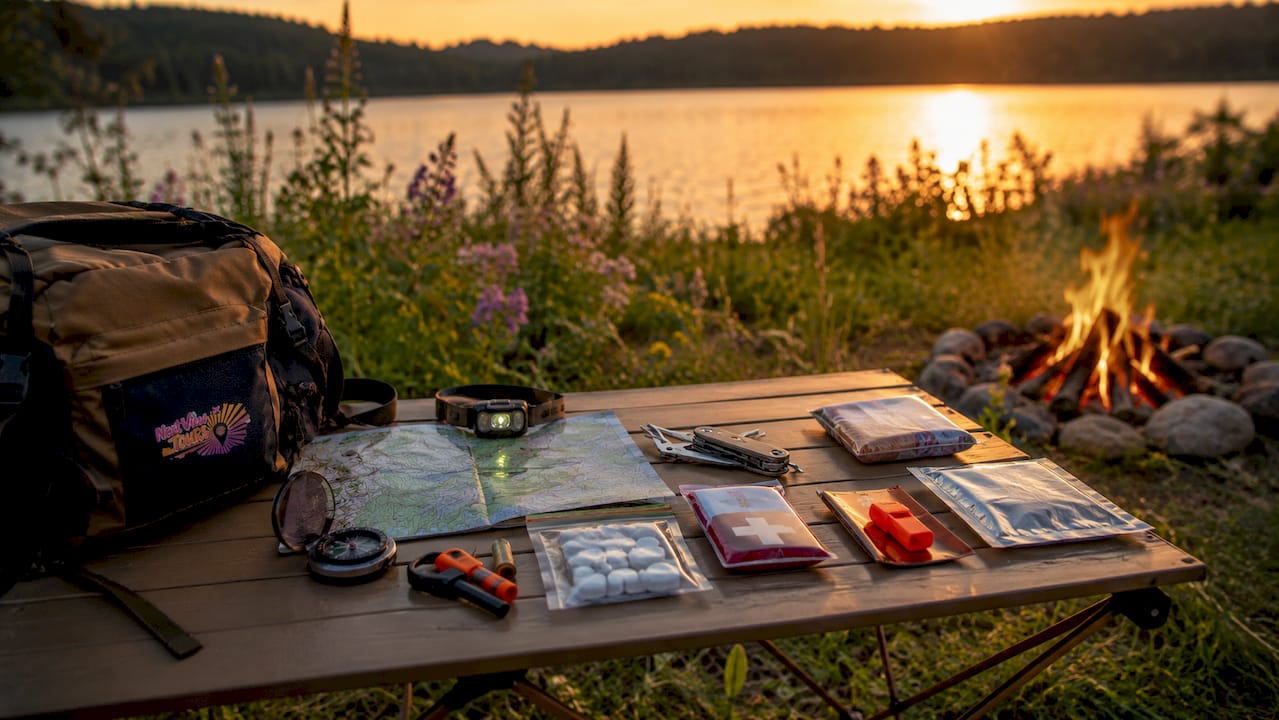
Navigation means more than downloading a map app. Carry a physical topographic map and a baseplate compass as backups, since phone batteries fail in cold temperatures. A headlamp with spare batteries handles low-light emergencies far better than a phone flashlight. Sun protection includes SPF 30 or higher sunscreen, UV-blocking sunglasses, and a wide-brim hat, because alpine and coastal environments amplify UV exposure significantly.
Your first aid kit should include blister treatment, wound closure strips, an elastic bandage, antihistamines, and any personal prescription medications. A fire starter means a lighter plus waterproof matches as a backup. Emergency shelter can be as compact as a SOL Emergency Bivvy, which weighs under four ounces and reflects 90% of body heat.
Pro Tip: Pack liners inside your backpack to protect critical gear during heavy rain. External rain covers fail in sustained downpours, and a simple heavy-duty garbage bag costs almost nothing.
2. Clothing and footwear for every weather condition
The layering system is the most reliable clothing strategy for nature travel, and it works because each layer serves a distinct function. A moisture-wicking base layer, such as Merino wool or synthetic fabric from brands like Smartwool or Patagonia Capilene, moves sweat away from your skin. A mid-layer fleece or down jacket traps warmth. A waterproof and windproof outer shell, like the Arc’teryx Beta or Marmot Precip, blocks the elements without trapping moisture.
Your hiking essentials checklist for clothing should include:
- Moisture-wicking base layer top and bottom
- Insulating mid-layer (fleece or lightweight down jacket)
- Waterproof shell jacket and pants
- Convertible hiking pants or shorts
- Two to three pairs of merino wool hiking socks
- Lightweight camp shoes or sandals (Crocs or Teva work well)
- Sun hat and warm beanie
- Lightweight gloves
Footwear is where many travelers underinvest. Waterproof hiking boots with ankle support, such as Salomon X Ultra 4 or Merrell Moab 3, prevent twisted ankles on uneven terrain and keep feet dry during stream crossings. Break in new boots at home for at least two weeks before any multi-day trip.
Pro Tip: Overpacking is driven by anxiety, not itinerary needs. Choose items that pull double or triple duty. A merino wool long-sleeve shirt works as a base layer on cold mornings and a standalone top in mild weather.
Packing cubes with clear windows keep clothing organized and separate clean from dirty items without unpacking everything. REI packing cubes and Eagle Creek Pack-It cubes are two widely trusted options for this purpose.
3. Food, hydration, and health supplies
Water is your most critical supply, and the rule is simple: carry more than you think you need and always have a filtration backup. A 2-liter hydration reservoir from CamelBak or Platypus covers most day hikes. For multi-day trips, a Sawyer Squeeze filter or Katadyn BeFree lets you refill from streams and lakes safely.
Your food strategy should prioritize calorie density and weight. Practical options include:
- Freeze-dried meals from brands like Mountain House or Backpacker’s Pantry
- High-calorie trail mix with nuts, seeds, and dark chocolate
- Energy bars such as Clif Bar, RX Bar, or Larabar
- Instant oatmeal packets for quick morning fuel
- Electrolyte tablets (Nuun or Liquid IV) for hydration support
Reusable water bottles, utensils, and bags significantly reduce single-use plastic waste on nature trips. Decant shampoo and sunscreen into small reusable containers rather than buying travel-sized single-use products. This one habit removes dozens of plastic items from your pack over a season of travel.
Your health supplies should include biodegradable soap, a small trowel for waste disposal, a menstrual cup or reusable hygiene products, and a lightweight microfiber towel. Carry any prescription medications in their original labeled containers, especially when crossing international borders in Europe.
4. Gear for comfort, communication, and environmental responsibility
Beyond the basics, a well-rounded nature trip gear list includes items that improve your safety margin and reduce your footprint. Communication tools matter most in remote areas where cell coverage disappears.
| Item | Purpose | Eco-friendly option |
|---|---|---|
| Whistle | Emergency signaling | Fox 40 pealess whistle (no batteries) |
| Emergency beacon | GPS rescue signal | Garmin inReach Mini 2 |
| Headlamp | Primary lighting | Petzl Actik Core (rechargeable) |
| Repair kit | Gear maintenance | Tenacious Tape, needle and thread |
| Reusable bags | Waste and shopping | Baggu or Sea to Summit dry bags |
A small repair kit extends the life of your gear and supports local artisans when repairs go beyond your own skills. Tenacious Tape fixes torn tent fabric and jacket seams in minutes. A needle, thread, and a few safety pins handle clothing repairs that would otherwise end a trip early.
For lighting beyond your headlamp, a compact lantern like the BioLite AlpenGlow 500 provides ambient camp light and charges via USB. Rechargeable batteries across all devices reduce waste and save money over multiple trips.
Booking at least half your accommodation nights with local, community-run hosts keeps tourism dollars in the destination and reduces the environmental footprint of large hotel chains. This applies directly to multi-day nature trips across Europe, where guesthouses and mountain huts offer authentic experiences alongside genuine conservation benefits.
5. How to customize your checklist by trip type
A day hike in the Hallstatt region of Austria requires a very different kit than a five-day backpacking route through Hungary’s Aggtelek National Park. Matching your gear to your trip type prevents both dangerous under-packing and exhausting over-packing.
For day hikes, your outdoor adventure packing list can stay minimal:
- 20 to 30-liter daypack
- 2 liters of water plus a filter
- One day’s food plus emergency snacks
- Basic first aid and the 10 Essentials
- Weather-appropriate layers
For multi-day backpacking or camping, expand your kit to include:
- 50 to 70-liter backpack with a rain cover and internal pack liner
- Lightweight tent or tarp shelter (Big Agnes, MSR, or Zpacks)
- Sleeping bag rated for the lowest expected temperature
- Sleeping pad (Therm-a-Rest NeoAir or Z Lite)
- Camp stove and fuel canister (MSR PocketRocket 2 or Jetboil Flash)
- Bear canister or hang bag for food storage in wildlife areas
Climate and season drive your clothing choices more than any other variable. Alpine environments in Central Europe can drop below freezing even in July at elevation. Desert or coastal routes in summer demand sun protection and extra hydration capacity. Check the 10-day forecast for your specific trailhead, not just the nearest city.
Pro Tip: Filling a compressible pillow with your extra clothing saves pack space and adds comfort on overnight trips. It is one of the most practical dual-use tricks for backpackers.
Sustainable packing means choosing gear that lasts rather than gear that is cheap. A Patagonia or Arc’teryx jacket bought once and repaired twice beats three budget shells that end up in landfill. When you select nature tours in Europe, look for operators who share this philosophy and build it into their trip design.
Key takeaways
A well-built nature travel checklist combines the NPS 10 Essentials, a three-layer clothing system, reliable hydration, and sustainable gear choices to cover safety, comfort, and environmental responsibility on any outdoor trip.
| Point | Details |
|---|---|
| Start with the 10 Essentials | Navigation, shelter, water, food, and layers form the non-negotiable base of every kit. |
| Use the layering system | Base, mid, and shell layers adapt to changing weather better than any single heavy jacket. |
| Prioritize reusable gear | Reusable bottles, utensils, and bags cut plastic waste and reduce long-term packing costs. |
| Match kit to trip type | Day hikes need 20 to 30-liter packs; multi-day routes require shelter, sleep systems, and cooking gear. |
| Choose sustainable travel habits | Slower transport and local accommodation reduce carbon impact more than any single gear swap. |
What I have learned from years of watching travelers pack
Most travelers get the gear list roughly right and then undermine it with two consistent mistakes. The first is ignoring weather variability. A sunny forecast for Vienna does not mean the trail above Salzburg stays dry, and I have watched well-equipped hikers turn back because they left their shell jacket in the car to save weight. The second mistake is treating gear as the primary lever for sustainable travel, when transportation choices carry far greater impact.
One long three-week trip produces less carbon than three separate week-long breaks. Traveling by train or bus instead of flying cuts holiday emissions dramatically, and across Central Europe, the rail network connecting Vienna, Prague, Budapest, and Salzburg makes this genuinely practical. Your gear choices matter, but your transport choices matter more.
The most experienced nature travelers I know pack less each year, not more. They have learned which items they actually reach for and which ones stay at the bottom of the bag. Start with the 10 Essentials, build your layering system, add hydration and food, and then ask yourself honestly whether each additional item earns its weight. That discipline produces a kit that feels light on day one and still covers you on day five.
— Next
Plan your next nature adventure with Nextviewtours
Nextviewtours specializes in nature and adventure trips across Europe, with departures from Vienna, Salzburg, Prague, Budapest, and beyond. Whether you want a guided day trip into the Austrian Alps or a multi-day adventure through Central Europe’s national parks, every itinerary is built with sustainable travel practices in mind.

Explore the full range of trip types at Nextviewtours to find the format that fits your pace, group size, and packing style. From private tours to group departures, each option comes with expert guidance on what to bring, where to stay, and how to travel with less impact. If you want help choosing the right adventure, the adventure trip selection guide walks you through every decision from destination to day pack.
FAQ
What are the 10 Essentials for a nature trip?
The 10 Essentials are navigation tools, illumination, sun protection, first aid, a knife, a fire starter, emergency shelter, extra food, extra water or filtration, and extra clothing layers. Every nature traveler should carry all ten regardless of trip length.
How do I pack light without missing critical gear?
Choose multipurpose items that serve two or three functions, such as a merino wool shirt that works as a base layer and a casual top. Packing cubes help you see exactly what you have packed and prevent duplicate items from sneaking in.
What is the most eco-friendly way to pack for a nature trip?
Carry reusable water bottles, utensils, and bags to eliminate single-use plastics, and decant toiletries into small reusable containers. Beyond gear, choosing train or bus travel over flying reduces your trip’s carbon footprint more than any single product swap.
How do I adjust my checklist for different climates?
Check the forecast for your specific trailhead rather than the nearest city, and always pack one layer warmer than you expect to need. Alpine environments in Central Europe can drop below freezing at elevation even in summer, so a lightweight down jacket and waterproof shell belong in every pack year-round.
Do I need a repair kit for short nature trips?
Yes. A small kit with Tenacious Tape, a needle, thread, and safety pins weighs almost nothing and can fix a torn jacket seam or broken strap that would otherwise cut a trip short. A dedicated repair kit also extends gear life and reduces the need to buy replacements.
Recommended
- Why Travel Europe in 2025: Adventure, Culture, Customization – Next View Tours
- How to Choose Adventure Trips for Unforgettable Experiences – Next View Tours
- Small Group Travel – Why It Matters for Adventurers – Next View Tours
- 7 Essential Summer Travel Tips Europe for an Epic Adventure – Next View Tours


Comments are closed