
 Uncategorized
TL;DR:
- Pack layered clothing, waterproof boots, and neutral colors for versatile winter travel.
- Prepare for transport delays by checking weather, winter tires, and building extra time.
- Adapt to regional climates with specific gear for colder northern and alpine areas or milder southern regions.
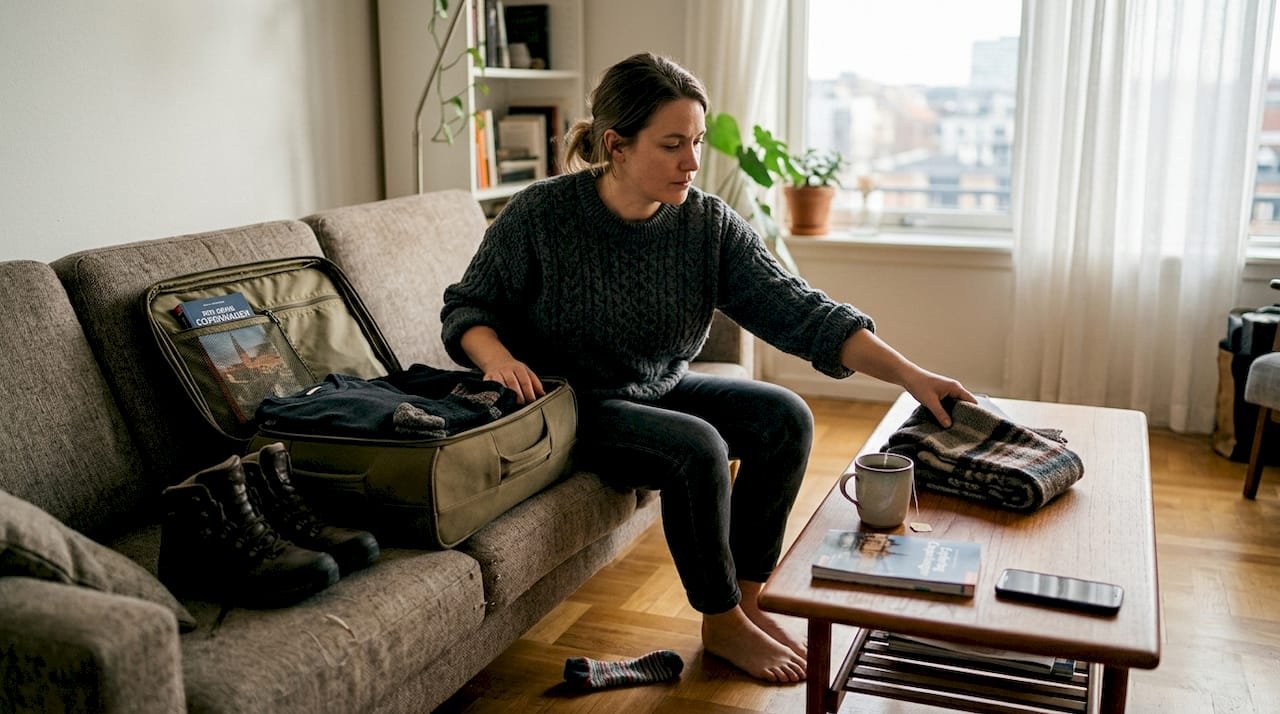
Imagine landing in Vienna or Prague in January, stepping off the train, and realizing your jacket simply isn’t enough. The wind cuts through, the cobblestones are slick with frost, and your stylish sneakers are soaked within minutes. European winters are stunning, but they are also genuinely unpredictable. Temperatures swing from mild and rainy in Lisbon to brutally cold and snowy in the Alps or Budapest. This guide walks you through exactly what to pack, how to protect your health, how to navigate winter transport, and how to adapt to each region so your trip stays memorable for all the right reasons.
Table of Contents
- Essential packing checklist for winter travel
- Health and comfort essentials for cold-weather tours
- Transport preparation: Navigating winter risks
- Adapting to regional variations and edge cases
- The truth about winter tour prep: Lessons from seasoned travelers
- Simplify your winter tour planning with Next View Tours
- Frequently asked questions
Key Takeaways
| Point | Details |
|---|---|
| Layer for flexibility | Packing mix-and-match layers ensures you adapt to Europe’s varying winter weather. |
| Prepare transport smartly | Check for winter tire requirements, forecast delays, and plan your routes accordingly. |
| Prioritize health essentials | Moisturizer, lip balm, and warmers can maximize comfort and prevent cold-related issues. |
| Adapt regionally | Customize your preparations for the colder, snowier north or the milder, rainy south of Europe. |
| Avoid common mistakes | Don’t over-pack bulky layers; prioritize quality and mobility for a better winter tour experience. |
Essential packing checklist for winter travel
Packing for a European winter tour isn’t about stuffing your bag with the heaviest items you own. It’s about building a system that works across wildly different conditions, from the damp chill of Amsterdam to the alpine freeze of Salzburg.
The foundation of any smart winter kit is layering. Think of it as three zones working together: a moisture-wicking base layer, an insulating mid-layer like a wool sweater or fleece, and a waterproof outer shell. This trio lets you add or remove warmth as you move between heated museums, icy streets, and cozy cafes.
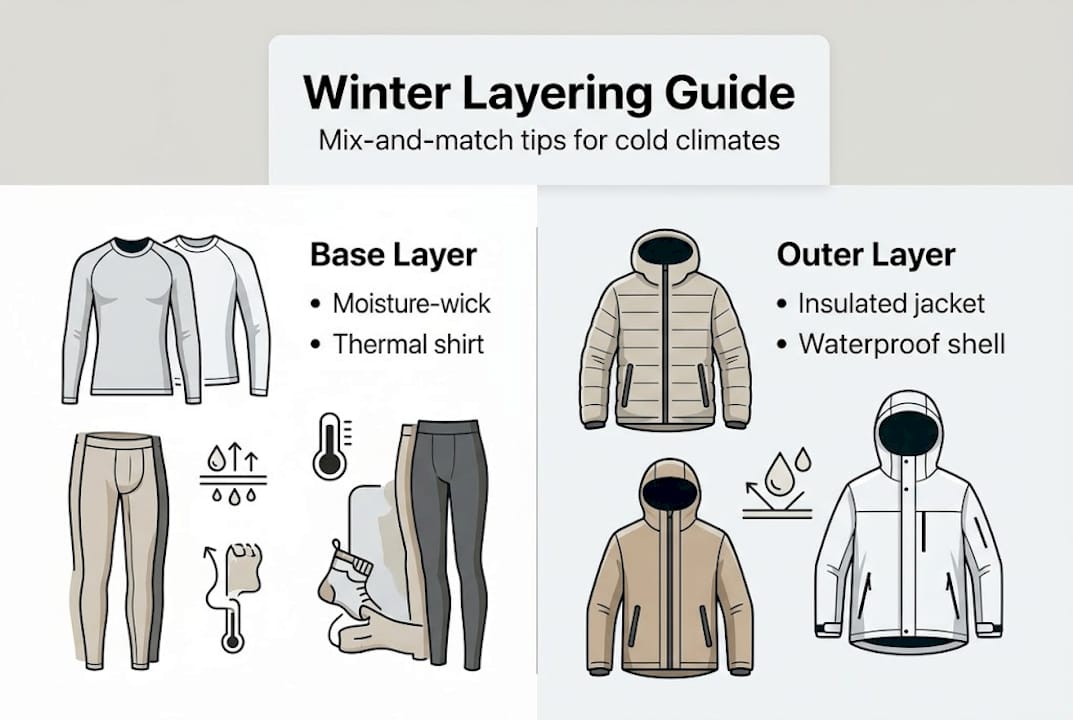
Beyond clothing, winter travel tips consistently emphasize footwear as the single most important investment. Waterproof boots with grip soles are non-negotiable. Wet, cold feet will ruin any day faster than almost anything else.
Comparison table: Packing essentials by region
| Item | Northern/Eastern Europe | Southern Europe |
|---|---|---|
| Thermal base layers | Essential | Recommended |
| Waterproof boots | Essential | Useful |
| Heavy wool coat | Essential | Optional |
| Gloves and hat | Essential | Light version |
| Waterproof shell | Essential | Essential |
| Scarf | Essential | Recommended |
| Umbrella | Recommended | Essential |
As regional packing advice confirms, thermal base layers are the backbone of any European winter wardrobe, paired with waterproof boots, gloves, scarves, and hats that handle variable weather without adding excessive bulk.
Key items to pack:
- Thermal base layers (top and bottom)
- Wool or fleece mid-layer
- Waterproof, insulated outer jacket
- Waterproof boots with ankle support
- Gloves, scarf, and warm hat
- Neutral-colored clothing for mix-and-match versatility
- Compact umbrella
- Reusable hand and foot warmers
Choosing neutrals like navy, gray, and black lets you mix and match across multiple days without overpacking. You can explore winter Europe packing plans to build a capsule wardrobe that works for both city tours and outdoor adventures.
Pro Tip: Pack at least three pairs of wool or moisture-wicking socks and tuck a few disposable hand warmers into your day bag. Cold hands make it nearly impossible to enjoy a walking tour or photograph a snowy landscape.
With your packing list in hand, you’ll next need to ensure your health and comfort in winter conditions.
Health and comfort essentials for cold-weather tours
Cold weather does more than chill you. It dries out your skin, strains your immune system, and can quietly dehydrate you faster than a summer hike. Most travelers focus on staying warm but overlook the subtler physical demands of winter touring.

Temperature ranges across European regions in winter:
| Region | Average Winter Temp | Conditions |
|---|---|---|
| Northern Europe (Scandinavia) | -5°C to 2°C | Snow, ice, wind |
| Eastern Europe (Budapest, Prague) | 0°C to 5°C | Cold, occasional snow |
| Alpine regions (Austria, Switzerland) | -8°C to 0°C | Heavy snow, ice |
| Western Europe (Paris, Amsterdam) | 3°C to 8°C | Rain, damp cold |
| Southern Europe (Rome, Lisbon) | 8°C to 15°C | Mild, rainy |
As health essentials for winter travel confirm, temperatures in northern regions regularly sit between 0°C and 10°C, with alpine areas dropping well below freezing, while southern destinations stay milder but still demand preparation.
Essential health items to pack:
- Rich moisturizer and lip balm for dry, cold air
- Hand and foot warmers for extended outdoor time
- Any prescription medications plus a small first-aid kit
- Throat lozenges and vitamin C supplements
- Nasal saline spray for dry indoor heating
- Electrolyte packets to counter dehydration
One thing many travelers don’t realize: heated interiors in European hotels, trains, and museums are often very dry. Moving between freezing outdoor air and dry indoor heat stresses your skin and respiratory system. The winter tour benefits of visiting Europe in the colder months are real, but only if you arrive prepared for this indoor-outdoor cycle.
Climate data shows that cold exposure affects physical performance and comfort more significantly than most casual travelers expect, especially over multi-day tours.
Pro Tip: Dress in layers you can quickly remove when entering heated spaces. Staying in a damp, sweaty mid-layer is one of the fastest ways to feel miserable on a cold afternoon. Understanding adventure in Europe means knowing that comfort management is an active, ongoing process throughout each day.
Health secured, the next critical step is preparing for safe and efficient transportation during winter tours.
Transport preparation: Navigating winter risks
Winter transport in Europe carries risks that simply don’t exist in summer. Snow, ice, and reduced visibility can turn a two-hour drive into a five-hour ordeal. Knowing the rules and planning ahead makes an enormous difference.
Step-by-step transport checks before your trip:
- Confirm whether your rental car includes winter tires. In Austria, Germany, and Scandinavia, winter tires are mandatory during winter months.
- Check if snow chains are required for alpine passes you plan to cross.
- Download a local weather and transport advisory app for your destination country.
- Research train and bus schedules, noting which routes are most vulnerable to weather delays.
- Build at least 30 to 60 minutes of buffer time into every transit leg of your itinerary.
- Identify indoor waiting options at key transit hubs in case of delays.
- Confirm your travel insurance covers weather-related cancellations and delays.
Important: Delays are common during harsh winter conditions across Central and Eastern Europe. Trains, buses, and mountain roads can all experience significant disruptions without much advance warning. Always have a backup plan.
For European tour transport tips, the consensus is clear: waterproof footwear matters just as much on icy platforms and station walkways as it does on mountain trails. Slipping on a frozen train platform is a genuine hazard.
If you’re visiting European winter market tours in cities like Vienna, Prague, or Budapest, public transport is often your safest and most reliable option. Trams and metros run on schedule far more reliably than road traffic during snowfall.
For alpine or rural routes, crampons and winter tires are genuinely critical safety tools, not optional extras.
Pro Tip: Always plan at least one alternative route for any day involving mountain passes or rural roads. Flexibility in your itinerary is your best insurance against winter transport disruptions.
With transport sorted out, travelers must also adapt to region-specific conditions and plan for the unexpected.
Adapting to regional variations and edge cases
Europe is not one climate. It’s a patchwork of microclimates that can shift dramatically within a few hundred kilometers. What works in Barcelona will leave you dangerously underprepared in Helsinki or the Dolomites.
Regional weather adaptation steps:
- Northern Europe (Scandinavia, Baltic states): Prioritize extreme cold gear. Think insulated parkas, thermal underlayers, and waterproof boots rated for below-freezing temperatures. Ice cleats or crampons are worth carrying.
- Eastern Europe (Hungary, Czech Republic, Slovakia): Pack for cold and occasional snow. Layering is key, as temperatures can swing between day and night by 10°C or more.
- Alpine regions (Austria, Switzerland): Snow chains for vehicles, crampons for walking, and waterproof everything. The Alps demand the most thorough preparation of any European region.
- Western Europe (France, Netherlands, UK): Expect relentless damp and rain rather than snow. A quality waterproof shell and umbrella matter more than heavy insulation.
- Southern Europe (Italy, Spain, Portugal): Milder but often rainy. Light layers, a waterproof jacket, and comfortable walking shoes handle most conditions.
As regional packing guides confirm, northern and eastern Europe are colder and snowier, alpine areas require chains, and southern regions stay milder but bring persistent rain that demands waterproof gear.
Worth knowing: Climate change is shortening safe ice periods on lakes and rivers in parts of Northern and Eastern Europe. Always check local advisories before venturing onto frozen water surfaces.
Average winter snowfall varies dramatically: alpine regions can receive over 150 cm of snow per season, while cities like Lisbon see almost none. Rainfall in western coastal cities like Amsterdam averages 70 to 80 mm in January alone. These numbers shape what you pack and how you move.
For edge cases like sudden temperature drops or unexpected snowfall, the smartest strategy is minimal but smart layering rather than bulk. Bulky coats restrict movement and become a burden on public transport or walking tours. Explore top winter tour options across Europe to understand which regions suit your comfort level and adventure appetite.
All preparation comes together for an optimized winter tour experience. Let’s discuss how to verify your readiness and maximize your trip.
The truth about winter tour prep: Lessons from seasoned travelers
Here’s something most packing guides won’t tell you: the travelers who struggle most in European winters aren’t the ones who packed too little. They’re the ones who packed too much of the wrong things and couldn’t move freely.
We’ve seen it repeatedly. Someone arrives with a massive duffel of bulky sweaters and a coat so thick they can barely lift their arms. They’re warm, technically, but they’re exhausted hauling gear through cobblestone streets, missing buses because they can’t move quickly, and overheating the moment they step inside a museum.
The real lesson is that mobility and adaptability outperform sheer warmth. A well-chosen set of three smart layers beats six heavy ones every time. Merino wool base layers, for example, regulate temperature better than cotton in both cold and warm indoor environments. They’re lighter, pack smaller, and perform across a wider range of conditions.
Another thing most guides skip: verify your prep before you leave home. Wear your full kit on a cold day locally. Walk in your boots. Test your gloves with your phone. Check that your backpack fits over your jacket. These small checks prevent the kind of surprises that derail day one of a trip.
Focus on planning for region-specific surprises rather than building a generic list. If you’re heading to Budapest in January, research that week’s forecast. If you’re touring the Alps, call ahead about road conditions. Travelers who use advanced winter travel tips as a living checklist rather than a one-time task consistently have better experiences.
Simplify your winter tour planning with Next View Tours
Preparation is the foundation, but the right tour partner transforms a good trip into an extraordinary one. Next View Tours specializes in winter experiences across Europe, from the Christmas markets of Vienna and Prague to alpine adventures in Austria and cultural tours through Budapest, Slovakia, and beyond.

Whether you’re drawn to customized European tours built around your climate preferences, or you want the depth of multi-day adventure trips with expert guides who know every regional quirk, Next View Tours has a winter experience designed for you. For travelers who want full flexibility and personal attention, personalized tour options let you move at your own pace through Europe’s most stunning winter landscapes.
Frequently asked questions
What should I pack for a winter tour in Europe?
Pack thermal layers, waterproof boots, gloves, scarves, and hats, choosing versatile neutral colors that adapt to cold and variable conditions across different regions.
How do I prepare for transportation during winter tours?
Confirm winter tires are included in any rental, check weather forecasts daily, and build generous buffer time into every transit leg, especially in mountainous areas.
How can travelers adapt to changing European winter climates?
Stay flexible by layering for indoor and outdoor swings, and check regional forecasts regularly to adjust your packing and daily plans as conditions shift.
What health supplies should I bring for winter travel?
Bring moisturizer, lip balm, hand and foot warmers, and any necessary medications to stay comfortable in cold, dry winter conditions across Europe.


Comments are closed