 Uncategorized
TL;DR:
- Effective educational trips combine cultural immersion with skill-building activities for deeper learning.
- Prioritize destinations that match your learning objectives and allow sufficient time for reflection.
- Depth of experience in fewer locations yields more meaningful growth than rushing through many sites.
Choosing the right educational travel destination in Europe is genuinely exciting, but it can also feel overwhelming. Hundreds of guided tours promise cultural depth, skill-building, and unforgettable moments, yet not all deliver equally. International experience boosts employability and builds real-world competencies, making your choice more important than ever. Whether you are planning a group trip, a family adventure, or a solo learning journey, the right destination can shape how much you actually grow. This guide walks you through selection criteria, standout European destinations, a side-by-side comparison, and practical advice for matching your goals to the perfect tour.
Table of Contents
- How to choose enriching educational destinations
- Best educational travel destinations in Europe
- Comparison of educational travel destinations
- How to match destinations with your learning goals
- What most travelers miss: Depth over distance in educational travel
- Plan your next educational journey with expert guidance
- Frequently asked questions
Key Takeaways
| Point | Details |
|---|---|
| Depth over distance | Staying longer in fewer destinations leads to richer educational experiences and better skill-building. |
| Skill-building matters | Choose destinations and tours that support adaptability, communication, and intercultural understanding. |
| Guided tours add value | Local guides and structured itineraries help transform travel into meaningful learning. |
| Budget and pacing | Understand costs and match travel pace to your group’s needs for a successful educational trip. |
How to choose enriching educational destinations
With a vast selection of destinations, knowing what to look for can make all the difference. Not every tour labeled “educational” delivers genuine learning. The best ones combine structured skill-building with authentic cultural immersion, and they do it without rushing you through five cities in seven days.
Here are the core criteria worth evaluating before you book:
- Skill-building potential: Does the tour offer hands-on activities, workshops, or guided discussions that develop real competencies? Alumni rate adaptability and intercultural skills as the top outcomes of international experience, with over 90% reporting meaningful skill gains.
- Cultural immersion depth: Look for tours that go beyond monuments. Cooking classes, local market visits, and community interactions create lasting impressions.
- Language opportunity: Even basic exposure to a local language adds a powerful layer of learning. Tours that incorporate language moments, even casually, enrich the experience.
- Local guidance quality: An expert local guide transforms a sightseeing trip into a genuine educational journey. Check guide credentials and read reviews carefully.
- Trip pacing: Slower itineraries based in one or two cities allow deeper absorption. Constant movement fragments learning and increases fatigue.
- Accessibility and activity level: Consider your group’s physical fitness. Some tours involve significant walking or hiking, while others are designed for broader accessibility.
- Post-trip support: The best providers offer resources, reflection tools, or follow-up materials to help you integrate what you learned.
You should also evaluate practical factors like total cost, safety ratings, and verified traveler reviews. Explore best educational trips in Europe to see how well-structured itineraries balance all these elements. For additional depth, browse engaging educational tour ideas that go beyond standard sightseeing.
Pro Tip: Before booking, ask the tour provider how they measure learning outcomes. Providers who can answer that question clearly tend to offer far richer experiences, as expert research on deeper learning consistently confirms.
Best educational travel destinations in Europe
Now that you have clear selection criteria, let’s look at Europe’s standout options for educational travel. Each destination below offers a distinct flavor of learning, from ancient history to modern science and living culture.
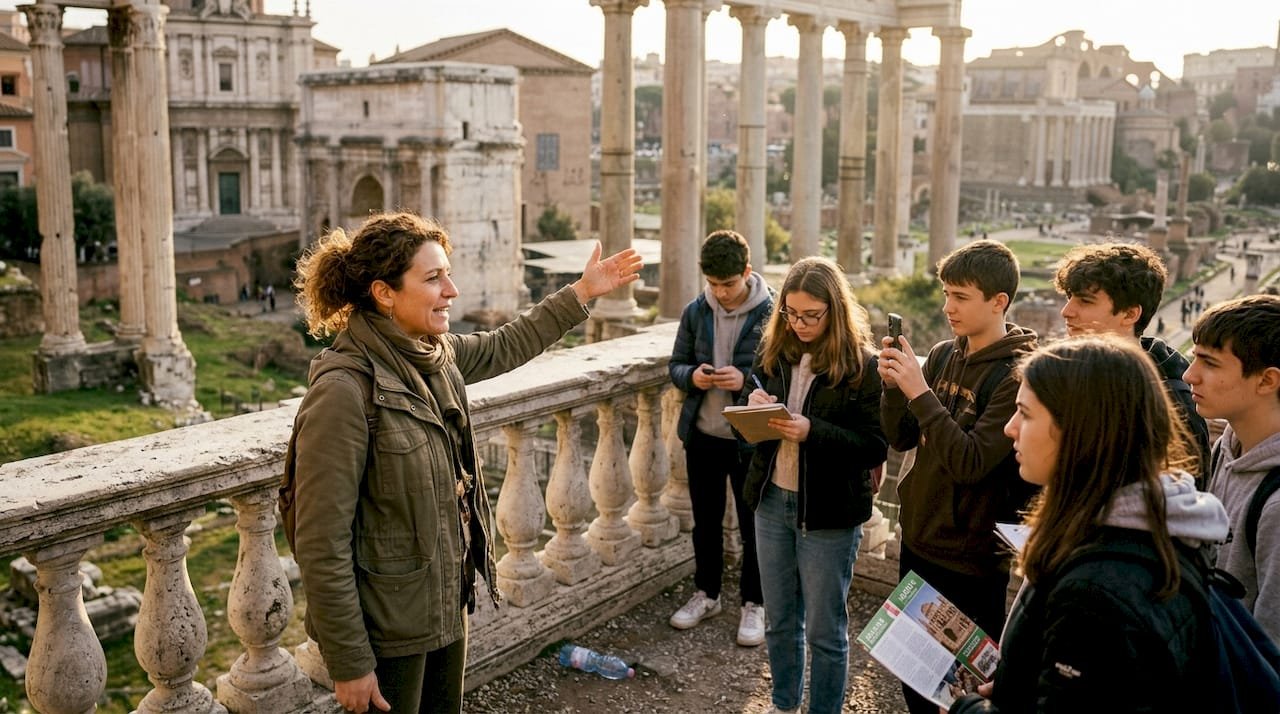
Rome, Italy is arguably the world’s most layered classroom. Walking through the Forum or standing inside the Pantheon, you absorb two thousand years of architecture, governance, and art in a single afternoon. Tours here work best when led by archaeologists or historians who can decode the symbolism embedded in every stone.
Vienna, Austria offers a remarkable blend of imperial history, classical music, and fine arts. The city’s museums, palaces, and concert halls create an immersive environment for arts and humanities learners. Vienna also serves as an ideal base for guided European tours that extend into neighboring countries like Slovakia and the Czech Republic.
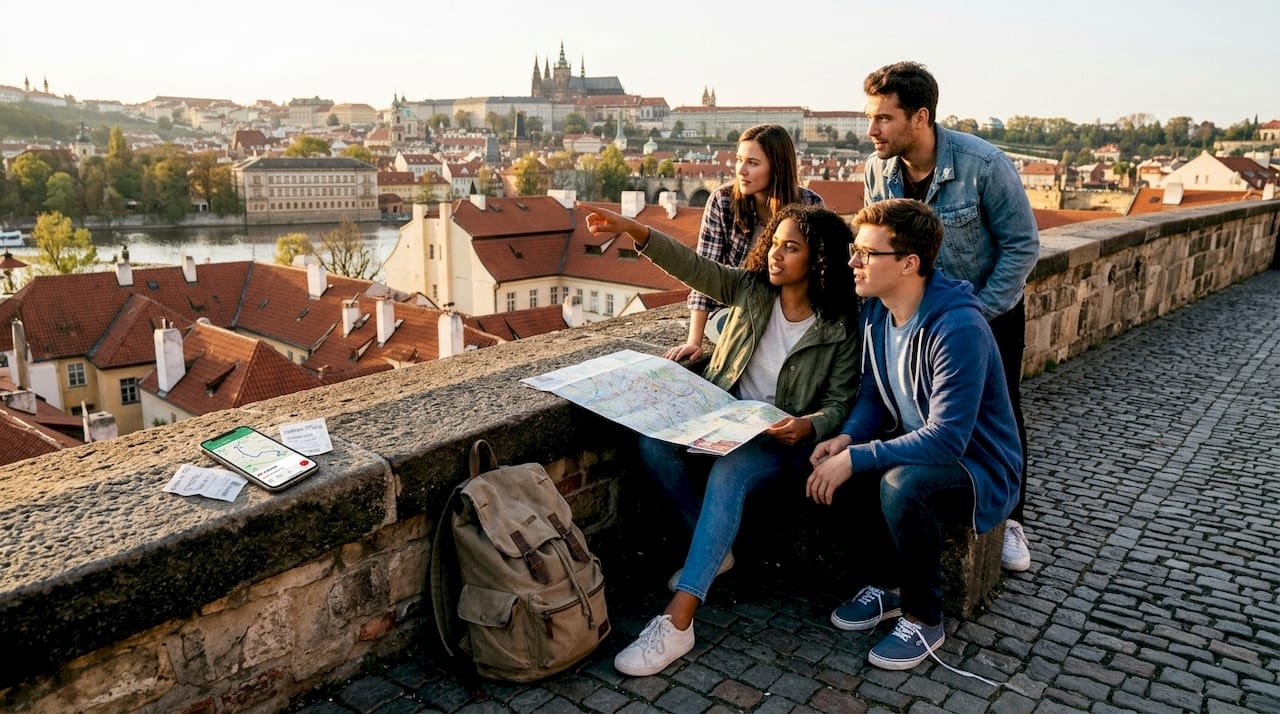
Prague, Czech Republic rewards curious travelers with Gothic architecture, Cold War history, and a thriving contemporary arts scene. It is one of the most walkable educational cities in Europe, and its relatively affordable costs make it attractive for group travel.
Athens, Greece connects you directly to the philosophical and democratic foundations of Western civilization. Guided visits to the Acropolis and the National Archaeological Museum work especially well for history and social studies groups.
Barcelona, Spain combines architectural innovation, Mediterranean culture, and a vibrant language environment. Gaudí’s structures alone offer lessons in geometry, symbolism, and artistic vision that no textbook can replicate.
Pro Tip: Base your group in one city for at least three nights before moving on. Depth beats distance every time.
Statistic: Over 50% of Erasmus+ students credit their program directly for securing their first job, underscoring how transformative structured European educational travel can be. For groups who cannot travel in person, virtual tour alternatives offer a meaningful complement to physical visits. Browse European group tour packages to find itineraries built around these top destinations.
Comparison of educational travel destinations
The choices may seem overwhelming, so here’s how the top educational destinations stack up directly.
| Destination | Learning focus | Immersion level | Language opportunity | Typical cost | Activity level |
|---|---|---|---|---|---|
| Rome | History, architecture | Very high | Italian basics | Moderate to high | Moderate |
| Vienna | Arts, music, history | High | German basics | Moderate | Low to moderate |
| Prague | History, culture, arts | High | Czech basics | Low to moderate | Low |
| Athens | Philosophy, history | Very high | Greek basics | Moderate | Moderate |
| Barcelona | Architecture, language | Very high | Spanish immersive | Moderate | Moderate to high |
Each destination suits a different traveler profile. Rome and Athens are ideal for history and humanities groups who want to stand inside the stories they have studied. Vienna and Prague work beautifully for arts, music, and cultural studies learners, with Prague offering the most budget-friendly option. Barcelona stands out for language learners and architecture enthusiasts who thrive on sensory, active exploration.
Statistic: Organized educational tours average $5,500 per person for a nine-day program, with traveler reviews consistently rating quality experiences between 4.6 and 5.0 out of 5.
When comparing options, factor in hidden costs like museum entry fees, local transport, and optional excursions. Prague and Vienna tend to offer the best value for groups managing tight budgets. See our guide to budgeting for group travel for a detailed cost breakdown, and check the group tours comparison page for side-by-side itinerary details.
How to match destinations with your learning goals
Understanding how destinations compare is important. Now, here’s how to choose the right fit for your unique goals.
Start by identifying your group’s primary learning objective. Here are the most common types and the destinations that serve them best:
- History and archaeology: Rome, Athens
- Arts and music: Vienna, Florence, Paris
- Language acquisition: Barcelona, Seville, Paris
- Science and innovation: Berlin, Amsterdam, Zurich
- Intercultural competency: Prague, Budapest, Krakow
- Architecture and design: Barcelona, Vienna, Prague
Once you have identified your focus, follow these steps to narrow your choice:
- List your top three learning outcomes. Be specific. “Understand Baroque art” is more useful than “learn about history.”
- Match outcomes to destinations using the list above.
- Assess your group’s physical ability. High-activity tours suit different traveler profiles than virtual or low-intensity alternatives. Be honest about what your group can sustain.
- Set a realistic budget per person, including all extras.
- Check guide credentials for each shortlisted tour. A specialist guide in your subject area adds enormous value.
- Plan for reflection time. Build in at least one unstructured afternoon per destination for personal exploration and processing.
Customization matters more than people realize. A tour designed for language learners in Barcelona will look very different from one built for architecture students visiting the same city. Work with your tour provider to align the itinerary with your specific outcomes.
Pro Tip: When planning a group tour, ask for a sample daily schedule before committing. The balance between guided time and free exploration reveals a lot about a provider’s educational philosophy.
What most travelers miss: Depth over distance in educational travel
With the practical how-to behind you, let’s step back for a perspective that most travel guides skip entirely.
The most common mistake educational travelers make is treating Europe like a checklist. Seven cities in ten days sounds impressive, but it produces exhaustion, not insight. True learning needs time. It needs repetition, conversation, and the chance to sit with what you have just experienced.
We have seen this pattern repeatedly. Groups who spend four days in Vienna absorb far more than those who pass through in one. They notice details on the second visit to a museum. They ask better questions. They connect ideas across experiences.
Depth yields richer personal impact than breadth, and post-trip integration, processing your experience at home through journaling, discussion, or further reading, is just as important as the journey itself. Local guides are central to this. A guide who specializes in your subject does not just share facts. They reveal layers of meaning that transform a building or a painting into a living story.
If you want genuine growth from your travel, resist the pressure to see everything. Choose fewer places. Go deeper. The European group tour examples that receive the highest ratings are almost always the ones built around depth, not distance.
Plan your next educational journey with expert guidance
Ready to take the next step? Here’s how you can put your learning into action.
At Next View Tours, we specialize in building educational travel experiences that go far beyond standard sightseeing. Whether you are organizing a group trip from Vienna, Prague, Budapest, or anywhere across Europe, we match your learning goals to the right destinations, guides, and pacing.
Explore our customized tour options to build an itinerary tailored to your group’s specific outcomes. Browse our full range of trip types including day trips, multi-day adventures, family tours, and private experiences. Or dive straight into our European group tours to find a ready-made educational journey that fits your schedule and budget.
Frequently asked questions
Which European countries are best for cultural immersion in educational travel?
Italy, France, Spain, and Germany consistently offer rich cultural experiences and strong educational infrastructure for guided travel. Intercultural competencies rank highly among outcomes reported by travelers who participate in structured European programs.
How much should I budget for an educational tour in Europe?
Average organized tours cost about $5,500 per person for nine days, excluding most meals. Costs vary by country, season, and group size.
Is a local guide necessary for an educational group tour?
Local guides add essential context and depth, turning sightseeing into true learning. Expert guides deepen educational impact by connecting historical and cultural layers that self-guided visitors typically miss.
Can educational travel suit all fitness levels and ages?
High-activity tours suit physically fit travelers, while many providers offer slower-paced or virtual alternatives for accessibility. Always confirm activity levels with your provider before booking.
Recommended
- Benefits of European Tours: Complete Guide for 2024 – Next View Tours
- Why Travel Europe in 2025: Adventure, Culture, Customization – Next View Tours
- Trend in Europe Tours 2025: Immersive, Sustainable, Social – Next View Tours
- 7 Best Educational Trips for Students in Europe – Next View Tours
- Travel document trends in 2026: what U.S. travelers need


Comments are closed