
 Uncategorized
TL;DR:
- A professional tour guide enhances travel experiences by providing cultural interpretation, storytelling, and safety management. Choosing a qualified, licensed guide ensures a memorable and emotionally engaging visit, especially when their expertise aligns with your trip. The right guide transforms landmarks into lasting memories through personalized interaction and local knowledge.
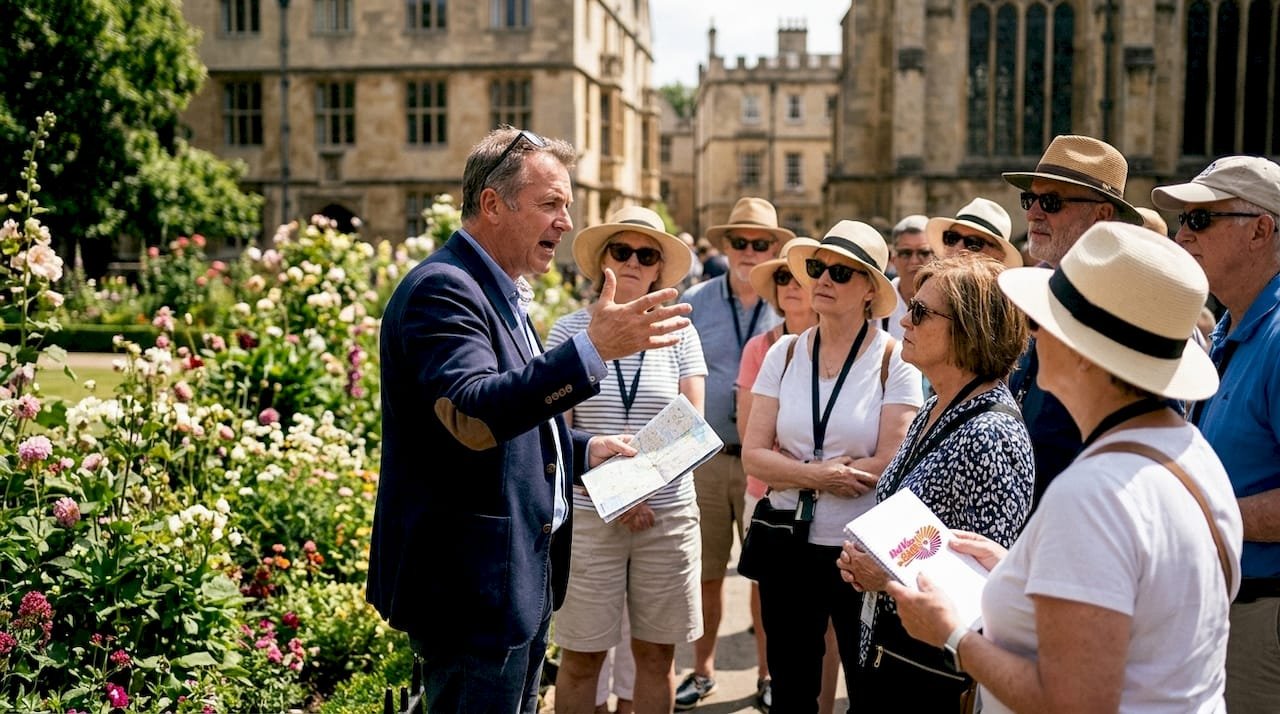
A tour guide is defined as a hospitality professional who leads individuals or groups through points of interest, interpreting cultural, artistic, or historical significance to enrich the travel experience. The industry term “tourist guide” carries a more specific meaning: it signals professional qualification and recognized standards, setting trained experts apart from informal leaders. Whether you are planning a half-day city walk through Vienna or a multi-day adventure across Central Europe, understanding what a tour guide does helps you choose the right person for the job. Nextviewtours works with qualified guides across Austria, the Czech Republic, Hungary, Slovakia, and beyond, making this distinction especially relevant for travelers planning European trips.
What does a tour guide do: key functions and responsibilities
A professional tour guide does far more than point at buildings and recite dates. According to the U.S. Bureau of Labor Statistics, tours can range from less than 1 hour to more than 12 hours, and a guide’s responsibilities shift significantly across that spectrum.
The core duties of a working guide include:
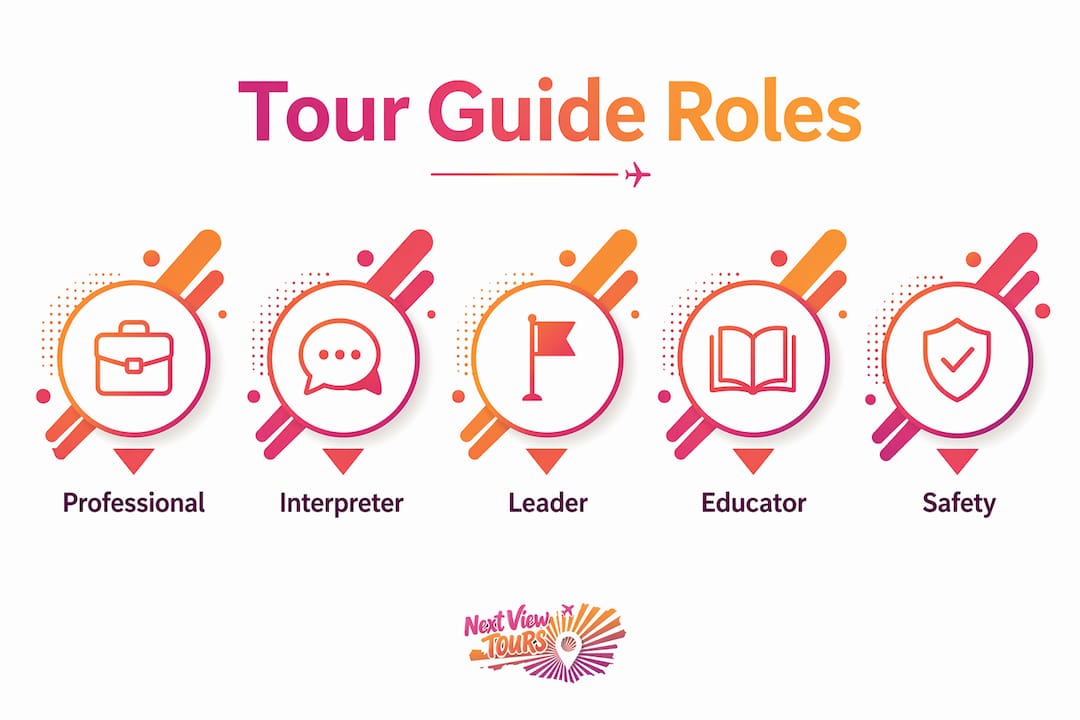
- Leading and interpreting: Guiding individuals or groups through sites while providing accurate historical, cultural, and artistic commentary tailored to the audience.
- Planning and adapting routes: Researching sites in advance, then adjusting pacing and sequence in real time based on crowd density, weather, and group energy.
- Managing group safety and logistics: Monitoring the group’s physical well-being, coordinating entry times, and handling unexpected situations calmly.
- Customizing communication: Reading the room and adjusting language, depth, and tone for children, seniors, first-time visitors, or subject-matter enthusiasts.
- Storytelling over fact-dumping: Weaving facts into narratives that make destinations memorable rather than reciting a list of statistics.
The last point separates good guides from great ones. A skilled guide transforms a Roman amphitheater from a pile of old stones into a living stage where gladiators once fought for survival. That emotional connection is what travelers remember long after the trip ends.
Pro Tip: Before booking, ask the guide for a sample story or anecdote about one of the sites. A confident, vivid answer tells you immediately whether they prioritize storytelling or just logistics.
What qualifications and skills define a professional tourist guide?
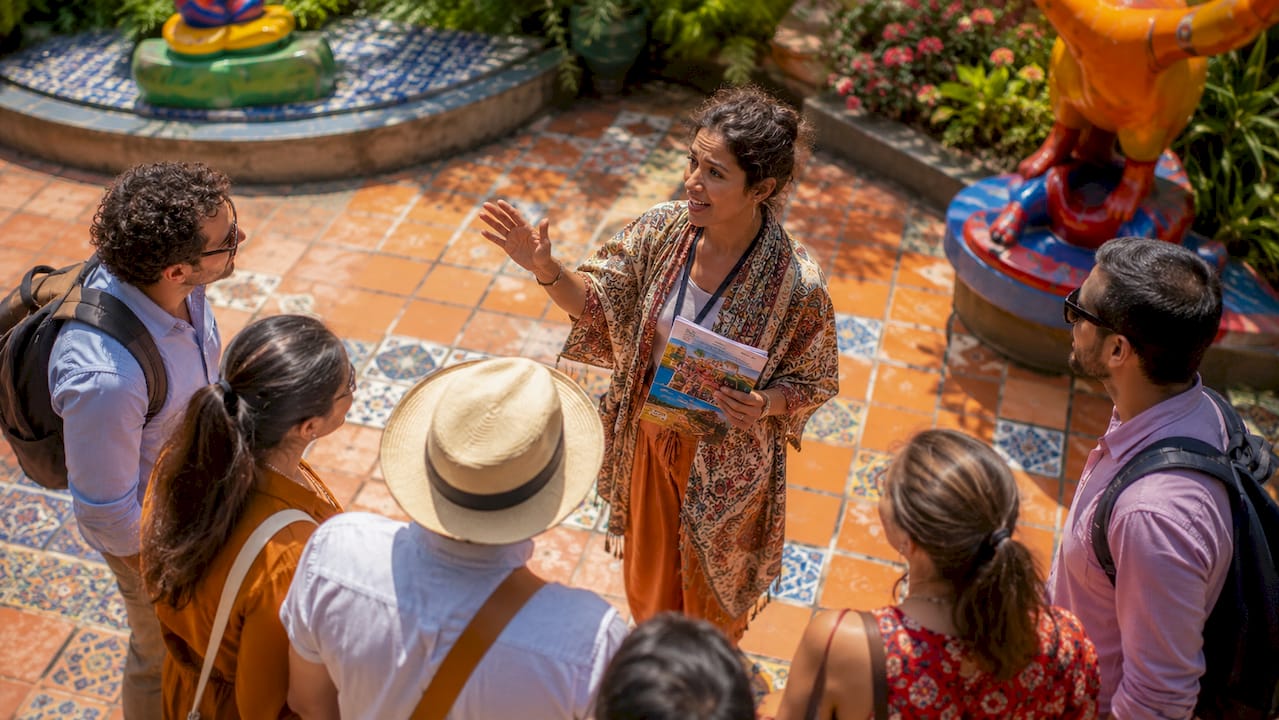
The phrase “tourist guide” implies a specific professional standard. ISO 18513:2003 and EN 13809:2003 are the international standards that define the tourist guide’s role, and many countries build their national licensing laws on top of these frameworks. Italy, for example, formalized the guide’s role through Law No. 190, covering architectural, monumental, and culinary heritage interpretation.
Core skills every qualified guide carries
A licensed tourist guide typically demonstrates:
- Public speaking and storytelling: The ability to hold a group’s attention for hours without losing clarity or energy.
- Foreign language proficiency: Fluency in at least one language beyond the local tongue, often two or three for guides working in international tourism hubs like Prague or Budapest.
- First Aid and CPR certification: Safety skills are a standard expectation across guided tour settings, with advanced certifications like Wilderness First Responder required for backcountry or adventure guides.
- Local and regional expertise: Deep knowledge of history, architecture, art, and culture specific to the area covered by the license.
- Ongoing professional development: Attendance at workshops, updated certifications, and continued study of new research or site changes.
Tourist guide vs. tour manager: a critical distinction
These two roles are often confused, but they serve different functions. A tourist guide provides in-depth local interpretation, while a tour manager handles overall trip logistics, traveler welfare, and schedule coordination across multiple destinations. Quality multi-day tours often involve both working together. The guide brings the story; the manager keeps the wheels turning.
Niche certifications also matter. Food tour guides may hold credentials in culinary history or wine education. Nature interpretation guides often carry formal training in ecology or geology. These specialized credentials signal that the guide’s knowledge goes beyond general tourism.
Pro Tip: When evaluating a guide, check whether they hold a license issued by a regional or national authority. A credential tied to a specific city or region, like a Vienna city guide license, carries more weight than a generic tourism certificate.
What are the main types of tour guides?
Tour guides do not fit a single mold. The role changes dramatically depending on the environment, the audience, and the length of the experience.
- City and cultural guides lead walking or vehicle-based tours through urban centers, covering architecture, history, and local life. A guide in Salzburg might walk you through Mozart’s birthplace and explain the city’s Baroque heritage in the same breath.
- Museum and heritage guides specialize in a single institution or site, offering deep expertise on specific collections or historical periods. Their knowledge is narrow but exceptionally detailed.
- Nature and adventure guides operate in outdoor environments, from the Austrian Alps to Slovak national parks. They combine ecological knowledge with safety management and often hold advanced first aid credentials.
- Food and wine guides lead culinary experiences, connecting visitors to local producers, markets, and restaurants. These guides understand flavor, tradition, and the social rituals around eating in a specific culture.
- Private guides work one-on-one or with small groups, tailoring every aspect of the experience to the traveler’s interests. This format allows for a level of personalization that group tours cannot match.
- Group tour guides manage larger audiences, balancing individual attention with crowd logistics. The skill set here leans heavily on crowd management, clear communication, and real-time pacing adjustments based on group fatigue and conditions.
Each type demands a different mix of skills. A nature guide who thrives in the backcountry may struggle in a museum setting, and vice versa. Matching the guide type to your trip type is one of the most underrated decisions a traveler makes.
How a skilled guide enhances your travel experience
A great guide does not just deliver information. They act as a cultural mediator, bridging the gap between where you come from and where you are standing. That mediation creates a connection to a place that no audio guide or travel app can replicate.
The qualities that elevate a tour from informative to unforgettable include:
- Emotional resonance: Linking historical events to human stories that feel personal and immediate, not distant and academic.
- Audience reading: Noticing when a group is flagging and shifting to a lighter anecdote, or when an enthusiastic visitor wants more depth on a specific topic.
- Behind-the-scenes logistics: Handling entry queues, timing transitions, and coordinating with venues so travelers never feel the friction of organization.
- Exclusive detail: Sharing a fact, a hidden courtyard, or a local legend that does not appear in any guidebook. These moments create lasting memories.
“The difference between just visiting and truly connecting depends on the guide’s ability to educate and engage. Tour guides are cultural mediators who enrich tourist satisfaction by connecting visitors emotionally to heritage and supporting sustainable tourism.”
European Journal of Business Startups and Open Society
Technology like audio guides and augmented reality apps can deliver facts efficiently. What they cannot do is notice that you look confused, pivot the narrative, or share a personal story about the street you are standing on. Deep expertise and personalized interaction keep professional guides in demand precisely because those qualities cannot be automated. Understanding guest experience in hospitality confirms that human connection remains the defining factor in traveler satisfaction.
Why choosing a qualified guide matters more than you think
Working with guides across Europe has shown me one consistent pattern: the quality of the guide determines the quality of the memory, not the quality of the site. I have seen travelers walk through some of the most celebrated landmarks in Central Europe and leave unmoved, simply because no one gave them a reason to care. The same sites, with the right guide, produce genuine awe.
The challenge guides face is real. They must balance education with entertainment, manage a group of strangers with different energy levels and expectations, and do all of it while staying accurate and on schedule. That is a genuinely difficult skill set, and it takes years to develop. Travelers who treat guide selection as an afterthought often pay for it with a forgettable experience.
My advice is direct: prioritize the guide’s credentials and communication style over the tour’s itinerary. A licensed tourist guide with strong storytelling skills will make even a modest site feel significant. An unlicensed leader with a printed script will make even the grandest cathedral feel like a lecture. Check for area-specific qualifications, ask about their approach to storytelling, and read reviews that mention specific moments rather than just “great tour.” Those specific moments are the proof. You can learn more about how local guides transform travel and what separates a good guide from an exceptional one.
— Next
Guided tours across Europe with Nextviewtours
Nextviewtours offers a full range of guided experiences across Vienna, Hallstatt, Salzburg, Prague, Budapest, Slovakia, and the wider European region. Every trip type, from private tours to group adventures and customized family itineraries, is designed with qualified guides at the center of the experience.
Whether you are drawn to the architectural grandeur of Central Europe or the natural drama of the Alps, the right guide makes the difference between a sightseeing checklist and a story you will tell for years. Browse the full range of expert-guided trip types and find the format that fits your travel style. If you prefer a more personal experience, Nextviewtours also offers private tours across Europe tailored to your pace, interests, and group size.
Key takeaways
A professional tourist guide is the single most important factor in transforming a site visit into a lasting cultural memory.
| Point | Details |
|---|---|
| Definition of a tourist guide | A licensed professional who interprets cultural, historical, or natural sites to enrich traveler experiences. |
| Core responsibilities | Guides lead groups, manage safety, adapt pacing, and craft narratives tailored to their audience. |
| Professional standards | ISO 18513:2003 and EN 13809:2003 define the tourist guide role; national laws like Italy’s Law No. 190 formalize it locally. |
| Types of guides | City, museum, nature, food, private, and group guides each require a distinct skill set matched to their environment. |
| Value beyond information | Skilled guides act as cultural mediators, creating emotional connections that technology cannot replicate. |
FAQ
What is the tour guide’s official definition?
A tour guide is a hospitality professional who leads individuals or groups through points of interest, providing interpretation of cultural, artistic, or historical significance. The term “tourist guide” specifically refers to a professionally qualified guide recognized by area-specific standards such as ISO 18513:2003.
What does a tour guide do on a typical tour?
A tour guide plans routes, greets clients, delivers cultural and historical commentary, manages group safety, and adapts pacing based on conditions. Their primary purpose is to transform a site visit into an educational and emotionally engaging experience.
What is the difference between a tourist guide and a tour manager?
A tourist guide provides in-depth local interpretation and storytelling at specific sites, while a tour manager handles overall trip logistics, traveler welfare, and schedule coordination across multiple destinations. Quality multi-day tours often use both roles together.
What qualifications does a professional tour guide need?
Professional tourist guides typically hold area-specific licenses aligned with ISO 18513:2003 or national laws, and most carry First Aid and CPR certification. Adventure and outdoor guides often hold advanced credentials such as Wilderness First Responder.
How do I choose the right tour guide for my trip?
Check for a regional or national license tied to the specific area you are visiting, read reviews that mention specific stories or moments, and ask the guide directly about their storytelling approach. A guide with deep local expertise and strong communication skills will consistently outperform one with only a general tourism certificate.


Comments are closed